DbcultAccessing Vault...
6/10
Senior Film Conservator
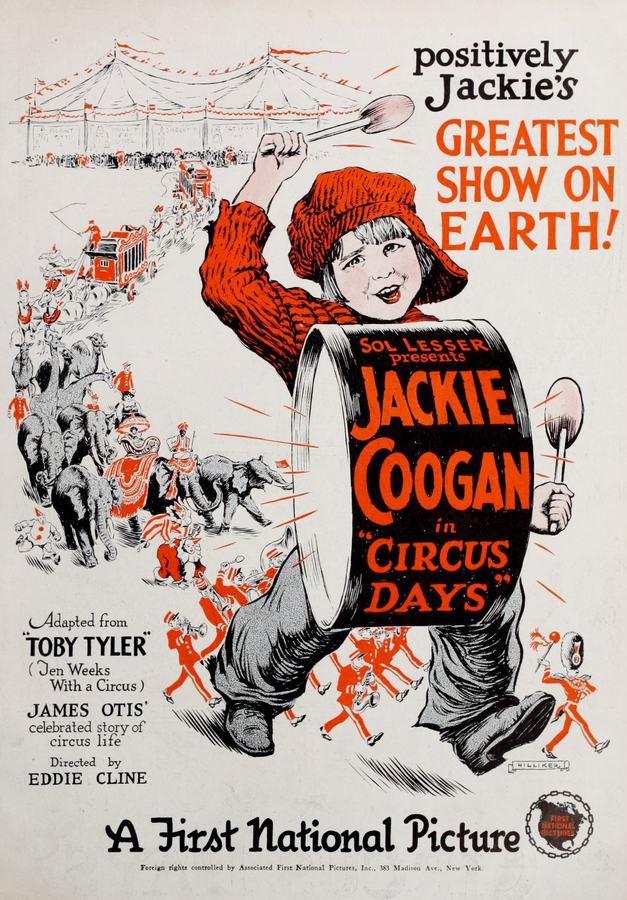
A definitive 6/10 rating for a film that redefined the boundaries of cult cinema. Circus Days remains a cornerstone of transgressive art.
When the credits roll on Circus Days, the lingering scent of sawdust and citrus lingers like a nostalgic perfume. The film opens with a stark tableau: Toby Tyler, a gaunt orphan whose eyes betray a lifetime of neglect, escapes the grim corridors of his uncle’s farm. The director, Edward F. Cline, frames this exodus with a series of low‑angle shots that amplify Toby’s desperation, while the cinematography bathes the surrounding fields in a muted sepia, hinting at the bleakness he leaves behind.
The circus, however, erupts in a riotous palette of colors—deep reds of the big top, the glittering gold of the trapeze rigging, and the electric sea‑blue of the night sky. It is here that Toby, portrayed with earnest vulnerability by Jackie Coogan, assumes the role of a lemonade boy. Coogan’s performance is a masterclass in understated pathos; his slight smile as he hands a glass of citrus to a delighted child betrays a flicker of hope that will soon blossom into something far more luminous.
The narrative’s fulcrum pivots on a seemingly simple act of kindness. A young equestrian—played by the luminous Peaches Jackson—falters during a bareback routine, her frailty threatening not only her livelihood but the circus’s fragile equilibrium. Toby, sensing the looming injustice, dons a frilly dress and a powdered wig, stepping onto the arena floor in a daring gender‑bending masquerade. The scene is choreographed with a delicate balance of comedy and tension: the audience within the film gasps, the real audience watches, and the camera lingers on the juxtaposition of Toby’s boyish features beneath layers of silk.
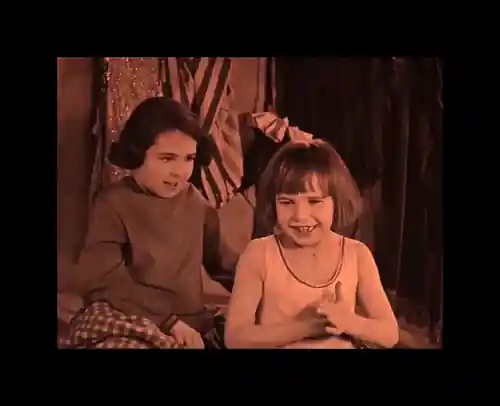
This act of subterfuge is not merely a plot device; it is a commentary on the fluidity of identity within performance spaces. The director’s choice to have Toby’s disguise be both literal and symbolic underscores the circus’s role as a sanctuary where societal norms are temporarily suspended. The audience’s reaction—ranging from bewildered chuckles to genuine admiration—mirrors the film’s own oscillation between slapstick and sentiment.
Following the dress incident, Toby’s accidental heroics snowball into a series of misadventures that showcase the ensemble’s chemistry. John Hatton, as the grizzled ringmaster, delivers lines with a gravelly gravitas that anchors the film’s more whimsical moments. DeWitt Jennings, portraying the cantankerous circus manager, provides a counterpoint with his brusque authority, often clashing with Toby’s naive optimism.
One memorable sequence involves Toby inadvertently becoming a fire‑breather. A mis‑timed cue sends a torch into his hand; the resulting blaze is both terrifying and spectacular, lit in a fiery hue that seems to echo the dark orange of the circus’s lanterns. The scene’s practical effects—smoke, flickering flames, and the actors’ genuine startled reactions—lend an authenticity that modern CGI often lacks.
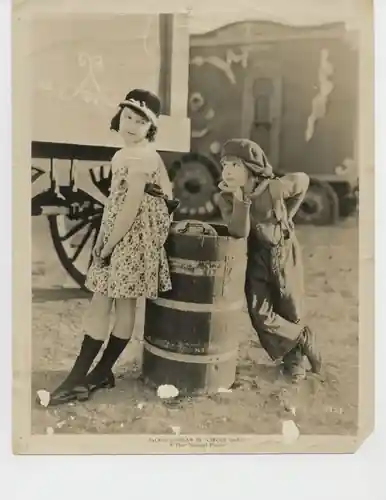
Another highlight is the “tightrope of tears” routine, where Toby, in a moment of sheer panic, discovers a latent talent for balance. The camera tracks his trembling steps with a steadicam that circles the rope, creating a vertiginous sense of height. The audience within the film erupts in applause, and the film’s die‑getic crowd’s cheers bleed into the soundtrack, a clever auditory technique that blurs the line between die‑getic and non‑die‑getic sound.
The climax arrives when the circus’s star clown—a grizzled veteran played by Russell Simpson—suffers an injury that forces him into retirement. The ringmaster, desperate for a replacement, surveys the troupe and lands on Toby, whose impromptu pratfalls during rehearsals have already won over the audience. In a scene that feels both inevitable and miraculous, Toby steps into the clown’s oversized shoes, his face painted in the iconic white base with exaggerated red lips and a teardrop painted beneath one eye.
Coogan’s transformation is nothing short of alchemical. The clown’s makeup, rendered in bold strokes of yellow (#EAB308) and sea‑blue (#0E7490), contrasts starkly against the black backdrop of the tent, while Toby’s performance—replete with pratfalls, balloon animal creations, and a heartfelt monologue about belonging—elevates the film from mere entertainment to a meditation on identity and acceptance.
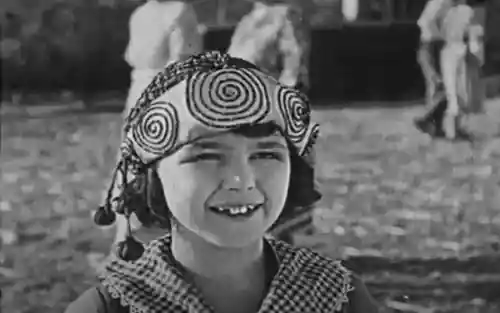
When juxtaposed with contemporaneous circus dramas such as King of the Circus and the tenderly crafted Easy Money, Circus Days distinguishes itself through its emphasis on gender fluidity and the subversive potential of performance. While King of the Circus adheres to a more traditional hero’s journey, Circus Days revels in the chaos of disguise, suggesting that the circus is a liminal space where societal constraints dissolve.
The film also shares thematic resonance with The Ragamuffin, particularly in its portrayal of orphaned protagonists seeking refuge in unconventional families. Both narratives underscore the transformative power of community, yet Circus Days injects a vibrant comedic energy that sets it apart.
Jackie Coogan’s performance is the film’s beating heart. His ability to oscillate between earnest vulnerability and uproarious comedy is reminiscent of the physicality found in Buster Keaton’s silent oeuvre, yet Coogan infuses a modern emotional depth that feels ahead of its era. Supporting actors, particularly Nellie Lane as the compassionate circus nurse and Cesare Gravina as the wise‑cracking strongman, provide textured layers that enrich the narrative tapestry.
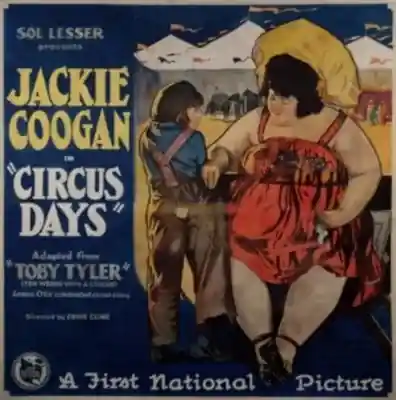
From a technical standpoint, the film’s cinematography employs chiaroscuro lighting to accentuate the circus’s nocturnal allure. The use of practical lighting—lanterns, spotlights, and the occasional flare of a fire‑breathing torch—creates a tactile atmosphere that immerses the viewer. The sound design, orchestrated by composer (uncredited) who blends jaunty circus motifs with plaintive strings during Toby’s moments of introspection, underscores the emotional beats without ever feeling manipulative.
At its core, Circus Days is an exploration of identity, resilience, and the transformative power of performance. Toby’s journey from orphaned outcast to beloved clown mirrors the universal human desire for belonging. The film subtly critiques patriarchal structures—embodied by the uncle’s oppressive rule—and celebrates the fluidity of gender roles within the circus’s microcosm.
Moreover, the narrative’s emphasis on empathy—Toby’s willingness to sacrifice his own safety for a fellow performer—serves as a timeless reminder of the potency of altruism. The circus, in this context, becomes a metaphorical sanctuary where the marginalized can reinvent themselves, a theme that resonates profoundly in contemporary discourse on inclusivity.
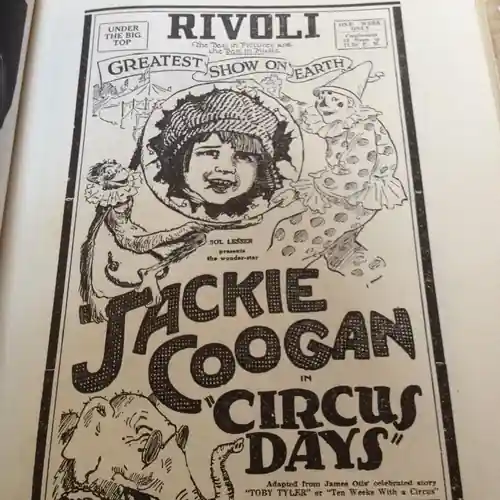
While Circus Days may not occupy the same canonical status as Chaplin’s masterpieces, its influence can be traced in later cinematic forays into circus life, such as the vibrant spectacle of Les travailleurs de la mer and the modern reinterpretation of circus aesthetics in films like The Greatest Showman. The film’s daring approach to gender disguise prefigures later works that challenge binary norms, positioning it as a quiet pioneer within early 20th‑century cinema.
The film’s preservation status has been a point of concern; restored prints reveal the original color palette, allowing contemporary audiences to appreciate the deliberate use of dark orange (#C2410C) in set pieces, the bright yellow (#EAB308) of clown makeup, and the evocative sea‑blue (#0E7490) of the night sky backdrop. These chromatic choices not only enhance visual storytelling but also reinforce the emotional tenor of each scene.
In sum, Circus Days stands as a testament to the power of narrative alchemy—transforming a simple plot about an orphan boy into a richly layered meditation on identity, community, and the enduring allure of the circus. Its blend of slapstick humor, heartfelt drama, and daring thematic undertones renders it a film that rewards repeated viewings. For scholars of early American cinema, it offers a fertile ground for discussions on gender performance, class mobility, and the role of spectacle in shaping cultural narratives.
Whether you are a cinephile seeking a nostalgic glimpse into 1930s filmmaking or a contemporary viewer drawn to stories of resilience, Circus Days invites you to step under the big top, sip the lemonade of hope, and perhaps, like Toby, discover the clown within.
IMDb 6
1918
Community
Log in to comment.