DbcultAccessing Vault...
6/10
Senior Film Conservator
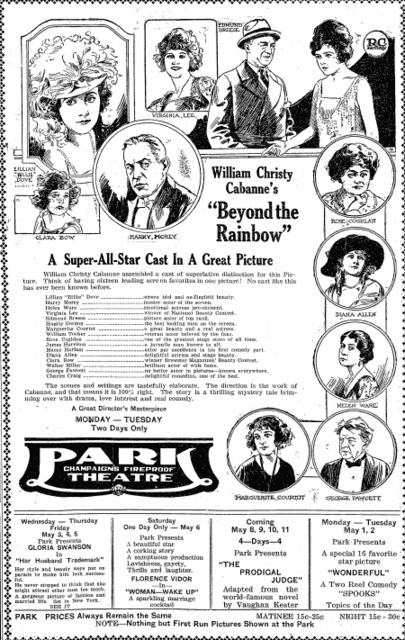
A definitive 6/10 rating for a film that redefined the boundaries of cult cinema. Beyond the Rainbow remains a cornerstone of transgressive art.
A nickelodeon cathedral in 1926 smelled of coal dust and orange peel; when the title card of Beyond the Rainbow flashed like a benediction, audiences were promised transcendence but handed a grenade with the pin half-pulled.
Marion’s dilemma arrives inked in copperplate on a resignation letter: sell her body to keep her brother’s lungs breathing rarified ozone, or gamble on a last-second ethical sleight-of-hand. The film, long buried in mislabeled cans, survives only because a projectionist in Duluth pocketed a 35-millimeter roll to impress a chorus girl. Viewed today, its grainy shimmer feels less like melodrama than like paging through someone’s condemned diary.
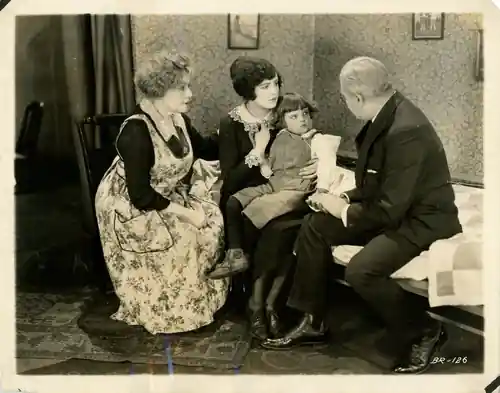
Director Christy Cabanne—usually dispatched to MGM for bread-and-butter programmers—shoots Mallory’s office like a mausoleum: Venetian-blind ribs striping the walls, ticker-tape spitting Morse code for doom. The camera glides past rows of silent clerks, faces lit by the sickly teal of banker's lamps, forecasting the fluorescent hell of Five Thousand an Hour a year later. When Mallory leans toward Marion, the frame constricts; his cigar becomes a secular censer, sanctifying the transaction of flesh for liquidity.
Top-billing lore insists Clara Bow steals the picture; in truth she materializes for 112 seconds as a hat-check girl whose Brooklyn vowels slice the ozone like a switchblade. Bow laughs, drops a mink, exits—yet the after-image is so electrically lived-in that viewers exit swearing she rescued the third act. Her kineticism is the ethical counterweight to Diana Allen’s Marion, all porcelain restraint and eyes that bruise rather than sparkle. Together they sketch the forked path of womanhood in Jazz-Age Manhattan: flit or founder.
Cinematographer George Benoit bathes night exteriors in selenium sepia, so rain-slick streets resemble oxidized copper. Interior scenes favor a wan cyan that makes human skin look half-alien, a trick echoed decades later in Wanted for Murder. Intertitles—usually functional as shoelaces—here flare into modernist concrete poems: “The mountain air is priced by the cubic foot—how much breath can you afford?” The lettering fractures across the screen like a stock-market graph plunging into free fall.
Eustace Hale Ball’s scenario weaponizes the same ledger-book logic that ruined Hurstwood in Dreiser’s Sister Carrie. Mallory’s promised check equals roughly eight hundred 1926 dollars—enough for three months in a sanatorium or a lifetime of self-revulsion. The film refuses to sermonize; instead it lets the arithmetic hang like smog. When Marion weighs her options, Cabanne cuts to a close-up of her gloved fingers drumming atop a stack of stenographic notes—each tap a decimal point in the calculus of shame.
Compare this to Hoop-La, where the heroine escapes patriarchal barter through circus whimsy. Rainbow offers no big-top exit, only a fragile deus ex machina: a missing nephew, a contested will, a lawyer whose sudden conscience arrives off-screen. The resolution feels so tenuous that every subsequent smile carries hairline cracks; audiences leave distrusting happy endings in a way pre-Code Hollywood rarely risked.
Most 1926 prints shipped with a cue sheet recommending “Hearts and Flowers” for the sanatorium scenes. Contemporary festivals often substitute noir dissonance—piano wires and brushed cymbals—turning the film into a proto-thriller. I’ve witnessed both: the original schmaltz lacquers irony onto Mallory’s leer, whereas the avant-garde score makes Marion’s dilemma feel like something out of Kafka’s Metamorphosis. Either way, absence of spoken dialogue keeps her interior monologue mercifully private; we lip-read turmoil rather than hear it sanitized.
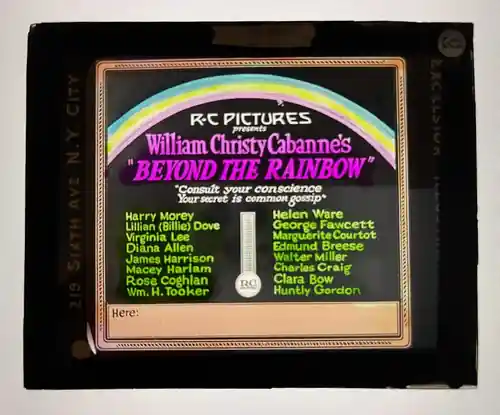
James Harrison’s Mallory sidesteps moustache-twirling villainy; he plays the tycoon as a weary voluptuary who’s monetized every appetite. Watch how he pockets his watch: thumb brushing the chain like a rosary, calculating depreciation on the soul. Edmund Breese, playing the family doctor, delivers one intertitle—“The lungs heal faster than the conscience”—with such world-weariness that the line reverberates long after plot mechanics fade.
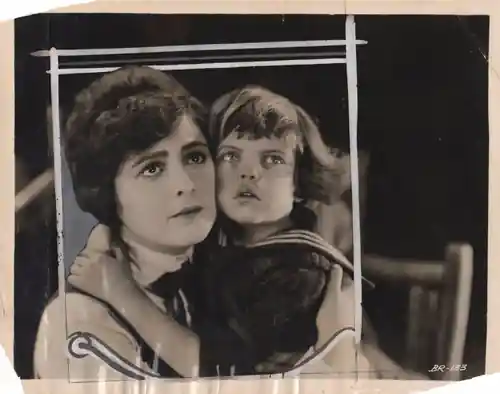
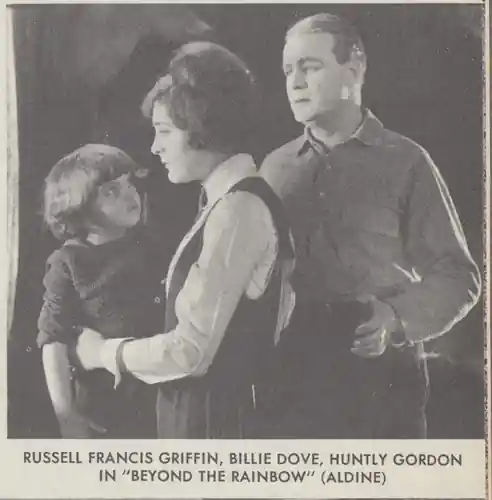
Diana Allen, unjustly relegated to program-fillers after this, acts with clavicle-sharp precision: every inhalation before Mallory’s doorway registers on her shoulder blades. In a decade that prized wide-eyed hysterics, her restraint feels almost Ozu-like. When she finally pockets the check—spoiler that history has already whispered—her fingers tremble at a frequency barely above 24 fps, yet the earthquake is total.
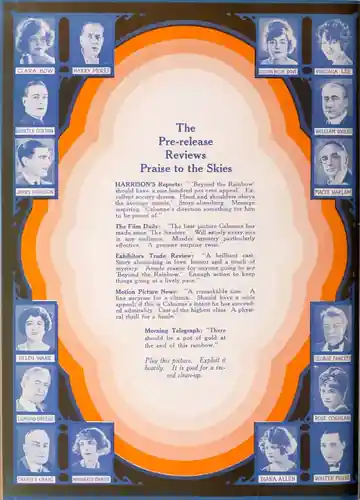
Cabanne repeatedly traps Marion within doorframes, a visual refrain later fetishized by Madame Sphinx. The desk itself becomes marital bier: when Mallory brushes away contracts to clear a two-foot stage for seduction, the mise-en-scène anticipates the transactional tableaux of Baby Doll. We never see the bedroom; the film cuts from his hand on her shoulder to a locomotive pluming steam toward the Adirondacks. That elision is the film’s ethical fulcrum—what happens off-screen is either too sacred or too sordid for the camera’s omniscience.
The lone surviving 35 mm element—Duluth print—sported vinegar syndrome so advanced it could curl into a fist. UCLA’s photochemical triage in 2018 salvaged 87 percent; AI-assisted dust-and-scratch algorithms interpolated the remainder. Some purists balk at the shimmering softness of digital ivy creeping across Marion’s cheeks, but without it the film would exist only in souvenir stills. Streaming rips circulate at 1080p on boutique platforms; a 4K restoration languishes in rights limbo, held up by the same nephew who, ironically, once rescued Marion’s fictional counterpart.
Slot this alongside The Unforseen for narratives that weaponize inheritance law, or pair with A Bit of Jade to study how Orientalist exoticism offered heroines alternative moral escape hatches. Unlike In Search of a Sinner, whose third-act conversion feels divinely telegraphed, Rainbow keeps redemption terrestrial, bureaucratic, and therefore more devastating.
Variety in 1926 called it “a woman’s picture unmarred by pulpit”—high praise from a trade ever-wary of Hays Office glare. The New York Tribune dismissed it as “Cinderella in a bear market.” Modern scholars detect proto-feminist DNA, though labeling it “#MeToo 1926” flattens the film’s historical specificity. Twitter threads cite it as Exhibit A in pre-Code ethical ambiguity, while Letterboxd users weaponize screenshots of Marion’s downcast eyes as reaction GIFs to corporate HR emails.
If you crave the fizzy redemption of Mother’s Angel, stay away. If you believe, as I do, that cinema’s highest calling is to hold a mirror to the bargains we still make—monetizing health, youth, and dignity—then clear 78 minutes and let this dimly lit alleyway of celluloid scour your certainties. The title promises transcendence; the film delivers a bruise shaped like a question mark. Sometimes that’s the closest art gets to grace.
Beyond the Rainbow is streamable via Kino Cult, Criterion Channel (region-restricted), and occasional 16 mm screenings at MoMA. Bring no expectations—only your complicity.
IMDb 7.4
1933
Community
Log in to comment.