DbcultAccessing Vault...
4.1/10
Senior Film Conservator
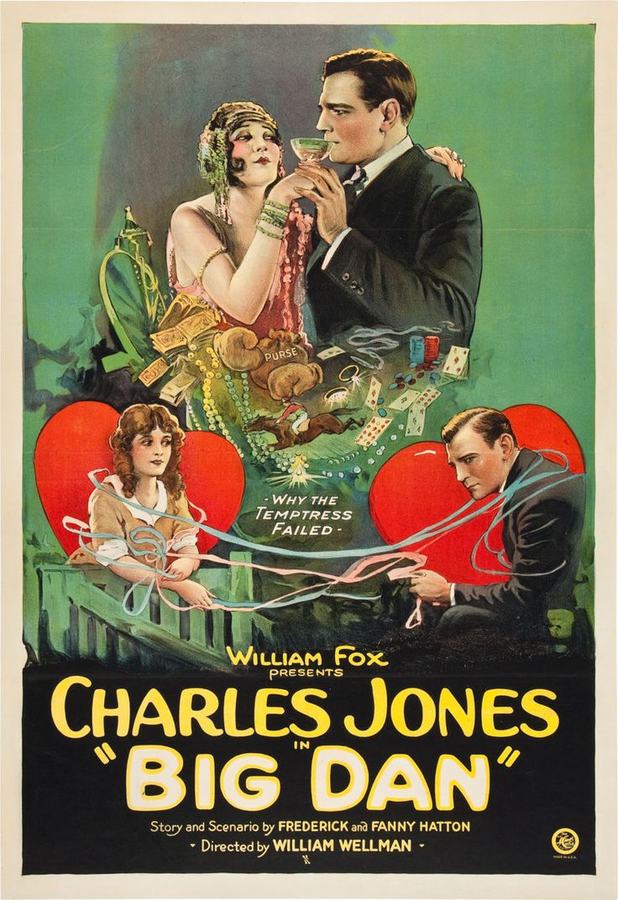
A definitive 4.1/10 rating for a film that redefined the boundaries of cult cinema. Big Dan remains a cornerstone of transgressive art.
The year 1923 stood as a peculiar crossroads for American cinema, a moment where the industry was shedding its primitive skin and embracing a more nuanced, psychologically driven syntax. Amidst this evolution, Big Dan emerged as a startling departure for its lead, Buck Jones. Known primarily for his equestrian exploits in the rugged landscapes of the Western genre, Jones here trades the saddle for the squared circle and the open range for the claustrophobic confines of a broken home. It is a transition that mirrors the national psyche of the time—a pivot from the outward expansion of the frontier to the inward repair of the soul.
The film opens with a sequence of homecoming that is stripped of the typical triumphalist fanfare associated with post-war narratives. Dan’s return is quiet, almost spectral. The discovery of his wife’s departure is handled with a restraint that highlights the Hattons' screenplay. Unlike the melodramatic excess found in Thoughtless Women, where female agency is often portrayed through a lens of moralistic condemnation, Big Dan treats the absence as a catalyst for a radical restructuring of the protagonist's identity. The domestic space, once a symbol of stability, becomes a tabula rasa upon which Dan must sketch a new purpose.
The decision to turn his home into a boys' camp is a stroke of narrative brilliance. It reframes the concept of the 'veteran' not as a broken relic, but as a repository of discipline. This thematic thread shares a certain DNA with Dangerous Days, which similarly grapples with the fallout of societal upheaval, yet Big Dan finds a more optimistic, albeit physically demanding, resolution. The camp is not merely a daycare; it is a crucible where the chaotic energy of youth is tempered by the rhythmic discipline of the pugilist.
The cinematography during the training sequences is remarkably advanced for its era. There is a tactile quality to the sweat and the leather, a visceral engagement with the body that predates the gritty realism of later boxing cinema. Boxing in Big Dan is elevated to a form of secular prayer. It is about the mastery of the self, the calibration of one's impulses, and the understanding that every blow received is a lesson in resilience. This focus on the redemptive power of the 'sweet science' offers a fascinating counterpoint to the more cynical depictions of vice found in The Root of Evil.
Buck Jones delivers a performance of surprising gravitas. His physicality is undeniable, but it is in the quiet moments of mentorship with the young charges—played with an unforced naturalism by an ensemble including Buck Black—that we see the true range of his talent. He isn't playing a hero; he's playing a man trying to remember how to be human. The chemistry between Jones and Marian Nixon provides the necessary emotional ballast, grounding the film's more kinetic moments in a palpable, burgeoning tenderness. Nixon, as the catalyst for Dan's re-entry into the world of romantic possibility, avoids the archetypal traps of the 'damsel,' instead offering a character of quiet strength and perceptive empathy.
One cannot overlook the contribution of Frederic and Fanny Hatton. Their script avoids the episodic nature that plagued many contemporary productions, such as Rough on Romeo. Instead, they weave a cohesive tapestry where the internal struggle of the protagonist is perfectly mirrored by the external challenges of managing a camp of rowdy boys. The dialogue (conveyed through intertitles) possesses a sharp, rhythmic quality that suggests a deep understanding of the social mores of the early 20s. They manage to balance the ruggedness of the boxing theme with a sophisticated social commentary that feels surprisingly modern.
In comparison to the lighthearted fluff of Mary Ellen Comes to Town, Big Dan carries a significant thematic weight. It asks difficult questions about what a man owes to himself when his primary reason for existence—his family—is stripped away. Does he retreat into the shadows, as seen in the darker undertones of Seven Deadly Sins, or does he forge a new family from the wreckage? Dan’s choice to mentor the youth is an act of defiance against despair.
The direction utilizes the space of the camp with an almost architectural precision. The gym becomes a stage where the drama of growth unfolds. The lighting, often harsh and direct during the boxing matches, softens considerably in the scenes involving Dan’s domestic life, creating a visual duality that mirrors his internal conflict. It’s a far more sophisticated use of lighting than one might find in the more straightforward Easy Money. There is a sense of place here; the camp feels lived-in, dusty, and vibrant with the chaotic energy of adolescence.
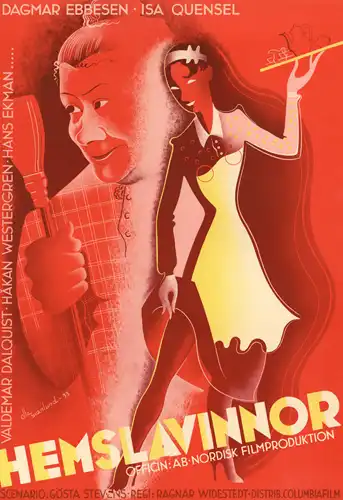
The supporting cast, featuring veterans like Lydia Yeamans Titus and the versatile Charles Coleman, provides a rich texture to the world. They aren't merely background noise; they represent the community that Dan is slowly rebuilding. Even the smaller roles, like those played by Jack Herrick and J.P. Lockney, contribute to a sense of a fully realized social ecosystem. This attention to detail is what separates a mere star vehicle from a genuine piece of cinematic art, much like the difference between a simple procedural and the atmospheric depth of Den mystiske tjener.
As the film hurtles toward its climax, the stakes transition from the personal to the communal. Dan is not just fighting for his own peace; he is fighting for the future of the boys in his care. The final boxing match is choreographed not as a display of violence, but as a test of character. It echoes the themes of legal and moral debt found in A Debtor to the Law, but resolves them through physical exertion and sportsmanship rather than the cold gavel of the court.
Ultimately, Big Dan is a film about the necessity of construction. When the war destroyed the world, and the peace destroyed his home, Dan O'Hara built something new. It is a proto-social-work narrative that recognizes the therapeutic value of community and physical discipline. While it lacks the whimsical charm of Storm P. tegner de Tree Små Mænd, it possesses a rugged sincerity that remains deeply moving a century later. It stands as a testament to Buck Jones' versatility and the Hattons' ability to find the pulse of a nation in transition.
The film’s conclusion, which I will not spoil for the uninitiated, offers a sense of closure that feels earned rather than gifted. It is a synthesis of the rough-and-tumble spirit of The Cowboy and the Lady with the domestic gravitas of a high-stakes drama. In the pantheon of silent cinema, Big Dan deserves a place of honor—not just as an early sports film, but as a sophisticated character study of a man who refused to let his scars define his future. It is a masterclass in cinematic stoicism, proving that sometimes, the only way to heal a broken heart is to put on the gloves and teach others how to stand their ground.
In the final analysis, the film transcends its 1923 origins. It speaks to the universal human condition: the struggle to find meaning in the aftermath of loss. Whether compared to the social explorations of The Unconventional Maida Greenwood or the atmospheric dread of Solen der dræbte, Big Dan holds its own as a work of profound empathy and structural integrity. It is a cinematic experience that reminds us that while we cannot control the blows life deals us, we can certainly control how we train for the next round.
The restoration of such films is vital, for in the flickering frames of Dan O'Hara’s boys' camp, we find the roots of the modern underdog story. It is the progenitor of the 'tough love' mentor trope, executed with a sincerity that modern cinema often struggles to replicate. If you seek a film that combines the physical dynamism of early action cinema with the soulful resonance of a mature drama, look no further than this Buck Jones gem. It is a knockout in every sense of the word, a piece of art that punches far above its weight class and leaves a lasting impression on the viewer's heart.
IMDb 6.8
1933
Community
Log in to comment.