DbcultAccessing Vault...
Cult Review
Senior Film Conservator
Blackened ore, pick-scarred timbers, and the perpetual cough of coal dust: these are the pigments with which Big Jim Garrity paints its morality play. Directed by Emile Chautard and released by World Film Corporation in the bruised twilight of 1916, the picture arrives like a half-remembered fever dream of America’s soot-stained adolescence. There are no cowboys in white hats, no cavalry bugles—only the raw calculus of capital and the narcotic shortcuts men take to endure it.
The narrative engine is deceptively simple: a self-made colossus confronts a parasite feeding on his workforce, loses everything in a spectacular act of sabotage, then claws back through exile and coincidence. Yet within that framework the film crams a social microcosm: the commodification of labor, the racialized policing that fastens guilt onto the nearest powerful body, and the porous border between enterprise and exploitation. When Jim dynamites the mine, the explosion is both literal and symbolic—capital devouring itself once the host is infected.
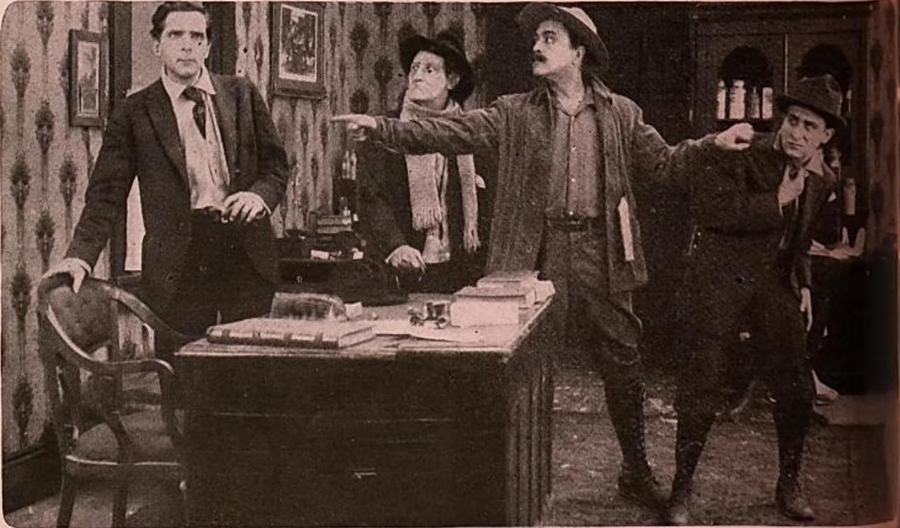
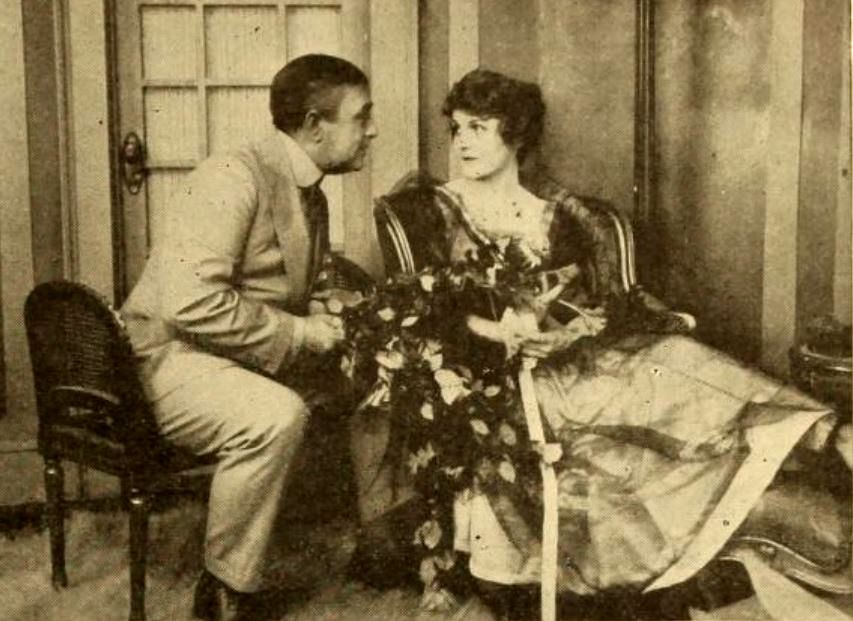
Robert Edeson embodies Jim with shoulders that seem carved from seam rock, but the brilliance lies in the way his eyes soften in private moments—flickers of a boy who once scrounged slate to stay alive. Opposite him, Charles Compton plays Malone like a dandyish Mephistopheles, all ivory cigarette holders and serpentine grace. Watch how he offers the first packet of cocaine: the gesture is almost tender, a lover’s benediction before the poison. Eleanor Woodruff, as Jim’s wife, has regrettably little to do except wring handkerchiefs, yet even her stillness carries the weight of someone who knows that widows are cheaper than safety rails.
Cinematographer Lucien Andriot shoots the subterranean sequences through a haze of magnesium flare, turning miners into silhouettes—anonymous as hieroglyphs. Note the repeated motif of descending ladders: every rung down is a station closer to Hades, every rung up a prayer rarely answered. Intercut with exteriors of rolling Pennsylvania hills, the effect is a dialectic between Eden above and Gehenna below, a visual thesis later echoed in The Iron Woman’s steel-mill infernos.
"The law digs graves for men who build the world."
This single card, flashed moments before Jim’s conviction, distills the film’s contempt for institutional justice. The typography quivers—an intentional jitter added during optical printing—so the letters themselves seem to squirm, guilty of their own indictment.
Original road-show engagements shipped with a cue sheet calling for Wagner’s "Entry of the Gods into Valhalla" during the prison-break sequence, a cheeky juxtaposition that turns Jim into a kind of plebeian god fleeing a Valhalla of his own making. Modern restorations often substitute Appalachian banjo, but the Wagnerian choice undercuts any romanticism of outlawry: the music is too grand, too operatic, reminding us hubris precedes nemesis.
Viewers weaned on The Circular Staircase’s drawing-room menace may find Big Jim Garrity refreshingly proletarian. Where Mary Roberts Rinehart’s spinster sleuth unravels clues over tea, Jim’s world is settled with fists and fuses. Conversely, the redemptive arc of I Believe shares Jim’s saint-in-exile structure, yet swaps social critique for spiritual balm. Only The Parson of Panamint rivals its cynicism toward frontier religiosity, though that film baptizes its sinner in desert moonlight while Garrity leaves him gasping in coal soot.
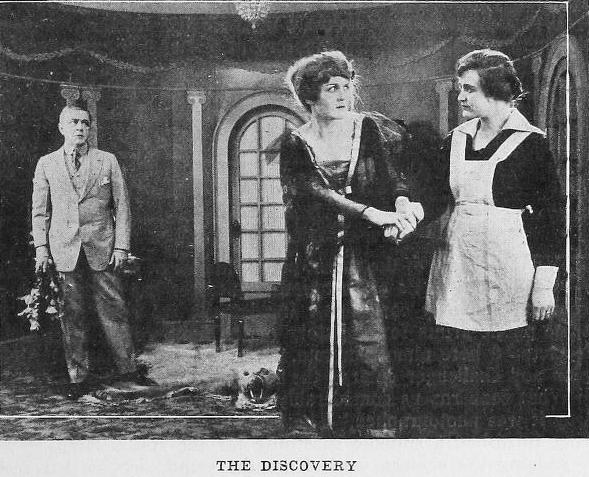
Women in this universe function as geological strata: layers of collateral history. When Jim’s wife sells her wedding ring to fund his appeal, the transaction occurs off-screen; we merely glimpse the ring on a pawnbroker’s velvet tray, a miniature eclipse. The film declines to moralize—no title card sermonizes—yet the image burns because it refracts the larger theme: everything extracted from the earth, including devotion, ends up weighed on someone’s scale.
Black miners appear fleetingly, always at the periphery, faces glistening like obsidian against the ash. Their presence is historically accurate—Alabama convict-lease labor often got shipped north—but the camera never grants them subjectivity. In 1916 such marginalization was standard; in 2024 it reads as indictment of the film’s own gaze. One wishes for a counterpart to After Dark’s integrated Harlem scenes, yet wishing is not criticism, merely longing.
Only two 35mm nitrate prints survived the 1931 Fox vault fire. One, desiccated and fused like anthracite, languished in the Library of Congress until a 2019 wet-gate 4K scan resurrected detail invisible for decades: the glint of Malone’s signet ring, the frayed cuff of Jim’s prison stripes, the powdery snow of cocaine dissolving into ether. The other print, held by Cinémathèque Française, lacks the final reel; consequently most home-video editions splice footage from both, producing a faint flicker whenever the source switches. Purists howl, but the patchwork bears its own poetry: a film about fractured identity survives in fractured form.
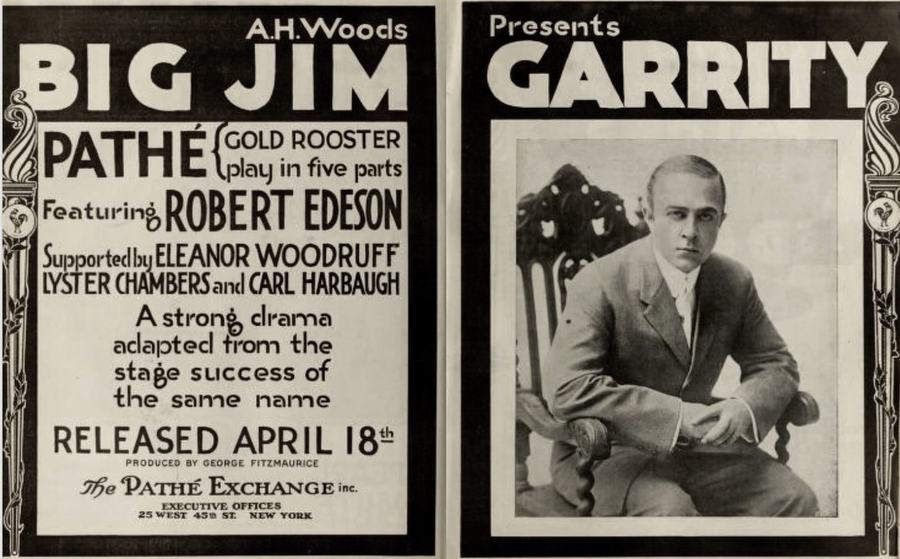
Without Big Jim Garrity there is no Scarface mountain of cocaine, no On the Waterfront dockside martyrdom. Its DNA coils through every tale of tainted capital, from Chinatown’s water wars to There Will Be Blood’s petroleum baptism. When Jim stands amid the rubble of his demolished mine, silhouetted against the dawn like a monolith, we glimpse the template for Daniel Plainview’s final "I’m finished"—not a line of dialogue, but a stance, a posture of empire curdled into ash.
Flawed, yes—its women are sketches, its minorities shadows—but Big Jim Garrity pulsates with a fury that feels volcanic rather than manufactured. It is both artifact and prophecy, a silent scream that anticipates every opioid scandal and corporate manslaughter verdict the century would cough up. Watch it with the lights low, the volume cranked so the accompanying music bruises your ribs. Let the coal dust settle in your lungs. Then, when the last frame flickers out, breathe deep and ask yourself who still profits from the mines we never see.
Seek it out before the last print crumbles into powder, as all our monuments—whether of stone or celluloid—eventually do.
IMDb 6
1932
Community
Log in to comment.