DbcultAccessing Vault...
7.3/10
Senior Film Conservator
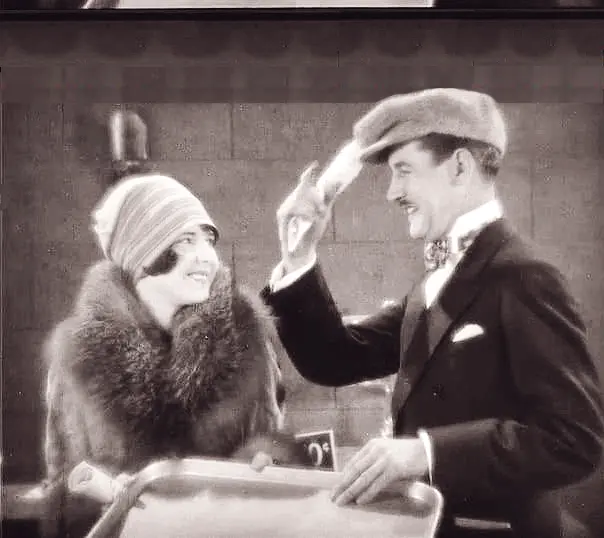
A definitive 7.3/10 rating for a film that redefined the boundaries of cult cinema. Bigger and Better Blondes remains a cornerstone of transgressive art.
Is 'Bigger and Better Blondes' worth watching today? Short answer: yes, but with significant caveats. This brief, charming silent film is a delightful curio for classic cinema enthusiasts and particularly those eager to witness the nascent career of Jean Arthur, yet it will likely prove too slight and dated for modern audiences unaccustomed to the rhythms of 1920s slapstick.
This film is ideally suited for silent film aficionados, film historians, and anyone with a keen interest in the early performances of Hollywood legends. It offers a fascinating glimpse into the nascent stages of comedic filmmaking. However, it is decidedly not for viewers seeking complex narratives, sophisticated humor, or high-stakes drama. Those accustomed to contemporary pacing and dialogue-driven plots will find its simplistic premise and visual storytelling style a challenging adjustment.
To cut straight to the chase, this is a film that demands a specific kind of appreciation. It’s a historical artifact as much as it is entertainment.
"Bigger and Better Blondes" is a fascinating artifact from a bygone era, a period when cinema was still finding its voice, literally and figuratively. Released in the mid-1920s, it sits comfortably within the golden age of silent comedy shorts, though it rarely reaches the dizzying heights of its more famous contemporaries like Charlie Chaplin’s or Buster Keaton’s work. Instead, it offers a more grounded, albeit less ambitious, slice of life.
The premise, as outlined, is classic farce: a well-meaning but ill-advised action leading to a cascade of misunderstandings. Charley Chase, as Charlie, embodies the hapless everyman, a trope that would define much of silent comedy. His character's desire to impress Jean Arthur's character is palpable, even in the absence of dialogue, conveyed through exaggerated gestures and wide-eyed desperation.
One might argue that the film's most striking quality is its sheer simplicity. There are no grand pronouncements, no complex subplots, just a straightforward comedic setup. This can be both its greatest strength and its most significant weakness. For those attuned to the nuances of silent storytelling, the visual cues and physical comedy are enough to carry the narrative. For others, it might feel like watching a well-intentioned but ultimately dated stage play.
It’s a peculiar experience to watch a silent film where the central conflict—a mistaken ring—could be resolved with a single, clear spoken sentence. This inherent limitation of the medium is, paradoxically, what gives these films their unique charm, forcing filmmakers to be inventive with visual gags and character reactions.
The ensemble cast, a mix of seasoned character actors and rising stars, brings a certain vivacity to the short. Charley Chase, a prolific comedian and director of the era, anchors the film as Charlie. His performance is a masterclass in the kind of physical comedy that was the bread and butter of silent shorts. We see his nervous energy manifest in his fidgeting hands as he eyes the ring, and his subsequent panic is communicated through frantic glances and exaggerated postures. Chase’s ability to convey a character's internal turmoil through purely external means is commendable, even if the situations he finds himself in are often simplistic.
However, the true standout, and arguably the film's most compelling reason for modern viewing, is the presence of a very young Jean Arthur. Even in this embryonic role, she hints at the steel and wit that would define her later, iconic performances in films like Mr. Smith Goes to Washington or You Can't Take It with You. Here, her character is initially portrayed with a casual elegance, a woman simply attending to her affairs. But the moment she realizes her ring is missing, Arthur's shift to righteous indignation is immediate and convincing. Her expressions, particularly her narrowed eyes and firm set of the jaw, convey a budding strength that elevates the otherwise light material.
It's a testament to Arthur's innate talent that she manages to imbue her character with more than just a surface-level reaction. She doesn’t just look angry; she looks personally offended, almost betrayed, by the perceived theft. This early performance, while brief, is a valuable piece of her cinematic journey, showcasing the raw talent that would soon blossom into one of Hollywood's most beloved leading ladies. Without her presence, the film might easily fade into obscurity, another forgotten silent short.
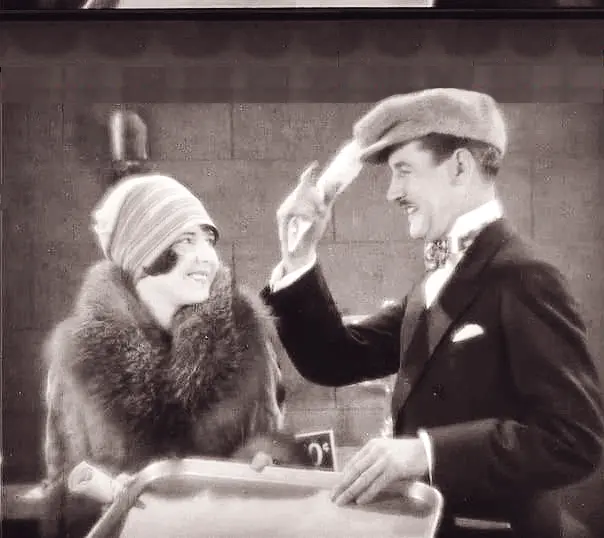
The supporting cast, including familiar faces like Jim Farley and May Wallace, capably fill their roles, providing the necessary reactions and obstacles for Charlie's predicament. Their contributions, while less prominent, are essential in building the comedic atmosphere of the jewelry store setting.
The direction, likely handled by Charley Chase himself given his prolific work behind the camera, is competent but unremarkable. The camera largely remains static, capturing the action from a medium distance, a common practice in short-form silent comedies. There are few, if any, adventurous camera movements or innovative shot compositions. The focus is squarely on the actors' physical comedy and expressive faces.
Pacing is where the film feels most dated. While silent shorts were designed for quick consumption, "Bigger and Better Blondes" occasionally drags its feet in setting up and resolving its central gag. The initial moments leading up to Charlie's fateful decision to try on the ring feel extended, and the subsequent confusion, while amusing, could have been tightened for greater comedic impact. This isn't to say it's excruciatingly slow, but it lacks the relentless momentum seen in, for example, some of Buster Keaton's chase sequences in Hands Up.
The narrative unfolds in a linear fashion, without much in the way of visual flair. The director relies heavily on the actors to convey the story, with intertitles used to clarify key plot points or dialogue. This straightforward approach, while functional, limits the film's ability to transcend its simple premise. It’s a film that fulfills its basic comedic obligations but doesn’t strive for much beyond that.
The cinematography in "Bigger and Better Blondes" is functional, typical of the era. The lighting is generally flat, aiming for clarity over mood. We get clear views of the jewelry store interior, which serves as the primary setting, and the various props, most importantly the coveted ring. There are no grand visual statements or complex special effects. It's a pragmatic approach to filmmaking, focused on ensuring the audience can follow the physical comedy.
The tone is undeniably lighthearted and farcical. There's never a sense of genuine peril or malice, even when Jean Arthur's character believes her ring has been stolen. The humor is derived from the absurdity of the situation and Charlie's escalating discomfort. It's a gentle comedy, designed to elicit chuckles rather than belly laughs. This genial tone is consistent throughout, making it an easy watch, if not a particularly memorable one.
One might argue that the film's most glaring flaw is its almost aggressive simplicity. It presents a single idea, plays it out, and resolves it without much complexity. While this is characteristic of many silent shorts, some manage to inject more character depth or inventive gags. Here, the charm largely rests on the shoulders of its leading players, particularly the burgeoning talent of Jean Arthur.
For the casual moviegoer, probably not. Its humor is dated. Its plot is thin. Its pacing can feel slow.
However, for film scholars, silent film enthusiasts, or devout fans of Jean Arthur, this short is absolutely worth seeking out. It offers a rare glimpse into a star's early career and the mechanics of 1920s slapstick. It's a historical document of a formative period in cinema. Consider it an educational experience as much as entertainment.
"Bigger and Better Blondes is a perfectly adequate silent comedy, but it truly shines only when you view it through the lens of cinematic history and the future stardom it foreshadows."
As with many films from this nascent period, "Bigger and Better Blondes" presents a mixed bag for contemporary audiences. Weighing its merits against its limitations is crucial for setting expectations.
"Bigger and Better Blondes" is a fascinating curio, a small piece of cinematic history that owes much of its enduring interest to the star it inadvertently launched. It works. But it’s flawed. While it won't revolutionize your understanding of comedy or leave an indelible mark on your psyche, it offers a pleasant, albeit fleeting, diversion for those willing to engage with the unique language of silent film. Its primary value lies not in its comedic genius, but in its ability to transport us back to a formative era of Hollywood, and to witness the very first sparks of a legendary career. Watch it for Arthur, for history, and for a gentle chuckle. Just don't expect a revelation.
IMDb —
1920
Community
Log in to comment.