DbcultAccessing Vault...
5.9/10
Senior Film Conservator
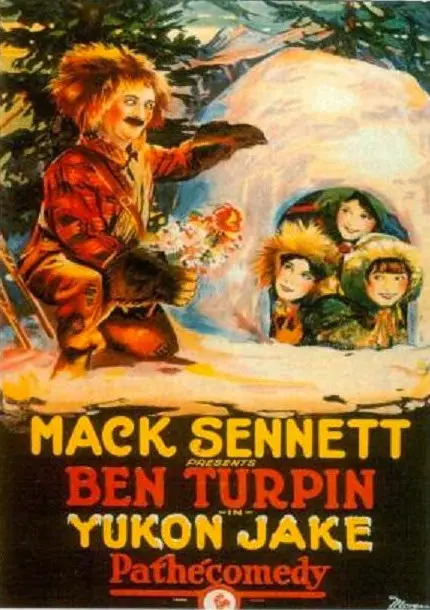
A definitive 5.9/10 rating for a film that redefined the boundaries of cult cinema. Yukon Jake remains a cornerstone of transgressive art.
In the annals of silent cinema, where shadows danced and laughter resonated without a single spoken word, Mack Sennett carved out a legendary niche. His Keystone Studios became synonymous with slapstick, absurdity, and a frenetic energy that captivated audiences worldwide. Among the many gems unearthed from that prolific era, 1924's 'Yukon Jake' stands as a testament to Sennett's enduring comedic vision, a riotous Western romp that perfectly encapsulates the charm and boisterous spirit of its time. It’s a film that, despite its age, still manages to elicit chuckles and admiration for its sheer audacity and the remarkable physical comedy on display.
The film plunges us headfirst into the idiosyncratic world of Mustang Gulch, a frontier town where the law, or rather, the illusion of it, is upheld by the inimitable Sheriff Cyclone Bill. Portrayed with an effortless blend of earnestness and physical comedic prowess by Andy Clyde, Bill is the archetypal small-town hero, a man whose reputation for keeping the peace precedes him. His mantra, "a gun in the hand is worth two on the hip," perfectly encapsulates the rough-and-tumble ethos of his domain. Clyde, a veteran of Sennett's stable, brings a nuanced performance to the role, balancing the character's inherent heroism with moments of delightful vulnerability and exaggerated physical reactions that were the hallmark of silent comedy.
Life in Mustang Gulch, under Cyclone Bill's watchful eye, is depicted as relatively serene, a quaint tableau punctuated by the usual frontier eccentricities. The town, with its dusty main street and rustic establishments, feels lived-in, a character in itself. Bill's personal life is equally idyllic; he's smitten with the mayor's daughter, a charming ingénue portrayed by Fanny Kelly. Their burgeoning romance adds a sweet, albeit conventional, layer to the narrative, providing the emotional stakes that will soon be dramatically elevated. The film establishes this tranquil setting with a series of visual gags and character introductions, allowing the audience to settle into the rhythm of the town before the inevitable disruption.
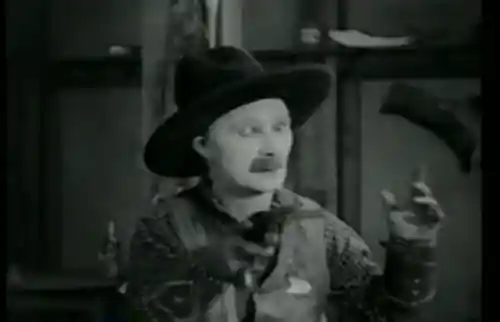
The creative triumvirate of John A. Waldron, Mack Sennett, and Jack Wagner crafted a narrative that, while simple in its premise, is rich in comedic potential. Their understanding of pacing and visual storytelling, essential for silent films, is evident throughout. They knew precisely when to build tension, when to unleash a barrage of sight gags, and when to allow the audience a moment to breathe before the next escalation. This meticulous construction is a hallmark of well-executed silent comedies, distinguishing them from mere collections of random antics.
The tranquility of Mustang Gulch, however, is not destined to last. Enter Yukon Jake, the eponymous villain, a force of nature embodied by the formidable Kalla Pasha. Pasha, known for his imposing physique and often playing strongman or villainous roles, brings a palpable sense of menace, yet one laced with comedic overtones, to the character. Jake isn't just a bad guy; he's a disruptive element, a grand orchestrator of mayhem, and his arrival with his equally boisterous gang signals an immediate paradigm shift in Mustang Gulch. The film masterfully transitions from lighthearted Western comedy to a full-blown chaotic spectacle, with Jake's gang tearing through the town like a whirlwind of destruction.
The ensuing chaos is pure Sennett. Buildings are battered, characters are tossed about like ragdolls, and the traditional rules of engagement are thrown out the window. This is where the physical comedy truly shines. The stunts, often performed by the actors themselves, are a marvel of timing and athletic prowess. The sheer physicality required to execute these sequences, especially in an era devoid of modern special effects, is astounding. It harks back to the raw, visceral excitement that made early cinema so captivating. The film doesn't just tell you there's trouble; it shows you, with every exaggerated fall, every comical chase, and every bewildered expression.
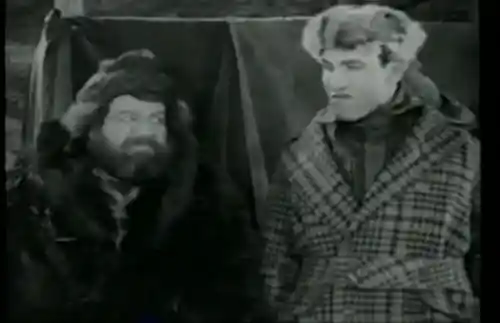
The stakes are ratcheted up considerably when Yukon Jake commits the ultimate transgression: he kidnaps Bill's beloved. This act transforms the narrative from a series of comical skirmishes into a desperate rescue mission. Cyclone Bill, hitherto the unflappable guardian of peace, now faces a personal crisis. The charming, almost aloof sheriff must now confront a challenge that seems to dwarf his usual exploits. The film cleverly uses this personal element to ground the escalating absurdity, giving the audience a reason to genuinely root for Bill amidst the laughter.
This moment of kidnapping is a common trope in Westerns, but in Sennett's hands, it's infused with a unique comedic energy. While the threat is real for the characters, the audience is always aware of the underlying comedic intent. It's a delicate balance, one that 'Yukon Jake' manages to strike with remarkable precision. The ensuing chase and confrontation sequences are a masterclass in silent film action-comedy, employing rapid cuts, exaggerated movements, and ingenious visual gags to maintain a relentless pace.
While Clyde and Pasha anchor the film, the supporting cast is equally instrumental in creating the vibrant world of 'Yukon Jake'. The film boasts a deep bench of talented performers, each contributing to the overall comedic tapestry. Icons like Ben Turpin, with his famously crossed eyes, makes a memorable appearance, his unique physiognomy a source of instant hilarity. Turpin’s presence is always a welcome addition to any Sennett production, his distinctive look and impeccable timing elevating even the smallest roles. His ability to convey complex emotions and comedic reactions without uttering a single word is a testament to his genius as a silent film actor. Other notable cast members include Leo Sulky, Hazel Williams, Thelma Hill, Gladys Tennyson, Natalie Kingston, Elsie Tarron, Roger Moore, Bud Ross, Tiny Ward, John J. Richardson, and Eli Stanton, each adding their distinct flavor to the bustling ensemble. Their collective energy and commitment to the physical demands of silent comedy are palpable, creating a cohesive and highly entertaining experience.
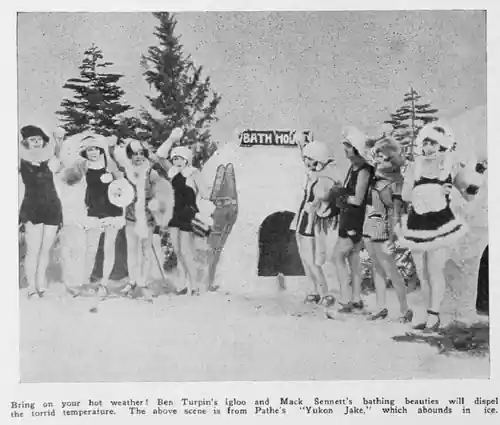
The collaborative spirit of Sennett's studio is evident in every frame. These actors were not just performers; they were often innovators, contributing ideas for gags and stunts, constantly pushing the boundaries of what was possible in visual comedy. This creative synergy is what gave Keystone films their distinctive, often chaotic, yet always engaging, quality. The interplay between the main characters and the various townsfolk and gang members creates a dynamic environment where anything feels possible, and often is.
'Yukon Jake' is a quintessential example of Mack Sennett's brand of slapstick. It's loud, it's exaggerated, and it's utterly relentless. The film utilizes classic comedic devices such as mistaken identity, improbable escapes, and a healthy dose of physical abuse, all executed with a wink and a nod. The humor often derives from the characters' resilience in the face of impossible odds, or their sheer ineptitude in moments of supposed prowess. The film revels in its own absurdity, inviting the audience to suspend disbelief and simply enjoy the ride.
The rapid-fire succession of gags, a hallmark of Sennett's direction, keeps the audience engaged. There's little time to ponder the logic of a situation when another absurd event is already unfolding. This relentless pace is a key component of silent comedy's appeal, especially in its early days when audiences were still developing their cinematic literacy. The visual language of slapstick transcends cultural barriers, making films like 'Yukon Jake' universally enjoyable. One might even draw parallels to the early works of Charlie Chaplin, such as those featured in The Essanay-Chaplin Revue of 1916, in terms of the intricate choreography and character-driven humor, though Sennett often leaned more towards pure physical chaos than Chaplin's more nuanced character studies.
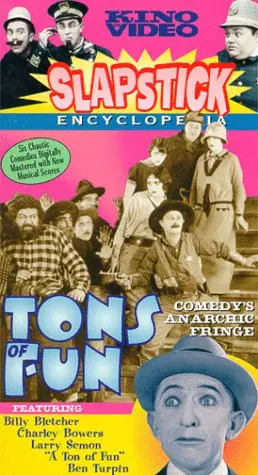
The Western genre, even in the silent era, was often characterized by its seriousness, its tales of rugged individualism, moral dilemmas, and epic landscapes. Films like Ruth of the Rockies, for instance, leaned into the dramatic and adventurous aspects of the frontier. 'Yukon Jake', however, brilliantly subverts these expectations by injecting the genre with a healthy dose of comedic anarchy. It takes the familiar tropes—the heroic sheriff, the dastardly villain, the damsel in distress, the dusty frontier town—and twists them into something uproariously funny. This playful deconstruction of genre conventions is part of what makes the film so enduringly entertaining.
The film's setting in the 'Yukon' implies a rugged, untamed wilderness, often associated with gold rushes and desperate struggles for survival. By placing a slapstick comedy within this context, Sennett and his team create a delightful juxtaposition. The inherent seriousness of the environment is constantly undermined by the characters' outrageous antics, leading to a unique brand of humor that is both respectful of and irreverent towards its genre roots. It's a reminder that even the most stoic genres can be ripe for comedic exploration.
From a technical standpoint, 'Yukon Jake' showcases the evolving craftsmanship of silent film production. The cinematography, while perhaps not groundbreaking, is effective in capturing the fast-paced action and the expressive faces of the actors. The editing is sharp, crucial for maintaining the rhythm of the gags and the momentum of the chases. The use of intertitles is sparse but effective, providing just enough narrative context without interrupting the visual flow. These elements, combined with the energetic performances, create a cinematic experience that is both coherent and exhilarating.
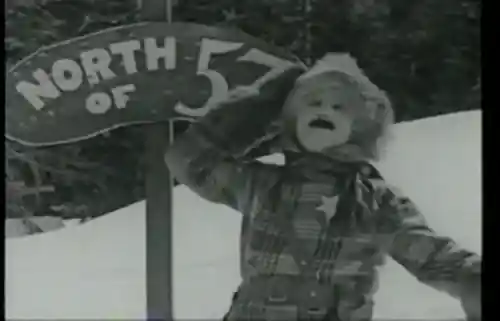
The film's legacy lies in its contribution to the vast tapestry of silent comedy. It exemplifies the creative freedom and innovative spirit that characterized the early decades of cinema. While perhaps not as widely known as some of Sennett's other productions or films featuring more prominent stars, 'Yukon Jake' remains a valuable piece of film history, offering insights into the comedic sensibilities of the 1920s. It reminds us of a time when laughter was a universal language, spoken through exaggerated gestures, physical prowess, and a boundless imagination.
In an era when films like The Witching Hour explored psychological drama and A Soul Enslaved delved into moral complexities, 'Yukon Jake' offered a much-needed dose of pure, unadulterated escapism. It was a film designed to entertain, to make audiences forget their troubles for a brief period, and in that, it succeeded spectacularly. Its influence, though perhaps subtle, can be seen in later comedic Westerns and even in the enduring appeal of physical comedy across various media.
Watching 'Yukon Jake' today is more than just an exercise in cinematic archaeology; it's a genuine pleasure. The film's energy is infectious, its humor timeless, and its performances a masterclass in silent screen acting. It serves as a vibrant reminder of Mack Sennett's genius and the enduring appeal of a well-crafted slapstick comedy. For anyone interested in the roots of cinematic humor, the evolution of the Western genre, or simply in enjoying a good, hearty laugh, 'Yukon Jake' is an absolute must-see. It's a gold nugget of early cinema, still shining brightly almost a century later, proving that sometimes, all you need is a gun in one hand and a healthy dose of absurdity in the other to win the day.
The film's ability to transcend its historical context and still resonate with modern audiences speaks volumes about the universal nature of its humor. It's not just a relic; it's a living, breathing piece of entertainment that continues to delight. The frantic chases, the exaggerated expressions, the sheer joy of physical comedy—all these elements combine to create a truly memorable experience. So, saddle up and take a trip back to Mustang Gulch; you won't regret encountering the wild and wonderful world of 'Yukon Jake'.
IMDb 6.8
1928
Community
Log in to comment.