DbcultAccessing Vault...
6.5/10
Senior Film Conservator
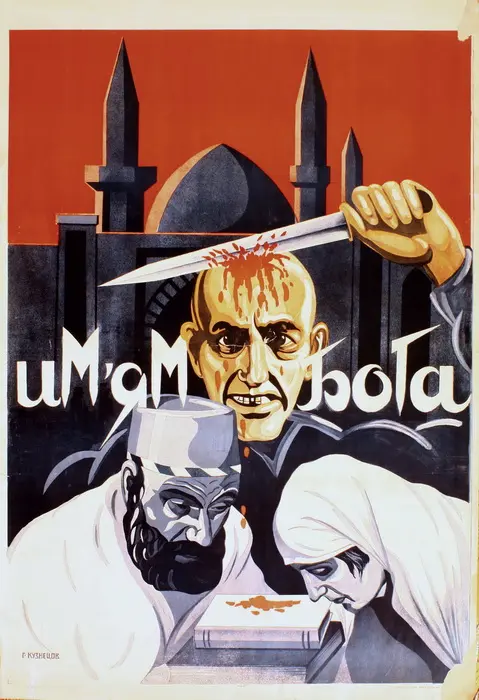
A definitive 6.5/10 rating for a film that redefined the boundaries of cult cinema. Bismillah remains a cornerstone of transgressive art.
In the Azerbaijani film 'Bismillah' (1930), an intriguing dynamic emerges, reflective of the region's cinematic evolution during the Soviet era. This domestically produced film, spearheaded by an Azeri director who would later gain prominence, diverged from earlier propaganda films by incorporating an almost entirely local cast and crew.
The narrative centers around a corrupt Molla, a holy man within Azeri Islam, who has been systematically cheating a local peasant, exploiting their trust and extracting various goods and services. His actions are marked by an unreligious, specifically un-Islamic, gleefulness, underscoring the film's critical stance on clerical abuse.
The arrival of the Bolsheviks and the subsequent Revolution empower the peasant, who then brings the Molla before the newly established 'People's Court'. This pivotal scene serves as a testament to the changing tides of power and the pursuit of justice in a post-revolutionary society.
The film boasts a notable cast, including Mirzaagha Aliyev, Aliya Teregulova, and Mohsun Sanani, whose performances bring depth to this politically charged narrative. The writers, Igor Savchenko, Arkadi Yalovoy, and Pavel Blyakhin, crafted a story that not only critiqued Islamic clergy but also highlighted the struggles of the common people under the old regime.
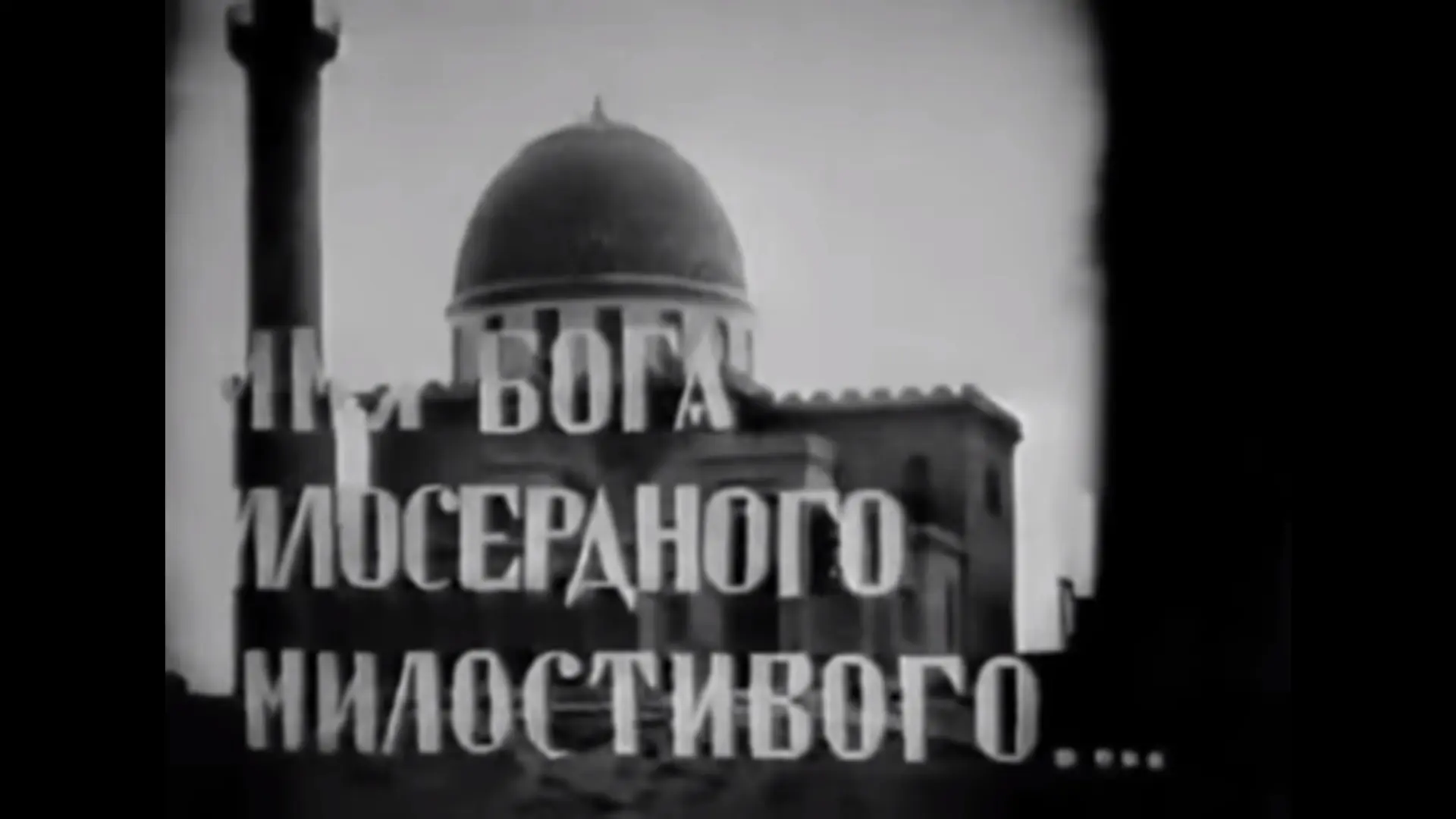
When contextualizing 'Bismillah' within the broader landscape of early Soviet cinema, it becomes clear that this film occupies a unique position. Unlike its contemporaries, such as Aura o las violetas or The Kiss, 'Bismillah' presents a distinctly localized perspective on the Revolution and its aftermath.
The film's exploration of themes such as exploitation, justice, and the role of religion in society resonates with other works of the era, including You Find It Everywhere and Der König ihres Herzens. However, 'Bismillah' distinguishes itself through its specific focus on the Azerbaijani experience and its utilization of local talent.
The cinematography and direction in 'Bismillah' demonstrate a keen awareness of the cultural and political context in which it was produced. The film's use of location shooting and its depiction of everyday life in Azerbaijan add to its authenticity and provide a glimpse into the lives of its people during this period.
In examining the film's impact, it is essential to consider the broader cultural and historical context. 'Bismillah' was released during a time of significant upheaval in the Soviet Union, as the Bolsheviks sought to consolidate power and impose their ideology on the newly formed Soviet states. The film's message of resistance to clerical abuse and its portrayal of the peasantry's struggle for justice resonated with the revolutionary ideals of the time.
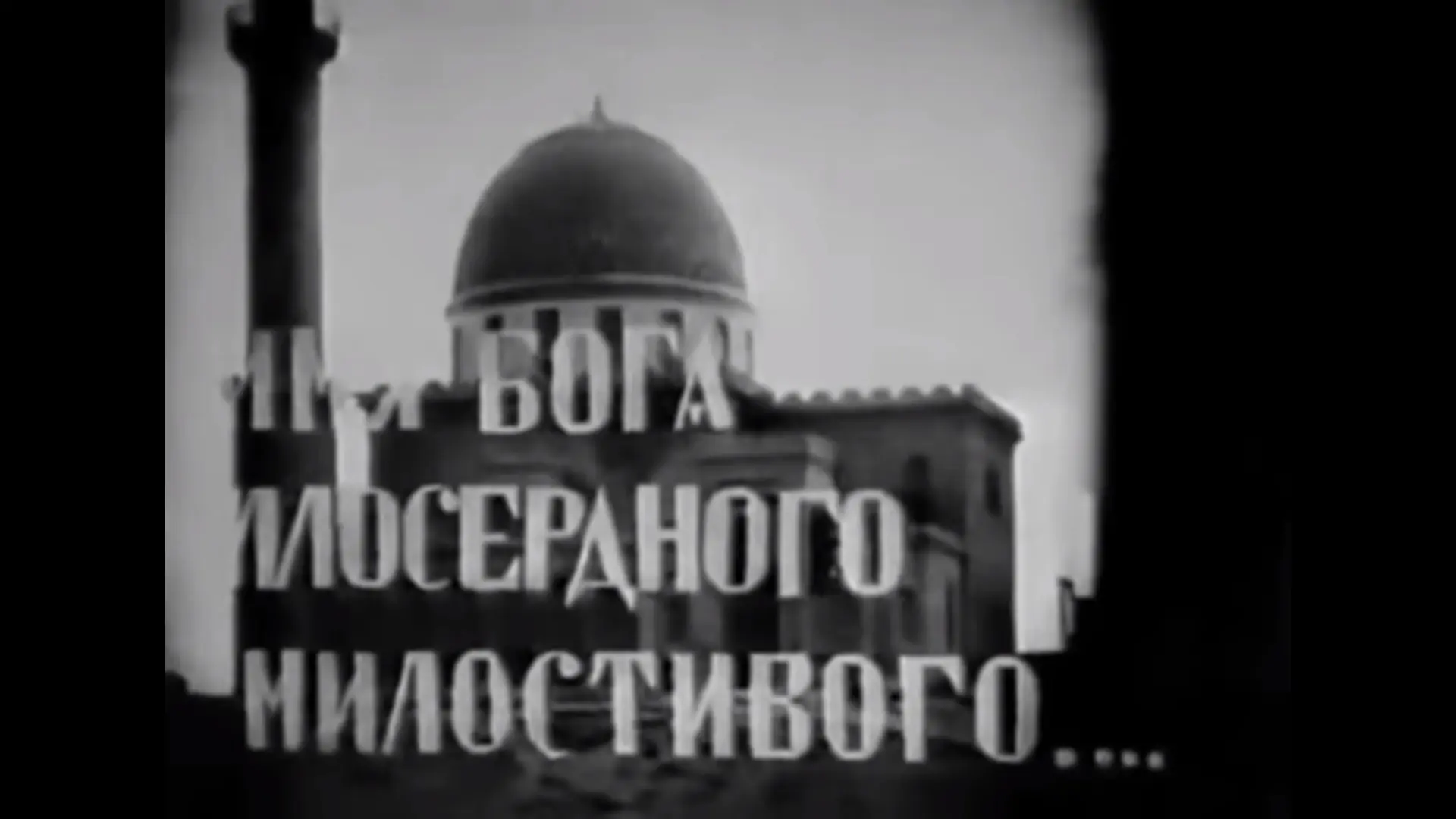
The film's legacy extends beyond its immediate cultural and historical context, offering insights into the complexities of Soviet propaganda cinema. 'Bismillah' exemplifies the ways in which cinema was used as a tool for social commentary and critique, as well as a means of promoting the ideals of the Revolution.
In conclusion, 'Bismillah' stands as a significant work in the history of Azerbaijani cinema and Soviet propaganda film. Its exploration of themes such as exploitation, justice, and the role of religion in society continues to resonate with audiences today, offering a unique perspective on the complexities of the early Soviet era.
When compared to other films of the era, such as A Man's Making or On with the Show, 'Bismillah' demonstrates a distinct approach to storytelling and social commentary. Its use of local talent and its focus on the Azerbaijani experience set it apart from other works of the time.
The film's influence can be seen in later works, such as Alsace and The Song of Songs, which also explore themes of social justice and the human condition. However, 'Bismillah' remains a unique and important work in the history of cinema, offering a glimpse into the complexities of the early Soviet era and the role of cinema in shaping public opinion.
The story of 'Bismillah' serves as a testament to the power of cinema to challenge societal norms and promote social change. As a pioneering work of Soviet propaganda cinema, it continues to offer insights into the complexities of the early Soviet era and the role of cinema in shaping public opinion.

IMDb —
1923
Community
Log in to comment.