DbcultAccessing Vault...
6.6/10
Senior Film Conservator
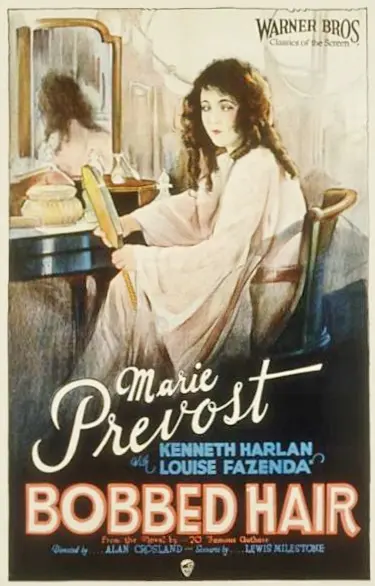
A definitive 6.6/10 rating for a film that redefined the boundaries of cult cinema. Bobbed Hair remains a cornerstone of transgressive art.
Directed by Lewis Milestone, 'Bobbed Hair' (1925) is a cinematic endeavor that traverses the complexities of love, rebellion, and self-discovery. This silent film, based on a screenplay by Alexander Woollcott, Louis Bromfield, Jack Wagner, presents a nuanced exploration of the human experience, set against the backdrop of the roaring twenties.
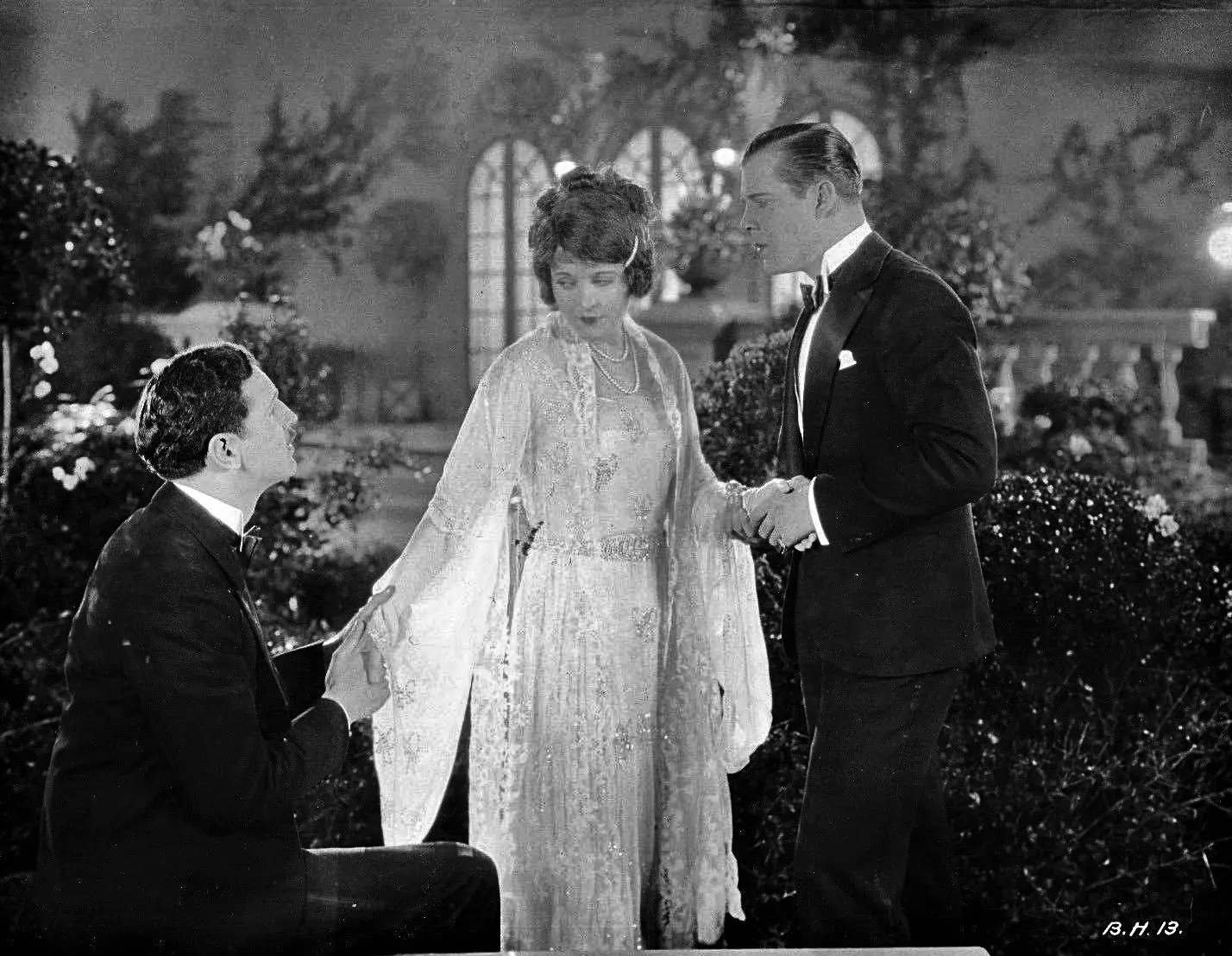
The narrative revolves around Connemara Moore, portrayed by Dolores Costello, an heiress to a substantial fortune. Her life is one of opulence, yet she finds herself at a crossroads, torn between two ardent suitors. The first, played by Reed Howes, advocates for a modern, bobbed hairstyle, while the second, portrayed by Kenneth Harlan, prefers her long, luxuriant locks. This romantic conundrum is further complicated by her wealthy aunt, who threatens to disinherit her should she opt for the bobbed hairstyle.
In a moment of desperation, Connemara flees her gilded cage and enters a motorcar driven by the enigmatic David Lacy, played by John Roche. This impulsive decision sets her on a trajectory of unbridled freedom, as she becomes embroiled in a world of bootleggers, raucous parties, fisticuffs, and romance. The film seamlessly weaves together themes of rebellion, love, and self-discovery, as Connemara navigates this uncharted territory.
The cinematography in 'Bobbed Hair' is noteworthy, with a blend of close-ups, medium shots, and sweeping landscapes that capture the essence of the film's narrative. The use of golden hour lighting imbues the film with a sense of warmth and optimism, underscoring Connemara's journey towards self-discovery.
The performances in 'Bobbed Hair' are equally impressive, with Dolores Costello delivering a nuanced portrayal of Connemara Moore. Her character's transformation from a sheltered heiress to a confident, independent woman is a testament to the film's exploration of female empowerment.
In comparison to other films of the era, 'Bobbed Hair' shares a similar tone and thematic resonance with One of the Finest (1925) and The Jail Bird (1925). However, 'Bobbed Hair' distinguishes itself through its unique blend of romance, rebellion, and self-discovery, making it a standout in the silent film canon.
The film's exploration of love, rebellion, and self-discovery is reminiscent of The Midnight Girl (1925) and The Delicious Little Devil (1925). Nevertheless, 'Bobbed Hair' offers a distinct perspective on these themes, one that is both captivating and thought-provoking.
In conclusion, 'Bobbed Hair' (1925) is a cinematic masterpiece that continues to captivate audiences with its nuanced exploration of love, rebellion, and self-discovery. With its impressive cinematography, nuanced performances, and thought-provoking narrative, this silent film is a must-see for cinephiles and historians alike. The film's sea blue tinted finale serves as a poignant reminder of the enduring power of cinema to transcend time and captivate audiences.
The technical aspects of the film, including its editing and sound design, are equally impressive. The dark orange hues used in the film's title sequence set the tone for the narrative, while the yellow tint used in the film's interiors adds a sense of warmth and coziness.
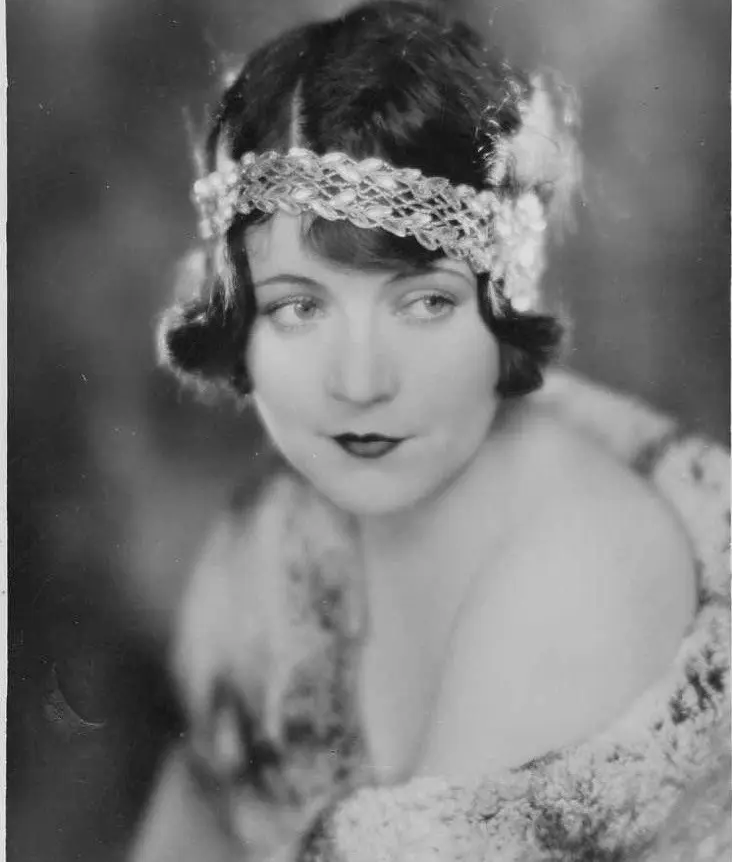
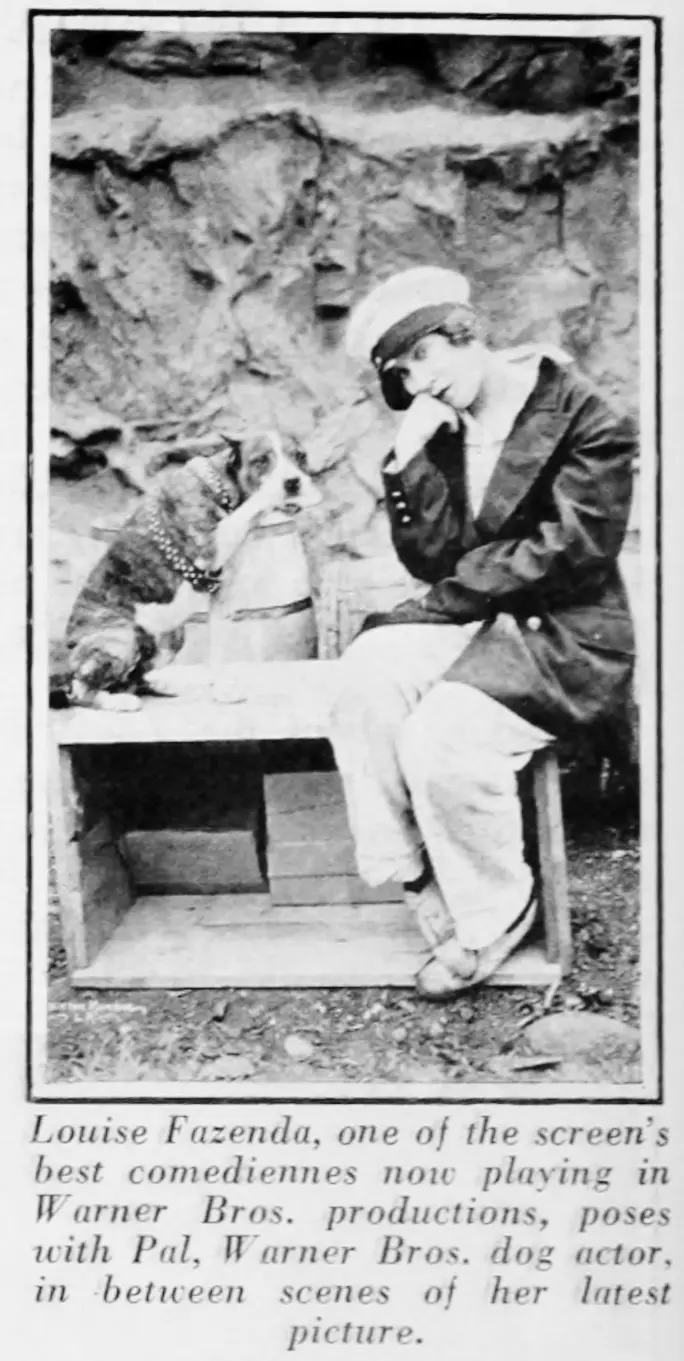
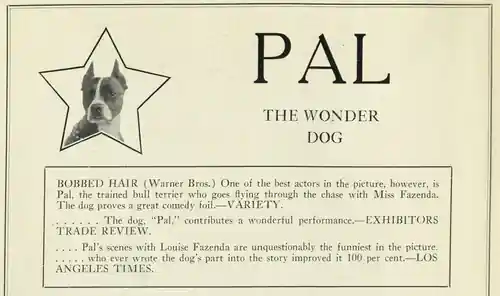
The film's cast, including Louise Fazenda, Emily Fitzroy, and Marie Prevost, deliver impressive performances that add depth and complexity to the narrative. The film's use of Pal the Dog as a supporting character adds a touch of humor and lightheartedness to the narrative.
In the context of the silent film era, 'Bobbed Hair' (1925) is a significant work that showcases the talents of its cast and crew. The film's exploration of themes such as love, rebellion, and self-discovery continues to resonate with audiences today, making it a timeless classic that is well worth watching.
IMDb 5.8
1918
Community
Log in to comment.