DbcultAccessing Vault...
5.7/10
Senior Film Conservator
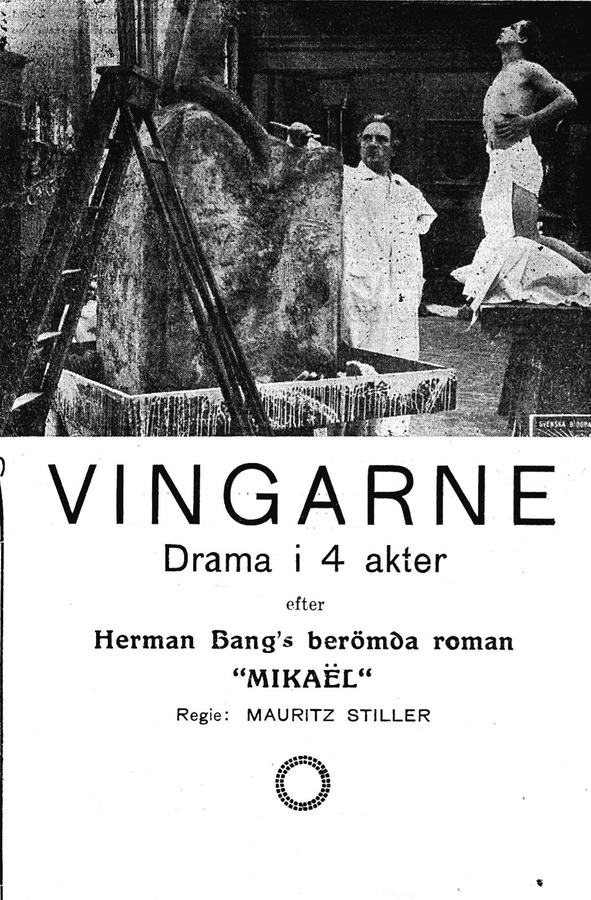
A definitive 5.7/10 rating for a film that redefined the boundaries of cult cinema. Vingarne remains a cornerstone of transgressive art.
Mauritz Stiller's 1916 cinematic marvel, Vingarne, or The Wings, stands as a haunting testament to the incandescent power and devastating fragility of human connection, particularly within the crucible of artistic creation. This early Swedish silent film, tragically existing today only in a partially restored form, nevertheless delivers a profound emotional resonance that transcends the passage of a century. It's not merely a narrative; it's a meticulously crafted psychological study, a visual poem that delves into the very soul of an artist and the tumultuous relationships that fuel – and ultimately consume – his genius. The film opens with a somber, almost elegiac scene: an auction of the late sculptor Claude Zorn's estate. This framing device immediately establishes a sense of loss, a foreboding atmosphere that colors the ensuing flashback, inviting us to bear witness to the tragic events that led to such a desolate end. It’s a masterful stroke of narrative economy, instantly imbuing the story with a melancholic weight that few films of its era dared to attempt.
At the heart of Vingarne lies the intricate, almost sacred bond between Zorn, portrayed with a captivating blend of gravitas and vulnerability by Egil Eide, and Mikaël, a vibrant young painter embodied with youthful exuberance and later, profound despair, by Lars Hanson. Zorn, a sculptor of considerable renown, finds himself in a creative drought, his spirit languishing until Mikaël enters his life. Mikaël becomes more than just a model for Zorn’s ambitious sculpture, 'Icarus'; he becomes a muse, a confidante, an emotional lodestar. Their relationship, while never explicitly defined in the overt terms of the era, pulsates with an intense, almost paternalistic affection from Zorn's side, and an admiring, perhaps even filial, devotion from Mikaël. It's a connection so profound that it borders on the symbiotic, each man drawing sustenance and inspiration from the other. Stiller, with a subtlety that belies the bombastic tendencies of some contemporary silent cinema, masterfully suggests the deep emotional and perhaps even romantic undertones of their attachment, a nuanced translation of Herman Bang's original novel Mikaël, which more overtly explored themes of queer love and artistic obsession.
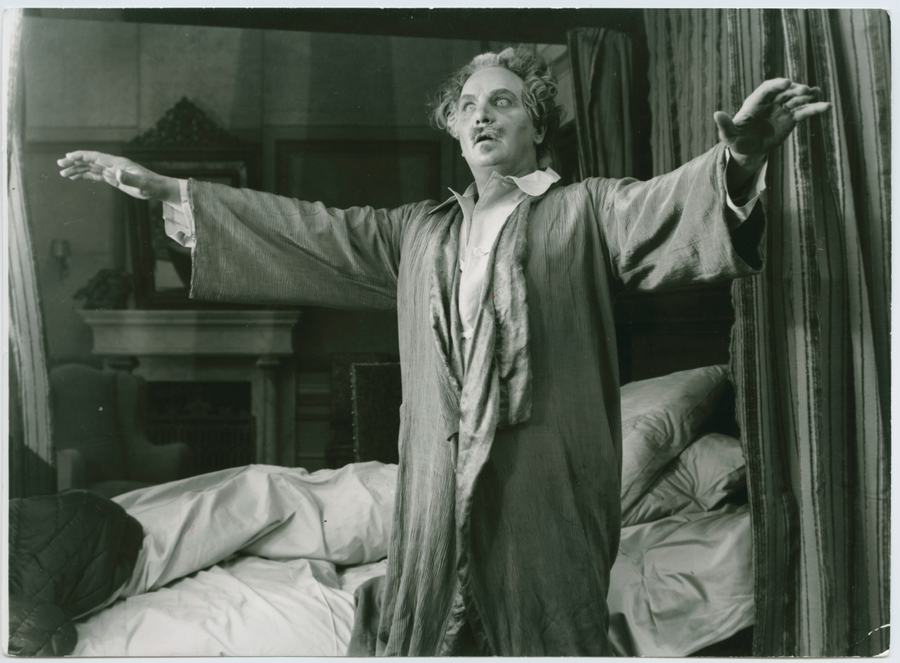
The sculptor’s studio, a veritable sanctuary of creativity, becomes the stage for this unfolding drama. Here, bathed in the dramatic interplay of light and shadow so expertly captured by cinematographer Julius Jaenzon, Zorn’s 'Icarus' begins to take shape. The sculpture is not merely a piece of art; it is a profound symbol of Zorn's aspirations, his ego, and his desperate need for a legacy. Mikaël, posing for the figure of Icarus, becomes an extension of Zorn's artistic will, a living embodiment of the myth of tragic ambition. The creation process itself is depicted with an almost spiritual reverence, suggesting that art, for Zorn, is a form of transcendence, a means of grappling with mortality and leaving an indelible mark upon the world. Eide’s portrayal of Zorn as a man deeply invested in his art, yet equally vulnerable to the vagaries of human emotion, is nothing short of extraordinary. He conveys Zorn’s internal struggle with a silent eloquence that resonates deeply, making the character’s eventual descent all the more heartbreaking.
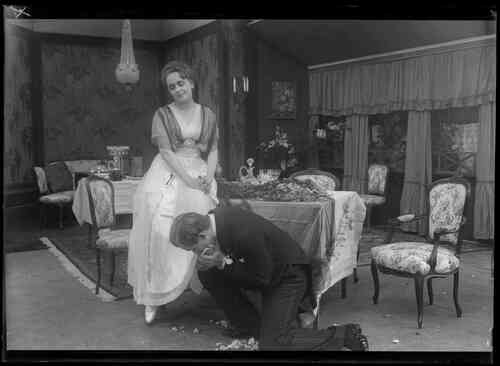
However, this idyllic, if intensely charged, artistic haven is destined for disruption. The catalyst arrives in the form of the Countess Diana, portrayed by Lili Beck with a captivating blend of allure and calculated detachment. Diana is the archetypal femme fatale, her beauty a siren call that promises ecstasy but delivers only devastation. She is drawn to Zorn’s fame and wealth, but her gaze quickly drifts to the younger, more impressionable Mikaël. This shift in her affections ignites a powder keg of emotions that had long simmered beneath the surface of Zorn’s carefully constructed world. Mikaël, perhaps flattered by the attention of a woman of such worldly sophistication, and perhaps seeking to assert his own independence from Zorn's powerful influence, succumbs to Diana's charms. This betrayal, perceived by Zorn not just as a romantic slight but as an artistic larceny – the theft of his muse, the shattering of his creative inspiration – precipitates a tragic unraveling.
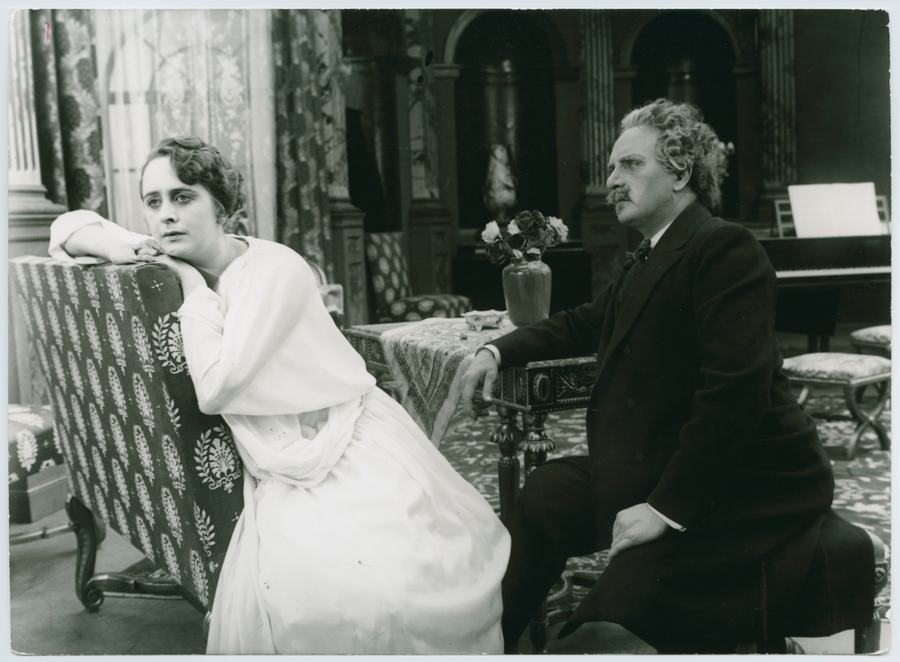
The ensuing melodrama is not simply a love triangle; it's a complex exploration of possessiveness, jealousy, and the destructive nature of unrequited affection. Zorn's love for Mikaël, initially expressed through artistic patronage and mentorship, morphs into a suffocating possessiveness. His anguish is palpable, rendered through Eide's expressive face and Stiller's judicious use of close-ups, allowing the audience to witness the raw torment etched onto the sculptor’s features. This internal struggle is a hallmark of early Swedish cinema, which often prioritized psychological realism over mere spectacle. One might draw parallels to the intense character studies found in films like The Devil, which similarly grappled with the dark corners of human desire and moral compromise, albeit in a more overtly supernatural context. Stiller, however, keeps Vingarne firmly rooted in human psychology, making its tragedy all the more relatable and devastating.
Mikaël, caught between the two powerful personalities, becomes increasingly conflicted. His youthful idealism gives way to a sense of guilt and disillusionment. Lars Hanson's performance here is particularly poignant, as he navigates Mikaël’s transformation from an eager protégé to a tormented figure grappling with the consequences of his choices. He is torn between loyalty to his mentor and the intoxicating pull of Diana, a woman who, in truth, cares little for him beyond her own capricious desires. The film subtly suggests that Diana's true motivation might be less about genuine affection for Mikaël and more about asserting her power, a cruel game played with human hearts. This manipulation by a central female character, leading to the downfall of men, echoes themes seen in other melodramas of the era, though Vingarne elevates it through its artistic context and the profound emotional depth of its male characters.
Mauritz Stiller's directorial prowess shines throughout Vingarne. His command of visual storytelling, even in this relatively early work, is remarkable. He employs deep focus, sophisticated composition, and a keen eye for atmospheric detail to create a world that feels both grand and intimately personal. The camera is not merely a passive observer; it is an active participant, guiding our gaze, drawing us into the characters’ inner lives. The use of the flashback structure, while not entirely novel for the period, is executed with a fluidity that was ahead of its time, allowing for a retrospective understanding of the tragedy as it unfolds. Stiller’s ability to extract such nuanced performances from his actors, particularly Eide and Hanson, speaks volumes about his skill as a director of human drama. Their silent gestures, their lingering gazes, and their subtle shifts in posture convey entire volumes of unspoken emotion, a testament to the power of pure cinematic expression.
Julius Jaenzon’s cinematography is equally vital to the film's enduring impact. His masterful use of chiaroscuro, the dramatic contrast between light and shadow, is not merely aesthetic; it is deeply symbolic. The studio, initially bathed in the warm glow of creativity, gradually becomes a place of encroaching darkness as Zorn’s despair deepens. Shadows cling to his figure, mirroring the gloom within his soul. Jaenzon’s compositions are often painterly, each frame meticulously arranged to convey meaning and emotion. This visual artistry elevates Vingarne beyond a simple narrative, transforming it into a work that speaks to the visual language of art itself, mirroring the sculptor’s own creations. The way light catches the unfinished 'Icarus' sculpture, for instance, evokes both the promise and the peril of artistic ambition, a constant visual reminder of the central metaphor.
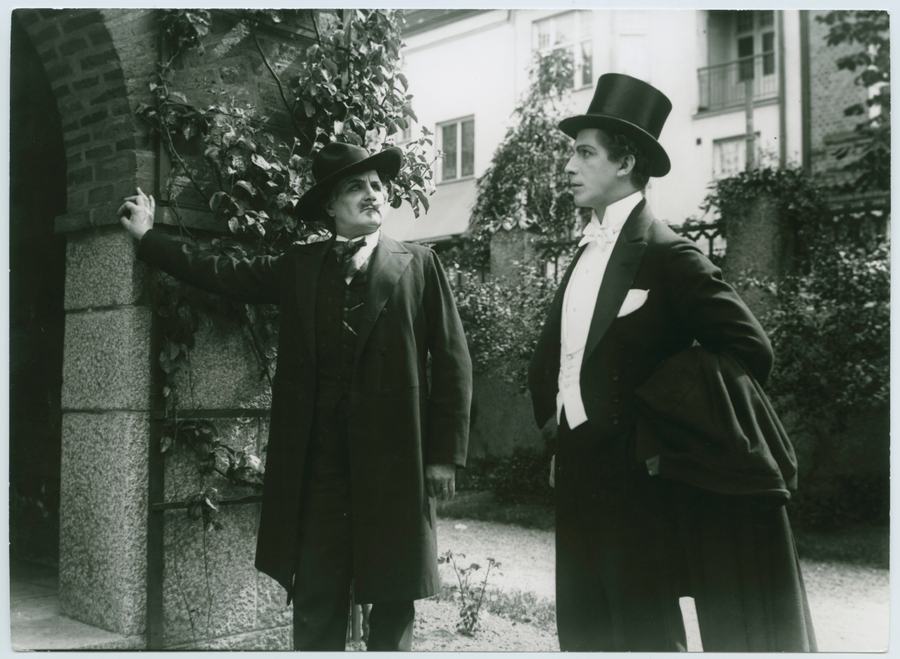
Vingarne occupies a significant, if often overlooked, place in the history of Swedish cinema. It predates the more internationally celebrated works of Stiller and Victor Sjöström from the late 1910s and early 1920s, yet it clearly demonstrates the burgeoning sophistication of Swedish filmmaking. The film's willingness to delve into complex psychological terrain and its visual elegance set a high bar for subsequent productions. Its influence, though difficult to quantify precisely due to its incomplete preservation, can be felt in the emphasis on character-driven narratives and atmospheric cinematography that would become hallmarks of the Swedish 'Golden Age' of silent film. The tragic irony of Vingarne being largely lost to time, much like the 'Icarus' figure it depicts, only adds to its mystique and poignant allure.
The film's exploration of the artist's suffering, the price of genius, and the destructive nature of human passion remains remarkably potent. Zorn's final, solitary moments, overwhelmed by the ruins of his personal and professional life, are heartbreaking. The 'Icarus' sculpture, once a symbol of soaring ambition, now stands as a monument to hubris and fall. Mikaël's journey, too, is one of profound disillusionment, having sacrificed a genuine, if complex, connection for a fleeting, superficial infatuation. The film does not offer easy answers or simple resolutions; instead, it plunges into the moral ambiguities of its characters, leaving the audience to ponder the intricate interplay of love, art, and betrayal.
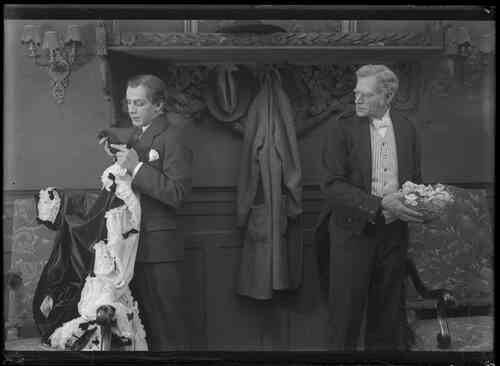
Comparisons to other silent era dramas tackling intense emotional landscapes are inevitable. While not directly similar in plot, the raw emotional honesty and exploration of destructive relationships in The Sin of a Woman or the moral dilemmas presented in films like Sold showcase the era's growing interest in psychological depth. However, Vingarne distinguishes itself through its specific focus on the artistic temperament and the unique dynamic between a mentor and his muse, elevating its melodrama to the realm of high art. It’s a film that asks profound questions about creation, ownership, and the boundaries of love, questions that resonate as powerfully today as they did over a century ago. The nuanced portrayal of Zorn's heartbreak, which transcends mere romantic jealousy to encompass a deeper sense of loss – of a son, a protégé, an inspiration – is what truly elevates this film.
Ultimately, Vingarne is a triumph of early cinematic artistry. Despite its fragmentary existence, the film’s narrative power, its visual splendor, and the unforgettable performances from its lead actors shine through, demanding recognition as a seminal work. It is a stark reminder that even in its nascent stages, cinema possessed the capacity for profound emotional storytelling and sophisticated psychological inquiry. Stiller, with the assistance of his brilliant cast and crew, crafted a timeless tragedy, a poignant meditation on the fragility of love and the enduring, often painful, legacy of artistic passion. It’s a film that lingers long after the final frame, a testament to the enduring power of silent storytelling and a melancholic echo of a lost masterwork. Its wings, though battered by time, still carry the weight of a monumental, heartbreaking vision.
IMDb —
1918
Community
Log in to comment.