DbcultAccessing Vault...
8/10
Senior Film Conservator
A definitive 8/10 rating for a film that redefined the boundaries of cult cinema. Bobby geht los remains a cornerstone of transgressive art.
Right, so, Bobby geht los. Is this one for you? Probably not if you’re looking for anything with a modern pace or big, dramatic twists. This is a very specific kind of watch, mostly for folks who really enjoy digging into early cinema, maybe silent film buffs, or anyone curious about how storytelling worked on screen a long time ago. If you need explosions or quick cuts, you’ll likely find it a real slog. But if you’ve got patience, there’s a quiet charm here. 😌
The acting, for starters, is very of its time. Annie Markart, she plays her part with these wonderfully exaggerated expressions. Her eyes can tell a whole story without a single line of dialogue, which is impressive. You can almost feel her trying to convey every single emotion, and sometimes it works beautifully, other times it’s just… a lot. Kurt von Ruffin, he’s got that classic leading man look, all about posture and a certain kind of earnest gaze. He does a lot with just a tilt of his head.
There are these moments, particularly early on, where Bobby just… walks. He walks down a street, then he walks through a field. The camera just watches him. It’s not fast. You’re left to wonder what he’s thinking, or what he’s even looking for. This kind of pacing, it really makes you settle in, or it makes you reach for your phone. There’s not much middle ground.
One scene that stuck with me involved a bustling town square. It’s full of extras, all moving with this slightly stiff, choreographed energy, but it still feels alive. Like they were really trying to capture the feeling of a busy day. Some of the reaction shots from the background characters are honestly more interesting than the main action sometimes. One woman, she just stares directly into the camera for a solid five seconds. 😳 You have to wonder if it was an accident or a choice.
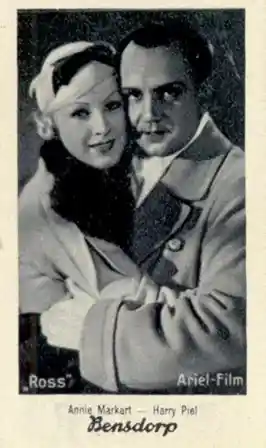
The whole thing feels a bit like a stage play sometimes, especially in the interior scenes. The lighting is often very flat, not a lot of depth. It makes everything feel a little bit less real, more like a set. But then, it’s not trying to be a modern film, is it? It’s a snapshot of how things were done.
Alfred Beierle, in a smaller role, has this one scene where he’s supposed to be looking worried, and his face holds that expression for what feels like an eternity. You start to think, did he forget to change his face? It’s a little awkward, then it loops back around to being quite endearing. It’s these little, imperfect things that make watching an old film like this actually quite fun.
The sound design, if you’re watching a version with a modern score, really makes a difference. Without it, some of those long silences, where Bobby is just contemplating something, could become really heavy. The right music helps carry those feelings.
Don't expect some grand philosophical statement here. Bobby geht los is more about the journey itself, a series of small observations. It doesn’t try to be too clever. It’s just Bobby, heading out, seeing what’s there. And sometimes, that’s enough. It’s got a certain innocent charm, a feeling of simpler times that can be quite refreshing.
IMDb 5.5
1931
Community
Log in to comment.