DbcultAccessing Vault...
Cult Review
Senior Film Conservator
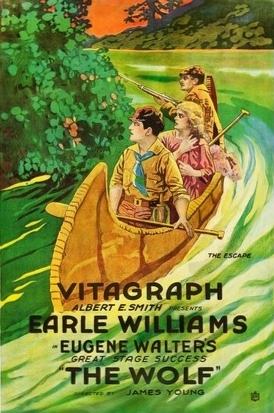
Step back in time, fellow cinephiles, to an era when stories unfolded not through spoken words, but through the eloquent dance of shadows and light across a silver screen. We're journeying to 1919, a year that saw the release of The Wolf, a film that, even a century later, retains a raw, untamed power. It’s a compelling piece of early American cinema, a narrative steeped in the harsh realities of the Canadian Northwest, where human passions clash violently with the unforgiving wilderness. More than just a simple melodrama, this film delves into themes of betrayal, primal justice, and the enduring strength of the human spirit when pushed to its absolute limits. It’s a testament to the storytelling prowess of its era, proving that a lack of synchronized sound did not equate to a lack of profound emotional impact.
The narrative thrust of The Wolf is, at its core, a tragic odyssey of consequence and retribution. It opens with the arrival of William MacDonald, portrayed with a sinister charm by Earle Williams, an American surveyor who embodies a certain brand of civilizing ambition, yet harbors a deeply uncivilized moral compass. His intrusion into a tranquil Ojibway village sets the stage for a classic conflict: the seductive allure of the 'outsider' against the established harmony of a native community. MacDonald's seduction of Annette, a half-breed woman, is not merely a romantic entanglement; it's an act of violation, a symbolic conquest that foreshadows the devastating ripple effects to come. Her vulnerability, intensified by the absence of her fiancé, Baptiste, and half-brother, Jules Beaubien (played with brooding intensity by Brinsley Shaw), leaves her tragically exposed to MacDonald's transient affections.
The film doesn't shy away from depicting the brutal consequences of MacDonald's actions. Annette’s abandonment, her subsequent realization of pregnancy, and her delirious wandering into the forest, culminating in her horrific death by wolves, serve as a visceral, gut-wrenching turning point. This is not just a plot device; it's a stark commentary on the fragility of life, the unforgiving nature of the frontier, and the devastating impact of casual cruelty. It elevates the story from a mere romantic drama to a potent tragedy, echoing the stark moral landscape seen in films like The Temptations of Satan, where human weakness and malevolence drive the narrative towards inevitable sorrow.
The return of Jules and Baptiste ignites the film's central engine: a relentless pursuit of vengeance. Jules, in particular, becomes the embodiment of frontier justice, a man driven by a profound, almost elemental need to right a heinous wrong. His character arc is compelling, transitioning from a protective brother to a determined avenger. This quest for retribution is interwoven with another deeply human drama: Jules's burgeoning love for Hilda, the daughter of Andrew MacTavish, a character painted with broad strokes of bitterness and resentment by George Nichols. MacTavish’s continuous beratement of Hilda, a consequence of his own past abandonment, adds another layer of familial dysfunction and emotional complexity to the narrative, reminiscent of the intricate domestic struggles sometimes glimpsed in early dramas like The Glory of Yolanda, though here imbued with a far darker hue.
MacDonald's reappearance, under the pretense of offering Hilda an education in Scotland, is a masterstroke of dramatic irony and villainous cunning. It's a classic cinematic trope where the antagonist returns, seemingly reformed, only to reveal his true, predatory intentions. Jules's discovery of MacDonald's identity, fueled by the latter's drunken boasts, is the spark that ignites the final, explosive confrontation. The ensuing fight, the desperate escape with Hilda, and the climactic duel in the rapids, where Jules ultimately slays MacDonald, bring the narrative to a satisfying, if brutal, close. It's a visceral depiction of justice served, albeit through violent means, underscoring the film's commitment to its frontier setting where law often yielded to personal vengeance.
In the realm of silent cinema, the power of a performance rests entirely on the actor's ability to convey emotion, intent, and character through physicality, facial expression, and subtle gesture. The Wolf boasts a cast that largely rises to this challenge, bringing a surprising depth to their roles.
Earle Williams, as the villainous William MacDonald, is a standout. He imbues MacDonald with a slick, almost charming malevolence that makes his betrayal all the more insidious. His portrayal is a masterclass in silent film villainy, showcasing how a character can be utterly despicable yet undeniably compelling. Williams doesn’t just play a bad guy; he crafts a character whose superficial appeal masks a truly rotten core, a common yet effective archetype explored in many early films dealing with moral ambiguity, such as Graft.
Brinsley Shaw’s Jules Beaubien is the film's moral compass and its engine of vengeance. Shaw portrays Jules with a quiet intensity, his grief and determination palpable even without dialogue. His transformation from a seemingly ordinary trapper to a relentless avenger is convincing, and he carries the emotional weight of Annette's tragedy with gravitas. His scenes with Jane Novak, who plays Hilda with a delicate blend of vulnerability and nascent strength, are particularly effective. Their connection, forged in adversity, feels genuine, providing a much-needed counterpoint to the surrounding darkness.
Jane Novak, as Hilda, delivers a performance that transcends the often-limited scope of silent film heroines. She is not merely a damsel in distress; she possesses an inner resilience that makes her character sympathetic and engaging. Her suffering at the hands of her father, Andrew MacTavish (George Nichols), is conveyed with a poignant subtlety. Nichols, for his part, captures the essence of a man consumed by bitterness, his harshness towards Hilda stemming from a deep-seated pain. While his character could easily devolve into a caricature, Nichols manages to hint at the underlying tragedy that shaped MacTavish's cruel demeanor, adding unexpected layers to what might otherwise be a one-dimensional role.
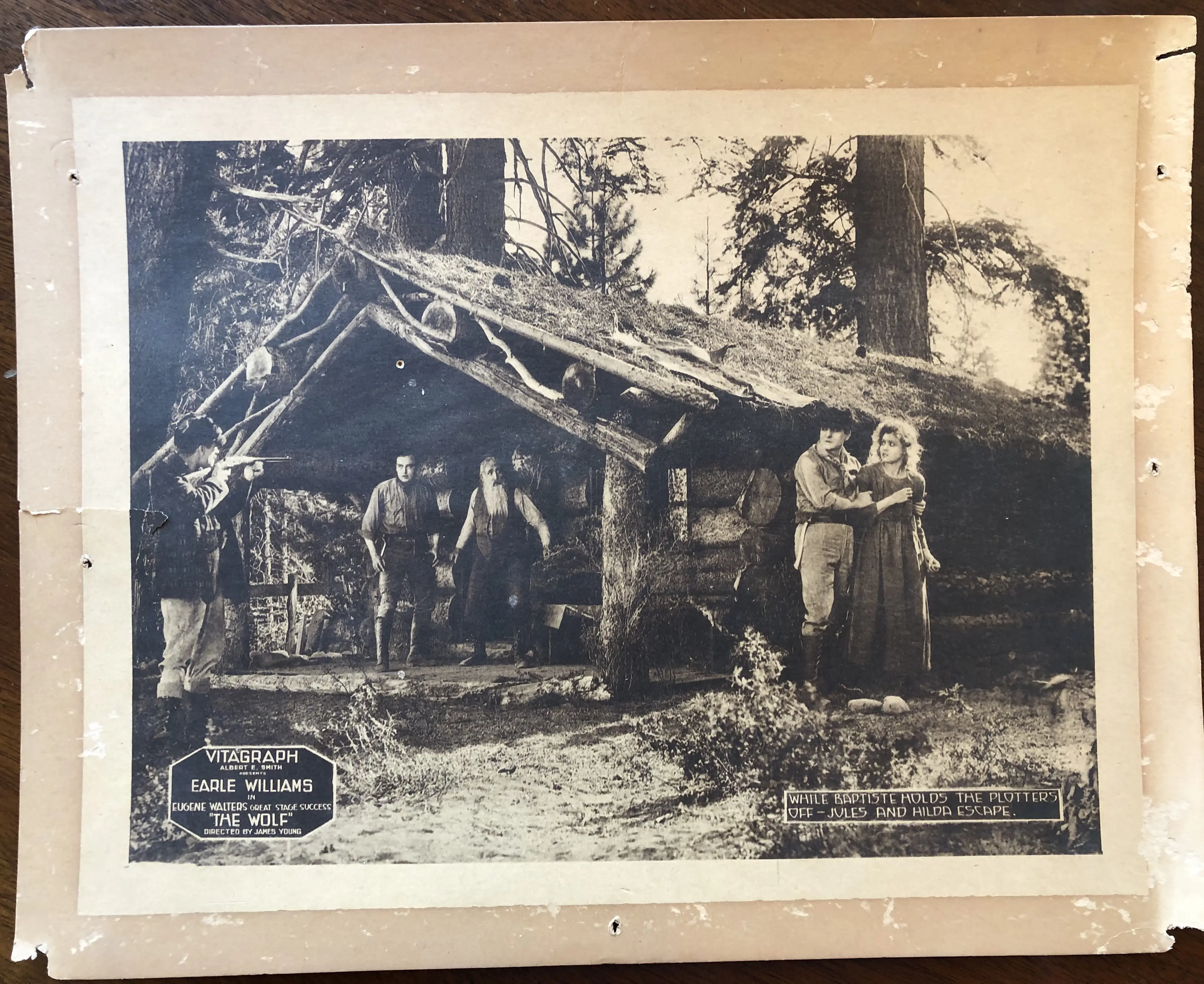
The supporting cast, including Billy Mason as Baptiste and Beulah Clark as the ill-fated Annette, contribute significantly to the film’s emotional landscape. Clark, though her screen time is tragically brief, makes Annette’s initial happiness and subsequent despair deeply felt, making her ultimate fate all the more impactful. Her performance lays the groundwork for the entire revenge plot, giving it a powerful emotional anchor that resonates throughout the film.
The direction by James Young, based on the writing of Paul Sloane and Eugene Walter, is remarkably effective for its time. Young demonstrates a keen understanding of how to build tension and convey narrative through visual storytelling. The choice of the Canadian Northwest as a setting is brilliant; the vast, untamed landscape becomes an almost tangible character, mirroring the wild passions and brutal realities of the human drama unfolding within it. The cinematography, while perhaps not as groundbreaking as some of the European works of the period like Das Wunder der Madonna, nevertheless captures the rugged beauty and inherent dangers of the environment with considerable skill.
The use of intertitles is judicious, providing necessary exposition and dialogue without bogging down the visual flow. This balance is crucial in silent film, and The Wolf generally strikes it well, allowing the actors’ expressions and actions to carry the bulk of the story. The pacing of the film is also noteworthy; it builds steadily, culminating in a series of action sequences—the fight in MacTavish's cabin, the canoe chase, and the final duel—that are surprisingly dynamic and engaging for a film of this vintage. These sequences are executed with a certain raw energy that prevents them from feeling dated, pulling the viewer into the visceral struggle for survival and vengeance.
One particular strength lies in the film's ability to evoke atmosphere. The isolation of the trappers' life, the menace of the wilderness, and the claustrophobia of human conflict are all conveyed with an impressive sense of realism. Even without the benefit of sound design, the viewer can almost feel the chill of the Canadian air, hear the rush of the rapids, and sense the lurking danger of the wolves. This immersive quality is a testament to the filmmakers' craft and their understanding of how to manipulate visual elements to create a powerful sensory experience. While not on the epic scale of something like Civilization, its focused intensity in a specific setting is equally impactful.
At its heart, The Wolf is a profound exploration of several enduring themes. The most dominant, of course, is vengeance. Jules’s pursuit of MacDonald is not just personal; it's a representation of a natural order being violently reasserted after a profound disruption. In the absence of formal law and order in the remote wilderness, justice often takes on a more brutal, individualistic form. This theme resonates with the raw, untamed spirit of the frontier, where self-reliance and the defense of one's own were paramount.
Another crucial theme is the clash between 'civilization' and the 'wild.' MacDonald, despite being an American surveyor, brings with him a corrupting influence that is far more savage than anything the wilderness itself can offer. His actions highlight the hypocrisy that often lies beneath the veneer of progress. The Ojibway community, initially depicted as peaceful, is disrupted by his arrival, suggesting that the true 'wolves' are sometimes found not in the forest, but among men. This dynamic is a fascinating counterpoint to many films of the era that often romanticized or demonized indigenous populations, instead focusing on the moral failings of the 'civilized' intruder.
The film also touches upon the complex dynamics of family and societal expectation. MacTavish's cruelty towards Hilda, born from his own past trauma, explores the ways in which personal pain can warp familial relationships. Hilda's yearning for escape and Jules's protective instinct towards her form a powerful emotional core, demonstrating how love and loyalty can offer solace and strength even in the most desolate circumstances. The stark contrast between the destructive 'love' of MacDonald and Annette, and the redemptive, protective love between Jules and Hilda, provides a nuanced look at human connection.
The wilderness itself acts as a powerful metaphor throughout the film. It is both a source of life and a bringer of death, a place of stunning beauty and terrifying danger. Annette's demise by wolves is a stark reminder of nature's indifference, while Jules's mastery of the environment, particularly during the canoe chase and final duel, underscores his connection to and understanding of this formidable landscape. It’s a backdrop that constantly reminds the viewer of the thin line between survival and oblivion, a sentiment often found in other frontier stories like Bull Arizona, where the environment plays a crucial role in shaping character destinies.
The Wolf (1919) is far more than a historical curiosity; it is a gripping and emotionally resonant piece of silent cinema that holds up surprisingly well a century after its release. Its narrative, though rooted in the tropes of its time, explores timeless themes of betrayal, justice, love, and survival with an intensity that transcends the lack of spoken dialogue. The performances are strong, particularly from Earle Williams as the charismatic villain and Brinsley Shaw as the stoic avenger. The direction is assured, using the vast Canadian landscape to great effect, creating an atmosphere that is both beautiful and menacing.
For those interested in the evolution of cinematic storytelling, or simply for anyone seeking a powerful drama, The Wolf offers a compelling experience. It reminds us that the fundamental elements of compelling narrative—strong characters, clear motivations, and high stakes—have always been the bedrock of great film, regardless of technological advancements. While it might not have the grand scale or intricate plotting of some later epics, its focused intensity and raw emotional power make it a truly memorable watch. It's a howl from the past, echoing with enduring human drama, and a fine example of what early filmmakers could achieve with limited resources but boundless creativity. A definite recommendation for enthusiasts of classic cinema and anyone who appreciates a story told with a fierce, untamed spirit.
IMDb 7.3
1928
Community
Log in to comment.