DbcultAccessing Vault...
7.2/10
Senior Film Conservator
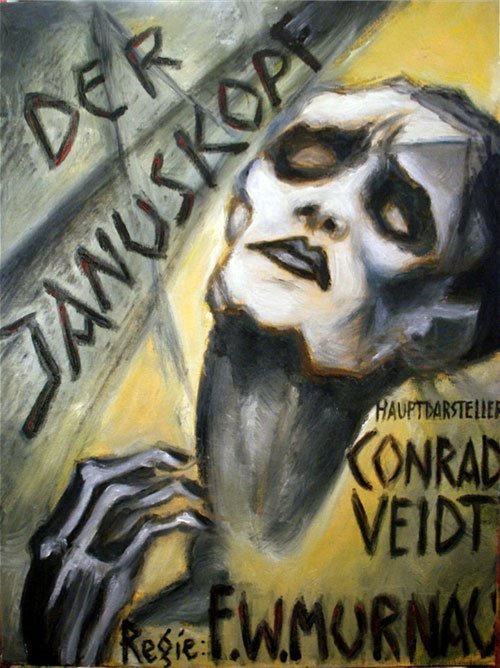
A definitive 7.2/10 rating for a film that redefined the boundaries of cult cinema. The Head of Janus remains a cornerstone of transgressive art.
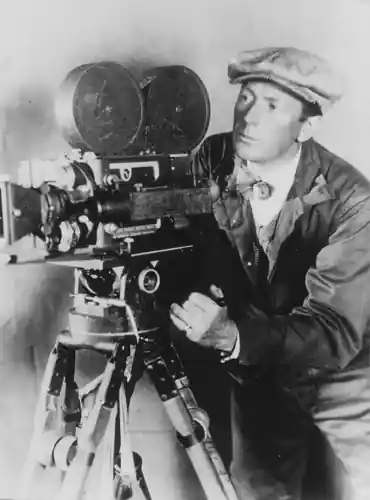
The opening frames of The Head of Janus glide through soot‑streaked streets, the camera lingering on gas‑lamp halos that flicker like dying thoughts. From the outset, the film establishes an atmosphere of perpetual twilight, a visual metaphor for the protagonist’s bifurcated existence. Conrad Veidt, whose angular features have long been synonymous with inner turmoil, embodies Dr. Warren with a restraint that borders on the clinical, yet each subtle twitch of his left eye betrays an undercurrent of menace.
Marga Reuter as Elise is a study in luminous contrast; her porcelain complexion is framed by a cascade of dark curls, and her eyes—always half‑closed—convey a knowing that seems to pierce the veil between reality and the subconscious. When she first encounters Janus in the dimly lit backroom of a speakeasy, the dialogue is delivered with a cadence that feels both lyrical and threatening, echoing the film’s thematic preoccupation with the spoken word as a weapon.
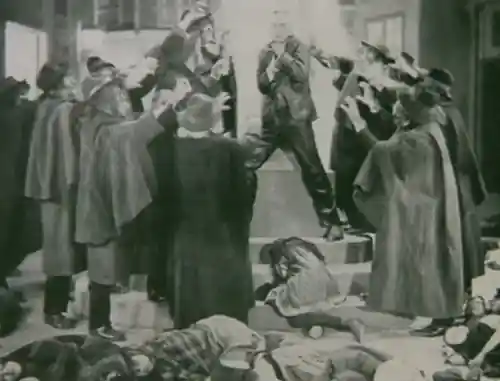
The screenplay, a collaborative effort between the gothic imagination of Robert Louis Stevenson and the expressionist sensibilities of Hans Janowitz, constructs a labyrinthine plot that mirrors the inner maze of its central character. Each murder scene is staged as a tableau vivant, reminiscent of the theatricality found in The Mystery of the Double Cross, yet the motives remain inscrutable, prompting viewers to interrogate the nature of culpability. Is the true antagonist an external force, or does the film merely externalize the fragmented psyche of Dr. Warren?
The duality embodied by the titular Janus is not merely a plot device; it is a philosophical inquiry into the Victorian era’s obsession with categorizing the human mind. The film juxtaposes the rationalism of a medical practitioner against the occult allure of a shadowy figure, a tension that recalls the thematic dichotomies explored in Vendetta. The audience is compelled to oscillate between empathy for Warren’s struggle and revulsion at Janus’s atrocities.
Bela Lugosi’s cameo, though brief, is a masterclass in atmospheric menace. His portrayal of an occultist named Morbius is punctuated by a sardonic grin that seems to suggest an awareness of the film’s meta‑narrative. The way Lugosi delivers his cryptic riddles—each phrase dripping with double meaning—creates a ripple effect that reverberates throughout the narrative, influencing both characters and viewers alike.
Conrad Veidt’s performance is layered with a chiaroscuro of emotion. In scenes where he dons the respectable attire of a London physician, his posture is impeccably upright, his voice measured. Yet, in the clandestine moments when Janus surfaces, his movements become erratic, his speech laced with a guttural intensity that hints at suppressed rage. This oscillation is captured brilliantly by the cinematographer, whose use of stark shadows and high‑contrast lighting evokes the expressionist tradition of German silent cinema.
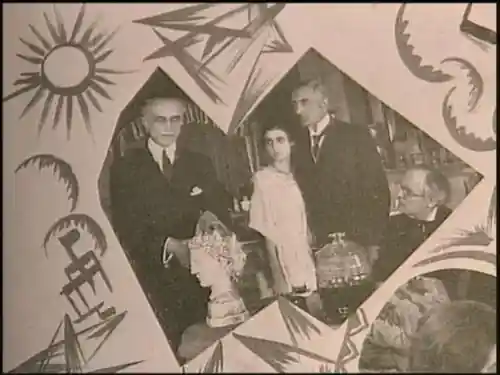
The visual palette is dominated by monochrome textures, but the director injects splashes of color through set design—most notably the recurring motif of a crimson‑tinted mirror that reflects both faces of Janus. The use of the sea‑blue hue #0E7490 in the film’s opening title cards provides a fleeting glimpse of hope before the darkness settles. The director’s choice to frame characters through cracked glass or barred windows amplifies the sense of entrapment, a technique reminiscent of the claustrophobic ambience in Hell's Hinges.
The climactic sequence, set within the decaying corridors of an abandoned asylum, employs a series of long takes that linger on the protagonist’s trembling hands. The camera tracks his descent down a spiral staircase, the walls adorned with peeling wallpaper that bears the faint imprint of the two‑faced mask—Janus’s emblem. This visual metaphor is reinforced by a recurring auditory motif: the ticking of an unseen clock, underscoring the inexorable march toward self‑destruction.

Although a silent film, the accompanying score—performed live in contemporary screenings—interweaves a haunting violin motif with low, resonant brass that swells during moments of revelation. The music’s tonal shifts from plaintive to dissonant mirror the narrative’s oscillation between empathy and horror. The occasional use of diegetic sounds, such as the clatter of carriage wheels or the distant toll of Big Ben, grounds the fantastical elements in a recognizably London setting.
When positioned alongside other period pieces like Little Pal or the more melodramatic The House of Mirth, The Head of Janus distinguishes itself through its relentless interrogation of identity. While Little Pal leans into sentimentalism, and The House of Mirth critiques social stratification, Janus delves into the psyche, making it a precursor to later psychological thrillers.
The film’s exploration of duality resonates profoundly in an era preoccupied with the fragmentation of self in digital spaces. The notion that a single individual can embody both healer and predator anticipates contemporary discussions surrounding mental health, the masks we wear, and the shadow selves we conceal. The director’s decision to leave the final revelation ambiguous—whether Janus was a distinct entity or a manifestation of Warren’s repressed impulses—invites endless scholarly debate, a hallmark of enduring cinema.
Moreover, the film’s subtle commentary on the limits of scientific rationalism—embodied by Dr. Warren’s reliance on empirical methods—mirrors today’s tension between evidence‑based practice and the allure of pseudoscience. The occultist Morbius, portrayed by Lugosi, serves as a foil to Warren’s skepticism, suggesting that knowledge, no matter how advanced, is always vulnerable to the unknown.
The production design excels in recreating a London that feels both historically authentic and symbolically distorted. Fog machines, cobblestone streets, and wrought‑iron lampposts create a tactile environment that immerses the viewer. Costumes, particularly the double‑faced mask worn by Janus, are crafted from lacquered leather, its reflective surface catching the intermittent light in a way that suggests both allure and menace.
Elise’s wardrobe transitions from soft, pastel gowns to darker, more austere attire as her relationship with Warren deepens, visually charting her journey from innocence to complicity. This sartorial evolution is reminiscent of the color symbolism employed in Robin Hood, where costume serves as narrative shorthand.
Although not as commercially celebrated as its contemporaries, The Head of Janus has cultivated a cult following among cinephiles who appreciate its psychological depth and visual daring. Its influence can be traced to later works that grapple with split personalities, such as Dr. Jekyll and Mr. Hyde adaptations and modern psychological thrillers. The film’s daring use of ambiguous storytelling paved the way for directors who favor open‑ended narratives, encouraging audiences to become active participants in meaning‑making.
The film also contributed to the rise of actors like Bela Lugosi, whose enigmatic presence would later define horror cinema. His brief yet potent performance here foreshadows the iconic Dracula that would cement his legacy.
In sum, The Head of Janus stands as a masterful exploration of the human condition, rendered through a sophisticated interplay of performance, visual design, and thematic nuance. Its deliberate pacing rewards patient viewers, while its intricate symbolism invites repeated viewings. The film’s capacity to evoke both dread and introspection, all while maintaining an aesthetic elegance anchored by a palette of dark orange, yellow, and sea blue, ensures its place as a timeless artifact of cinematic art.
IMDb 5
1932
Community
Log in to comment.