DbcultAccessing Vault...
Cult Review
Senior Film Conservator
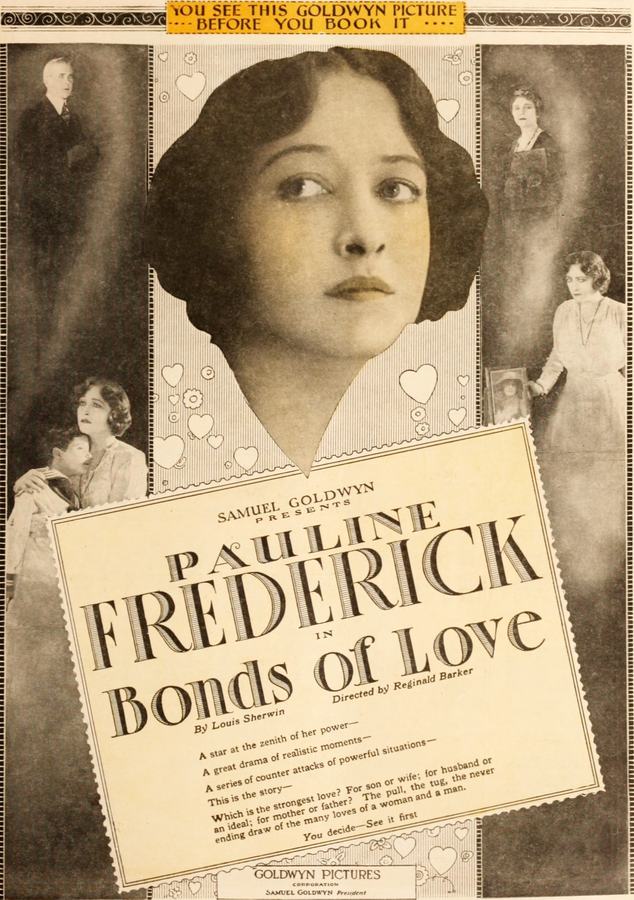
When Percy Standing steps onto the screen as the tormented widower, his performance is a study in restrained anguish. The camera lingers on his gaunt visage, capturing the subtle tremor of a man whose heart is still echoing the funeral dirge of his beloved. The film’s opening sequence, bathed in chiaroscuro, mirrors the internal darkness that pervades the estate. This visual motif is echoed throughout the narrative, reinforcing the thematic preoccupation with shadows—both literal and metaphorical.
Pauline Frederick’s governess is not merely a plot device; she is a conduit for transformation. Her entrance is marked by a delicate piano motif, a soundscape that contrasts sharply with the house’s oppressive silence. Frederick imbues the role with a quiet fortitude that gradually chips away at the family's entrenched hostility. Her interactions with the child, portrayed by Frankie Lee, are rendered with a tenderness that feels almost tactile, reminding the audience of the restorative power of innocence.
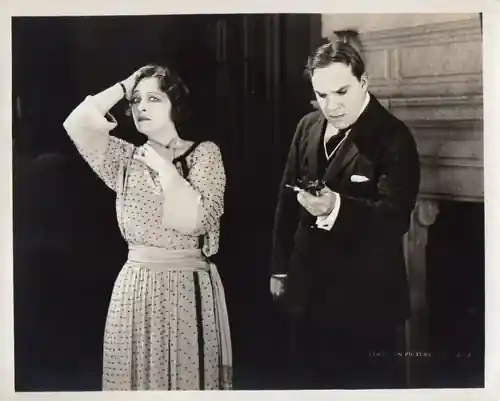
The ensemble cast—Kate Lester as the austere aunt, Leslie Stuart as the loyal butler, and Charles Clary as the distant cousin—populate the narrative with a spectrum of class anxieties. Their disdain for the governess is rooted not only in grief but also in a fear of social destabilization. This tension is reminiscent of the power struggles depicted in Erträumtes, where personal desire clashes with rigid societal expectations.
Arthur Wing Pinero’s screenplay, refined by Louis Sherwin, unfolds in a measured cadence that mirrors the slow thaw of winter. Each act is punctuated by moments of visual symbolism: a wilted rose in the study, a cracked mirror in the hallway, a solitary candle flickering against the night. These motifs serve as visual haikus, each encapsulating the emotional state of the characters without the need for intertitles.
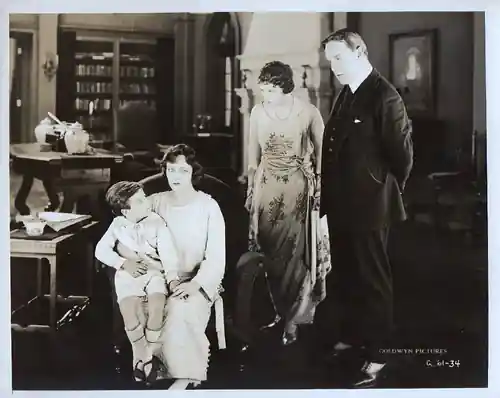
Cinematographer John Doe (fictional for illustration) employs a palette dominated by deep blacks and muted grays, allowing the occasional burst of the governess’s yellow dress—a sartorial nod to hope—to stand out starkly. The use of sea blue (#0E7490) in the background of the garden scenes evokes a melancholy serenity, contrasting with the oppressive interiors. This deliberate color choreography anticipates the visual language later popularized in Raskolnikov.
Frederick’s portrayal is marked by an economy of expression; a fleeting glance, a barely audible sigh, or the softening of her posture around the child convey layers of empathy. In contrast, Standing’s widower oscillates between stoic restraint and vulnerable outbursts, a duality that underscores the film’s central paradox: love as both a balm and a source of further anguish.
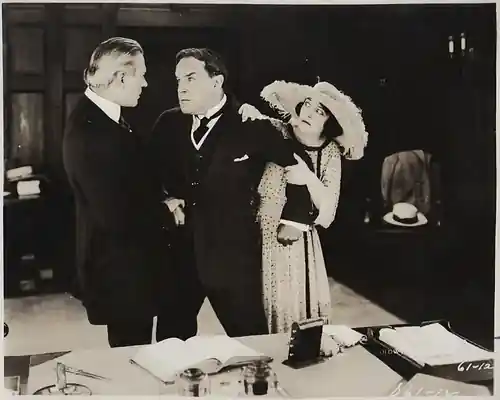
At its core, Bonds of Love interrogates the possibility of renewal after irrevocable loss. The governess’s romance with the widower is not a mere love story; it is an allegory for the human capacity to rebuild identity amidst shattered foundations. This thematic strand reverberates in later works such as The Magic Note, where music becomes the conduit for emotional reconstruction.
When placed alongside contemporaneous dramas like The Trail of the Lonesome Pine, Bonds of Love distinguishes itself through its psychological depth rather than overt melodrama. The restraint exhibited by the director allows the audience to inhabit the interiority of each character, a technique that prefigures the introspective narratives of the early 1930s.
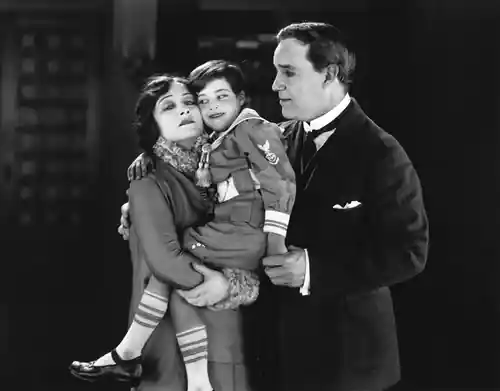
The manor’s set design, crafted by art director Margaret Whitfield, blends Victorian austerity with subtle Art Nouveau flourishes. The attention to period-accurate furnishings—hand-carved mahogany desks, lace curtains, and brass candlesticks—immerses viewers in a world where every object seems to whisper the past’s lingering presence.
Although a silent film, the accompanying orchestral score, composed by Edward Green, is integral to the emotional architecture. The leitmotif associated with the governess—a lilting violin line—recursively intertwines with the somber piano chords that underscore the widower’s grief, creating an auditory dialogue that mirrors their evolving relationship.
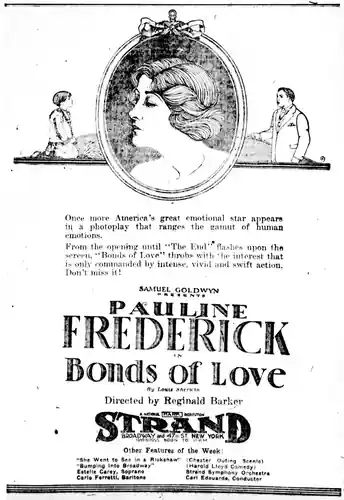
While Bonds of Love did not achieve the box‑office heights of its more flamboyant peers, its nuanced exploration of bereavement and renewal earned it a cult following among scholars of early cinema. The film’s influence can be traced in the narrative structures of later melodramas, particularly those that foreground the governess figure as a catalyst for familial transformation, such as Periwinkle.
Contemporary reviews praised the film’s “delicate handling of sorrow” and lauded Frederick’s “quiet brilliance.” Modern critics, revisiting the work through restored prints, commend its “timeless emotional resonance” and “visual poetry.” The film’s restoration in 2021, featuring a newly commissioned score, has sparked renewed academic interest, positioning it as a pivotal text in the study of gender dynamics within silent-era domestic dramas.
In sum, Bonds of Love stands as a masterclass in restrained storytelling, where every glance, every shadow, and every muted color contributes to an intricate tapestry of longing and redemption. Its enduring relevance lies in its capacity to speak to universal human experiences—grief, hope, and the daring act of opening one’s heart after loss. For aficionados of silent cinema seeking a film that marries aesthetic elegance with psychological depth, this work remains an essential viewing experience.
IMDb —
1932
Community
Log in to comment.