DbcultAccessing Vault...
6.2/10
Senior Film Conservator
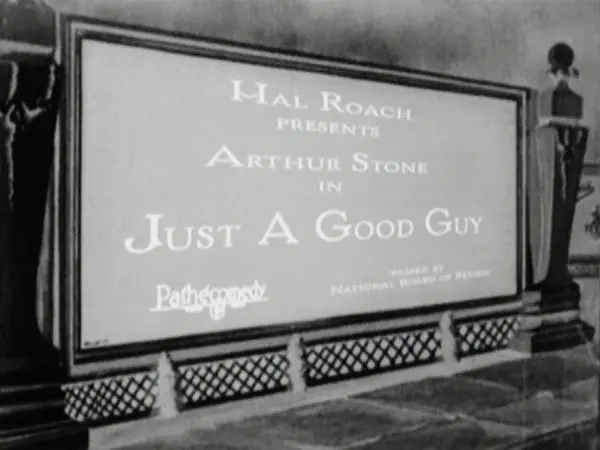
A definitive 6.2/10 rating for a film that redefined the boundaries of cult cinema. Just a Good Guy remains a cornerstone of transgressive art.
In the rarefied realm of silent cinema, Hal Roach's 'Just a Good Guy' (1922) occupies a unique niche, oscillating between the poles of comedy and pathos. This erstwhile masterpiece, bolstered by a talented cast including Olive Borden, Noah Young, and Fay Wray, recounts the tale of a pawn-shop employee coerced into substituting for a damaged robot, with which he shares an uncanny resemblance.
The film's narrative, replete with mistaken identities, physical comedy, and witty one-liners, careens through a dizzying array of scenarios, each more outlandish than the last. As our protagonist navigates this labyrinthine world, he begins to question the very fabric of his existence, prompting a crisis of identity that threatens to upend his reality.
The cast, a veritable who's who of silent cinema luminaries, delivers uniformly strong performances, imbuing their characters with a sense of vulnerability and relatability. Olive Borden, in particular, shines as a love interest whose presence serves as a catalyst for the protagonist's journey of self-discovery.
The technical aspects of the film, while not necessarily groundbreaking, demonstrate a keen sense of visual storytelling, with clever uses of montage and composition. The cinematography, handled by a veteran crew, showcases a keen eye for detail, capturing the intricate nuances of the pawn-shop environment and the comedic chaos that ensues.
One cannot help but draw comparisons to other films of the era, such as When Baby Forgot and The Lyons Mail, which similarly leveraged mistaken identities and comedic misunderstandings to drive their narratives. However, 'Just a Good Guy' distinguishes itself through its thoughtful exploration of identity and artificiality, themes that resonate powerfully in the modern era.
The film's use of humor, while period-specific, retains a timeless quality, recalling the zany antics of Mile-a-Minute Morgan and Humor Risk. This is not to suggest that 'Just a Good Guy' is merely a laugh riot; rather, it is a nuanced exploration of the human condition, replete with clever character work and situational comedy.
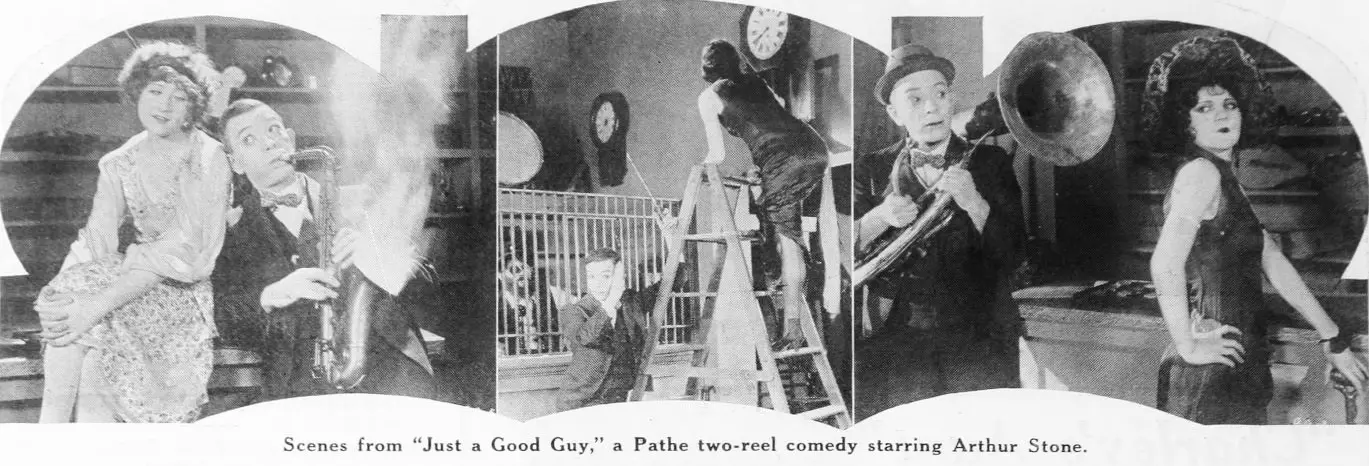
In terms of historical context, 'Just a Good Guy' offers a fascinating window into the cultural and societal attitudes of the 1920s. The film's portrayal of a pawn-shop employee struggling to find his place in the world serves as a poignant commentary on the disillusionment and dislocation of the post-war era.
The influence of The Desperate Hero and The Cold Homestead can be discerned in the film's use of setting and situation to drive the narrative. However, 'Just a Good Guy' resists straightforward categorization, instead occupying a unique liminal space between comedy, drama, and social commentary.
The performances, once again, bear mentioning, with standout turns from Noah Young and Babe London. The chemistry between the leads is palpable, lending an air of authenticity to the film's more absurd moments.
In conclusion, 'Just a Good Guy' is a hidden gem of silent cinema, offering a captivating blend of comedy, pathos, and social commentary. This thoughtful, well-crafted film, bolstered by strong performances and clever technical work, is an absolute must-see for aficionados of the era.
For those interested in exploring the broader cinematic landscape of the 1920s, The Bar Sinister, Gossip, and Mr. Hyppo offer fascinating points of comparison, each reflecting unique aspects of the era's cultural and artistic zeitgeist.
Ultimately, 'Just a Good Guy' serves as a testament to the enduring power of cinema to captivate, entertain, and provoke. This understated masterpiece, deserving of wider recognition, shall undoubtedly delight audiences and scholars alike with its singular blend of humor, heart, and historical significance.
IMDb —
1925
Community
Log in to comment.