DbcultAccessing Vault...
7/10
Senior Film Conservator
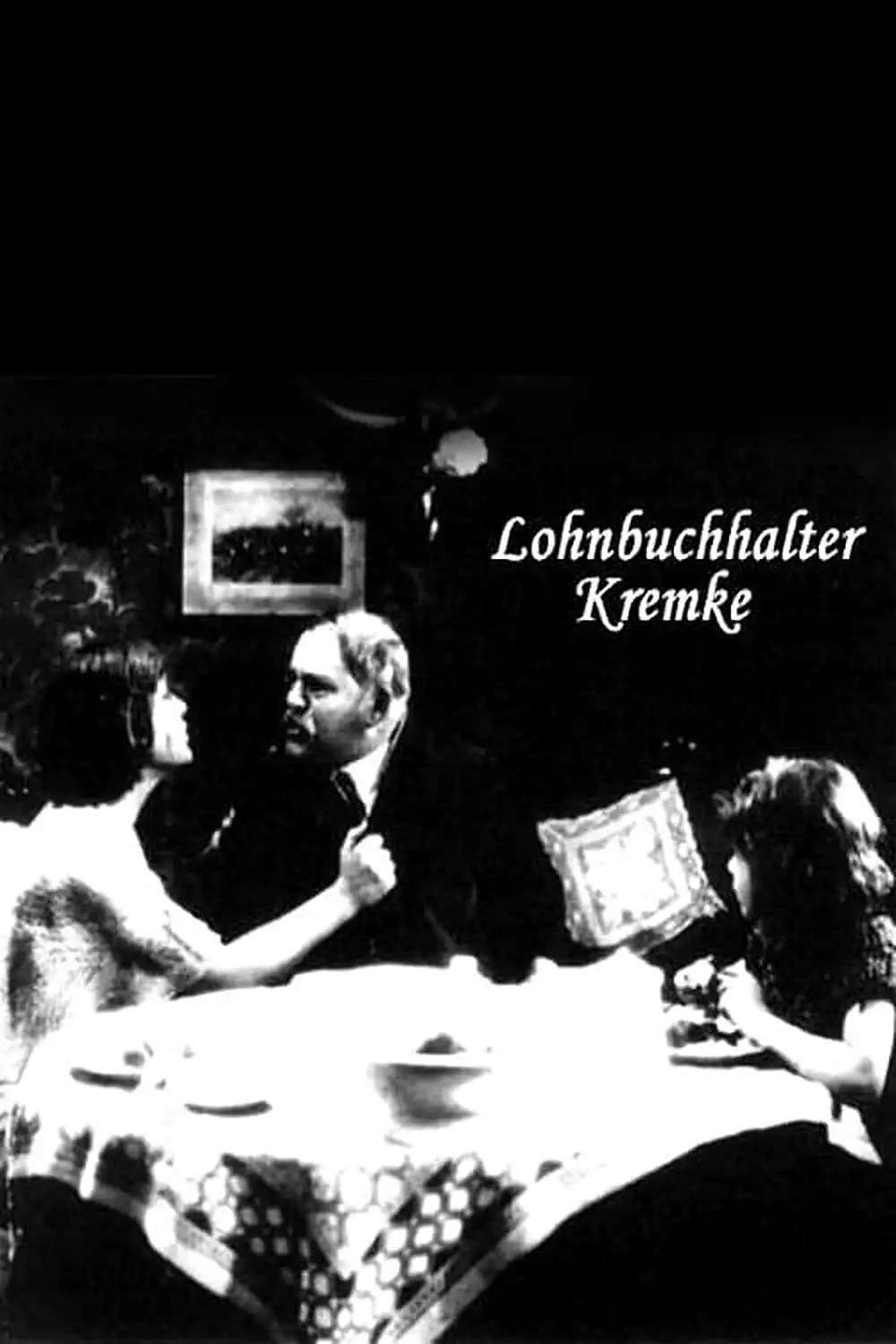
A definitive 7/10 rating for a film that redefined the boundaries of cult cinema. Bookkeeper Kremke remains a cornerstone of transgressive art.
If you are feeling especially cheerful today and want to stay that way, maybe skip Bookkeeper Kremke. It is a movie for people who like to see the truth, even when the truth is pretty ugly and uncomfortable.
It’s for those of us who have ever looked at a new piece of software or a robot and felt a little bit of sweat on our necks. If you only like movies with happy endings where everyone gets a hug, you will probably hate this.
The whole thing starts in a very normal-looking office. Kremke is a guy who has spent his whole life doing numbers by hand, and he’s good at it.
Then the boss brings in this shiny new mechanical calculator. It makes this rhythmic, clacking sound that almost sounds like it's laughing at him.
The scene where he first tries to use the machine is painful to watch. He looks at it like it’s an alien from another planet, and his hands just won't do what they are supposed to do.
Once he loses the job, the movie gets really quiet. There isn't a lot of big, dramatic music trying to tell you how to feel.
You just see him walking the streets, looking at help wanted signs that aren't there. It feels a lot more real than some of the more polished stuff like The Awakening.
Hermann Vallentin plays Kremke, and he has this face that just looks tired. Not movie-tired with perfect makeup, but actually exhausted by life.
There is a moment where he sits in his kitchen and just stares at a piece of bread. It goes on for a long time, and you can see him realizing that he’s basically disposable now.
His daughter, played by Anna Sten, tries to help, but there is this weird tension. She’s young and still has a chance, and he’s just... done.
I noticed that the rooms in the movie feel smaller as it goes on. In the beginning, the office feels big and open, but by the end, his world is just a few cramped walls.
Even though this movie is almost a hundred years old, it doesn't feel dusty. It feels like a warning that we keep ignoring every time a new technology comes out.
It’s a lot different from something light like A Jazzed Honeymoon. That movie is about having a good time, while this one is about what happens when the party is over and you're the one left cleaning up.
There is a scene near the end in a bar that is just heartbreaking. He tries to act like he still has money and status, but everyone can see right through it.
One of the extras in the background of the bar scene has this weird, twitchy eye that kept distracting me. It’s a tiny detail, but it made the whole place feel more authentic and grimy.
The ending isn't a surprise, but it still hits you like a ton of bricks. It doesn't try to give you a lesson or a moral; it just stops.
If you’ve watched The Service Star, you know how these social dramas can sometimes feel a bit preachy. This one doesn't preach; it just shows you a guy falling apart.
I think the director, Marie Harder, really understood how to film despair. It’s in the shadows on the walls and the way the characters never seem to have enough light on their faces.
It’s a tough watch, sure. But it’s the kind of movie that stays in the back of your head for a few days after you turn it off.
I found myself thinking about my own job and wondering if I’m just a few years away from my own "mechanical adding machine" moment. Scary thought, right? 😕
Anyway, find a copy if you can. It’s better than 90% of the stuff they pump out now because it actually has something to say about being a human being in a world that prefers machines.
IMDb —
1914
Community
Log in to comment.