DbcultAccessing Vault...
Cult Review
Senior Film Conservator
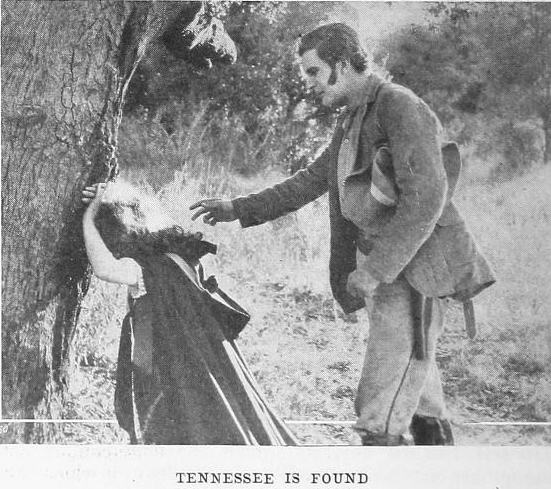
The cinematic landscape of 1916 was a crucible of experimentation, a period where the grammar of visual storytelling was being forged in the fires of the American West. Tennessee's Pardner, directed with a burgeoning sophistication that belies its era, stands as a testament to the enduring power of Bret Harte’s literary legacy. It is not merely a relic of the silent age; it is a profound exploration of masculine bonds, the fragility of reputation, and the often-painful intersection of romantic fantasy and objective truth.
Visually, the film captures a raw, unvarnished California that feels light-years away from the polished studio lots of later decades. The cinematography utilizes natural light to create a sense of immediacy, grounding the melodrama in a tactile reality. Unlike the more stylized European efforts of the time, such as Alsace, which leaned heavily into nationalist sentiment through controlled environments, this production embraces the grit of the mining camp. There is a palpable texture to the costumes and the set design—dust seems to cling to the screen, and the shadows in the gambling dens feel heavy with the weight of unspoken sins.
The narrative economy practiced by writers Marion Fairfax and Bret Harte is remarkable. Every frame serves a purpose, moving us closer to the central moral dilemma without the superfluous fluff that often plagued early features. When we compare this to the sprawling complexity found in The Conspiracy; or, A $4,000,000 Dowry, we see a mastery of focus. Here, the stakes are intimate, yet they carry the weight of an epic struggle between cynicism and faith.
Fannie Ward brings a luminous, if somewhat haunted, presence to the screen. Her performance avoids the pantomime excesses that modern audiences often associate with the silent era. Instead, she utilizes subtle shifts in expression to convey a woman caught between her past and a precarious future. Her chemistry with Jack Dean provides the emotional anchor for the film’s more tumultuous moments. While some might find the gender dynamics of the era restrictive, Ward’s portrayal suggests a deeper internal life, much like the nuanced female leads in The Golden Fetter or the later Flare-Up Sal.
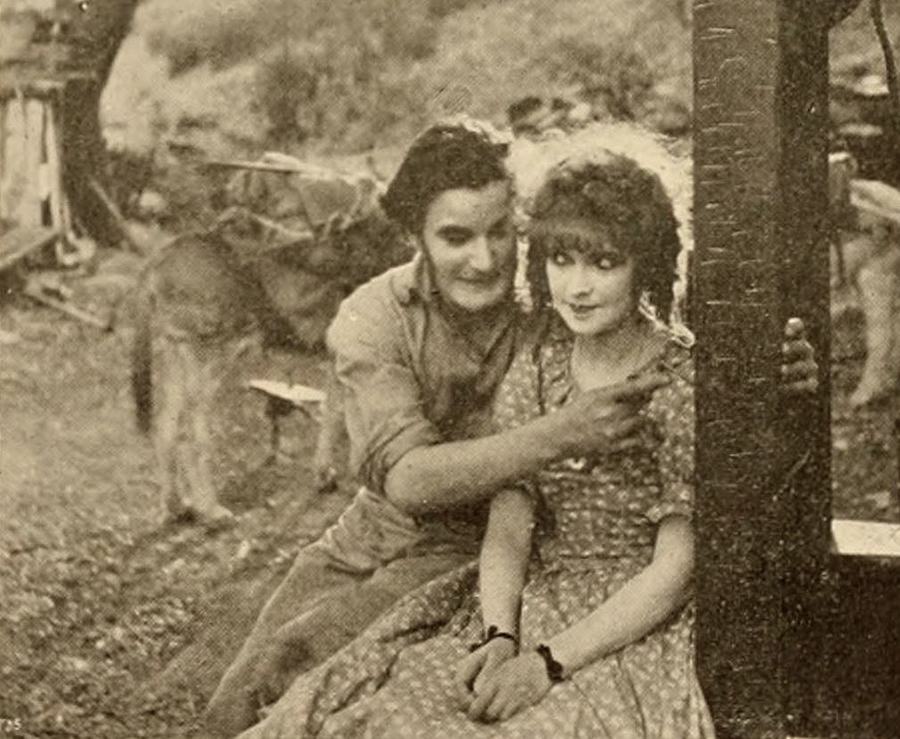
Raymond Hatton and James Neill round out a cast that understands the gravity of the material. Hatton, in particular, showcases the versatility that would make him a staple of the industry for decades. The interaction between the cowpoke and the gambler is the film’s heartbeat. It’s a subversion of the typical hero-villain dynamic; the gambler is not a mustache-twirling antagonist but a man of complex ethics who finds himself compelled to do the 'right' thing through a method that is inherently 'wrong'—the destruction of his friend’s romantic illusions.
At its core, Tennessee's Pardner asks a difficult question: Is a lie that brings happiness more valuable than a truth that causes devastation? The cowpoke’s devotion to his fiancée is a source of strength, yet it is built on a foundation of sand. The gambler’s decision to intervene is an act of supreme loyalty, yet it results in the immediate suffering of the person he seeks to protect. This philosophical knot is what elevates the film above standard frontier fare like The Call of the North.
The film also touches upon the class distinctions and social hierarchies of the West. The 'disreputable' gambler is often more honorable than the 'respectable' citizens, a recurring Harte theme that resonates through the ages. This critique of social standing is echoed in other contemporary works such as A Little Brother of the Rich and A Gentleman from Mississippi, though here it is filtered through the rugged individualism of the gold rush era.
Robert N. Bradbury’s involvement, whether in the cast or contributing to the atmosphere, hints at the burgeoning talent that would later dominate the B-Western genre. The pacing of the film is deliberate, allowing the tension to simmer before boiling over in the final act. The use of intertitles is judicious, never overwhelming the visual narrative but rather punctuating the emotional beats with poetic clarity. This is a stark contrast to the often-cluttered dialogue of The Catspaw or the melodramatic density of Mixed Blood.
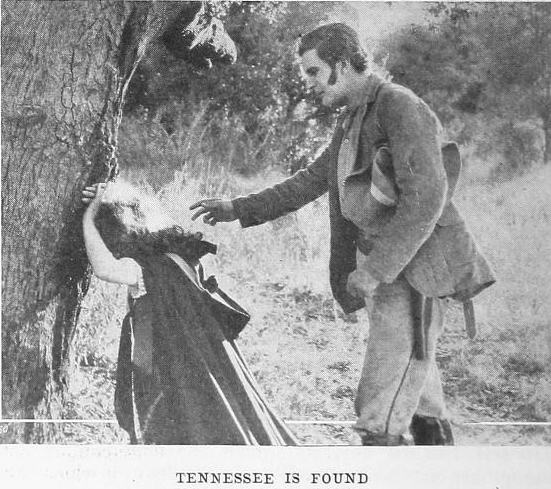
The location shooting is particularly noteworthy. The rugged terrain isn't just a backdrop; it’s a character in its own right, mirroring the internal struggles of the protagonists. The harsh sun and the jagged rocks emphasize the uncompromising nature of the moral choices being made. This environmental storytelling is a hallmark of the best silent Westerns, providing a visceral sense of place that studio-bound films like The Charmer often lacked.
When examining Tennessee's Pardner alongside international contemporaries like the German Die Claudi vom Geiserhof or the Danish Bristede Strenge, one notices a distinctly American preoccupation with the reinvention of the self. In European cinema of the time, fate often seemed predestined by class or lineage. In the American Western, however, character is forged through action and choice. The gambler can choose to be a 'pardner,' and the cowpoke can choose to face the truth, regardless of their origins.
Furthermore, the film avoids the overt sentimentality found in Love's Conquest or the exoticism of For the Freedom of the East. It remains steadfast in its commitment to the psychological reality of its characters. Even the more obscure titles of the era, such as Agnes Arnau und ihre drei Freier, rarely achieved the same level of thematic cohesion and emotional resonance found in this adaptation of Harte’s work.
The enduring appeal of Tennessee's Pardner lies in its refusal to offer easy answers. The resolution is bittersweet, reflecting the reality that while loyalty can save a life, it cannot always save a dream. It laid the groundwork for the 'buddy' Westerns that would follow decades later, establishing a template for the complex male friendships that would become a staple of the genre.
For the modern cinephile, this 1916 production is more than a historical curiosity. It is a vibrant, breathing piece of art that speaks to the universal human condition. It reminds us that even in the most disreputable of characters, there can exist a spark of nobility, and that the truth, however painful, is the only foundation upon which a genuine life can be built. In the pantheon of early silent cinema, it deserves a place of honor, standing tall alongside the most ambitious works of its day.
Review by the Editorial Team at Cinema Archive. A deep dive into the roots of American storytelling through the lens of Bret Harte and the pioneers of the silent screen.
IMDb —
1932
Community
Log in to comment.