DbcultAccessing Vault...
7/10
Senior Film Conservator
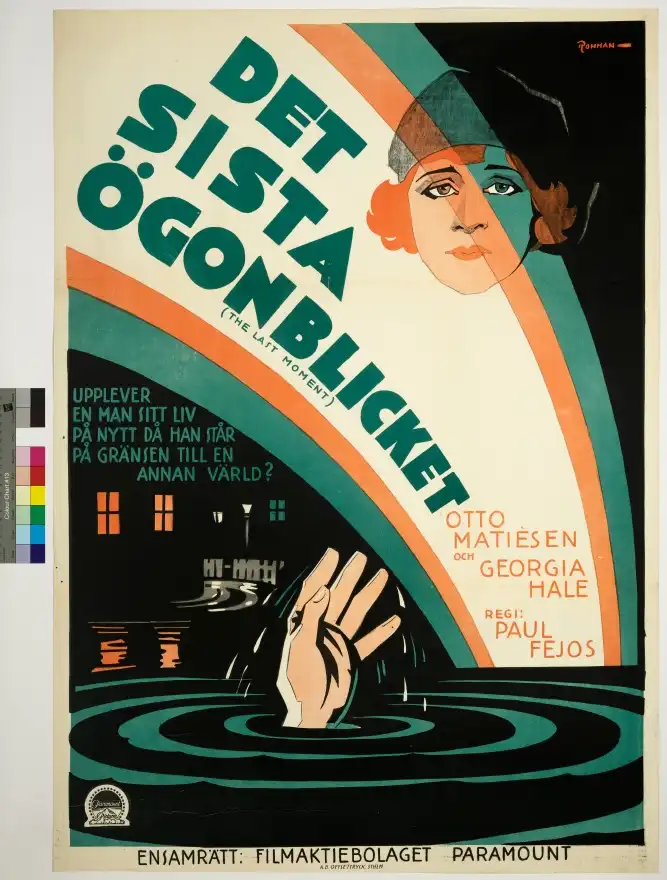
A definitive 7/10 rating for a film that redefined the boundaries of cult cinema. The Last Moment remains a cornerstone of transgressive art.
"The Last Moment," from 1928, is a weird one, and whether it's worth your time really depends on what you're looking for. If you're fascinated by early cinematic experiments, especially with narrative structure, then absolutely, give it a shot. It's a curiosity, a silent film trying to do something ambitious with memory. But if you're just looking for a compelling story or even a well-acted melodrama, you'll probably find it a bit of a slog. It’s for the patient, the film historians, or anyone who just wants to see what the medium was capable of before sound took over.
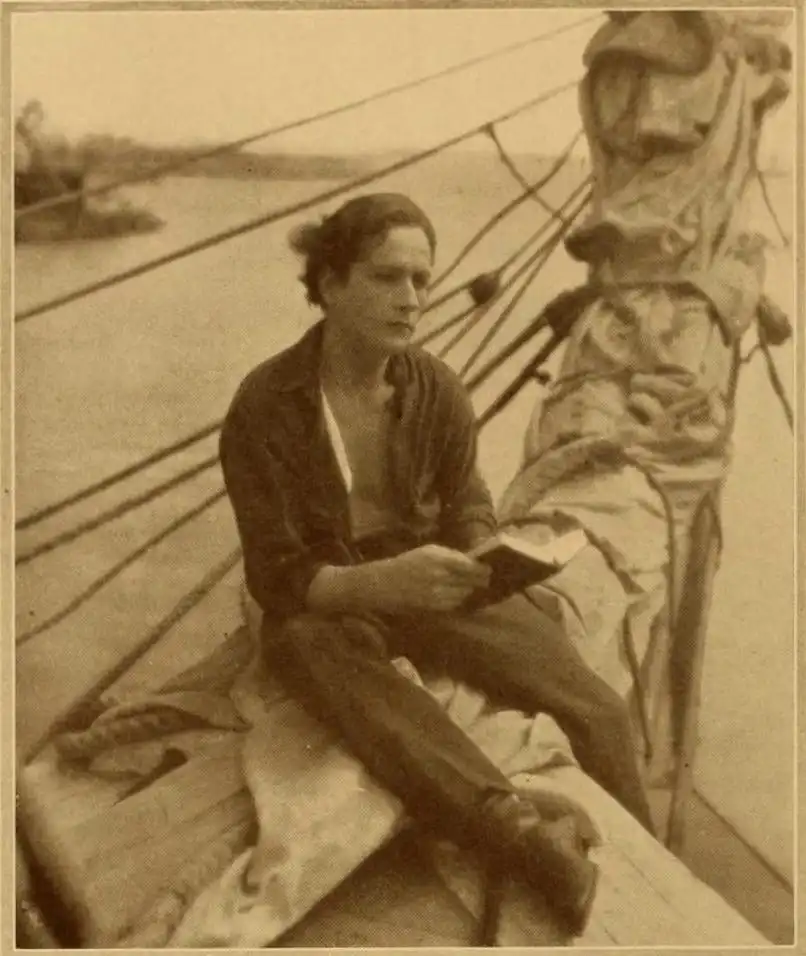
The film opens with a man, our unnamed protagonist, walking deliberately towards a lake. There’s no big dramatic lead-up, just this quiet, almost resigned march into the water. It’s stark. You know what's coming. The whole setup of him just... deciding to walk in. It's not a slow build-up of despair, it’s almost abrupt, which actually works to set a certain tone. Then, the water. The way they try to show him submerging, it's a mix of clever camera work and what looks suspiciously like him just holding his breath in a tank. You can see the effort.
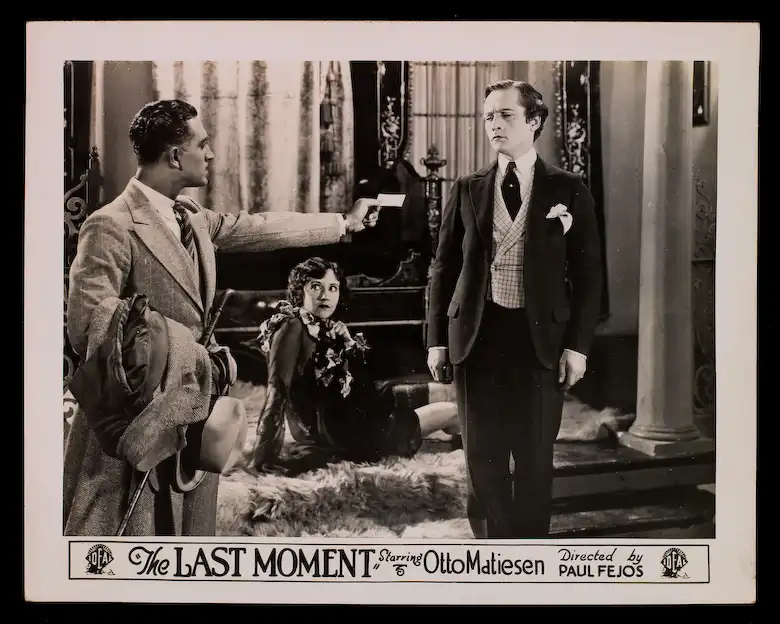
As he drowns, his life flashes before his eyes. This is the whole conceit, and it’s a remarkably modern idea for 1928. The film isn't afraid to jump around, showing us bits and pieces of his past: childhood, first love, betrayals, hard choices. But the transitions into these memories are often just a dissolve, sometimes a bit quick, almost like the film itself is rushing through his life. Not a grand, sweeping dive into the past, more like a flick through old photographs.
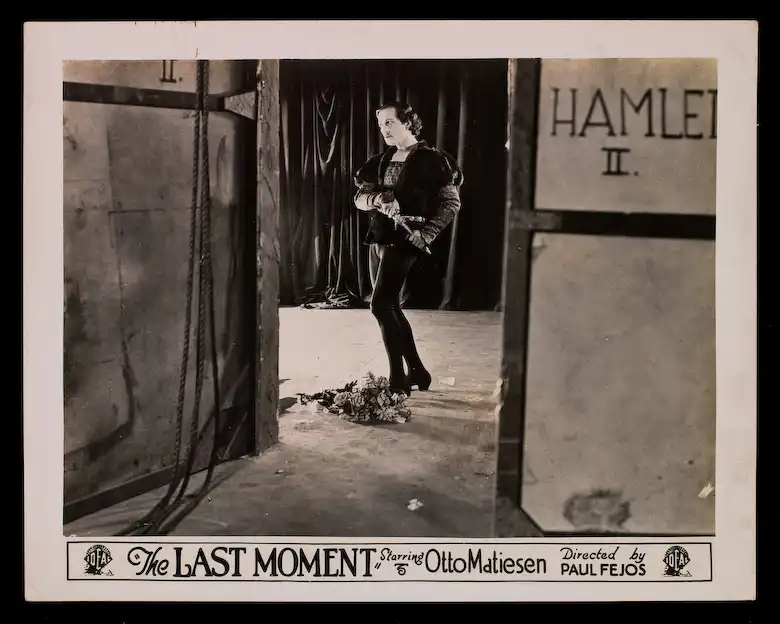
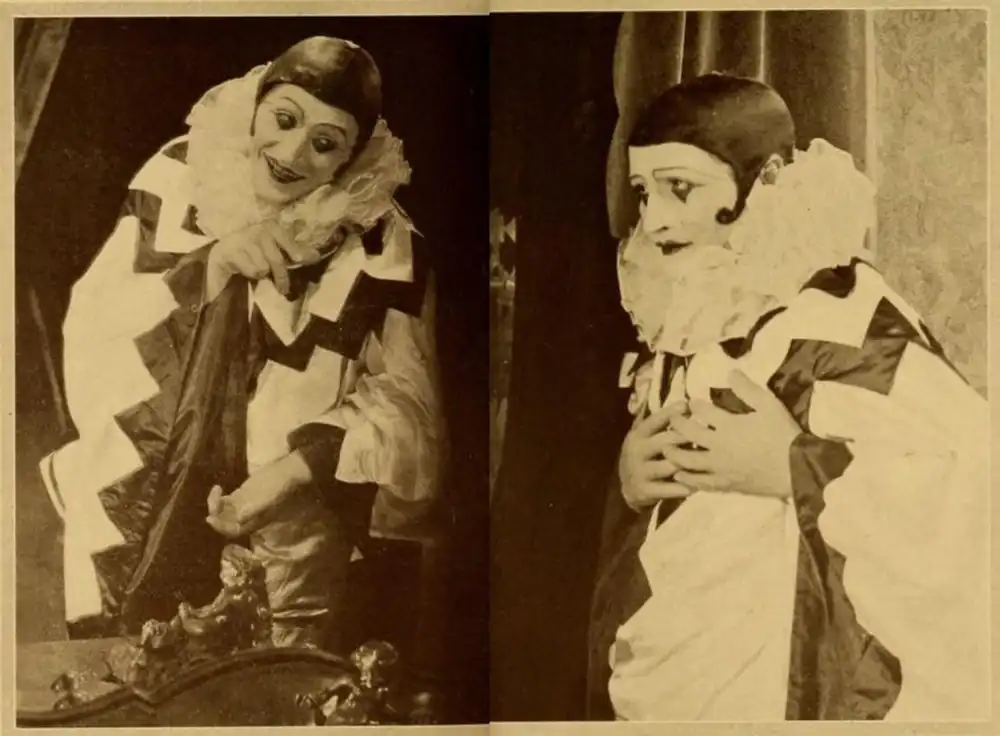
Vivian Winston, playing one of the central female figures, gives a performance that swings wildly. One moment she's a picture of innocence and youthful joy, the next a dramatic sorrow with hands clasped to her chest. It's the silent era, sure, but some of it feels like she's playing to the back row of a theatre, even on screen. There’s a scene where her character is distraught, and the camera lingers on her tear-streaked face for what feels like an eternity. It almost becomes funny, the sheer endurance of her grief.
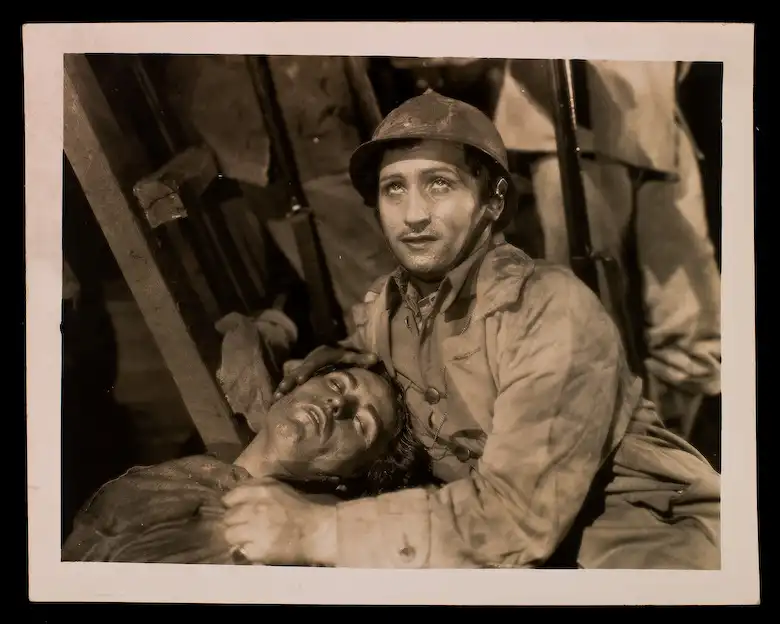
The pacing of these flashbacks is really uneven. Some segments, like a childhood memory of playing by a river, feel incredibly drawn out, almost indulgent, while other crucial adult choices flash by in what feels like seconds. You're left wondering what the real “weight” of each moment is supposed to be. It makes for a disjointed experience; some scenes you want more of, others you wish would just move on.
A particular shot of a flickering candle, during a moment of quiet reflection, really stuck with me. It felt almost out of place in its poetic simplicity, compared to some of the more theatrical set pieces. It hinted at a deeper, more introspective film that wasn't always present in the broader strokes of the melodrama.
The background details are often sparse. You get the sense of a stage play translated to screen. Crowds feel like they're just there to fill space, not really living. It's particularly noticeable in the outdoor market scenes – everyone looks a bit too posed, a bit too aware of the camera.
Lucille La Verne, though not in many scenes, has this incredibly intense presence. Her eyes convey so much, even when the rest of her performance is quite broad. She brings a groundedness that some of the other actors miss. Her silent intensity cuts through some of the more overt theatrics. There's a moment when she just stares, unblinking, and it's genuinely unsettling.
The film gets noticeably better once it stops trying to explain everything through intertitles and just lets the visuals tell the story. The moments of pure visual storytelling, where the actors' expressions and the camera work carry the emotion, are surprisingly effective.
The ending, when it finally loops back to the drowning, feels... inevitable, but also a little anticlimactic after all the dramatic recalls. It's like the film ran out of steam, or perhaps it intended to convey the quiet, almost mundane finality of it all. It doesn’t hit you with a grand emotional punch, more like a slow, fading sigh.
You can almost feel the film trying to grapple with its own form. It's trying to be a psychological drama, but the technology and conventions of the time sometimes push it back into simple melodrama. It’s an interesting watch for anyone curious about how early filmmakers experimented with non-linear narrative, but don’t expect a perfectly polished experience. It’s a glimpse into the ambition of an era, even with its rough edges and occasional awkwardness.
IMDb —
1932
Community
Log in to comment.