DbcultAccessing Vault...
6.7/10
Senior Film Conservator
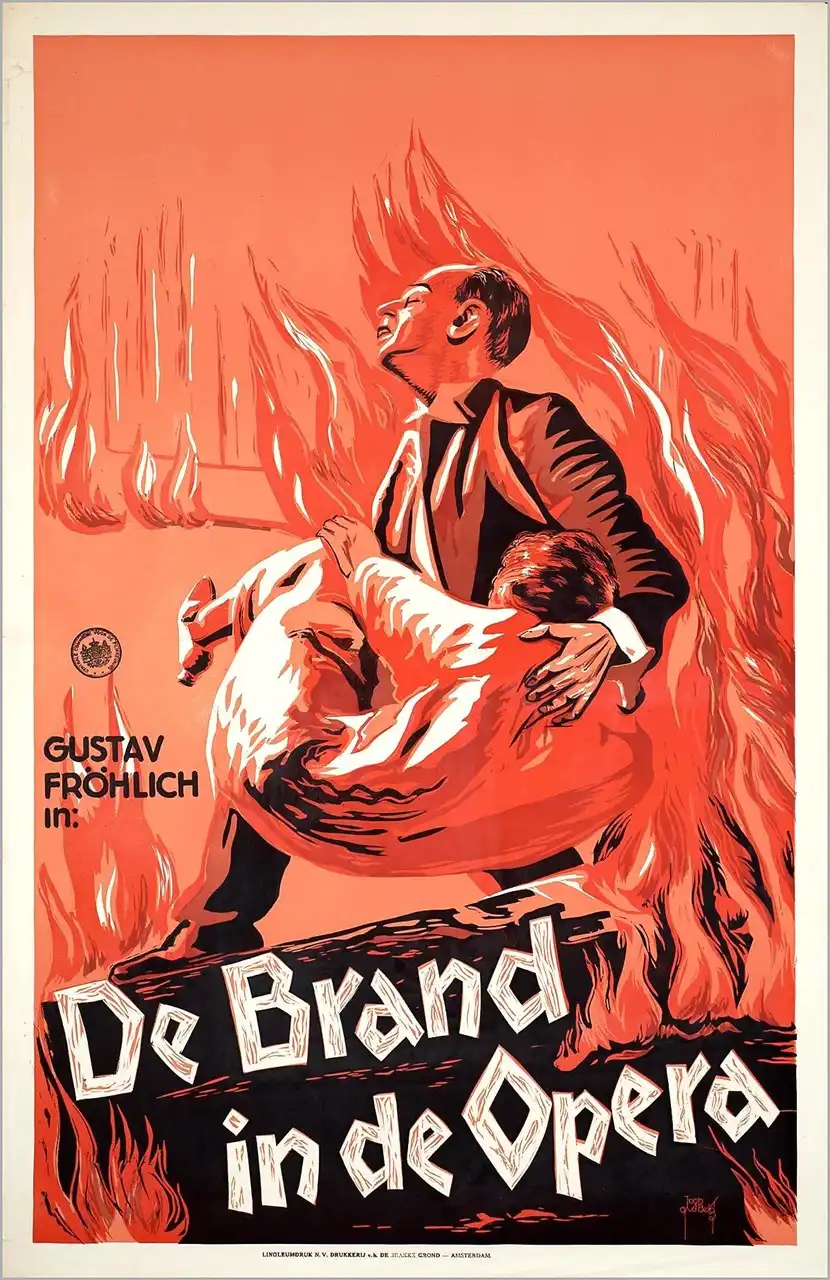
A definitive 6.7/10 rating for a film that redefined the boundaries of cult cinema. Brand in der Oper remains a cornerstone of transgressive art.
Brand in der Oper is one of those old films you might stumble upon, and honestly, it’s a neat little time capsule. If you're into early German cinema or just enjoy classic melodrama with big feelings, you'll probably find something to appreciate here. Don't go in expecting modern pacing or subtle performances, though; anyone looking for that might just find it a bit slow.
The plot's pretty straightforward: big opening night for a young opera singer, then a big fire. This setup immediately makes you wonder how they pulled off those fire scenes back then. And for 1930, they're actually quite convincing. 🔥
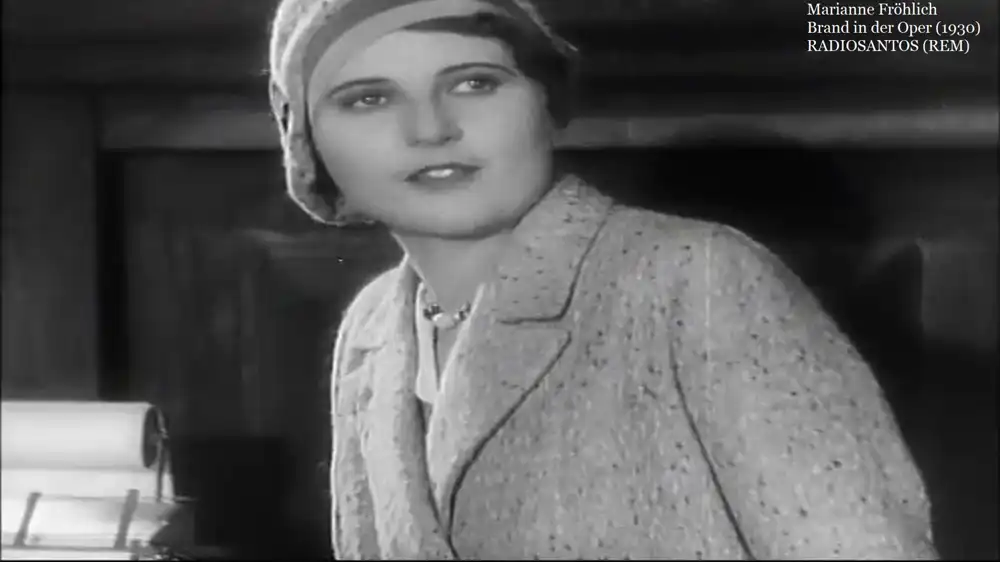
Jarmila Novotna plays the young singer, and her stage presence, even in black and white, really comes through. You can tell she had that star quality even then. There's this moment early on where the camera really focuses on her hopeful face before the chaos hits. That shot lingered, making her eventual fright feel even more impactful.
The fire itself is surprisingly well-done for the era. You see the smoke, the panic, people scrambling. It feels genuinely hectic for a bit, especially when the performers are trying to figure out what's going on. What gets interesting is not just the inferno, but how everyone reacts. Suddenly, who's a hero and who's a coward becomes very clear.
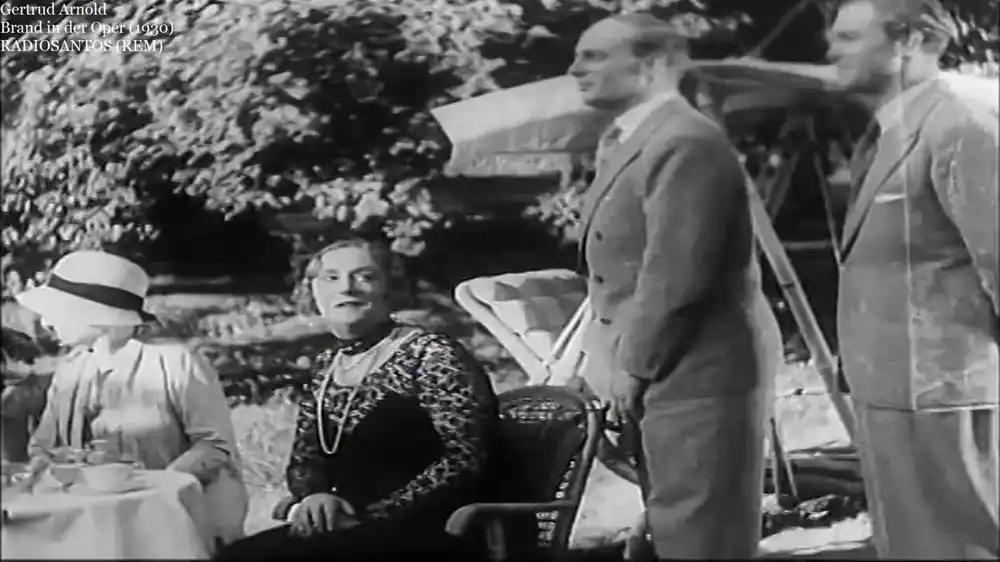
Gustav Fröhlich is in it, playing someone important, though my notes don't quite pin down his exact role in the plot. He just has this intense gaze that works for the drama. The idea of a theater burning down on opening night, it’s just so dramatic in the best old-school way. You can almost feel the movie trying to convince you this moment matters.
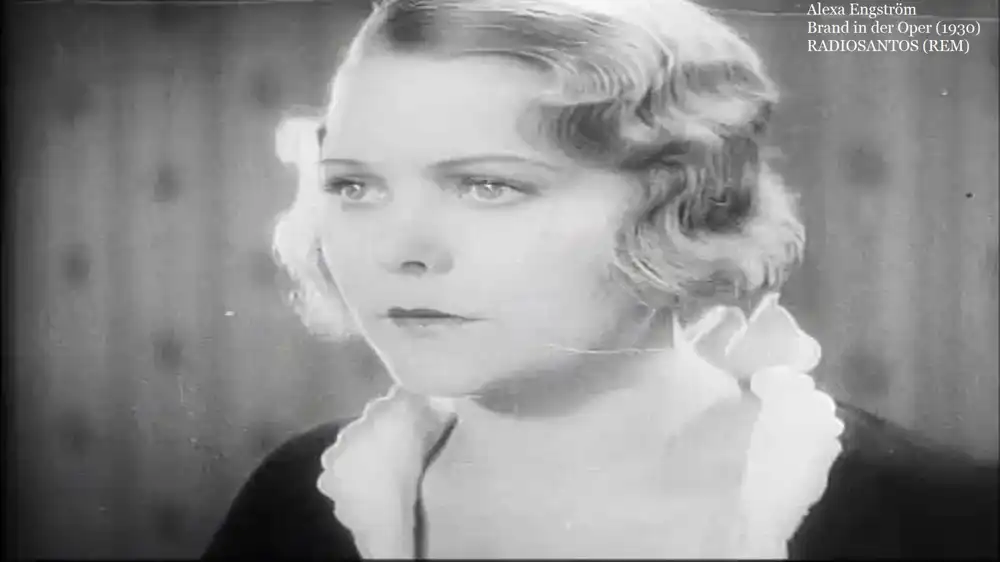
The film’s focus shifts from the spectacle to the personal stakes pretty quickly. It's less about the flames, more about the emotional fallout and who stands by whom. One reaction shot, I think it was of Sophie Pagay, lingered so long it almost became funny, but then you get it – she's really worried for the girl.
There are a few scenes where the crowd scenes have this oddly empty feeling, like half the extras wandered off for a coffee break, but then everyone is suddenly in a mad panic. It's a little jarring. The pacing is definitely slower than what we're used to today. Sometimes a scene goes on about 20 seconds too long, and the silence starts to feel awkward rather than emotional. 😬 But hey, that's part of its charm, I guess.
It's cool how they use the emergency to strip away all the usual social niceties. Raw emotions are on full display, and the true character of people shines, or crumbles. The dialogue, even if you don't speak German, you can feel the urgency in their expressions and movements.
The ending ties things up quite neatly, showing who truly loves her. It’s a bit predictable, sure, but satisfying for the genre. It doesn't try to be anything more than a straightforward drama, and I appreciate that. No grand philosophical statements, just pure story. You know, seeing these old sets, the way they built the opera house, it's fascinating how much detail they put into it, only for it to burn. A lot of effort! The movie gets noticeably better once it just leans into the pure, unadulterated melodrama.
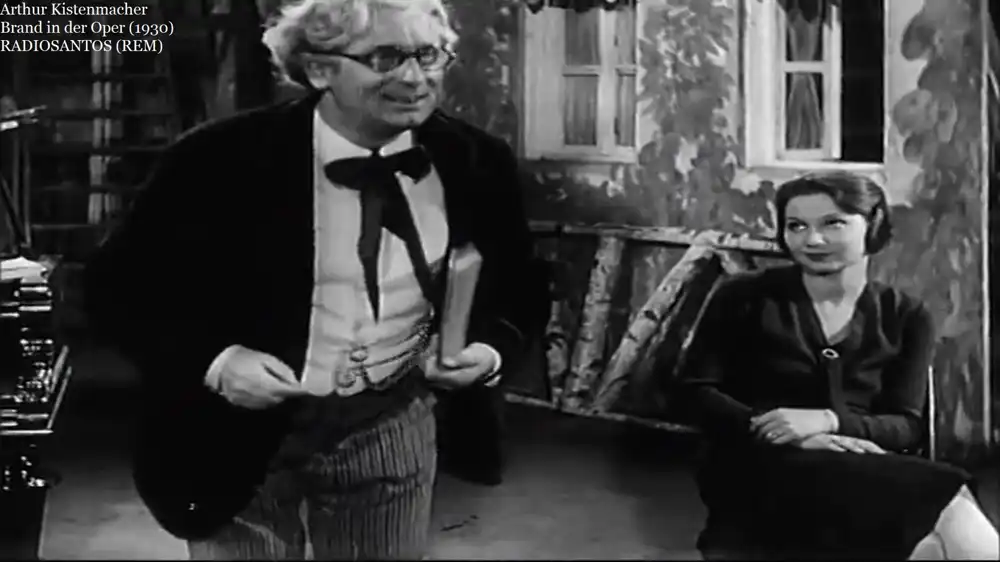
The sound design, for an early talkie, is quite basic but effective. The crackling fire is audible, and those dramatic orchestral swells really hit you. There's a subtle performance from Arthur Bergen, even if he's not front and center. He makes his character feel... shifty. The whole thing feels like a stage play put on film, which makes perfect sense for the era.
IMDb —
1926
Community
Log in to comment.