DbcultAccessing Vault...
Cult Review
Senior Film Conservator
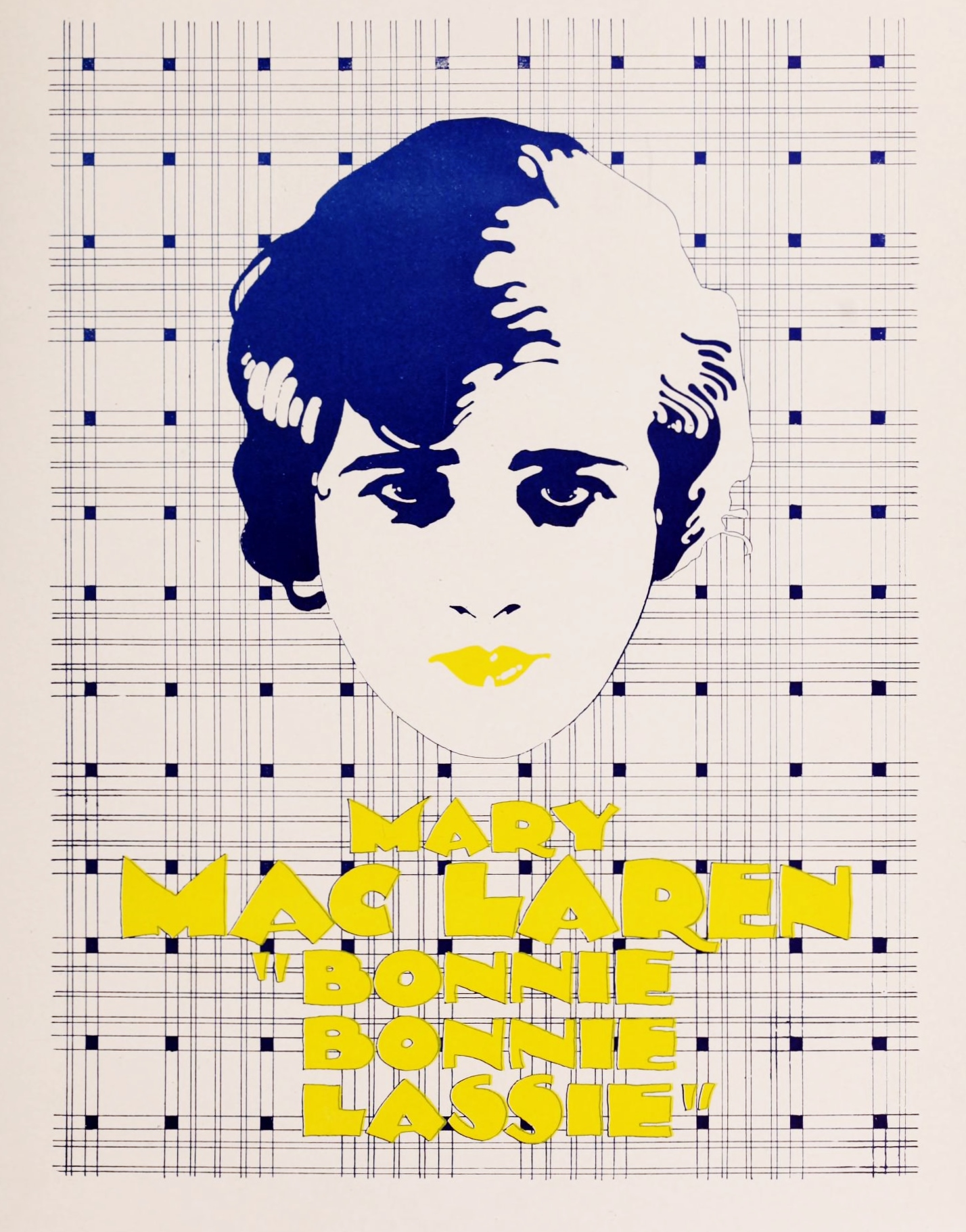
Stepping back into the cinematic landscape of 1919, one encounters a particular brand of storytelling that, while perhaps simpler in its technical execution, often possessed a profound emotional resonance and a surprising depth of character. Tod Browning's 'Bonnie Bonnie Lassie' stands as a testament to this era, a narrative tapestry woven with threads of defiance, burgeoning love, and the often-circuitous path to self-discovery. It’s a film that, even a century later, speaks to universal human desires: the yearning for autonomy, the search for genuine connection, and the unexpected ways in which fate conspires to bring compatible spirits together.
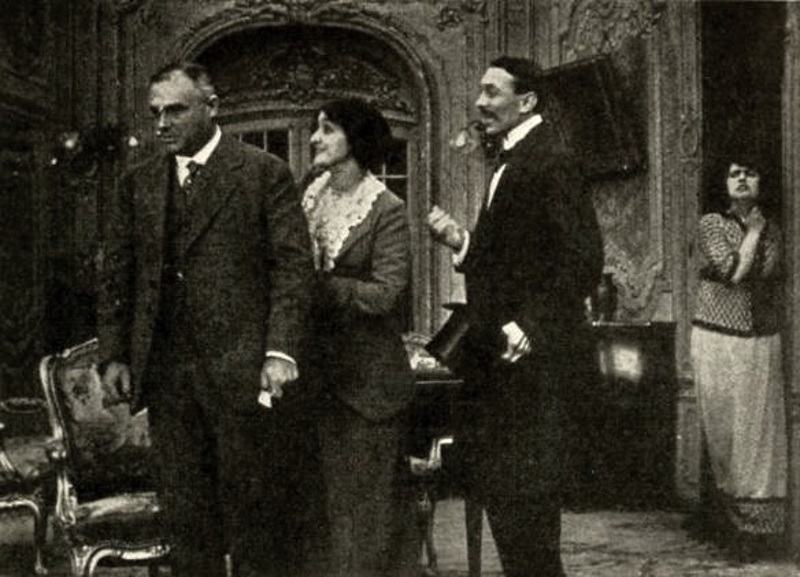
At its heart, 'Bonnie Bonnie Lassie' is a romantic comedy-drama, but to label it so broadly would be to diminish its nuanced exploration of societal expectations versus individual aspirations. The film introduces us to Alisa Graeme, portrayed with an understated grace by Mary MacLaren, a young woman from Scotland embarking on a transatlantic journey to America. Her destination is the home of Jeremiah Wishart, a venerable and wealthy acquaintance of her grandfather, depicted by the seasoned Spottiswoode Aitken. Jeremiah, confined to a wheelchair, quickly becomes enamored with Alisa's fresh spirit and sees in her not just a guest, but a solution to his family's future – a suitable wife for his favorite nephew, David.
Here, the narrative takes its first delightful turn into the realm of human agency. David, played by David Butler, is not a character content to be a mere chess piece in his uncle's grand scheme. Without so much as meeting Alisa, he vehemently rejects the notion of an arranged marriage. His refusal isn't born of malice or disinterest in love, but rather a fierce desire for self-determination. He runs away, choosing the uncertainty of the open road over a predetermined future. This act of defiance sets a crucial precedent, mirroring the path Alisa herself will soon take. It establishes a thematic core for the film: true love, the narrative posits, cannot be dictated; it must be discovered.
Alisa, too, finds herself at a crossroads. Faced with the prospect of marrying not David, but another of Jeremiah's nephews (after David's initial refusal), she makes her own bold escape. This shared spirit of rebellion, though initially enacted independently, subtly binds Alisa and David even before their paths converge. Their respective flights are not merely acts of escape, but assertions of identity, declarations that their lives and loves are their own to shape. This echoes sentiments found in other early romantic dramas where characters break free from societal binds, perhaps a nascent cinematic reflection of changing social attitudes, though less overtly defiant than, say, the radical independence explored in The Girl with No Regrets.
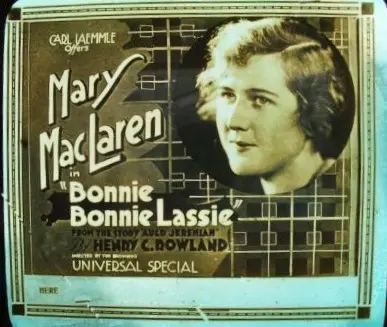
Alisa's journey leads her to the countryside, a stark contrast to the opulence and rigid expectations of Jeremiah's home. It is here, amidst the verdant landscapes and the quiet hum of rural life, that she encounters a young billboard painter. The film masterfully uses this chance meeting as the catalyst for their burgeoning romance. The painter, unbeknownst to Alisa, is David. Their initial connection is forged not through romantic overtures, but through a shared purpose: the creation of art. Alisa, with her inherent resourcefulness and perhaps a touch of artistic sensibility, forms a partnership with him, traveling the countryside, painting billboards, and slowly, irrevocably, falling in love. This period of their journey is particularly poignant, highlighting the beauty of companionship built on mutual respect, shared labor, and growing affection, far removed from the pressures of wealth or lineage. It’s a simpler, purer form of connection, reminiscent of the earnest, hardworking romanticism sometimes depicted in films like A Child of the Prairie, where environment shapes character and relationships.
The chemistry between MacLaren and Butler, even within the confines of silent film acting, is palpable. Their interactions, conveyed through expressive gestures and nuanced facial expressions, speak volumes. The narrative allows their love to develop organically, a refreshing departure from the instant, often superficial, attractions that sometimes characterized melodramas of the era. The shared experience of working together, facing the elements, and navigating the simple challenges of their itinerant life deepens their bond in a way that no formal introduction or societal decree ever could.
However, no romantic journey is without its bumps. The painter, practical and perhaps a little too cautious, confides in Alisa that he won't consider marriage until his financial future is secure. This declaration, intended as a sign of responsibility and foresight, is tragically misinterpreted by Alisa. In her youthful idealism and perhaps a touch of Scottish pride, she perceives it as a lack of commitment, a prioritization of material wealth over their burgeoning love. Angered and hurt, she once again makes a decisive choice, leaving him and returning to Jeremiah's house. This moment of miscommunication is a classic dramatic device, creating tension and momentarily fracturing the seemingly perfect idyll they had built together. It’s a reminder that even the strongest bonds can be tested by unspoken fears and differing expectations, a theme often explored in more intense dramas like The Payment, albeit with far graver consequences.
Meanwhile, Jeremiah Wishart, a character who initially appears as a benevolent but controlling patriarch, undergoes his own subtle transformation. From his vantage point, still confined to his wheelchair, he witnesses an extraordinary scene unfolding before him. He sees his wayward nephew, David, diligently painting a billboard. Then, he observes a young woman stopping to offer assistance. The pieces begin to fall into place. His initial anger at David's defiance, his frustration at his nephew's stubborn refusal to conform, begins to mellow. The sight of David engaged in honest labor, and more importantly, the recognition of Alisa, softens his heart. It’s a beautiful moment of revelation, a quiet understanding dawning upon him that perhaps his grand design for his family's future was not entirely wrong, just misdirected in its execution. Eugenie Forde and Clarissa Selwynne, though in supporting roles, contribute to the film's emotional texture, representing the societal framework Alisa and David are rebelling against, and ultimately, finding peace within.
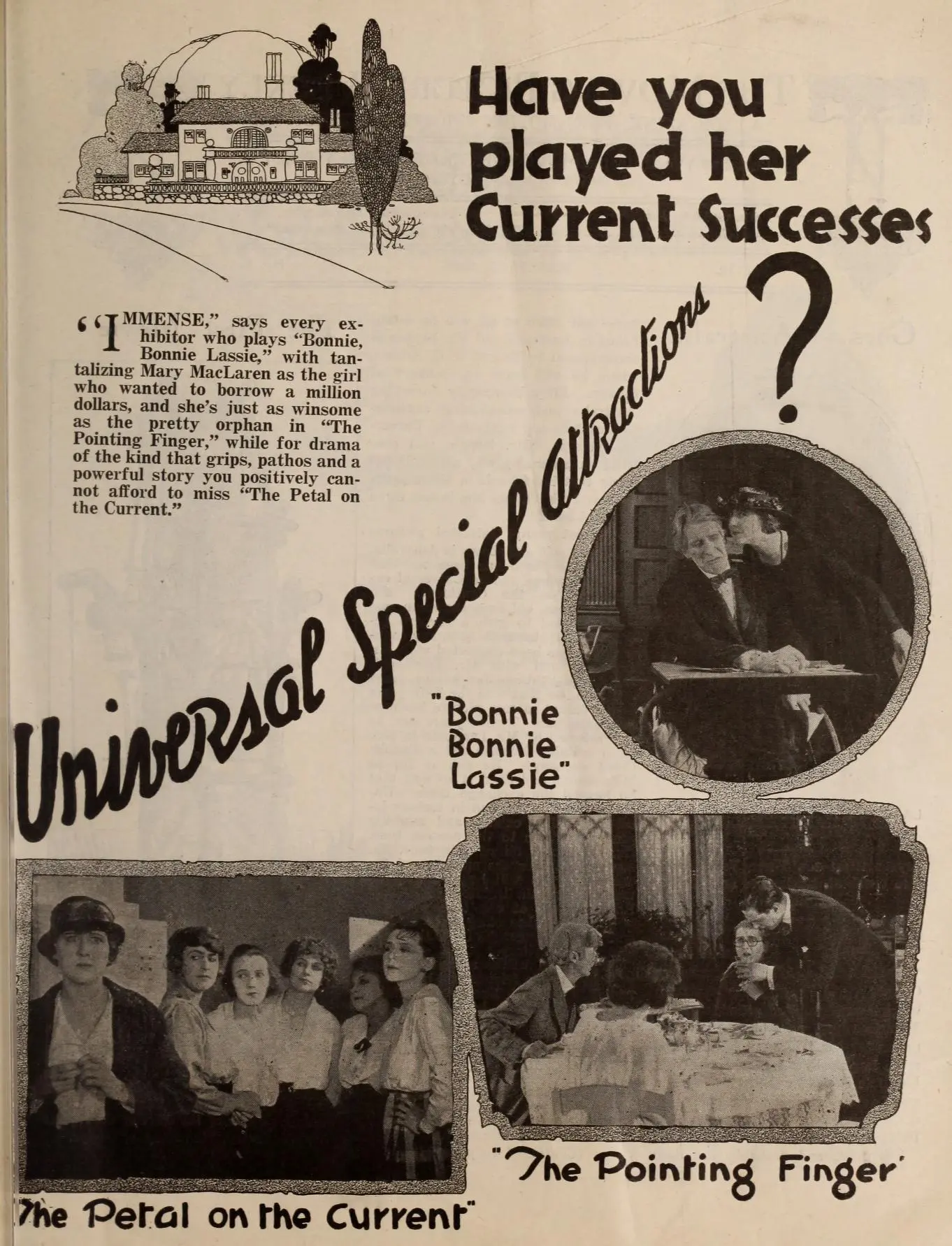
The climax of the film is a masterclass in narrative satisfaction. Once Alisa and David realize the other's true identity—the man she fell in love with on the road is the very nephew she refused to marry, and the woman who charmed his uncle is the independent spirit who joined him on his artistic travels—the reunion is joyous and unequivocal. The film culminates in a powerful affirmation of their choices. Their individual acts of defiance, their separate journeys of self-discovery, did not lead them apart but rather brought them together, validating their independent spirits within the context of a love that was truly earned, not arranged. This kind of fated yet self-determined romance is a timeless trope, but Browning imbues it with a fresh, earnest quality. It reminds one of the intricate dance between destiny and free will, a theme that resonates across various genres, from the dramatic twists of Eyes of the Soul to the more lighthearted contrivances of romantic comedies.
Tod Browning, known later for his more macabre and gothic works, demonstrates a surprising lightness of touch in 'Bonnie Bonnie Lassie.' His direction here is characterized by clear storytelling, effective use of natural settings, and a keen understanding of character motivation. He allows the emotional beats to play out with sincerity, relying on the actors' performances and the narrative's inherent charm rather than elaborate spectacle. The contributions of writers Tod Browning, Henry C. Rowland, Violet Clark, and Waldemar Young are evident in the well-structured plot, the believable character arcs, and the satisfying resolution. They craft a scenario where misunderstandings are resolved not through grand declarations, but through genuine recognition and the undeniable pull of a love forged through shared experience. The screenplay avoids overt melodrama, opting instead for a more grounded, relatable romantic journey. This measured approach to storytelling gives the film a quiet strength, allowing its themes of independence and true connection to shine through.
'Bonnie Bonnie Lassie' might not be as widely celebrated as some of Browning's later, more sensational films, but it holds a significant place in understanding his versatility as a filmmaker. It's a charming, heartfelt romance that speaks to the power of choice and the beauty of serendipity. The film's message — that true love thrives on authenticity and freedom, not on preordained arrangements or material wealth — remains as relevant today as it was over a century ago. It’s a gentle reminder that sometimes, the longest way 'round is the shortest way home, especially when 'home' is found in the arms of someone who truly understands and respects your independent spirit. For cinephiles and romantics alike, this film offers a delightful glimpse into the innocent yet profound storytelling of the silent era, a period when emotions were writ large on the screen, and the human heart's journey was paramount.
The performances, particularly from Mary MacLaren as Alisa, are captivating. MacLaren brings a vivaciousness and intelligence to her role, making Alisa a protagonist easy to root for. Her expressive eyes and subtle gestures communicate a wealth of emotion, from her initial discomfort with Jeremiah's plans to her blossoming affection for David, and finally, her anger and eventual joy. David Butler, as David, complements her perfectly, embodying the earnest, somewhat headstrong young man who is more concerned with forging his own path than with inheriting a fortune. Their on-screen dynamic feels genuine, a testament to the power of silent acting to convey deep human connection without a single spoken word. The supporting cast, including F.A. Turner and Arthur Edmund Carewe, provides solid grounding for the central romance, creating a believable world for Alisa and David's story to unfold within.
In a cinematic landscape often dominated by grand spectacles or intense dramas, 'Bonnie Bonnie Lassie' offers a refreshing, intimate experience. It's a film that celebrates the individual's journey towards self-fulfillment while simultaneously weaving in the undeniable magic of fated love. It reminds us that sometimes, the greatest adventures are not found in distant lands, but in the courage to follow one's heart, even when it leads one away from the expected path. And in doing so, it finds its own unique place in the annals of early cinema, a quiet gem that continues to resonate with its timeless themes and charming execution.

IMDb 6.6
1929
Community
Log in to comment.