DbcultAccessing Vault...
5.5/10
Senior Film Conservator
A definitive 5.5/10 rating for a film that redefined the boundaries of cult cinema. The Dippy Dentist remains a cornerstone of transgressive art.
Imagine the smell of cloves soaked in bootleg gin, the squeak of a barber-chair recliner, and the faint, metallic promise of pliers—then picture all of it detonated by a single wardrobe malfunction. The Dippy Dentist doesn’t ease you into its universe; it yanks you in by the wisdom tooth.
Handbags, in 1922 America, were Pandora’s boxes of propriety. Swap one, and etiquette hemorrhages. Pollard’s dentist—wan, wide-eyed, sporting a bowtie like a nervous surrender flag—commits that cardinal sin on a rattling streetcar. The bag he lifts contains not lace hankies but volatile tinctures, libations potent enough to anesthetize a mule. The second he lands at his office, the corks tremble, the liquid breathes, and a fugitive droplet escapes, threading the air like a rumor.
Cue the exodus. Across the corridor, a rival dentist in starched sleeves hears whispers of painless miracles, sniffs the ether on the breeze, and witnesses his own clientele evaporate like morning frost. The inter-office portal turns into a turnstile; patients tumble through doors, windows, even transoms. They arrive clutching cheeks, tongues, or in one case a squirrel that apparently needs braces. The camera, hungry for geometry, glides through corridors cluttered with overturned cuspidors, stray X-ray plates, and the occasional love-struck hygienist.
Chaos, here, is not a gimmick but a character—one that chews scenery faster than the patients can open wide.
The film’s architecture is pure Rube Goldberg: every pulled tooth triggers a domino of pratfalls. A gentleman’s toupee flies skyward, revealing a scalp as smooth as proclamation parchment; a matron’s skirt inflates with nitrous oxide until she bobbles like parade balloonry; the dentist himself, airborne on a wheeled stool, somersaults into a spit-sink, only to rocket back out with a plunger stuck to his rear like a heraldic crest. All of this unfolds at a tempo that would shame a jazz drum solo—yet every gag lands legible, thanks to Pollard’s elastic physiognomy, equal parts Harold Lloyd and jack-in-the-box imp.
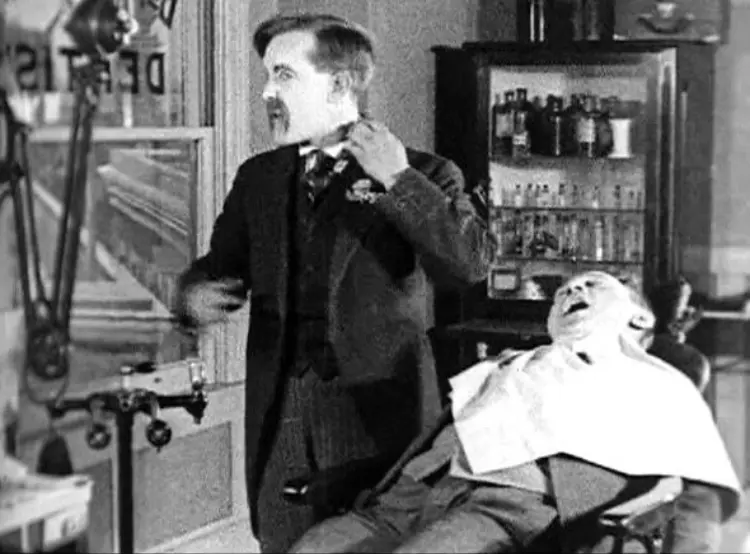
Color palette? Monochrome, yes, but the tonal hues of slapstick are painted with such vigor you swear you can taste the spectrum. The dentist’s smock starts pristine, graduates through strata of iodine ochre, blood crimson, and finally a Jackson-Pollock splatter of indeterminate browns. It’s a silent protest against whitewashed respectability.
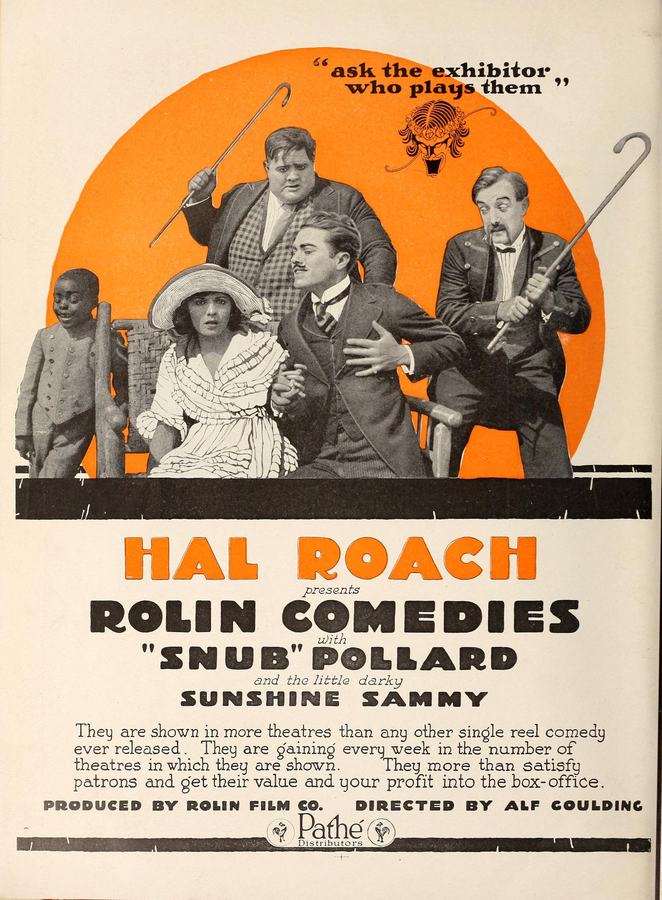
Marie Mosquini, luminous and wry, plays the secretary who files her nails while Rome burns; her side-eye alone deserves preservation in the Smithsonian. Wally Howe’s rival practitioner struts like a bantam rooster, only to be deflated—literally—when a pneumatic drill punctures his ego. Noah Young’s towering bruiser of a patient enters roaring, exits weeping, and somehow becomes the moral barometer of the piece. Meanwhile, ‘Snub’ Pollard orchestrates the mayhem with balletic precision, his shock of hair a semaphore semaphoreing panic.
Director Charley Chase—working uncredited, as was habit—threads these caricatures through long, unbroken takes that feel like circus tightropes. The camera prowls laterally, capturing horizontal vaudeville; no rapid-fire montage, no safety net of close-ups. We witness full bodies colliding in real time, and the result is a visceral honesty that CGI-laden comedies still chase a century later.
Underneath the enamel of humor lurks a biting commentary on healthcare inequity: the urban proletariat, priced out by smug orthodontists, will risk septicemia if a rumor promises painless pennies. The film lampoons the medical marketplace, where supply and demand pirouette on gossip, and where a single mislabeled bottle can upend an entire local economy. One cannot help but think of today’s viral TikTok “cures” and cryptocurrency panics; pandemonium, it seems, merely switched carriers.
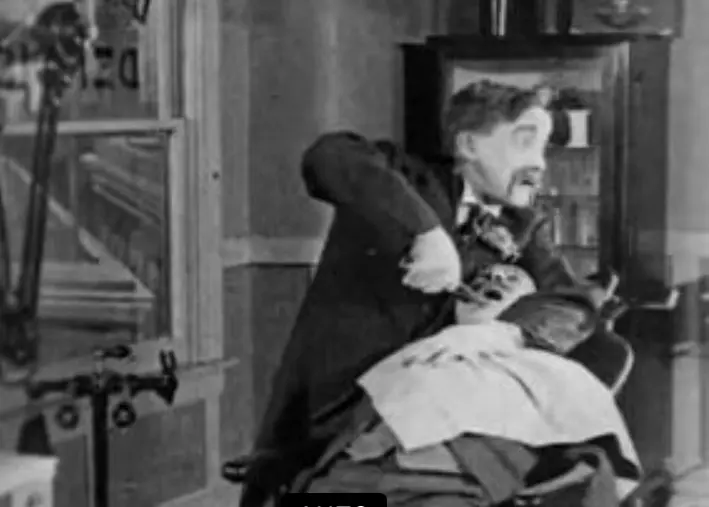
And then there is the gendered subtext: secretaries orchestrate the flow of bodies while men wield the forceps. Women in this universe traffic in information, men in extraction—an unsubtle allegory for patriarchal dentistry both literal and figurative. Yet Mosquini’s character ultimately engineers the equilibrium, rerouting the mob with a wink and a forged appointment ledger, suggesting that matriarchal oversight might be the only antidote to masculine mayhem.
Stacked against Triumph—a melodrama that treats anguish as cathedral—The Dippy Dentist opts for the funhouse. Where Hungry Heart starves its characters of levity, Pollard’s romp gorges on mirth until the seams split. Meanwhile, The Winding Trail meanders through moralizing hinterlands; our dentist barrels straight down the gullet of consequence, laughing.
Even within slapstick taxonomy, the film sidesteps the urbane surrealism of Around the World in 80 Days and cleaves closer to the anarchic bodily humor found in Bulling the Bolshevik. Yet unlike that propaganda farce, The Dippy Dentist refuses ideological tether; its politics are of the mouth, by the mouth, for the mouth.
Surviving prints, often nestled in European archives, bear scars—scratches like dental caries, emulsion cracks like craze lines in enamel. Recent 4K restorations deployed hydraulic-steady scanners, massaging each frame back to lustrous grayscale. The tinting—amber for interiors, cerulean for exteriors—re-emerges with the subtlety of tea staining porcelain. Meanwhile, a newly commissioned score—clarinet, banjo, and slide whistle—restores the film’s heartbeat, syncopating with onscreen action so precisely you’d swear the musicians were dental-phobic extras.
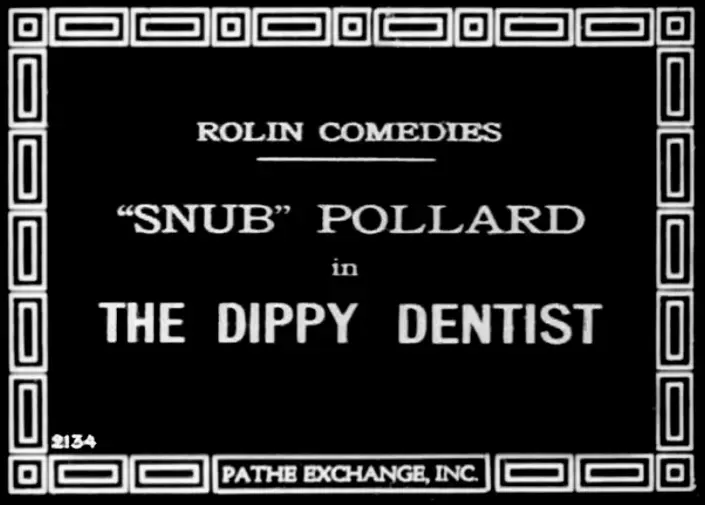
Contemporary comedies often mistake volume for velocity—yet Pollard’s silent shrieks teach us that comedy can crescendo without a single decibel. The film’s commitment to physics—bodies obey gravity even as they defy dignity—grounds the absurdity, letting audiences feel the bruises. In an era when digital avatars somersault through pixelated explosions, there is something almost radical about watching real tendons strain, real dust plume, real trousers rip.
Furthermore, the narrative economy is ruthlessly efficient: no subplot about orphaned nieces, no bloated romance. The entire spectacle germinates from one swapped accessory, proving that a slim premise, stretched thin as floss, can still support a constellation of gags if the timing is orthodontic-grade tight.
To watch The Dippy Dentist is to undergo cinematic nitrous oxide: consciousness intact, defenses dissolved, laughter echoing through the hollows of your face you never knew existed. It may not sermonize like And a Still Small Voice, nor haunt like The Devil’s Bondwoman. Instead, it leaves you lighter, as though an unseen hygienist has scraped away the plaque of cynicism lining your soul.
So, should you seek it? If the notion of a century-old tooth-yank-a-thon sounds twee, remember: every era believes it invented the gag reflex. The Dippy Dentist reminds us that laughter, like plaque, is timeless—and sometimes the oldest drill still hits the nerve.
IMDb —
1934
Community
Log in to comment.