DbcultAccessing Vault...
5.6/10
Senior Film Conservator
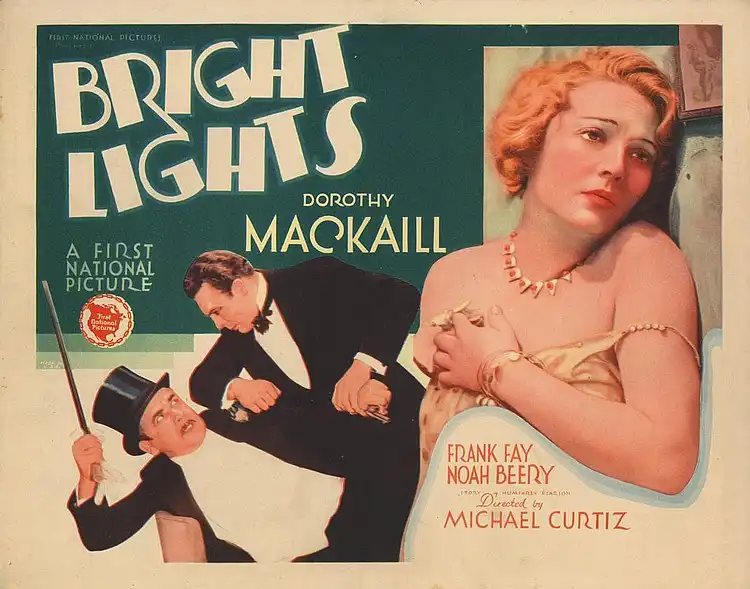
A definitive 5.6/10 rating for a film that redefined the boundaries of cult cinema. Bright Lights remains a cornerstone of transgressive art.
So, Bright Lights from 1930. Yeah, another one of those pre-Code whispers. You know, before the censors really cracked down hard.
This one's actually pretty interesting if you like watching folks navigate *messy* lives on screen. It’s definitely not for everyone, though.
If you want pristine visuals or snappy dialogue, you might find it a bit of a slog. But for those of us who appreciate a real peek into what early Hollywood was wrestling with, it's a worthwhile watch.
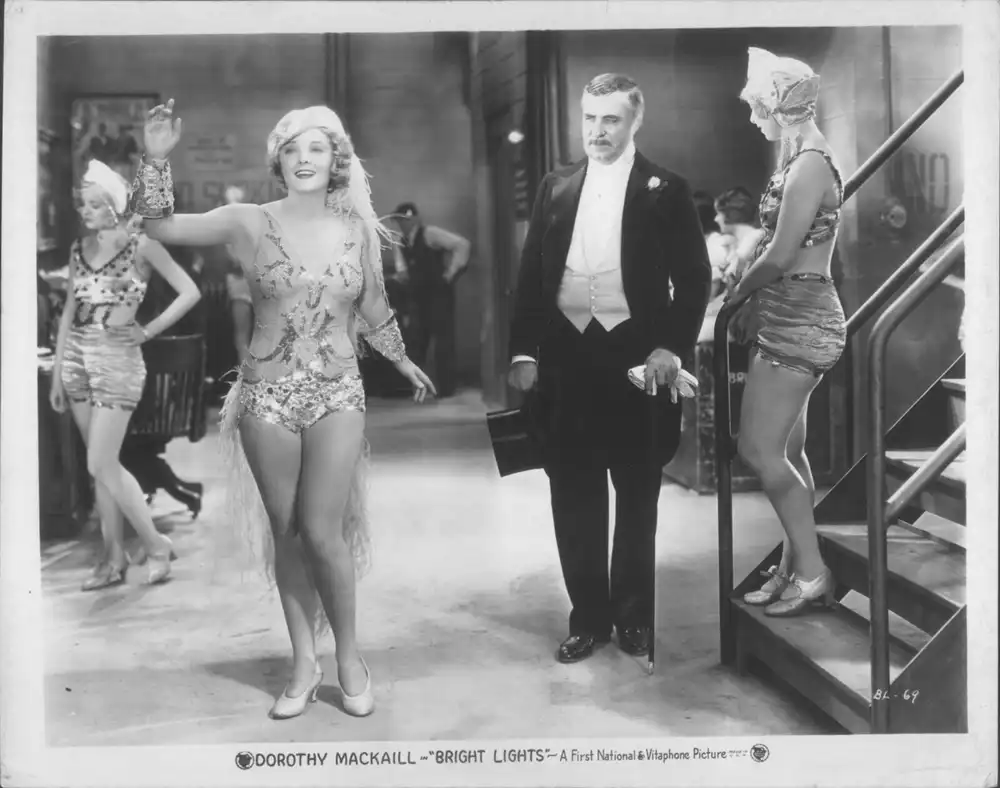
Dorothy Mackaill plays Louellen, a big Broadway star ready to hang up her dancing shoes. She wants to marry this wealthy guy, right? And she thinks she can just... *escape* her past.
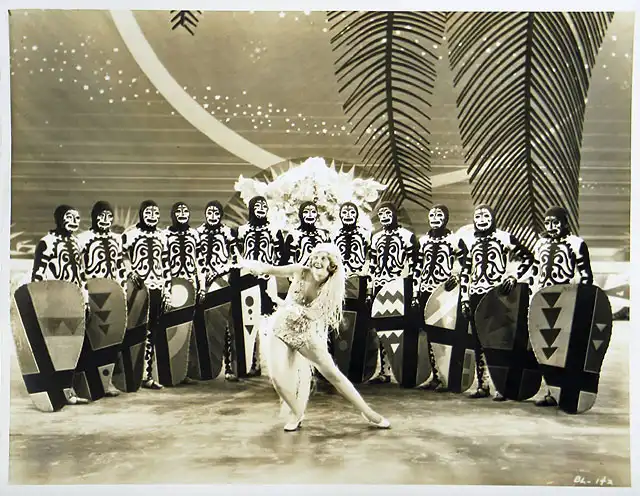
Like it's a stage curtain she can just pull down.
But oh no, the past has other plans. And this is where the movie really gets going, quickly too.
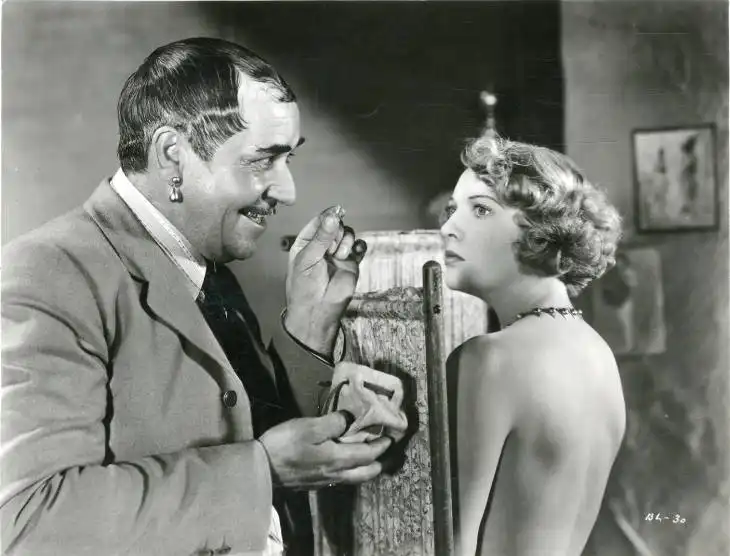
Her old flame, portrayed by Frank Fay, pops back up. He’s got that charming-but-dangerous vibe down pat. There's this one scene, where he just *appears* in her dressing room.
No big fanfare, just kinda there. You can feel the air change, seriously. Mackaill’s face in that moment, it says everything without a word, a real gut punch.
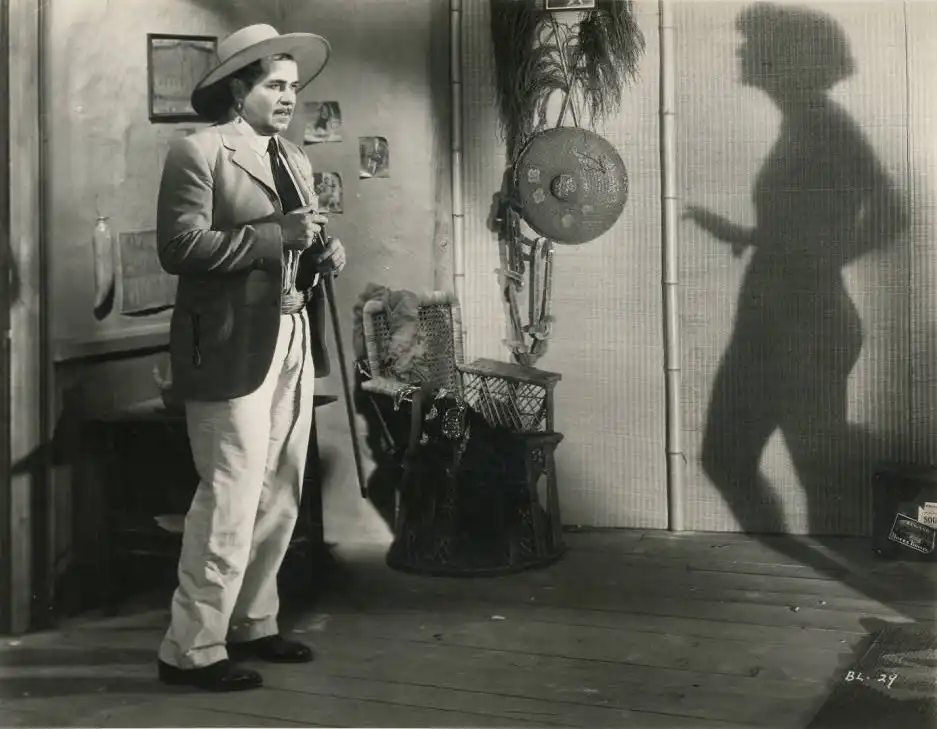
The whole setup feels a little frantic at times. They were rushing to get all the drama packed in. You see these quick cuts between Louellen's glamorous life and then these shadowy figures.
It's not always smooth, but adds a *nervous energy* to it all.
I was surprised by how much they let the characters get away with, verbally. Some of the lines feel pretty daring for the era.
There's a particular exchange about 'paying debts' that really makes you wonder what all went on before the movie even started. The script hints at a lot without ever really spelling it out, which is cool.
Frank McHugh, playing 'Mac', provides some genuine comic relief. His exasperated expressions are priceless.
You just *know* he's seen it all, working with Louellen. He’s like the anchor in all this dramatic mess.
There’s a little bit of a musical number, I think, very early on. It’s pretty standard for the time.
But the *real* show is the back-and-forth between Louellen and her past. It’s less about the songs and more about the secrets.
And speaking of secrets, there's this character played by John Carradine. He pops up for a few scenes, looking all shifty.
Not a huge role, but he just has this *presence*. You immediately wonder what he knows, or what he’s trying to stir up. It's a small detail, but it adds to the whole 'past catching up' feel.
One scene, where Louellen is trying to explain herself to her fiancé, just... *drags*. The camera holds on her for ages.
You can almost feel her trying to find the right words, or maybe the director just liked the shot. It’s a little awkward, but also kinda *real* in its discomfort.
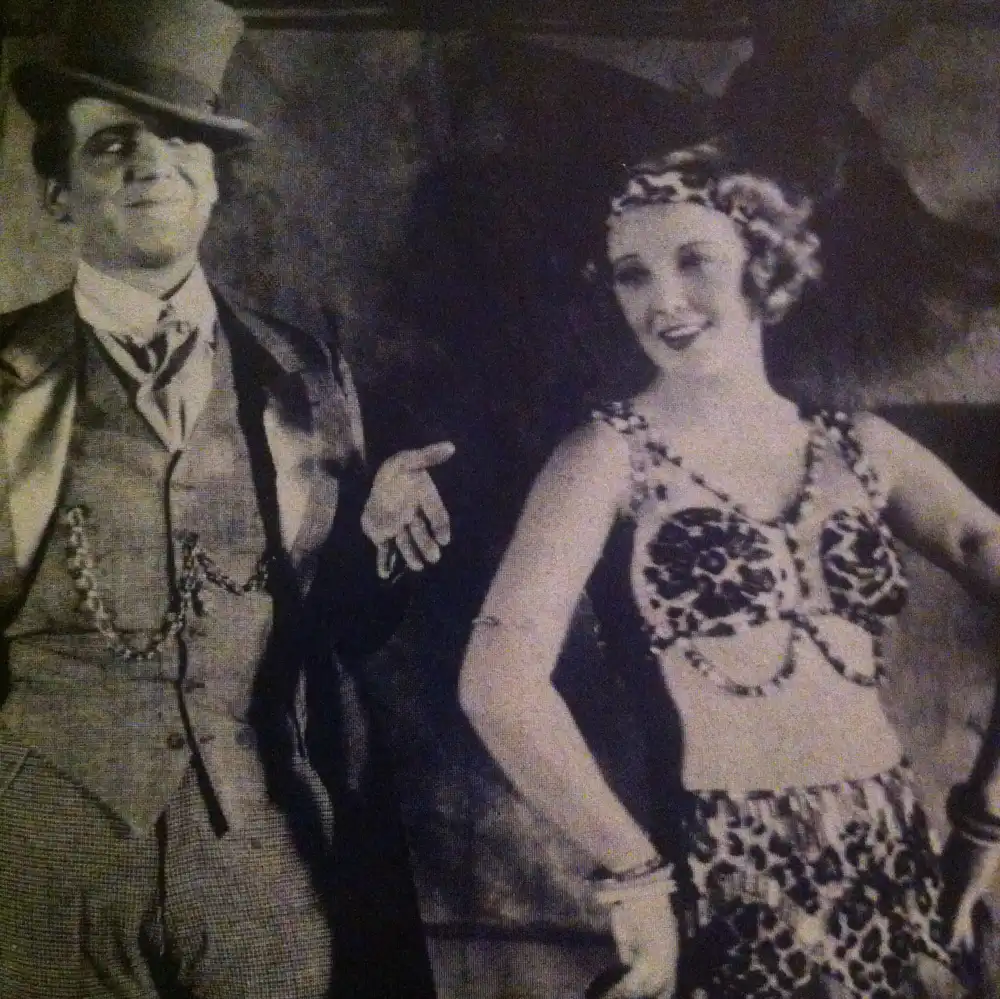
Don't get this one mixed up with the *other* Bright Lights from two years earlier, by the way. Totally different flick.
This one here is much more about the *personal* drama, not some kind of grand spectacle.
The supporting cast fills out the world quite well. Louise Beavers, as a maid, has this brief, knowing look at one point.
It's just a second, but it speaks volumes about the gossip she’s probably heard. Small details like that make the film feel a bit more lived-in, somehow.
The ending isn't neat. It doesn't wrap everything up with a pretty bow. And that's actually one of its strengths.
It leaves you thinking about the choices these characters made. And the compromises. *Definitely* compromises.
Overall, it’s a bit of a bumpy ride. The sound quality dips in spots, and some performances are a little over-the-top, even for 1930.
But it has a *grit* to it. A feeling that real lives are being lived, and real mistakes are being made. Worth a look if you're into that kind of thing. 🎬
IMDb —
1933
Community
Log in to comment.