DbcultAccessing Vault...
5.7/10
Senior Film Conservator
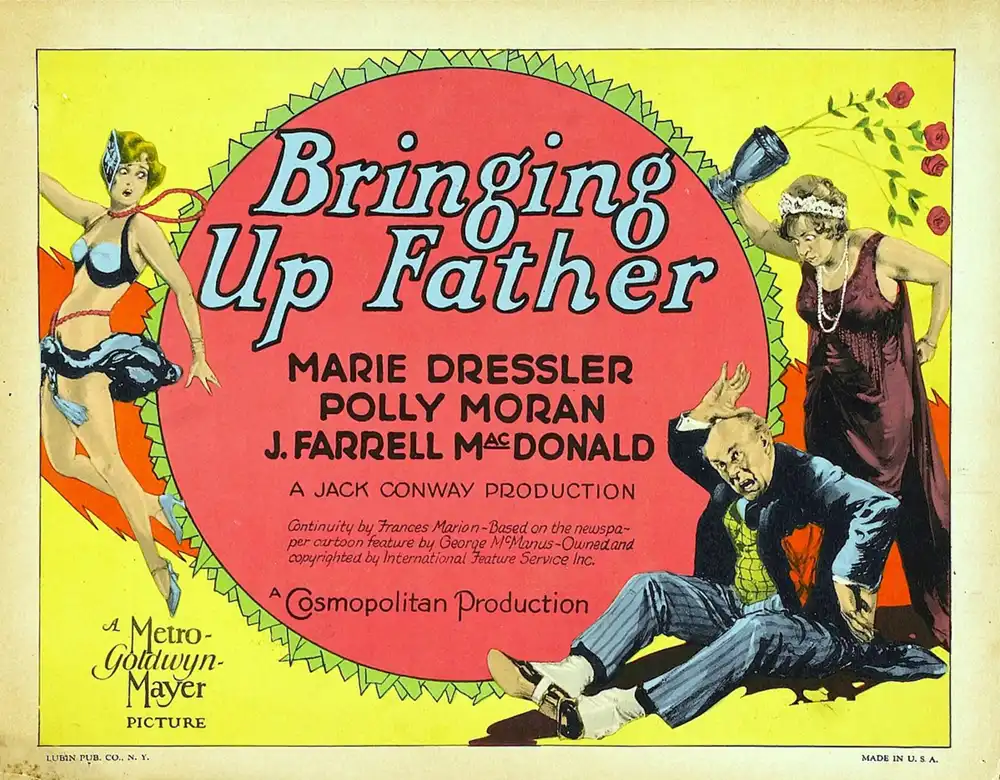
A definitive 5.7/10 rating for a film that redefined the boundaries of cult cinema. Bringing Up Father remains a cornerstone of transgressive art.
If you are looking for the sophisticated visual storytelling of a Murnau or the athletic grace of a Keaton, Bringing Up Father (1928) will likely frustrate you. However, if you have a soft spot for the rowdy, domestic warfare of early 20th-century comic strips, this film is a fascinating, if occasionally exhausting, time capsule. It is specifically for those who enjoy 'battle of the sexes' archetypes and the kind of broad, physical comedy that relies heavily on a rolling pin being a primary instrument of communication.
Modern audiences might find the central premise—a man faking his own death to get his wife's attention—a bit grim, but director Jack Conway treats it with the same weight as a slipped banana peel. It’s worth watching today primarily to see how MGM attempted to translate the specific visual language of George McManus’s iconic comic strip into a live-action feature during the twilight of the silent era.
The most striking thing about Bringing Up Father is how hard it tries to look like the funny pages. J. Farrell MacDonald, as Jiggs, is perfectly cast from a purely physical standpoint. He has the stout build, the slightly bewildered expression, and the stubborn grip on a cigar that defined the character for decades. Opposite him, Blanche Payson is a force of nature as Maggie. She towers over MacDonald, using her height to emphasize the power dynamic of their marriage. When she looms over him in their overly decorated mansion, you genuinely believe Jiggs would rather be back in a trench laying bricks.
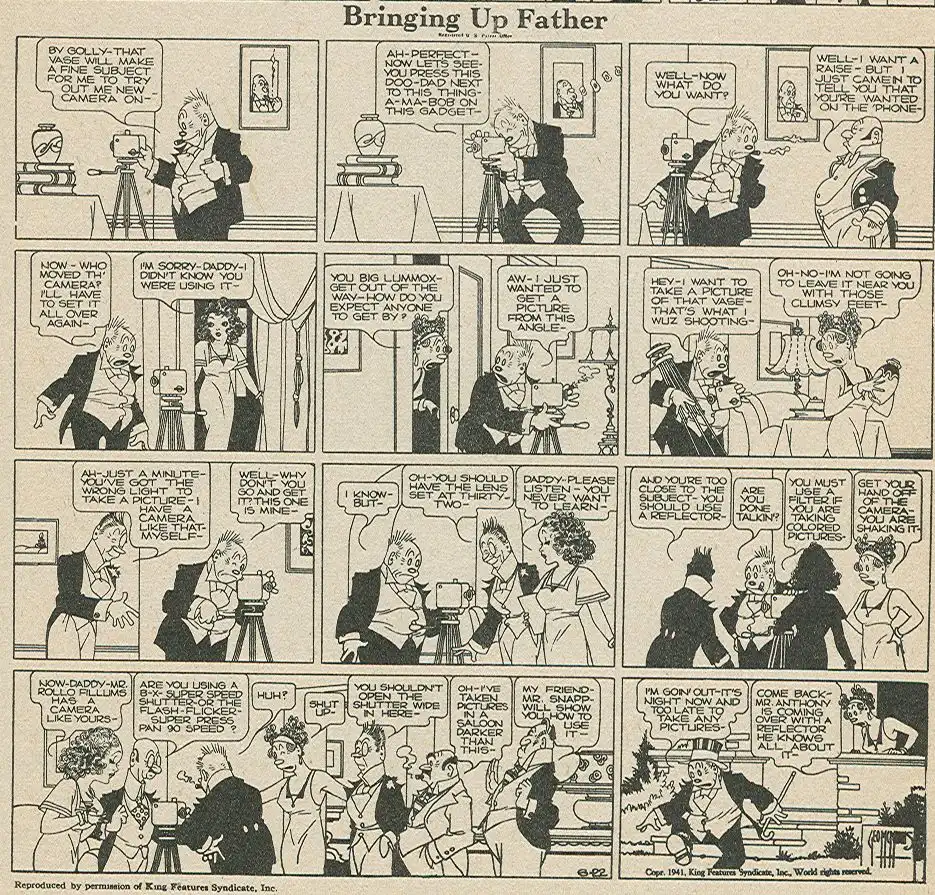
The production design deserves a mention for its intentional gaudiness. Maggie’s taste is portrayed as 'new money' run amok—statues, heavy drapes, and ornate furniture that feel like they’re closing in on Jiggs. This isn't just background; the set design actively participates in the comedy, making Jiggs look like a small, misplaced object in his own home. It captures that specific McManus aesthetic where every room feels like it’s trying to out-fancy the person standing in it.
While the film is ostensibly about Jiggs and Maggie, the real energy often comes from the supporting cast. Marie Dressler, appearing here before her massive late-career resurgence in the early 30s, plays Annie Moore. Dressler doesn't just act; she colonizes the screen. Her facial contortions and the way she handles a simple prop—like a teacup or a hat—provide a masterclass in silent character acting. There is a specific moment during the party sequence where her reaction shots to the 'high society' nonsense around her are funnier than the actual slapstick occurring in the foreground.
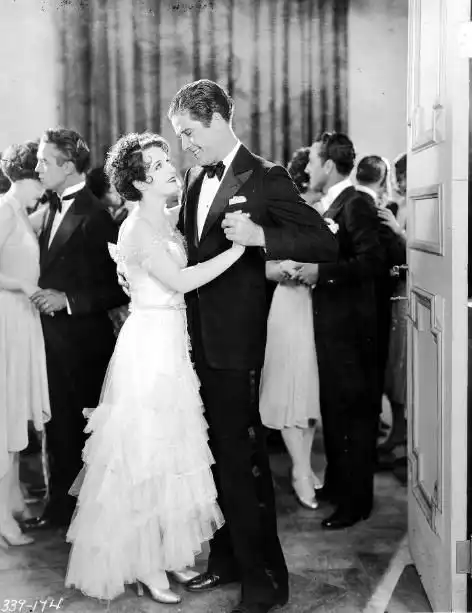
Polly Moran also shows up, and the chemistry between her and Dressler hints at the successful partnership they would later develop. Their presence elevates the film from a standard domestic comedy into something more anarchic. When they are on screen, the rhythm of the film picks up; when the focus shifts back to the romantic subplot involving the daughter and her suitors, the pacing noticeably drags.
The film’s middle act is where things get shaky. The decision for Jiggs to fake his suicide is handled with a strange mix of flippancy and prolonged setup. We spend a lot of time watching Jiggs prepare his 'departure,' and while some of the visual gags work—like his struggle with a rope that won't cooperate—the joke wears thin before the payoff arrives. The sequence where he hides and watches his own wake is the film's comedic centerpiece, and it does offer some genuinely funny moments of Jiggs reacting to the insincere eulogies of people who just want his money.
However, the editing rhythm here feels a bit slack. There are several overlong reaction shots of Maggie 'grieving' that don't quite land because the film has spent the first forty minutes establishing her as a comedic tyrant. You aren't sure if you’re supposed to feel for her or laugh at her, and the film doesn't seem to know either. This tonal inconsistency is a common trait in late-20s comedies that were trying to balance pathos with pratfalls, but here it just slows the momentum.
Technically, the film is polished, as one would expect from an MGM production of this vintage. The lighting is bright and flat, mimicking the look of a comic strip panel, which avoids the moody shadows that were becoming popular in more 'artistic' films of the time. The intertitles, written by Ralph Spence, are sharp and carry a lot of the comedic weight. Spence was known for his 'punchy' titles, and his work here helps bridge the gap between the physical gags.
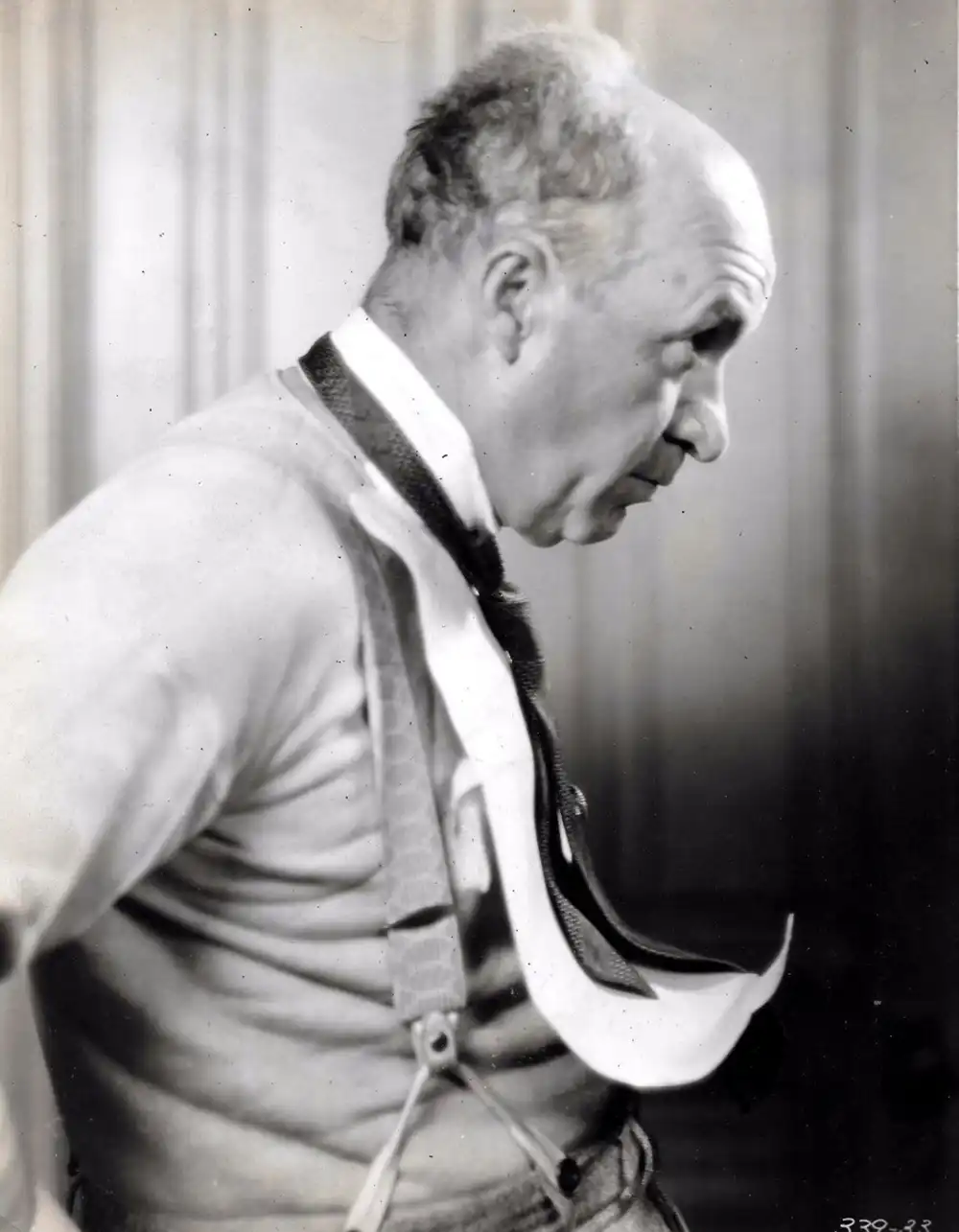
One detail only a focused viewer will catch is the recurring motif of Jiggs’ feet. Throughout the film, the camera frequently cuts to his feet—either nervously shuffling, trying to escape a room, or peeking out from under a curtain. It’s a subtle way of showing his discomfort in his own skin (and his own house) that doesn't require a title card to explain. It’s these small, human touches that keep the character from becoming a total caricature.
Compared to other 1928 releases like The Four-Flusher, which dealt with similar themes of social climbing and domestic friction, Bringing Up Father feels more 'cartoonish' in the literal sense. It doesn't have the heart of a film like Have a Heart, but it isn't trying to. It’s a loud, crashing comedy of manners that values a good bonk on the head over a subtle emotional beat.
The ending is predictable—the ruse is discovered, chaos ensues, and there is a tentative reconciliation that suggests nothing will actually change. Maggie will still want to be a duchess, and Jiggs will still want his corned beef. It’s the eternal status quo of the comic strip, and while it makes for a somewhat repetitive narrative, it’s undeniably faithful to the source material.
Bringing Up Father is a solid, upper-middle-tier silent comedy. It isn't a 'must-see' for the casual moviegoer, but for those interested in the history of adaptation, it’s a vital piece of the puzzle. It shows a studio trying to figure out how to satisfy a pre-existing fanbase while making the most of the physical talents of stars like MacDonald and Dressler. It’s a bit too long, and the central plot device is clunky, but there’s a genuine, unpretentious energy to the whole affair that is hard to dislike. If you can handle a bit of 1920s domestic stereotyping, the sight of Jiggs trying to navigate a world of velvet and violins is still worth a few laughs.
IMDb 5.7
1934
Community
Log in to comment.