DbcultAccessing Vault...
6.1/10
Senior Film Conservator
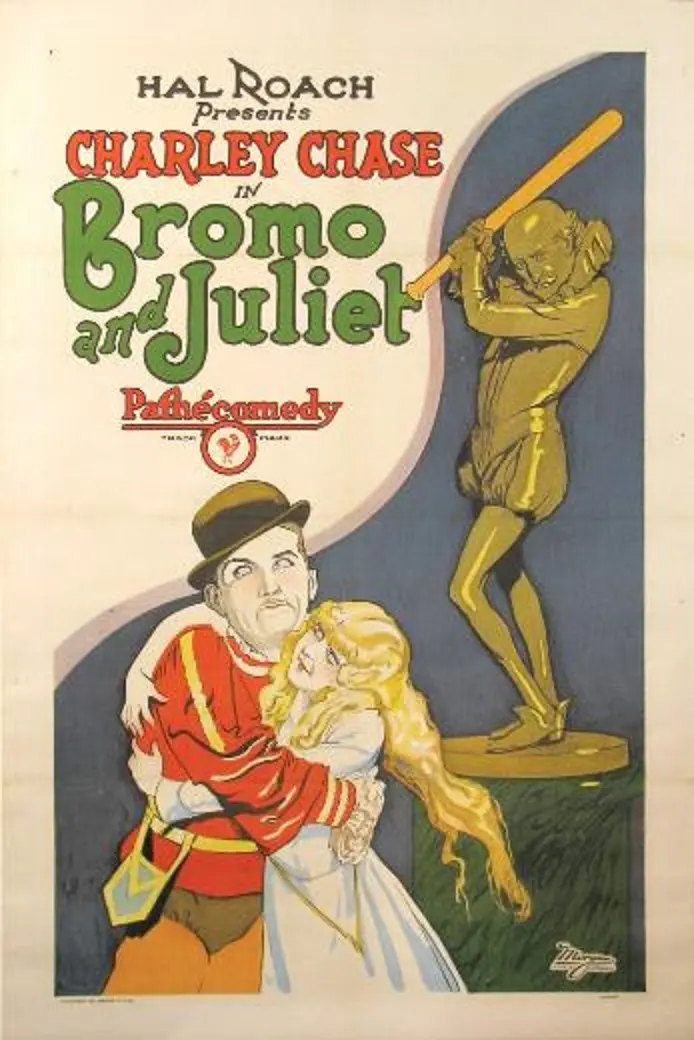
A definitive 6.1/10 rating for a film that redefined the boundaries of cult cinema. Bromo and Juliet remains a cornerstone of transgressive art.
Is Bromo and Juliet worth watching today? Short answer: yes, but only if you have an appetite for the specific, high-velocity slapstick that defined the mid-1920s Hal Roach era.
This film is for enthusiasts of silent comedy who want to see the building blocks of modern sitcoms. It is definitely NOT for those who find the repetitive nature of physical gags or the 'drunk' archetype of early cinema to be dated or offensive.
1) This film works because it masterfully balances three different plot threads that converge into a singular, explosive climax on a theatrical stage.
2) This film fails because the character of the cab driver is somewhat one-dimensional, serving more as a ticking clock than a fully realized comedic antagonist.
3) You should watch it if you want to witness the early, formative work of Oliver Hardy and Charley Chase (who served as a writer here) before they became icons.
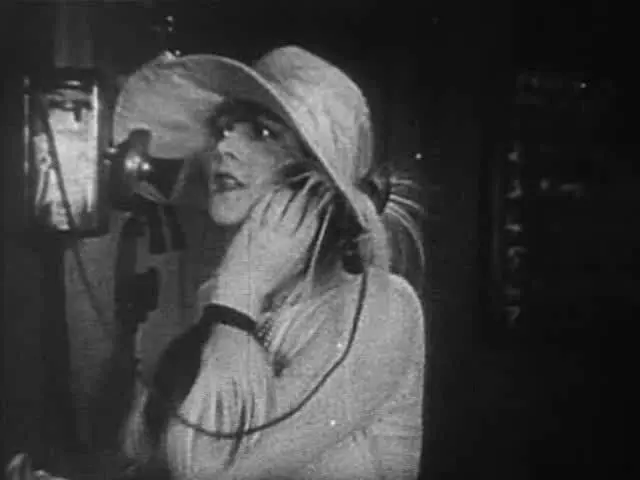
The title itself is a clever play on Bromo-Seltzer, a popular headache and hangover remedy of the time. This isn't just a throwaway joke; it sets the entire tone for the film's relationship with alcohol and consequences.
While films like The Perfect Flapper explored the glamorous side of 1920s rebellion, Bromo and Juliet looks at the messy, hungover reality of a father who cannot stay upright long enough for his son to save the family's reputation.
The physical comedy involving the father is brutal. There is a specific moment where Gillespie’s character tries to hide his father’s condition from the theater patrons that feels genuinely stressful. It works. But it’s flawed.
Bromo and Juliet is a vital watch for anyone interested in the evolution of the 'disaster performance' trope. If you enjoy modern shows like 'The Goes Wrong Show,' you can see the ancestral roots right here in 1926.
The film manages to extract humor from the anxiety of public failure. It’s a universal feeling. Even if you don't care about silent film history, the sight of a man trying to recite Shakespeare while a cab driver demands five dollars from the wings is objectively funny.
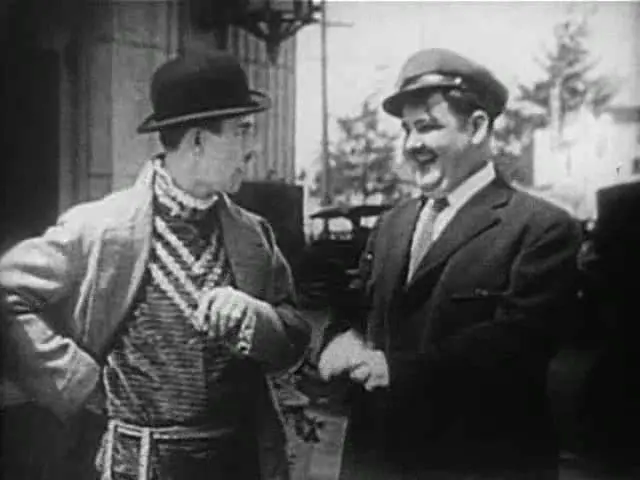
One of the most compelling reasons to revisit this short is the presence of Oliver Hardy. Here, he hasn't yet fully formed the 'Ollie' persona we know from his work with Stan Laurel, but the seeds are there.
Hardy’s timing is impeccable. Unlike some of his contemporaries who relied on wild gesticulation, Hardy uses his eyes and his girth to command the frame. He provides a groundedness that the frantic Gillespie occasionally lacks.
In a scene where the chaos reaches its peak, Hardy’s reaction shots serve as the audience's surrogate. He looks at the madness with a mix of resignation and professional obligation that is timeless.
The cinematography in Bromo and Juliet is functional, almost clinical, which was the standard for Roach comedies. They weren't trying to be 'art' in the way European cinema was at the time.
However, the use of depth in the theater scenes is impressive. You have the 'play' happening in the foreground, and the 'real world' (the cab driver and the drunk dad) intruding from the background and the wings.
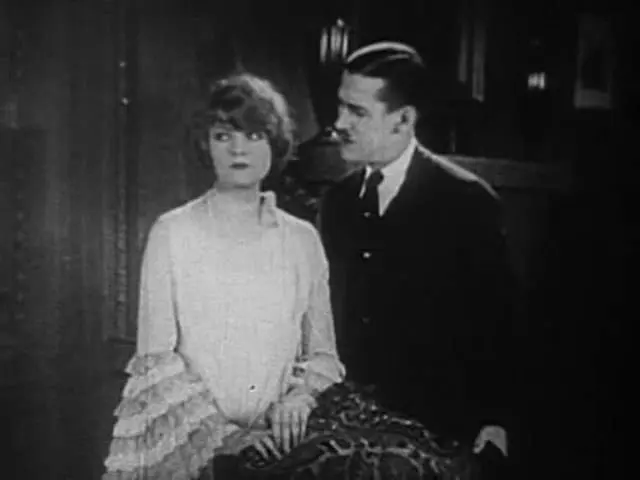
This layering creates a sense of claustrophobia. The protagonist is trapped. This visual strategy is much more sophisticated than what you see in earlier shorts like Percy, where the action is often flat and linear.
The film moves at a breakneck speed. At times, this is its greatest strength. The transition from the domestic setup to the theatrical climax feels like a runaway train.
But there are moments where the logic is sacrificed for the sake of a gag. The cab driver’s persistence, while funny, eventually stretches the limits of believability even for a slapstick world.
Compared to the more melodramatic pacing of The Moonstone, Bromo and Juliet feels like it's vibrating. It’s an exhausting watch, but in a way that feels intentional.
The choice of Romeo and Juliet is perfect. It represents the pinnacle of 'serious' culture. By dragging it through the mud of a debt-collection subplot, the writers (Alphin and Walker) are making a statement about the pretension of the era.
"The humor isn't just in the falling down; it's in the falling down while trying to be noble."
This is a trope we see repeated in films like The High Horse, where social standing is constantly threatened by base human needs. In Bromo, the 'base need' is simply to pay the cabbie and keep Dad from passing out in the middle of the Capulet tomb.
Pros:
Cons:
By 1926, silent comedy had reached its technical zenith. Filmmakers knew exactly how to trigger a laugh through editing and framing. Bromo and Juliet is a product of this peak efficiency.
It lacks the emotional depth of a Chaplin feature or the architectural genius of a Keaton film, but it possesses a 'working-class' comedy energy that is infectious. It feels like it was made for a rowdy theater audience.
When compared to the more somber Samhällets dom or the romantic fluff of Kærlighedsøen, Bromo stands out as a cynical, fast-paced alternative.
Bromo and Juliet is a loud, drunk, and delightful mess of a film. It doesn't ask for your respect; it demands your laughter. While it may not be the most 'important' film of 1926, it is certainly one of the most energetic.
The interplay between William Gillespie and the supporting cast creates a friction that still feels fresh. It’s a reminder that no matter the decade, there will always be something funny about a man trying to keep his dignity while his life falls apart in public.
Final Score: 7.5/10 - A must-watch for silent comedy completionists and a great entry point for newcomers.
IMDb 5.5
1935
Community
Log in to comment.