DbcultAccessing Vault...
7.7/10
Senior Film Conservator
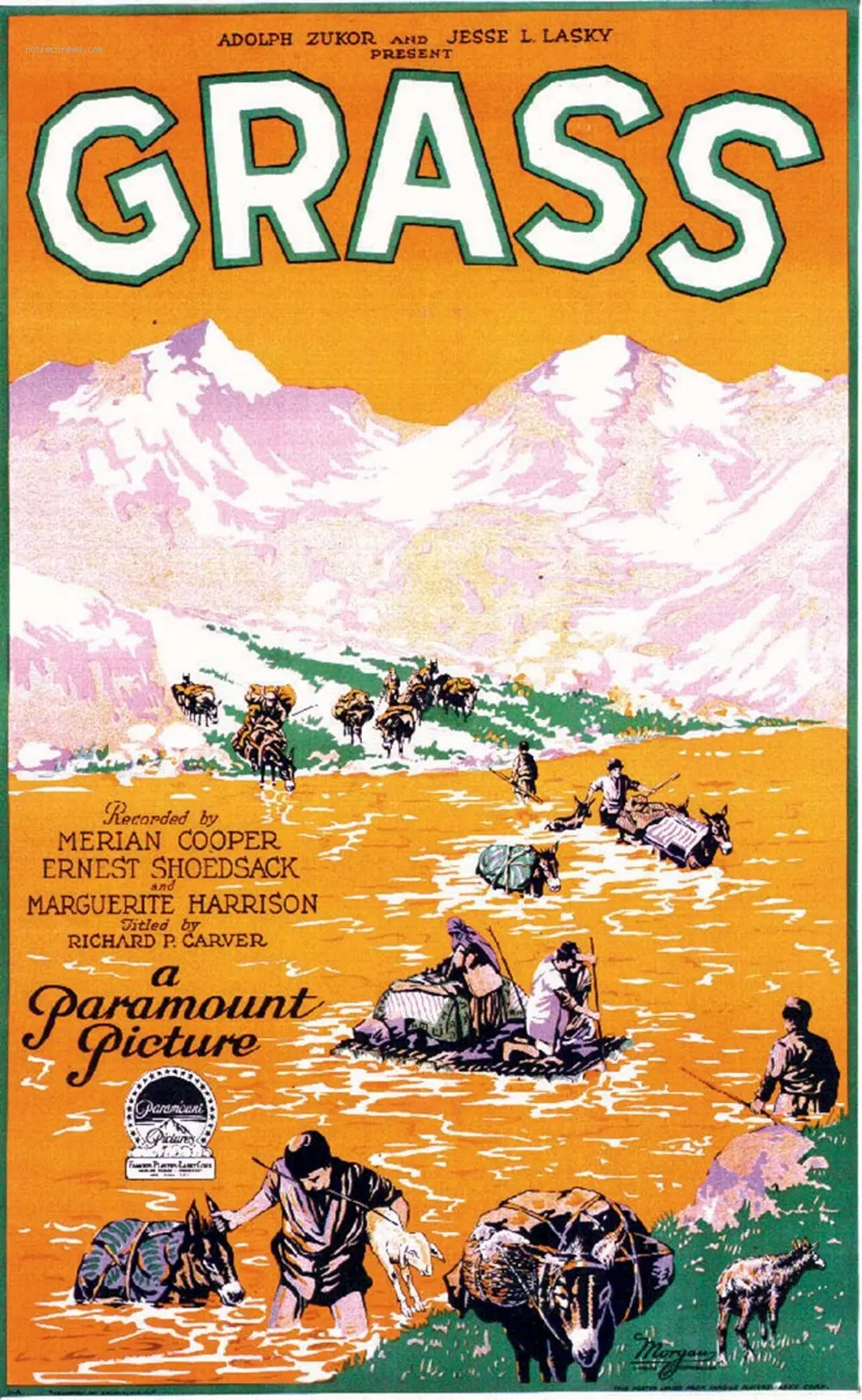
A definitive 7.7/10 rating for a film that redefined the boundaries of cult cinema. Grass: A Nation's Battle for Life remains a cornerstone of transgressive art.
In an era dominated by nascent narrative cinema, Merian C. Cooper and Ernest B. Schoedsack, names that would later resonate with the roars of King Kong, embarked upon a cinematic expedition of unparalleled ambition. Their 1925 masterpiece, 'Grass: A Nation's Battle for Life', stands as a monumental achievement, not merely as a pioneering ethnographic documentary but as a visceral testament to human and animal resilience. It transcends the mere chronicling of events; it is an immersion into the very sinews of survival, an unflinching portrayal of the Bakhtiari tribe's annual, arduous migration across the unforgiving landscapes of Persia. This film doesn't just show; it makes you feel the grit, the desperation, and the sheer, unyielding will to live that pulsates through every frame.
The premise is deceptively simple: a nomadic tribe must move its entire existence – tens of thousands of people, sheep, and goats – from the parched, winter-worn plains to the life-giving grasslands on the other side of colossal mountains. Yet, the execution of this annual pilgrimage is anything but. It is a saga writ large across a canvas of some of the world's most formidable terrain. The film opens with a stark introduction to the tribe's predicament, a visual essay on the desolation that necessitates such a monumental undertaking. The filmmakers, with a stark authenticity that remains breathtaking even today, capture the preparations, the collective anxiety, and the nascent hope that fuels this exodus. It's a striking contrast to the manufactured dramas of contemporary cinema, films like The West~Bound Limited or Eyes of Youth, which, while entertaining, offered escapism rather than the raw, unvarnished truth of existence. Cooper and Schoedsack, alongside writers Richard Carver and Terry Ramsaye, understood that the most compelling drama was often found in reality itself.

The sheer scale of the migration is almost incomprehensible. Imagine an entire community, not just individuals, but families spanning generations, all their worldly possessions, and most crucially, their entire livelihood in the form of livestock, embarking on a journey that would challenge even modern logistical capabilities. The viewer becomes a silent participant, witnessing the meticulous planning, the communal effort, and the individual acts of courage that define this annual ritual. Every step is a gamble, every decision potentially life-altering. The film masterfully builds this tension, drawing you into the rhythms of a life utterly dependent on the natural world, and utterly at its mercy.
Perhaps the most iconic and harrowing sequence in 'Grass' is the crossing of the Karun River. This isn't a gentle stream; it's a raging, icy torrent, swollen with snowmelt, presenting an almost insurmountable barrier. The filmmakers capture this pivotal moment with an astonishing blend of anthropological observation and cinematic artistry. We see the Bakhtiari construct makeshift rafts, bundles of inflated goatskins lashed together, upon which they ferry their elderly, their children, and their most precious possessions. The imagery is indelible: human chains struggling against the powerful current, the terrified bleating of thousands of sheep and goats pushed into the frigid water, swimming for their lives, often swept downstream, some perishing in the process. It's a scene of primal chaos and incredible order, a testament to collective will. The sheer danger is palpable, a stark reminder that this is not a staged event but an authentic portrayal of a life-or-death struggle. The camera, often placed precariously close to the action, becomes an extension of the viewer's eye, making us feel the spray, hear the cries, and witness the desperate heroism.
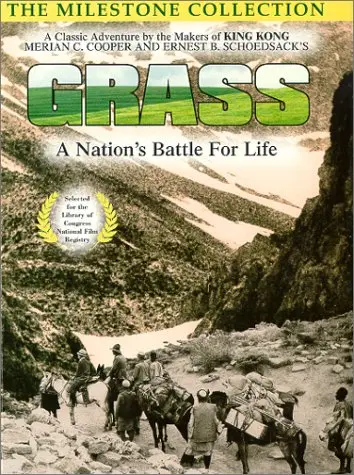
This river crossing sequence alone elevates 'Grass' beyond a mere travelogue. It is an essay on the human spirit's capacity to confront and overcome seemingly impossible obstacles. The filmmakers' decision to foreground these moments of intense struggle, rather than sanitize them, gives the film its enduring power. It speaks to a universal truth about the challenges of existence, a theme that resonates far beyond the specific cultural context of the Bakhtiari. While films like The Danger Line might have explored metaphorical boundaries, 'Grass' confronts physical, life-threatening ones with unflinching realism.
Having survived the watery gauntlet, the tribe faces an even more formidable adversary: the Zard-Kuh, a towering, snow-capped mountain range. Here, the struggle shifts from water to ice, from current to altitude. The visuals are breathtaking – endless lines of people and animals snaking their way up steep, treacherous slopes, often through deep snow and over perilous ice fields. The filmmakers' decision to undertake this journey alongside the Bakhtiari, enduring the same privations and dangers, lends an unparalleled authenticity to their footage. They were not detached observers but active participants, their dedication evident in every frame. This level of immersion was revolutionary for its time, setting a precedent for future documentary filmmakers who sought to capture the unvarnished truth of human experience.
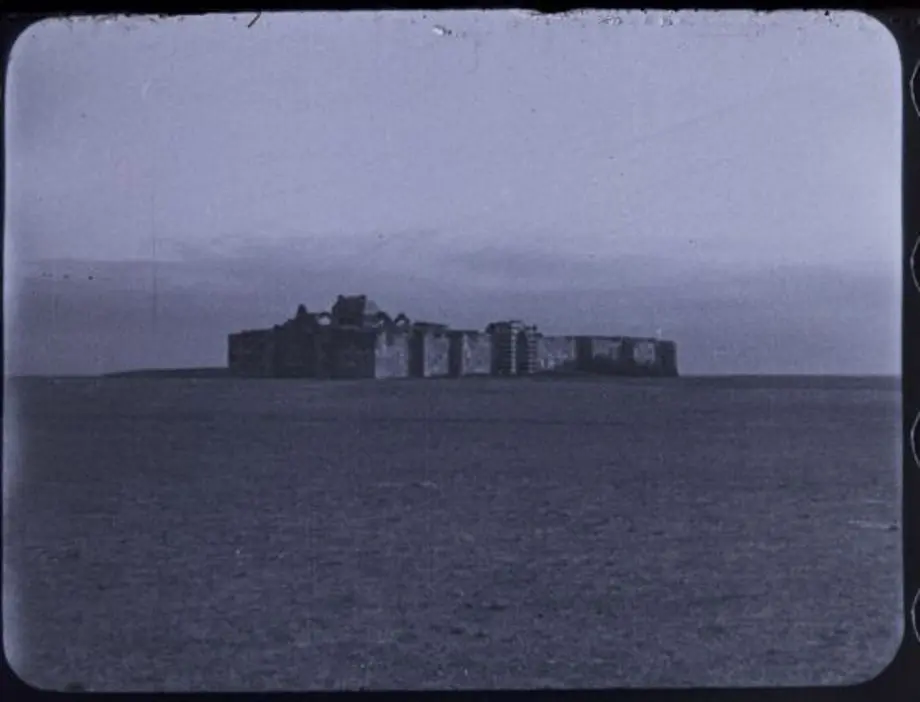
The ascent of Zard-Kuh is a slow, grinding battle against exhaustion and exposure. Animals slip and fall; people struggle to keep going, their faces etched with weariness. The children, carried on backs or encouraged to take one more step, represent the future, the reason for this relentless push. The film doesn't shy away from depicting the sacrifices, the losses, the sheer physical toll this journey exacts. Yet, amidst the hardship, there are moments of profound beauty: the vastness of the landscape, the stoicism of the people, the bond between humans and their animals. It's a stark reminder of humanity's place within the natural order, neither fully dominant nor entirely submissive, but perpetually striving for balance.
Merian C. Cooper and Ernest B. Schoedsack were more than just directors; they were adventurers, explorers, and visionaries. Their approach to filmmaking was radical for its time, blending documentary realism with a dramatic sensibility. They understood that to truly capture the essence of the Bakhtiari's struggle, they had to live it. This wasn't a studio production; it was filmmaking at the edge of the world, with all the attendant risks and rewards. Their work on 'Grass', along with their subsequent film 'Chang', paved the way for a genre of adventure documentary that sought to explore remote cultures and extreme environments. Their influence can be seen in countless films that followed, from early ethnographic studies to modern survival epics. They were, in essence, chroniclers of the untamed, unafraid to confront the brutal truths of existence.
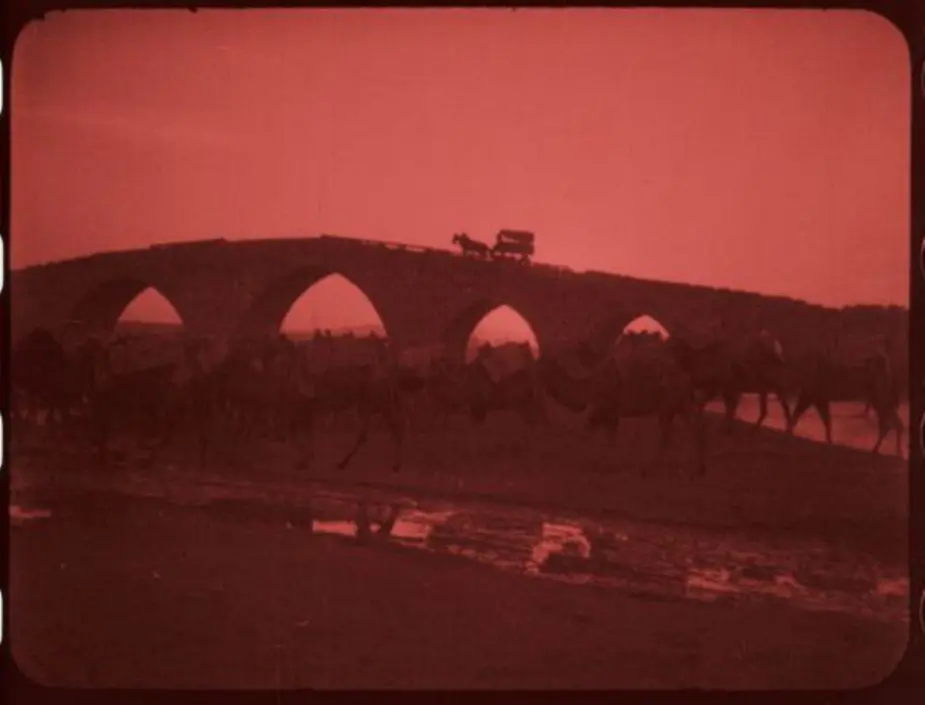
The technical challenges they overcame were immense. Filming in remote, mountainous regions with cumbersome early 20th-century equipment, without electricity or modern transportation, was an undertaking that few would even consider. Their dedication to capturing these images, often at great personal risk, speaks volumes about their passion for storytelling and their belief in the power of the moving image to transport audiences to distant worlds. Richard Carver and Terry Ramsaye, credited as writers, helped shape the narrative flow and contextualize the visuals, providing the framework that allowed the raw footage to coalesce into a compelling story. Their collaboration created a film that, despite its silent format, speaks volumes through its powerful visuals and inherent drama.
Upon finally reaching the lush grasslands, the sense of relief is palpable, both for the tribe and for the viewer. It's a hard-won victory, a testament to perseverance against overwhelming odds. The final scenes, depicting the Bakhtiari and their animals luxuriating in the verdant pastures, are not merely a happy ending but a profound affirmation of life and the cyclical nature of their struggle. The film concludes not with a triumphant flourish, but with a quiet understanding that this battle, once won, will be fought again next year. This cyclical reality underscores the film's timeless message about the human condition and our intrinsic connection to the environment.
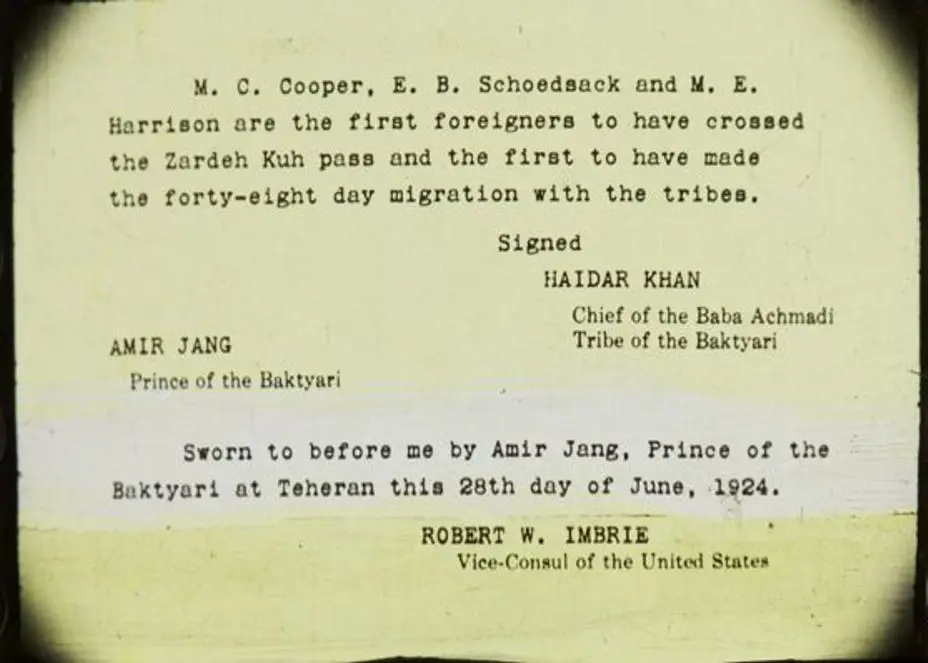
'Grass: A Nation's Battle for Life' remains a vital piece of cinematic history. It's not just a window into a specific culture at a specific time; it's a universal narrative of survival, adaptation, and the sheer force of will. In an age where digital manipulation can create any spectacle, the raw, unadorned authenticity of Cooper and Schoedsack's work feels even more potent. It reminds us of the power of cinema to document, to educate, and to evoke empathy. While many films of its era, such as Naked Hearts or Charge It to Me, focused on fictionalized emotional dramas, 'Grass' offered an unfiltered glimpse into a real drama playing out on the grandest stage imaginable.
Watching it today, one is struck by the timelessness of its themes. The struggle for resources, the migration of peoples, the impact of climate and geography on human existence – these are issues that continue to resonate globally. The film serves as a powerful reminder of the diverse ways in which humanity has adapted to and thrived within challenging environments. It's a film that demands to be seen, not just as a historical artifact, but as a living document of courage and the enduring spirit of life. It’s a foundational text in the canon of documentary filmmaking, a testament to the idea that truth, when captured with vision and daring, can be far more compelling than any fiction. The profound respect the filmmakers show for the Bakhtiari, despite the immense cultural differences, elevates the film beyond mere observation to a work of profound humanistic inquiry. Their ability to convey the dignity and resilience of the tribe, even in their most vulnerable moments, is a testament to their skill and empathy. This is a film that doesn't just inform; it inspires and humbles. It's a cinematic journey that stays with you long after the credits roll, a vivid portrait of life lived on the edge, pushing boundaries, and finding strength in unity. It is, unequivocally, a masterclass in capturing the essence of a nation's battle for its very life.
IMDb —
1916
Community
Log in to comment.