DbcultAccessing Vault...
7.2/10
Senior Film Conservator
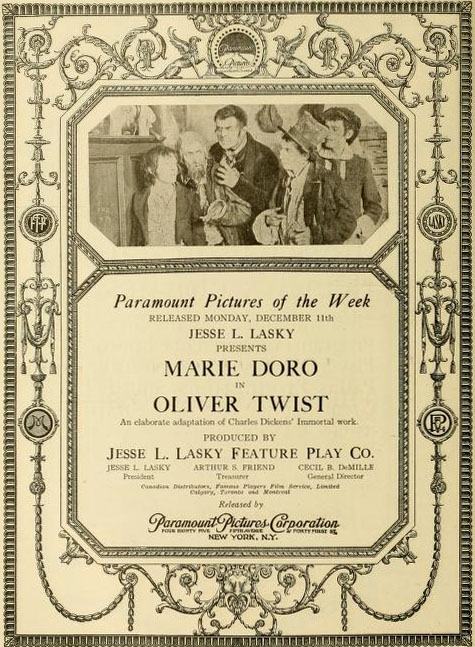
A definitive 7.2/10 rating for a film that redefined the boundaries of cult cinema. Oliver Twist remains a cornerstone of transgressive art.
Stepping back into the cinematic annals of 1916, one encounters James Young's ambitious silent film rendition of Charles Dickens' immortal classic, Oliver Twist. This isn't merely a historical curiosity; it's a testament to the burgeoning art form's capacity for narrative depth and emotional resonance, even without spoken dialogue. In an era where storytelling on screen was still finding its voice, Young, alongside writers Winthrop Ames and James Young himself, faced the formidable task of translating Dickens' intricate social tapestry and memorable characterizations into a purely visual medium. The result is a fascinating artifact, a window into how early cinema grappled with literary giants, offering a unique perspective on a story that has captivated audiences for generations.
The challenge of adapting a novel as sprawling and dialogue-rich as Oliver Twist for the silent screen cannot be overstated. Dickens' genius lay not only in his intricate plots but also in his vivid descriptions and the distinctive voices of his characters. Without the benefit of audible speech, the 1916 production had to rely heavily on visual cues, exaggerated performances, and the judicious use of intertitles to convey exposition, dialogue, and internal thought. Director James Young orchestrates this delicate balance with considerable skill, understanding that the camera's gaze could be as potent as a thousand words. He utilizes close-ups to emphasize emotional states, wide shots to establish the oppressive urban landscape, and dynamic editing to propel the narrative forward. The film becomes a masterclass in non-verbal communication, where a raised eyebrow, a furtive glance, or a trembling hand speaks volumes, drawing the audience into Oliver's plight with a visceral immediacy.
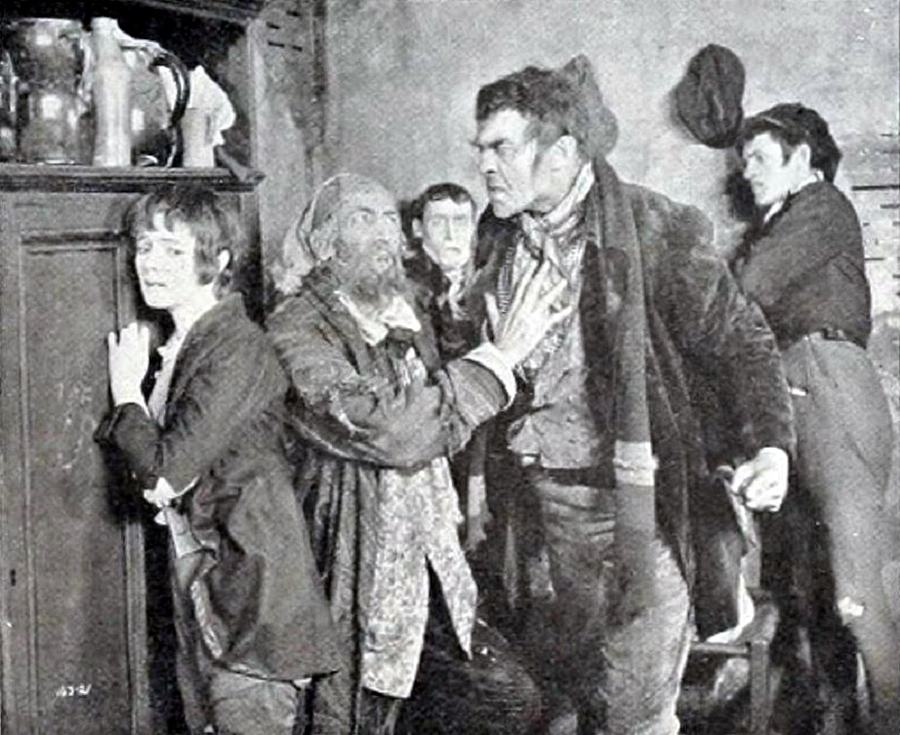
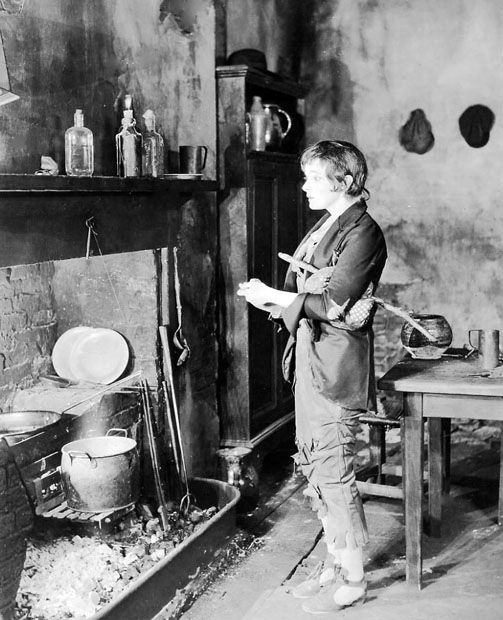
The choice of cast was paramount in this silent endeavor. Marie Doro, a stage actress of considerable renown, takes on the titular role of Oliver. Her portrayal is notably distinct, as she was a woman playing a boy, a common practice in early cinema for roles requiring a certain delicate innocence. Doro imbues Oliver with a pervasive sense of fragility and wide-eyed vulnerability, her large, expressive eyes conveying the character's inherent goodness amidst the squalor. Her physical performance, often characterized by a shrinking posture and hesitant movements, effectively communicates Oliver's terror and confusion in the face of relentless cruelty. This casting choice, while perhaps unconventional by modern standards, lends an ethereal quality to Oliver, emphasizing his purity against the backdrop of pervasive corruption.
No discussion of Oliver Twist would be complete without acknowledging the unforgettable rogues' gallery that populates its pages and its screen adaptations. Tully Marshall's Fagin is a standout performance, a truly grotesque and menacing figure. Marshall's portrayal leans into the theatricality of the silent era, with exaggerated gestures and facial expressions that perfectly capture Fagin's avarice, cunning, and underlying depravity. His hunched posture, his long, grasping fingers, and his sinister grin create a character that is both repulsive and compelling. It’s a performance that doesn’t shy away from the character's darker aspects, making Fagin a genuinely unsettling presence on screen. This interpretation of Fagin, while deeply rooted in the sensationalism of the period, remains effective in conveying the character's pivotal role as the corrupting influence.
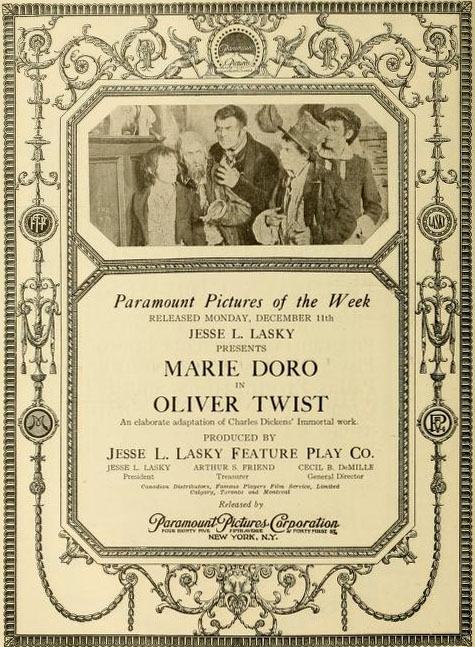
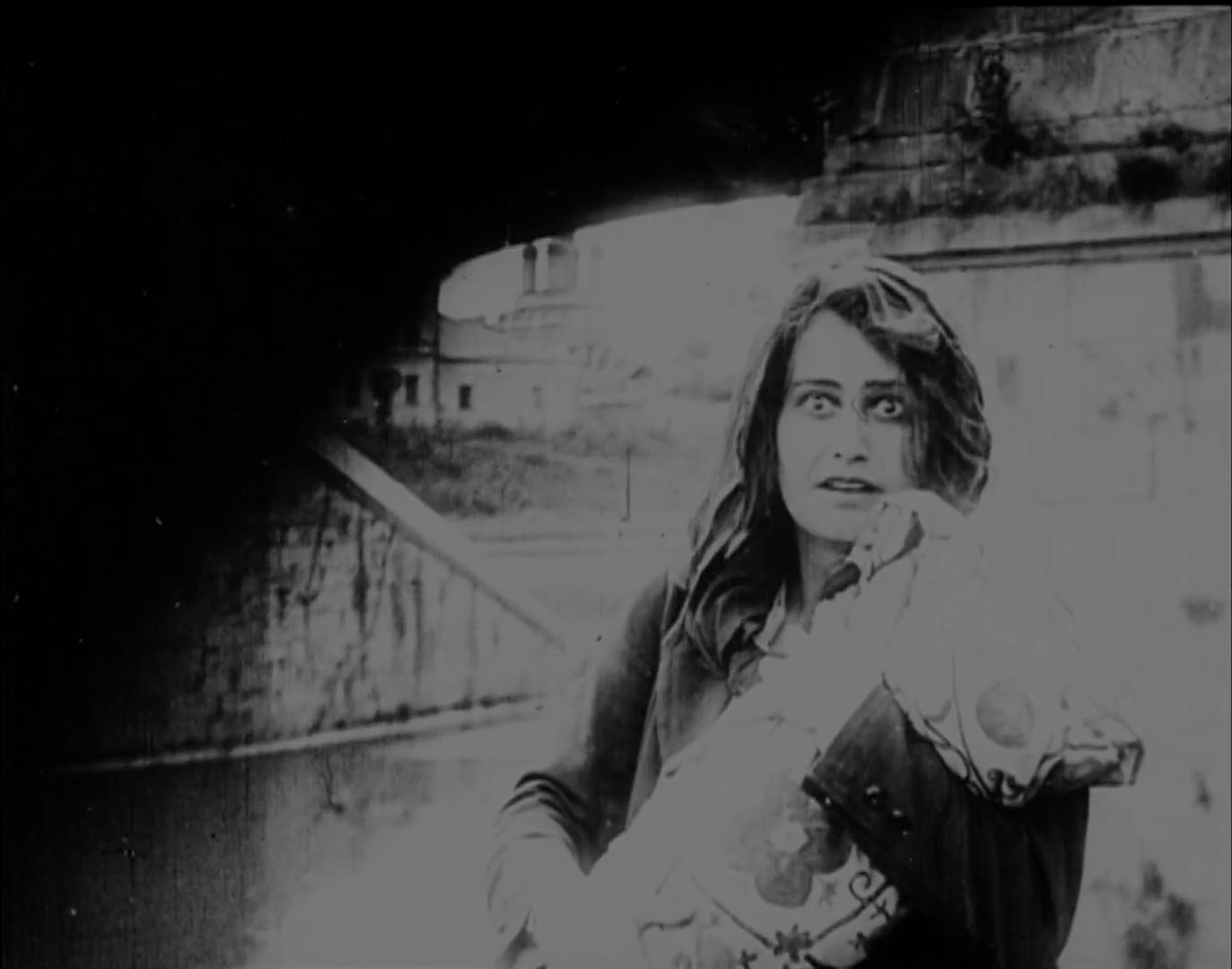
The supporting cast, too, delivers memorable turns. Hobart Bosworth as Bill Sikes is a terrifying force of brutal, unthinking violence. His physical presence dominates the screen, embodying the raw, untamed danger that Oliver faces. Edythe Chapman provides a poignant portrayal of Nancy, a character trapped in a life of crime but with a spark of humanity that ultimately leads to her tragic end. Her struggles are communicated through subtle shifts in expression and body language, making her eventual sacrifice all the more heartbreaking. Even smaller roles, such as Harry L. Rattenberry as Mr. Bumble or George Hackathorne as the Artful Dodger, contribute significantly to the film's rich tapestry, each actor understanding the need for clear, impactful visual storytelling.
James Young's direction is characterized by a keen eye for visual storytelling, a necessity in the silent era. The film effectively uses set design and lighting to evoke the grim atmosphere of Dickensian London. The squalid interiors of Fagin's lair are convincingly rendered, contrasting sharply with the relative opulence of the Maylie household. Outdoor scenes of London's bustling streets, though likely filmed on studio sets or carefully chosen backlots, manage to convey a sense of the city's vastness and indifference to individual suffering. The cinematography, while basic by today's standards, is functional and often evocative, using available light to create stark contrasts between light and shadow, mirroring the moral chiaroscuro of the narrative.
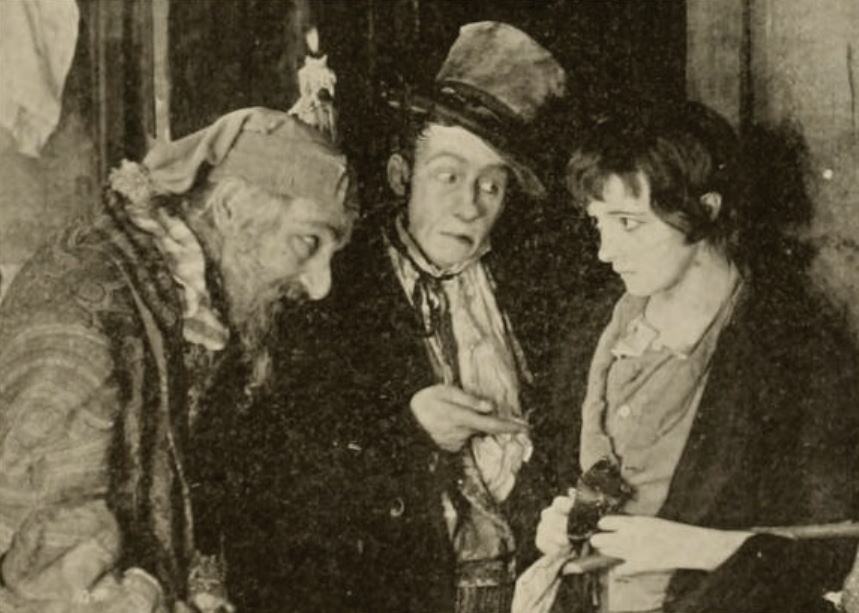
The pacing of the film is deliberate, allowing moments of tension and emotional weight to fully register. Young understands that silent film thrives on sustained gazes and carefully composed tableaux. While some modern viewers might find the rhythm slower than contemporary cinema, it reflects the narrative conventions of its time, inviting audiences to immerse themselves more deeply in each scene. The use of chase sequences and dramatic confrontations, particularly the climax involving Sikes, demonstrates an early mastery of cinematic suspense, proving that thrilling narratives were not exclusive to sound films.
At its heart, Oliver Twist is a scathing indictment of social injustice and the devastating impact of poverty on innocent lives. The 1916 film, even without Dickens' direct prose, powerfully conveys these themes. Oliver's journey from the workhouse to the criminal underworld, and his eventual salvation, serves as a narrative arc that explores the enduring power of innate goodness against overwhelming adversity. The film implicitly critiques the systemic failures that allowed children to be exploited and brutalized, a message that resonated strongly in 1916, a period still grappling with significant social inequalities and the aftermath of industrialization.
The concept of inherent purity versus environmental corruption is central to both the novel and this adaptation. Oliver, despite being exposed to the vilest elements of society, never truly succumbs to their influence. This steadfast moral compass is a beacon in the film's often bleak landscape. His struggle for survival, punctuated by moments of genuine kindness from figures like Mr. Brownlow and Rose Maylie, highlights the contrast between human depravity and compassion. The film, through its visual narrative, effectively champions the idea that empathy and moral fortitude can triumph over the most dire circumstances, even if such triumphs are hard-won and rare.
To fully appreciate Oliver Twist (1916), it's essential to place it within the context of early 20th-century cinema. This was a time of rapid innovation, where filmmakers were still experimenting with narrative structures, camera techniques, and the very language of film. The 1916 version stands as an important example of how literary adaptations were approached, attempting to capture the essence of beloved stories for a mass audience. It predates many of the more famous sound adaptations, offering a raw, unadorned vision of Dickens' world, filtered through the specific capabilities and limitations of the silent era.
Comparing it to another literary adaptation of the period, one might consider the challenges faced by films like Jane Eyre, also a product of the silent era. Both films grapple with themes of orphanhood, social class, and moral perseverance. While Jane Eyre focuses on the trials of a young woman finding her place and love, Oliver Twist delves deeper into the societal mechanisms that create and perpetuate suffering. Both, however, highlight the resilience of the human spirit against overwhelming odds, using the visual grammar of silent film to convey complex emotional landscapes. The success of these adaptations lay in their ability to distill the core emotional and thematic content of their source material into a universally understandable visual narrative, transcending the absence of spoken dialogue.
The film's impact, though perhaps overshadowed by later, more technically advanced adaptations, should not be underestimated. It contributed to the ongoing popularization of Dickens' work through a new medium and provided early audiences with a compelling cinematic experience. It also serves as a valuable historical document, showcasing the acting styles, directorial choices, and production values that defined American cinema in the mid-1910s. The performances, especially Doro's Oliver and Marshall's Fagin, offer a fascinating study in the art of silent screen acting, where every gesture and expression carried immense weight.
In conclusion, James Young's Oliver Twist (1916) is far more than a mere curio from cinema's nascent years. It is a thoughtful, often powerful, interpretation of a timeless story, demonstrating the burgeoning sophistication of silent filmmaking. The film's ability to evoke sympathy for its protagonist, revulsion for its villains, and hope for eventual justice, all without a single spoken word, is a testament to the universal language of visual storytelling. It stands as a significant milestone in the history of Dickens adaptations, offering a unique, atmospheric, and deeply human portrayal of London's desperate and dangerous underbelly. For enthusiasts of classic literature and early cinema alike, this silent rendition provides a profound and enriching experience, reminding us of the enduring power of narrative and the innovative spirit of filmmaking in its formative decades.
IMDb 6.8
1932
Community
Log in to comment.