DbcultAccessing Vault...
5.6/10
Senior Film Conservator
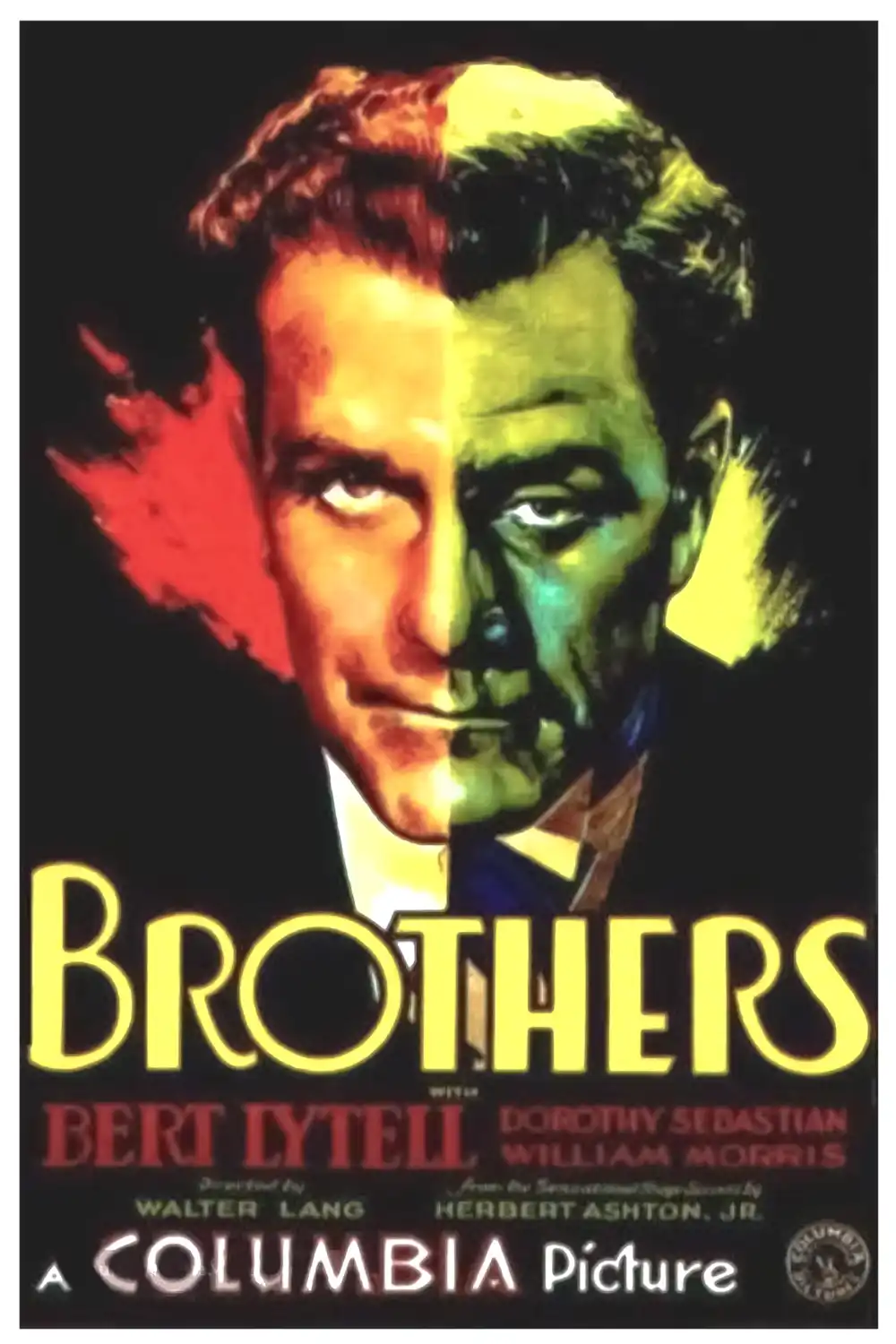
A definitive 5.6/10 rating for a film that redefined the boundaries of cult cinema. Brothers remains a cornerstone of transgressive art.
So, 'Brothers' from 1930. Is it a must-see today? Probably not for most folks, unless you're really into early talkies and seeing how they wrestled with sound. If you like melodramas where good and bad twins get mixed up, you might find some fun here. But if creaky dialogue and a very stagey feel drives you nuts, best to skip it. 😅
The setup is pure old-school melodrama: identical twins, Bob and Eddie, separated at infancy. One gets the rich life, the other, well, not so much. Bob grows up with all the advantages, but he's a rotten drunk with no moral compass. Eddie, on the other hand, is a decent piano man in a speakeasy, a real good guy.
Things get properly messy when Bob, the bad one, commits a murder. And because life loves a good cruel twist, Eddie gets blamed. Suddenly, our good brother is facing life in prison for something his evil twin did. You just know this is going to be a wild ride. Or, at least, as wild as 1930 cinema allowed.
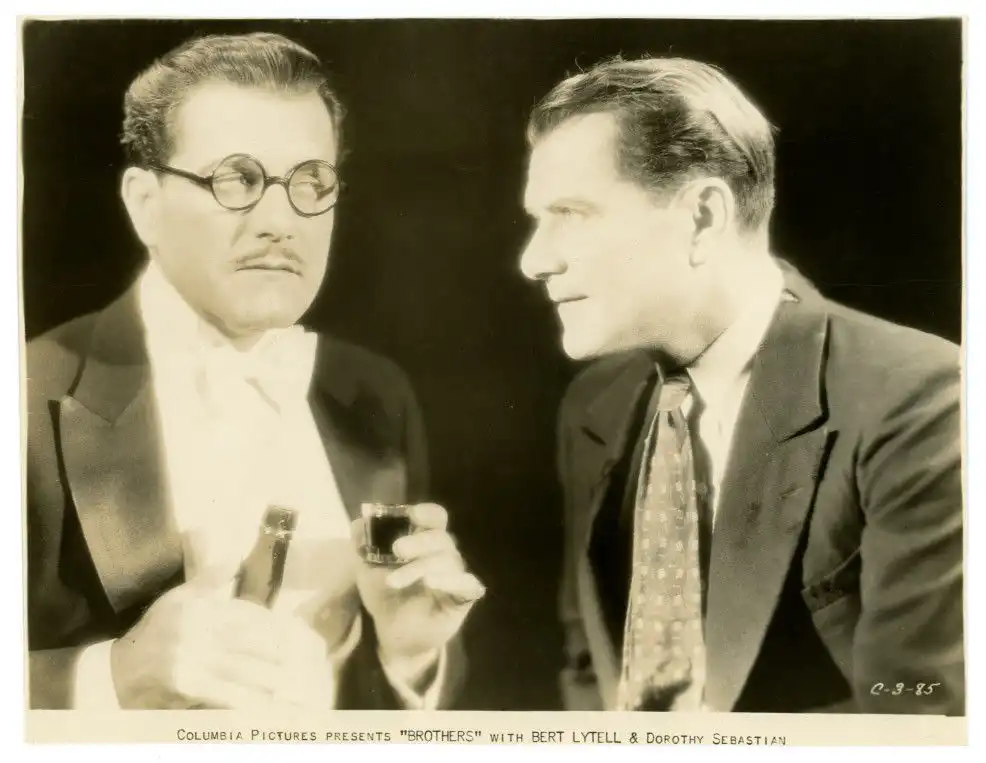
Bert Lytell plays both brothers, and you gotta give him credit for trying. He really puts in the work to make Bob look slick and *mean*, then switches gears to make Eddie seem earnest and *suffering*. The visual effects for when they’re in the same shot? Simple split screens, a bit obvious now, but you can feel the effort there.
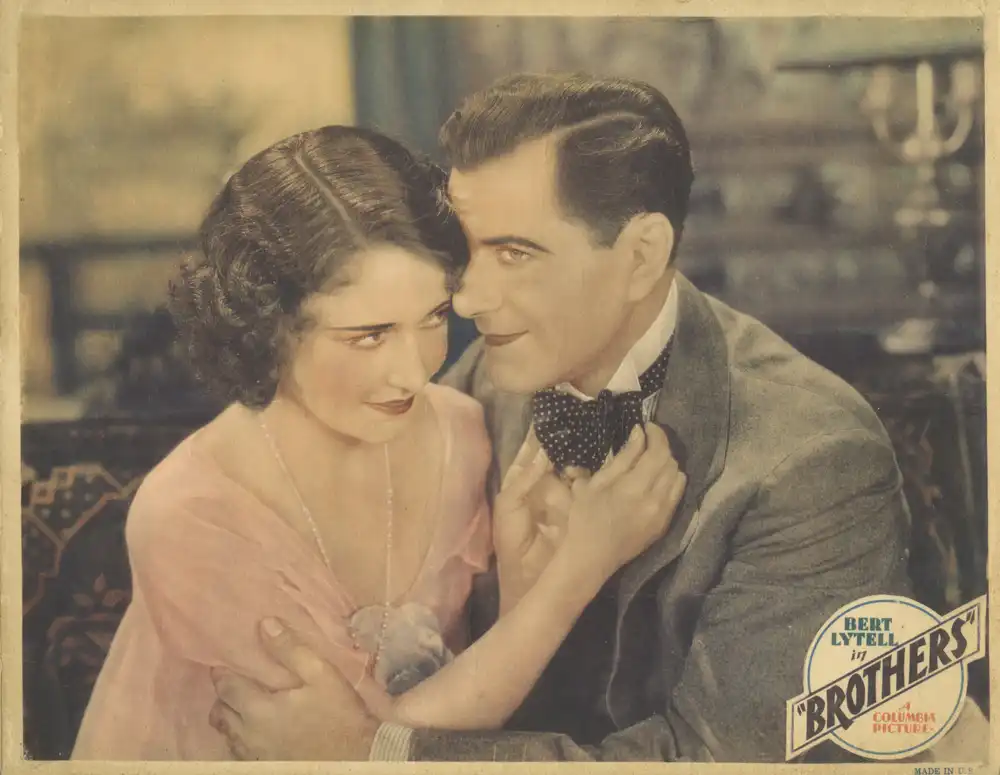
The film is really a showcase for how early sound pictures were figuring things out. Sometimes the dialogue is crisp, other times it sounds like everyone's talking through a tin can. There's this one scene where a character whispers something important, and you practically have to strain your ears to catch it. It’s a little jarring.
The acting itself is very much from that era, where a lot of silent film habits hadn't quite faded. Big gestures, dramatic pauses. Dorothy Sebastian, as the woman caught between the twins, does a lot of wide-eyed looks. You can almost see the director telling her, "Bigger! More despair!"
Bob's character, the rich drunk, is just *awful*. Like, cartoonishly so. He's got this sneer that just screams "villain." It makes it pretty easy to root for Eddie, who is basically a saint by comparison. The contrast between them is so stark, it’s almost funny sometimes. No shades of gray here, just black and white.
The whole speakeasy setting is pretty cool, though. Lots of smoky rooms, guys in fedoras, and women in flapper dresses. It feels like a genuine peek into that Prohibition-era vibe. Even if the plot surrounding it is a bit... much. The piano tunes are a nice touch, too, adding to the atmosphere.
One moment that really stuck out was during the court scene. The prosecutor, played by Richard Tucker, just chews the scenery. He practically snarls his questions at Eddie. It’s over the top in a way that only old movies can be. You can practically see the sweat on his brow, the sheer *indignation* of it all.
And Eddie's reaction shots during this trial? They linger a bit too long. You start to feel for him, sure, but then it's like, okay, we get it, he's sad and falsely accused. Move it along, fellas. It’s a pacing thing that happens a few times.
The ending, without giving too much away, ties everything up neatly. Maybe a little *too* neatly for a story that involved so much misery. But that's the way these things went back then. Audiences wanted a clear resolution, no loose ends. And 'Brothers' delivers on that front, for sure.
It’s not a film you'll likely remember for its nuanced performances or groundbreaking visuals. It's more of a curiosity, a time capsule. You watch it to see the mechanics of early sound cinema, to witness a grand old melodrama unfold. And if you go in with that mindset, you might just find it pretty charming, in its own clunky way. It’s certainly got heart, even if it's a bit rough around the edges. 👍
IMDb 7.3
1931
Community
Log in to comment.