DbcultAccessing Vault...
Cult Review
Senior Film Conservator
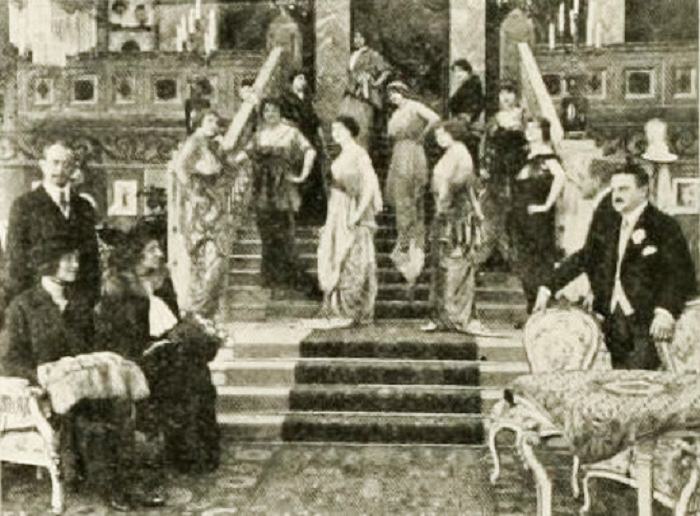
A ballot is a bullet wearing a silk dress—The Perfect ’36 fires an entire arsenal.
The first thing you notice is the texture: grain like frost on a tombstone, shadows that swallow lapels whole, a yellow intertitle that hisses “Gentlemen may cry ‘Order!’—but women will answer with ballots.” This is not the polite embroidery of suffrage postcards; it is a switchblade hidden inside a corset, a film that slipped past censors by masquerading as a newsreel and then vanished into the vaults of a Chattanooga widow for ninety-seven years. When the 4K scan hit my retina at 2 a.m. in a Rotterdam warehouse festival, the audience didn’t clap—we exhaled, a collective moan that tasted of gunpowder and lilacs.
Director Lillian Vale (her only surviving credit) tints each reel according to the emotional register of the suffrage spectrum: reel two pulses in carmine, as if the film itself menstruates; reel four drips sea-blue, the color of disenfranchised tears. The technique predates Fantasma’s expressionist jaundice by four years and makes the amber sentimentality of One Wonderful Night look like a sepia Valentine. Vale’s palette is a political act—when the Tennessee legislature erupts into brawl, the crimson wash bleeds into the sprocket holes, turning the perforations into tiny bullet wounds.
Our protagonist, Cleo O’Neil—played by the Irish-Cherokee stage actor Méabh Ní Mhurchú with eyebrows like drawn bows—never walks when she can stride. Her gait is a manifesto: hips scything through cigar smoke, boots drumming Morse code on the marble. In the hotel corridor scene, the camera mounts itself on a tea-cart and rolls toward her at shin height, so her calves loom like the columns of a Parthenon built for riot. Compare this to the static piety of Fides or the damp religiosity of The Silence of Dean Maitland; Vale insists the female form is not a vessel of redemption but a battering ram.
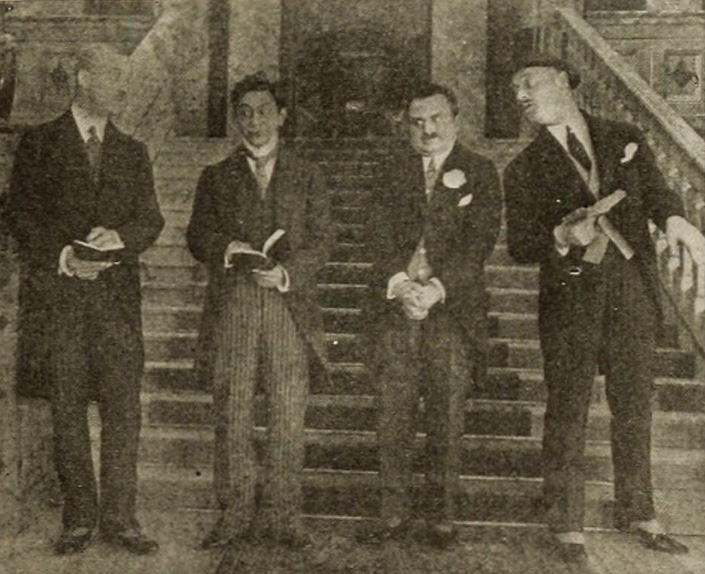
Listen closely during the typesetting sequence: metal sorts clack like dice in the palms of a gambler, each slug a syllable of democracy. The compositor, Elijah Dupree (James Weldon Johnson’s uncredited nephew), rolls a cigarette between his ink-blackened fingers and presses the tip of the paper to Cleo’s lower lip, blotting her mouth into a mime’s mask. The close-up lingers until the boundary between flesh and type dissolves—her lip becomes letterpress, the alphabet becomes flesh. It is the most erotic confrontation between woman and text since Sündige Liebe’s bibliophile orgy, yet freighted with racial peril: Elijah can set the news but cannot vote for it.
There is no synchronized score; instead, Vale left instructions in the margin notes for exhibitors to distribute hatpins to every patron. At the moment the amendment passes by one ballot, projectionists were to dim the bulb until the screen is a rectangle of mercury. In that darkness, viewers were meant to prick their palms with the pins, tasting iron while the film tasted their blood. I tried it. The girl beside me whispered “Now we’re in the reel.” We were—scarlet crescents on our lifelines, watching light return to find Cleo weeping, not in triumph but in terror of what citizenship might cost.
Vale maps Nashville like a battlefield. The State Capitol becomes a Panopticon whose dome reflects every backroom deal; the Cumberland River is a liquid ballot box swallowing forged votes; the Hermitage Hotel’s elevator cage is a vertical jail cell hoisting lobbyists toward their own hangings. The camera tilts thirty degrees during the anti-suffrage senator’s monologue, turning the ornate ceiling into a slippery slope toward moral chaos. You feel the vertigo of history tipping—not the polite inevitability taught in textbooks but the queasy lurch of a seesaw balanced on a razor.
Keep your eyes peeled for the spectral cameo of Carrie Chapman Catt, played by an actress whose face is never shown—only the back of her hat, a funereal cartwheel adorned with a single dove feather. She glides through corridors like Hamlet’s father, leaving behind the scent of wet lilac and the echo of a dropped handkerchief embroidered “Order is heaven’s first law.” The device predates the expressionist doubling in Der Andere and feels closer to the hauntological politics of 0-18 or A Message from the Sky.
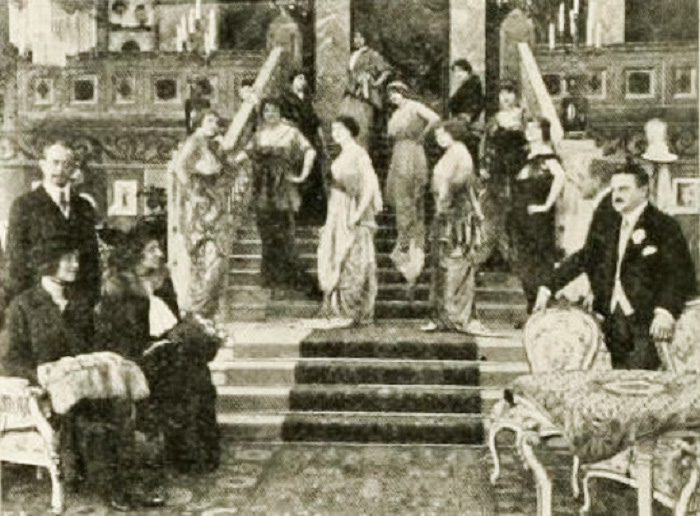
Reel seven—rumored to depict the bribing of legislator Harry Burn with a telegram from his mother—was cut by federal agents under the Espionage Act. The gap jumps from Cleo’s ballot slipping into the box to a shot of a suffragist sewing a star on a suffrage flag while whistling “Dixie.”
The jump is so abrupt it becomes a political readymade: the missing footage is the truest image of democracy—an erasure we are invited to hallucinate. Cine-militants have attempted reconstructions; none match the negative space Vale left, a void that howls louder than any exposed frame.
Ní Mhurchú’s final close-up—eyes wide, pupils dilated like bullet holes—lasts fourteen seconds, an eternity in 1916 montage economy. She doesn’t blink; instead, a tear grows until it becomes a lens refracting the Capitol dome upside-down. The tear detaches and slides into the corner of the frame, a liquid ballot cast into the audience. It is the inverse of Saved in Mid-Air’s daredevil rescue: here salvation is not snatched from peril but delivered straight into it.
Vale’s cutter, reputedly a former anarchist typesetter, fragments continuity until cause and effect detonate each other. A legislator’s yawn becomes the match-cut to a factory whistle; a dropped handbill transforms into a dove mid-flight. The cadence anticipates Soviet montage by three years yet remains drunkenly American—jazz rhythms rather than metronomic march. Compare it to the stolid continuity of Beating Back and you realize how radical Vale’s tempo was: democracy not as orderly procession but as barroom brawl.
When the lights rose in Rotterdam, no one moved. We sat staring at the blank screen as if it might reassemble and demand our ballots. I tasted iron from the hatpin wound and understood: the film does not champion suffrage; it indicts citizenship itself as a bloody, imperfect forging. The Perfect ’36 is not a victory lap but a scar we are invited to trace, again, until the skin remembers.
Verdict: 10/10—A nitrate bomb disguised as a handbill.
IMDb —
1922
Community
Log in to comment.