DbcultAccessing Vault...
Cult Review
Senior Film Conservator
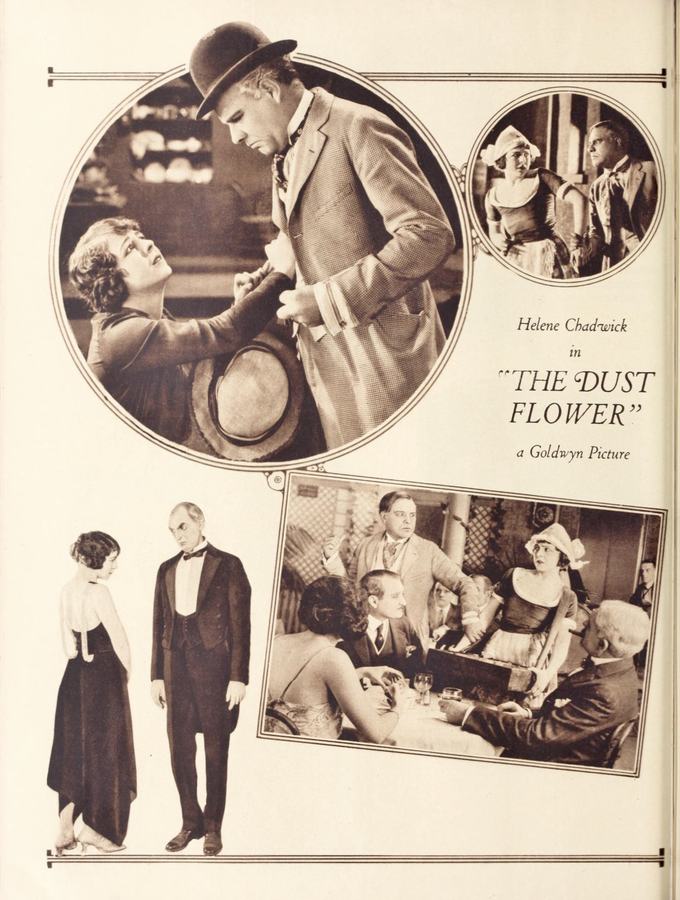
The cinematic tapestry of Dust Flower is woven with intricate threads of desperation, love, and redemption, set against the backdrop of a bygone era. Mona Kingsley, with her ethereal beauty and haunting vulnerability, brings Letty to life, infusing the character with a deep-seated sadness that resonates throughout the narrative. As she navigates the treacherous landscape of her own existence, Letty's path converges with that of Rashleigh Allerton, portrayed by James Rennie, whose character embodies the paradox of a man driven by both selfish motives and genuine affection.
The dynamics of their relationship are expertly nuanced, oscillating between a calculated arrangement and a profound emotional connection. The Clients of Aaron Green may have explored similar themes of unlikely alliances, but Dust Flower distinguishes itself through its unflinching examination of the human condition. As the story unfolds, the film's color palette, reminiscent of Old Lady 31, transitions from muted tones to a vibrant sea blue, symbolizing the transformation of Letty's circumstances and the blossoming of her love for Rash.
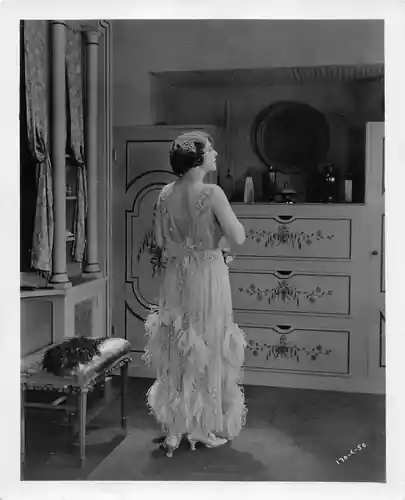
The supporting cast, including George Periolat and Claude Gillingwater, adds depth to the narrative, their characters serving as foils to the central protagonists. The Sheik-esque romance that develops between Letty and Rash is juxtaposed with the cruel realities of her stepfather's abuse, underscoring the stark contrasts that define the human experience. In this context, The Girl in Number 29 and Rolling Stone may have touched upon similar issues of social inequality, but Dust Flower presents a uniquely compelling exploration of the intersections between love, class, and personal freedom.
As the narrative reaches its climax, the film's use of yellow and dark orange hues creates a visually stunning backdrop for the dramatic confrontation between Letty's stepfather and Rash. This pivotal moment, redolent of the dramatic intensity found in A Shocking Night, marks a turning point in the story, as Rash's love for Letty is finally acknowledged, and he sets out to rescue her from the clutches of her tormentor. The ensuing sequence, with its masterful blend of tension and pathos, is a testament to the director's skill in crafting a cinematic experience that is both emotionally resonant and visually captivating.
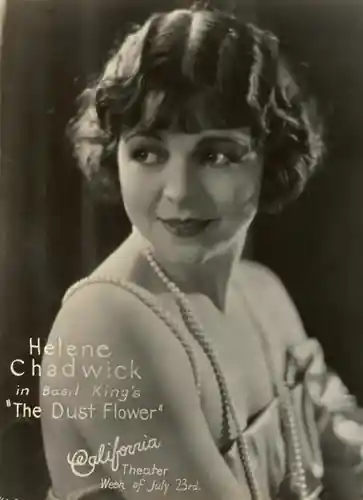
In the aftermath of this dramatic rescue, the film's tone shifts, assuming a more contemplative quality, as Letty and Rash come to terms with their feelings for each other. This Silver Threads Among the Gold-like interlude provides a poignant counterpoint to the earlier turmoil, highlighting the redemptive power of love in the face of adversity. The One Thousand Dollars that Rash offers Letty, once a symbol of his casual disregard, now represents a gesture of genuine affection, underscoring the transformative nature of their relationship.
As the narrative draws to a close, the film's exploration of themes and motifs coalesces into a powerful statement about the human condition. Through the prism of Letty and Rash's story, Dust Flower offers a nuanced examination of the complexities of love, the dangers of toxic relationships, and the resilience of the human spirit. In this regard, the film can be seen as a companion piece to The Brat and The Human Orchid, both of which explored similar issues of personal growth and redemption. The Better Wife may have presented a more conventional narrative of marital love, but Dust Flower distinguishes itself through its unflinching portrayal of the challenges and rewards that accompany a truly transformative relationship.
In the final analysis, Dust Flower emerges as a masterpiece of cinematic storytelling, a film that weaves together disparate threads of drama, romance, and social commentary to create a rich tapestry of human experience. As the credits roll, the viewer is left to ponder the Rebecca of Sunnybrook Farm-like optimism that pervades the narrative, a testament to the enduring power of love and redemption in the face of adversity. The Dead Line may have marked a turning point in the careers of its cast and crew, but Dust Flower represents a cinematic touchstone, a film that continues to resonate with audiences today. Even Ostpreussen und sein Hindenburg and Das Spiel vom Tode cannot detract from the emotional impact and cinematic craftsmanship that Dust Flower embodies, a true masterpiece of the silent era.
IMDb 5.8
1928
Community
Log in to comment.