DbcultAccessing Vault...
Cult Review
Senior Film Conservator
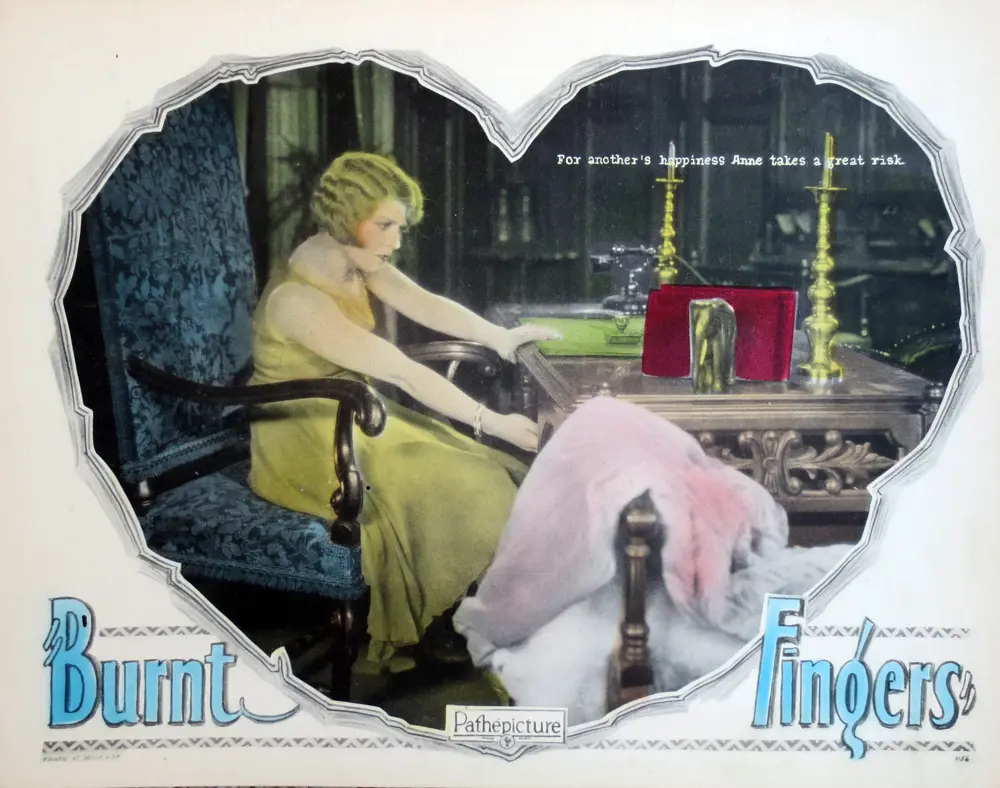
Short answer: Yes, but only if you possess a genuine curiosity for how silent cinema transitioned from domestic melodrama into the spy genre. This film is for the patient viewer who appreciates character-driven tension and the aesthetic of 1920s high-society scandals. It is definitely not for those who require the frenetic pacing or high-octane action of modern espionage thrillers.
This film works because it effectively uses the social architecture of the 1920s—the cafes, the dancing partners, and the rigid moral codes—to create a high-stakes environment where a single letter can ruin a life.
This film fails because the sudden shift from a personal blackmail story into a plot involving the 'Foreign Office' and international spies feels jarring and lacks the narrative connective tissue required for a smooth transition.
You should watch it if you want to see Eileen Percy command the screen in a role that balances the vulnerability of a friend with the grit of an amateur detective.
If you are looking for a historical artifact that bridges the gap between the Victorian melodrama and the coming noir era, then yes, Burnt Fingers is worth your time. It is a film that understands the power of a secret. In an era before digital footprints, physical letters were the ultimate currency of scandal, and director Maurice Campbell treats these documents with the weight of a loaded gun. The film captures a specific moment in cinematic history where the 'gigolo' was not just a romantic figure, but a genuine social threat, a parasite living off the reputations of the wealthy.
However, if you are expecting a cohesive narrative that follows modern logic, you might find yourself frustrated. The resolution relies heavily on a 'deus ex machina' in the form of Lord Cumberly. It is a classic silent-era trope: when the plot gets too knotted for the protagonist to untie, bring in a man of high status to explain everything away. Despite this, the journey to that conclusion is filled with enough atmosphere and genuine tension to satisfy fans of the era.
The heart of the film lies in the relationship between Anne Cabell (Eileen Percy) and Bernard Stockmar (Ivan Doline). In 1925, the concept of a professional dancing partner was a staple of urban nightlife, yet it carried a whiff of the illicit. Doline plays Stockmar with a calculated, oily charm that makes his eventual turn toward blackmail feel inevitable rather than surprising. He isn't a mustache-twirling villain; he is a social climber who has found a more efficient way to climb: extortion.
Eileen Percy provides a necessary counterweight. Her performance is grounded, avoiding the over-the-top gesticulation that plagued many of her contemporaries in films like Infatuation. When she is caught in Stockmar's apartment, the terror on her face isn't just about the dead body; it’s about the realization that her social standing is evaporating in real-time. It’s a nuanced performance that elevates the material above standard potboiler fare.
Visually, Burnt Fingers is a product of its time, but it shows flashes of brilliance in its use of interior space. The apartment scene where the murder occurs is a masterclass in silent-era suspense. Campbell uses the architecture of the rooms—the heavy curtains, the half-open doors—to create a sense of being watched. It’s a precursor to the shadows we would later see in the noir cycle of the 1940s. The cinematography doesn't just record the action; it traps the characters within the frame.
The pacing, however, is where the film shows its age. The first half moves with a deliberate, almost slow-motion grace as it sets up the social dynamics at Cafe Justine. This is common in films of this period, such as Not So Long Ago, where the atmosphere is given more weight than the plot. But when the murder happens, the film suddenly shifts gears into a police procedural, then into a spy thriller. This tonal whiplash is common in early cinema, but here it feels particularly abrupt. One moment we are worried about a woman’s reputation; the next, we are talking about 'unfriendly governments.'
The introduction of the Foreign Office and the revelation that Stockmar was a spy is the most debatable aspect of the film. It feels like the writers, Maurice Campbell and G. Marion Burton, were worried that a simple blackmail plot wasn't 'big' enough for a feature film. By injecting international stakes, they certainly raise the tension, but they also dilute the personal drama. The focus shifts from Anne’s bravery to Lord Cumberly’s intelligence.
I find this pivot to be the film's biggest flaw. It robs Anne of her agency in the final act. Instead of clearing her own name through wit or resourcefulness, she is saved by the establishment. It’s a safe ending that reinforces the status quo, much like the thematic resolutions found in The Princess's Dilemma. It works. But it’s flawed. It lacks the punch of a protagonist who fights their way out of a corner without a lord to help them.
Pros:
- Excellent set design that captures the opulence and underlying rot of the jazz age.
- A compelling performance by Ivan Doline as the villainous Stockmar.
- Strong use of suspense during the central murder sequence.
- A fascinating look at the 'gigolo' as a social threat in 1925.
Cons:
- The 'spy' subplot feels tacked on and underdeveloped.
- The male lead, Dick Farnham, is remarkably uninteresting and passive.
- Some of the intertitles are overly expository, slowing down the visual flow.
- The ending relies too heavily on coincidence and high-level intervention.
When compared to other films of the mid-1920s, such as Paradise Lost, Burnt Fingers feels more grounded in reality, at least initially. While many films of the era were exploring grand allegories or historical epics, this film attempts to tackle the immediate social anxieties of its audience. The fear of one’s past coming back to haunt them was a potent theme, and Burnt Fingers uses it effectively. It doesn't have the poetic ambition of some European imports of the time, but it has a gritty, American efficiency that makes it stand out.
The film’s portrayal of the police and the legal system is also notably skeptical for its time. Anne isn't just afraid of the murderer; she’s afraid of the police who cannot distinguish between a witness and a killer. This cynicism is a refreshing departure from the more idealistic portrayals of law enforcement seen in earlier silent films. It suggests a world where the truth is secondary to appearances—a very modern sentiment.
Burnt Fingers is a fascinating, if uneven, piece of silent cinema. It captures a world in transition, where the jazz age’s glitz masks a darker reality of exploitation and international tension. While the screenplay stumbles in its final act by reaching for global stakes it hasn't earned, the central performances and the atmospheric directing keep the viewer engaged. It is a film of moments—the tense search of a desk, the flickering lights of a cafe, the panicked eyes of a woman wrongly accused. For those willing to overlook its narrative shortcuts, it offers a compelling window into the cinematic and social landscape of 1925. It’s a solid, middle-of-the-road thriller that succeeds in spite of its own ambitions. It’s a reminder that even in the silent era, the most dangerous thing you could do was trust the wrong person with a pen and a piece of paper.
IMDb 6.2
1936
Community
Log in to comment.