DbcultAccessing Vault...
7.7/10
Senior Film Conservator
A definitive 7.7/10 rating for a film that redefined the boundaries of cult cinema. The Mayor of Casterbridge remains a cornerstone of transgressive art.
The silent era of cinema, often erroneously dismissed as a mere prologue to the age of sound, possessed a unique, visceral grammar that perfectly complemented the fatalistic landscapes of Thomas Hardy. Sidney Morgan’s 1821 rendition of The Mayor of Casterbridge is not merely an adaptation; it is a haunting excavation of guilt, a monochromatic study of a man whose rise to power is perpetually shadowed by a singular, drunken moment of moral bankruptcy. While contemporary audiences might find the pacing of early British cinema deliberate, there is a gravitational pull in this film that mirrors the inexorable march of fate so central to Hardy’s Wessex.
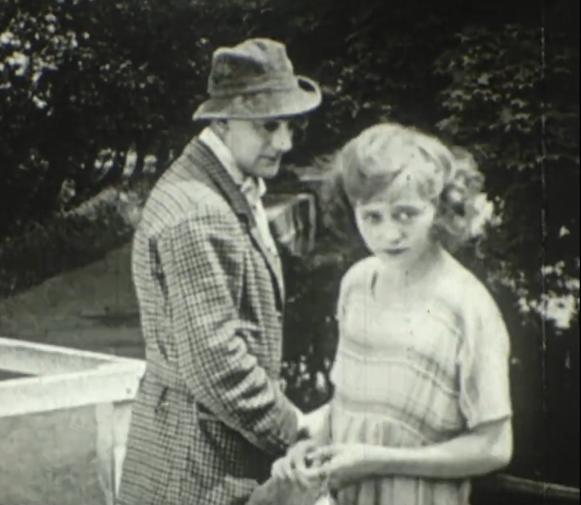
Fred Groves, portraying Michael Henchard, delivers a performance that transcends the theatrical gesticulations common in the 1920s. He embodies a rugged, almost atavistic masculinity that slowly crumbles under the weight of its own secrets. The opening scene at the fair is directed with a chilling sobriety. Morgan avoids the temptation of melodrama, instead focusing on the transactional coldness of the wife-sale. This moment is the narrative’s DNA, much like the transformative injustices found in The Count of Monte Cristo, though Henchard’s journey is one of self-inflicted ruin rather than calculated vengeance. Unlike the protagonists in The Man Who Stole the Moon, who reach for the celestial, Henchard is forever tethered to the soil and his own sordid history.
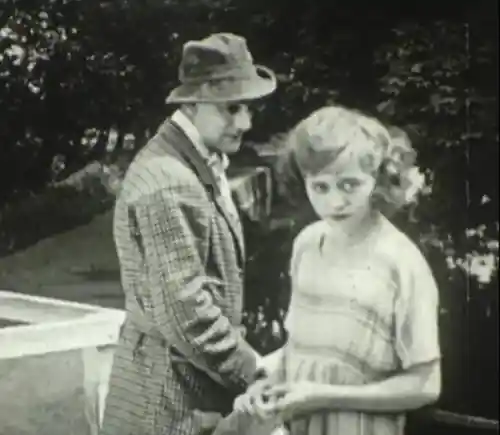
The film’s cinematography captures the claustrophobic nature of Casterbridge—a town that feels like both a kingdom and a cage. The use of natural light and the stark contrasts of the English countryside evoke a sense of permanence that mocks Henchard’s fleeting success. When Susan (Pauline Peters) reappears, the visual language shifts from the expansive vistas of the mayor’s authority to tighter, more suffocating interior shots. This transition mirrors the psychological tightening of the noose around Henchard’s neck. The film shares a thematic kinship with Fate and Fortune, where the capricious nature of luck dictates the trajectory of human lives, yet Morgan ensures we understand that Henchard’s downfall is rooted in his volatile temperament.
Warwick Ward and Nell Emerald provide an essential counterpoint to Groves’ brooding intensity. Ward, who would later achieve fame in German expressionist cinema, brings a sophisticated, almost predatory grace to the screen. His presence complicates the moral landscape, making the audience question where their sympathies should lie. In many ways, the interpersonal dynamics here are as complex as those in Othello, where suspicion and pride act as the primary catalysts for catastrophe. The film doesn't shy away from the cruelty of the Victorian social hierarchy, a theme explored with varying degrees of success in Southern Pride and The Foundling.
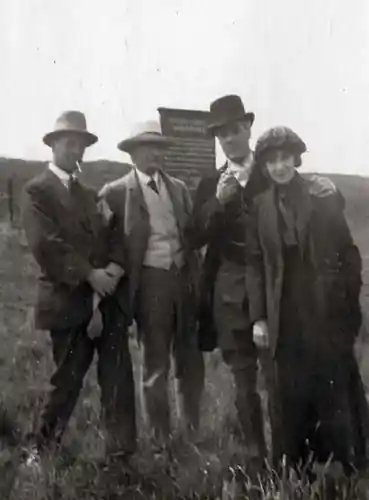
“Character is Fate,” Hardy famously wrote, and Morgan’s camera treats this maxim as a physical law. Every furrow in Fred Groves' brow is a ledger entry of past transgressions, every shadow in the Casterbridge town square a reminder of the darkness that precedes the dawn of his civic rise.
The middle act of the film is a masterclass in tension. The arrival of the sailor Newson—the man who bought Henchard’s life—is handled with a sense of impending doom that rivals the suspense in The Explosion of Fort B 2. However, where that film relies on physical peril, The Mayor of Casterbridge finds its terror in the social and emotional annihilation of its protagonist. The revelation regarding Elizabeth-Jane’s parentage is the final blow, a narrative pivot that echoes the tragic irony found in Le destin est maître. Henchard’s realization that his attempts at redemption were built on a foundation of biological falsehood is devastatingly portrayed.
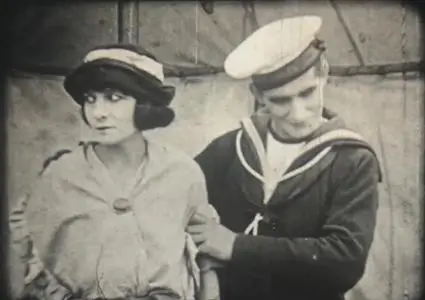
Sidney Morgan was a pioneer who understood that the landscape is a character in itself. The Wessex of this film is not a postcard-perfect pastoral fantasy; it is a site of labor, struggle, and unforgiving tradition. The film’s texture feels authentic, avoiding the polished artifice that would later plague some sound-era adaptations. There is a grit here that reminds one of Rough and Ready, though the emotional stakes are significantly higher. Morgan’s ability to weave the personal tragedy of Henchard into the broader tapestry of a changing England—where the old ways of the hay-trusser are being replaced by the modern efficiencies of Farfrae—is nothing short of brilliant.
Comparing this to The Man Who Disappeared, we see a similar fascination with the loss of identity and the struggle to reclaim one’s place in the world. Yet, Henchard’s disappearance is internal; he becomes a ghost in his own town, a figure of ridicule where he was once a figure of respect. The film’s exploration of this social death is profoundly moving. It captures the essence of being Cursed by His Cleverness, or rather, cursed by a pride that masks a deep-seated insecurity.
As the film nears its conclusion, the sense of isolation becomes palpable. Henchard’s departure from Casterbridge is a sequence of profound loneliness. He is a man who has lost everything: his family, his fortune, and his name. This trajectory of loss is a common trope, yet in Morgan’s hands, it feels uniquely painful. It lacks the whimsical hope of Seven League Boots or the lightheartedness of The Rebellious Bride. Instead, it leans into the stark reality of the human condition, much like The Redemption of Dave Darcey, though Henchard’s redemption is far more ambiguous and internal.
The final scenes, depicting Henchard’s death in a lowly cottage, are a stark contrast to the earlier scenes of mayoral pomp. The visual economy here is striking. There are no grand speeches, only the quiet dignity of a man who has finally accepted his place in the dust. The film leaves us with a lingering question about the nature of forgiveness and the possibility of outrunning one's past. Is it possible to pay The Devil to Pay and emerge whole? Hardy, and by extension Morgan, suggests that the price is often the self.
In the pantheon of silent cinema, The Mayor of Casterbridge stands as a towering achievement of mood and characterization. It is a film that demands focus and rewards the viewer with a deep, albeit somber, emotional experience. Sidney Morgan succeeded in capturing the soul of Hardy’s work, translating the intricate prose into a series of images that remain etched in the mind long after the final frame. For those interested in the evolution of cinematic storytelling and the enduring power of the tragic form, this 1921 masterpiece is essential viewing. It is a testament to the fact that even without words, the human heart can scream its agonies across the decades.
IMDb 4.1
1927
Community
Log in to comment.