Is Buster Helps Dad worth watching today? Short answer: absolutely, especially if you have a fondness for the foundational charm of early silent cinema and a soft spot for impressive animal performances. This film is decidedly for those who appreciate historical context in their entertainment and can forgive the technical limitations of its era, but it is certainly not for viewers seeking modern pacing or complex narrative twists.
It’s a brief, delightful journey back to a time when storytelling on screen was still finding its footing, often relying on simple premises and the sheer novelty of moving images. In this regard, Buster Helps Dad serves as both an entertaining relic and a fascinating study of early comedic filmmaking, particularly concerning the burgeoning trend of animal actors.
The Core Appeal: Simple Pleasures and Canine Charisma
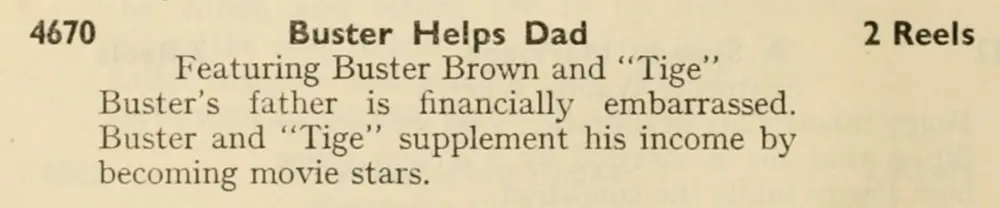
At its heart, Buster Helps Dad is a testament to the enduring appeal of a simple, heartwarming premise. A child’s unwavering loyalty and ingenuity, coupled with the undeniable charisma of a talented animal, form the bedrock of its narrative. It’s a formula that still resonates, even a century later.
The film’s strength lies in its unpretentious delivery of joy. There are no grand pronouncements or intricate subplots; just a boy, his dog, and a dream of financial relief. This directness, often seen in early shorts, allows the comedic moments to land with surprising effectiveness, free from narrative baggage.
This film works because of its undeniable, if simple, charm and the captivating presence of its canine star, making its brief runtime an enjoyable diversion.
This film fails because its narrative ambition is minimal, often feeling more like a showcase reel than a fully developed story, and its human performances are largely overshadowed.
You should watch it if you're curious about the origins of animal stardom in film, enjoy uncomplicated, feel-good stories, or are a silent film enthusiast looking for a lighthearted watch.
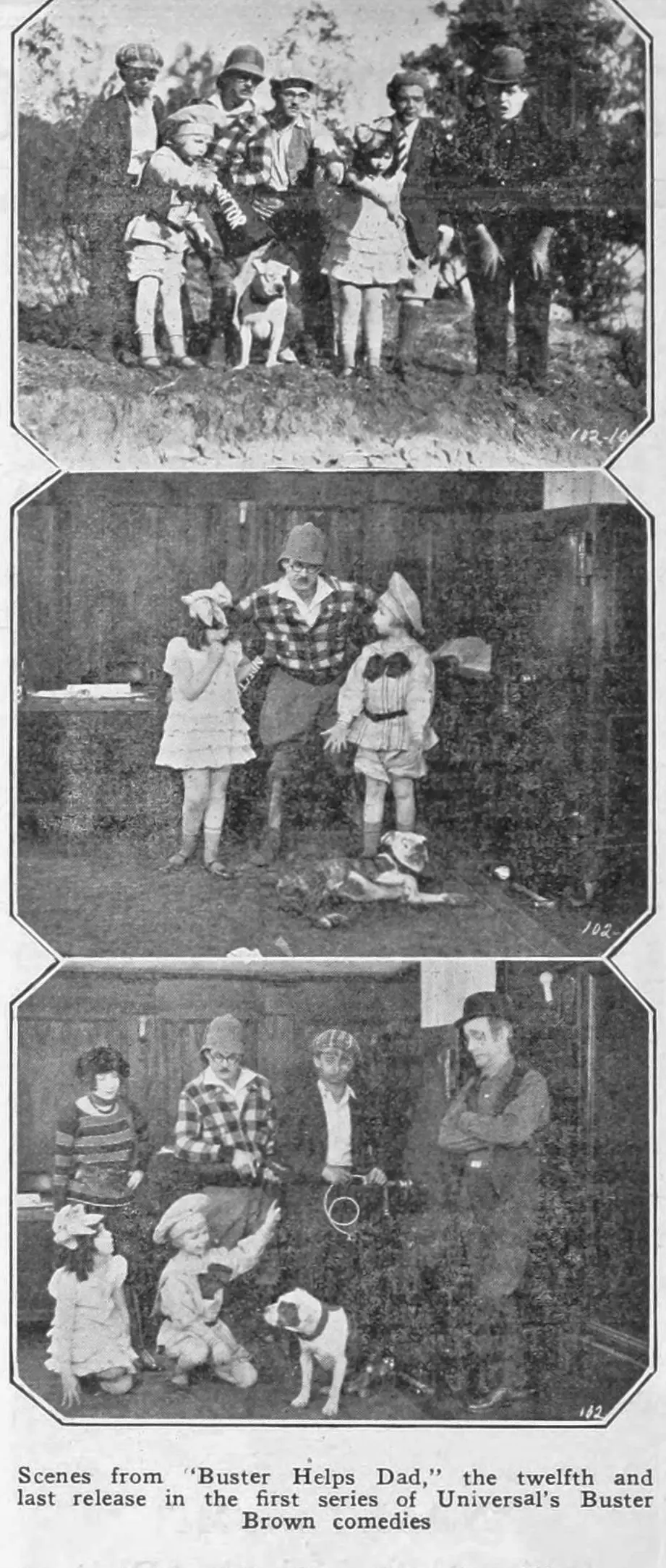
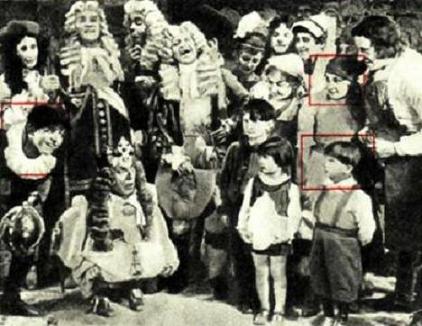
Scene from Buster Helps Dad
Cinematic perspective: Exploring the visual vocabulary of Buster Helps Dad (1926) through its definitive frames.
Performance: The True Star is on Four Legs
The cast of Buster Helps Dad is an interesting mix, primarily dominated by the magnificent The Wonder Dog Pal. Pal is, without exaggeration, the undisputed star of this picture. His performance is remarkably nuanced for an animal actor of the era, displaying a range of actions and expressions that suggest genuine understanding and training far beyond mere tricks.
The scene where Pal 'breaks into' the set and mimics the actions of the established movie dog is a highlight. His timing, his focus, and his sheer presence on screen are compelling. It's easy to see why audiences of the time would have been captivated by such a display, especially when compared to the human counterparts, Doreen Turner and Arthur Trimble.
Turner and Trimble, while competent, often fall into the more melodramatic acting styles common in early silent films. Their expressions are broad, their gestures theatrical, designed to convey emotion without spoken dialogue. This isn't a criticism of their skill, but rather an observation of the prevalent acting conventions.
However, this contrast inadvertently elevates Pal’s performance. The dog feels more natural, more 'real' than the humans around him. It’s an unconventional observation, but the film’s human characters often feel like props designed to highlight the dog's capabilities, rather than fully fleshed-out individuals driving the narrative. This is a debatable point, but I contend it’s a strength, allowing the animal magnetism to shine unhindered.
In a similar vein to other animal-centric films of the period, such as the (hypothetical) Brave and Bold, Buster Helps Dad understands that the appeal lies in the creature itself. The human interactions, while providing context, take a backseat to the spectacle of a talented animal.
Direction and Cinematography: A Glimpse into Early Filmmaking
The direction, attributed to the vision of Richard F. Outcault (credited as writer, but often involved in early direction), is straightforward and functional. The camera largely remains static, capturing the action in wide shots, a common practice in the nascent days of cinema. There are no elaborate tracking shots or complex camera movements to distract from the central conceit.
What stands out is the clear focus on staging. The scenes are blocked effectively to ensure Pal’s actions are visible and understandable. The humor often arises from the simple juxtaposition of Buster's earnest efforts and Pal's almost effortless brilliance. The pacing, though brisk, allows moments for the audience to appreciate the dog's cleverness.
Scene from Buster Helps Dad
Cinematic perspective: Exploring the visual vocabulary of Buster Helps Dad (1926) through its definitive frames.
Cinematography, while basic by modern standards, effectively captures the period's aesthetic. The black and white photography, with its characteristic grain and contrast, lends an authentic texture to the film. There are no groundbreaking visual effects or experimental techniques here; it’s a pure, unadorned look at a bygone era of moviemaking.
Compared to more artistically ambitious films of the time, such as F.W. Murnau's The Last Laugh, which pushed cinematic boundaries, Buster Helps Dad is a humble offering. Yet, its simplicity is its charm. It doesn't aspire to be a visual poem; it aims to entertain, and in that, it largely succeeds.
Pacing and Tone: A Wholesome, Quick Diversion
The film’s pacing is typical for a silent short: quick and to the point. There's no fat on this narrative; every scene serves to advance Buster’s plan or showcase Pal’s talents. This brevity is a blessing, ensuring the film never overstays its welcome and maintains a light, energetic feel throughout its runtime.
The tone is overwhelmingly wholesome and comedic. The stakes, while financial for Buster's dad, never feel truly dire. Instead, there's an underlying sense of playful mischief and good-natured fun. The humor derives from the absurdity of the situation – a dog upstaging a professional animal actor – and the earnestness with which Buster pursues his goal.
This lightheartedness is a refreshing change from some of the more dramatic or morally complex narratives prevalent in silent cinema, such as the intense emotional landscape of A Doll's House (1922) or the suspense of Hidden Charms. Buster Helps Dad offers a palate cleanser, a moment of pure, unadulterated cinematic joy.
Is This Film Worth Watching?
Absolutely. If you approach Buster Helps Dad with an appreciation for its historical context and a willingness to embrace its simple charms, you’ll find it to be a genuinely enjoyable experience. It’s a foundational piece of silent comedy, showcasing the early fascination with animal performers and the nascent techniques of filmmaking.
This film provides a fascinating glimpse into the entertainment values of the early 20th century. It’s a short, sweet, and surprisingly engaging watch that reminds us of cinema’s power to delight with even the most straightforward concepts. It works. But it’s flawed. Its flaws, however, are inherent to its era and contribute to its historical value rather than detracting from its core appeal.
Key Takeaways
Best for: Silent film enthusiasts, animal lovers, and those curious about early cinematic history.
Not for: Viewers accustomed to modern pacing, complex plots, or high-definition visuals.
Standout element: The exceptional and charming performance of The Wonder Dog Pal.
Biggest flaw: The human characters are underdeveloped, serving primarily as foils for the canine star.
Pros and Cons
Pros:
Engaging and heartwarming premise.
Outstanding animal performance by The Wonder Dog Pal.
Authentic glimpse into early silent film aesthetics and humor.
Short runtime makes it an easy and accessible watch.
A delightful and innocent comedic tone.
Cons:
Human performances are largely overshadowed and somewhat stiff.
Minimal plot depth or character development.
Technical limitations of its era (static camera, basic editing).
May not appeal to audiences accustomed to contemporary filmmaking.
The humor is simple, lacking the multi-layered wit of later comedies.
Verdict
Buster Helps Dad is more than just a historical curiosity; it’s a charming, albeit simple, piece of silent cinema that offers genuine warmth and impressive animal acting. While it won't redefine your understanding of film, it serves as a delightful reminder of the medium's early power to entertain and enchant. For anyone interested in the foundational elements of comedy and the surprising capabilities of animal performers on screen, this film is a must-see. It’s a testament to the fact that sometimes, the simplest stories, told with earnestness and a dose of canine charm, are the most enduring.