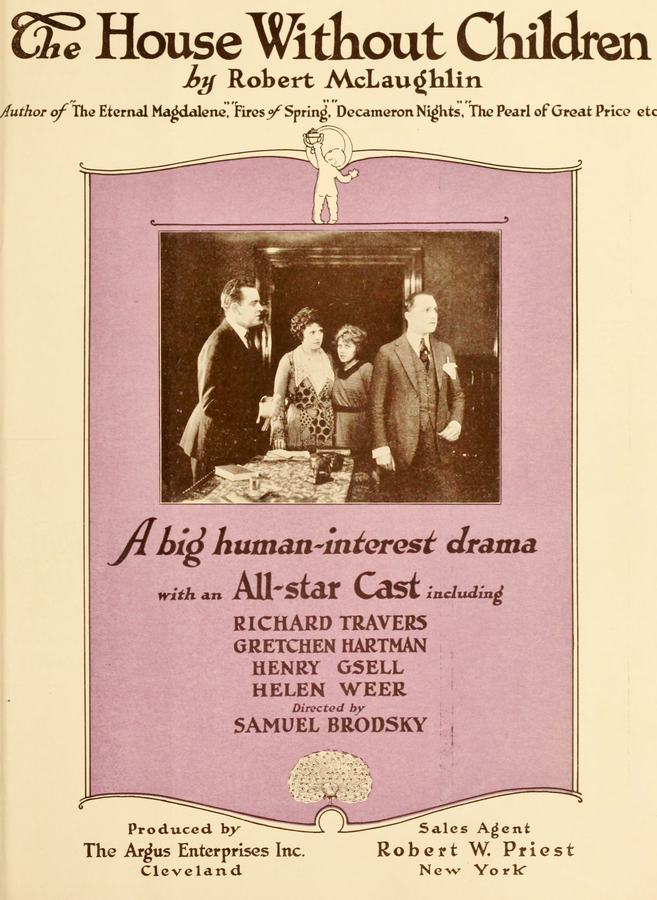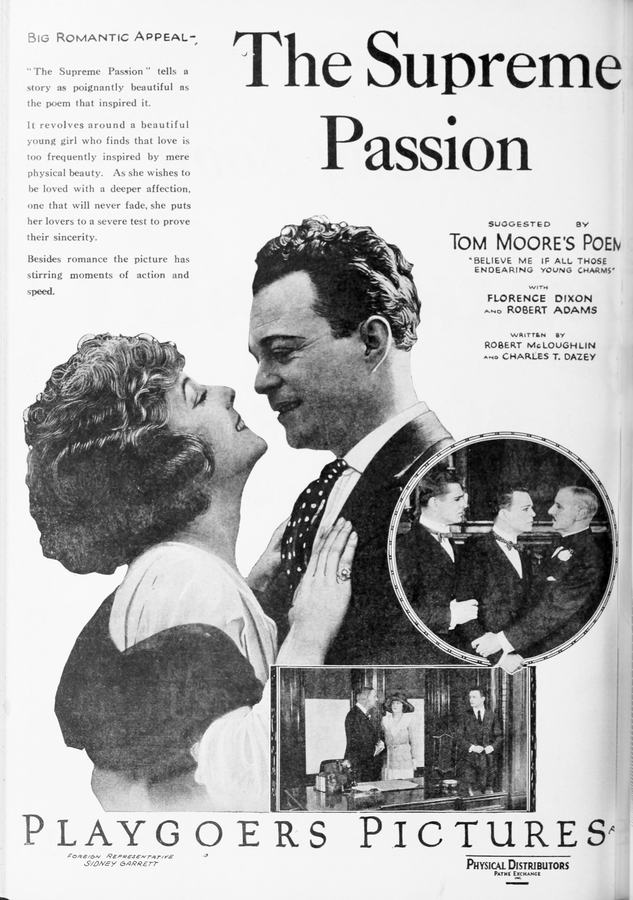
Jerry Burke is engaged to marry Mary Manning, the beautiful daughter of a wealthy old Irishman, but his father opposes the match and disowns him. Meanwhile, James Lacey, a successful but crooked politician, returns to Ireland and persuades the elder Manning to emigrate with Mary to the U.
Hidden Charms (1920) – A Silent Symphony of Defiance and Desire Robert McLaughlin’s Hidden Charms, a relic from cinema’s formative years, weaves a narrative so taut with emotional tension that it transcends the limitations of its medium. The film’s opening act introduces Jerry Burke (Daniel Kelly) in a state of ex...
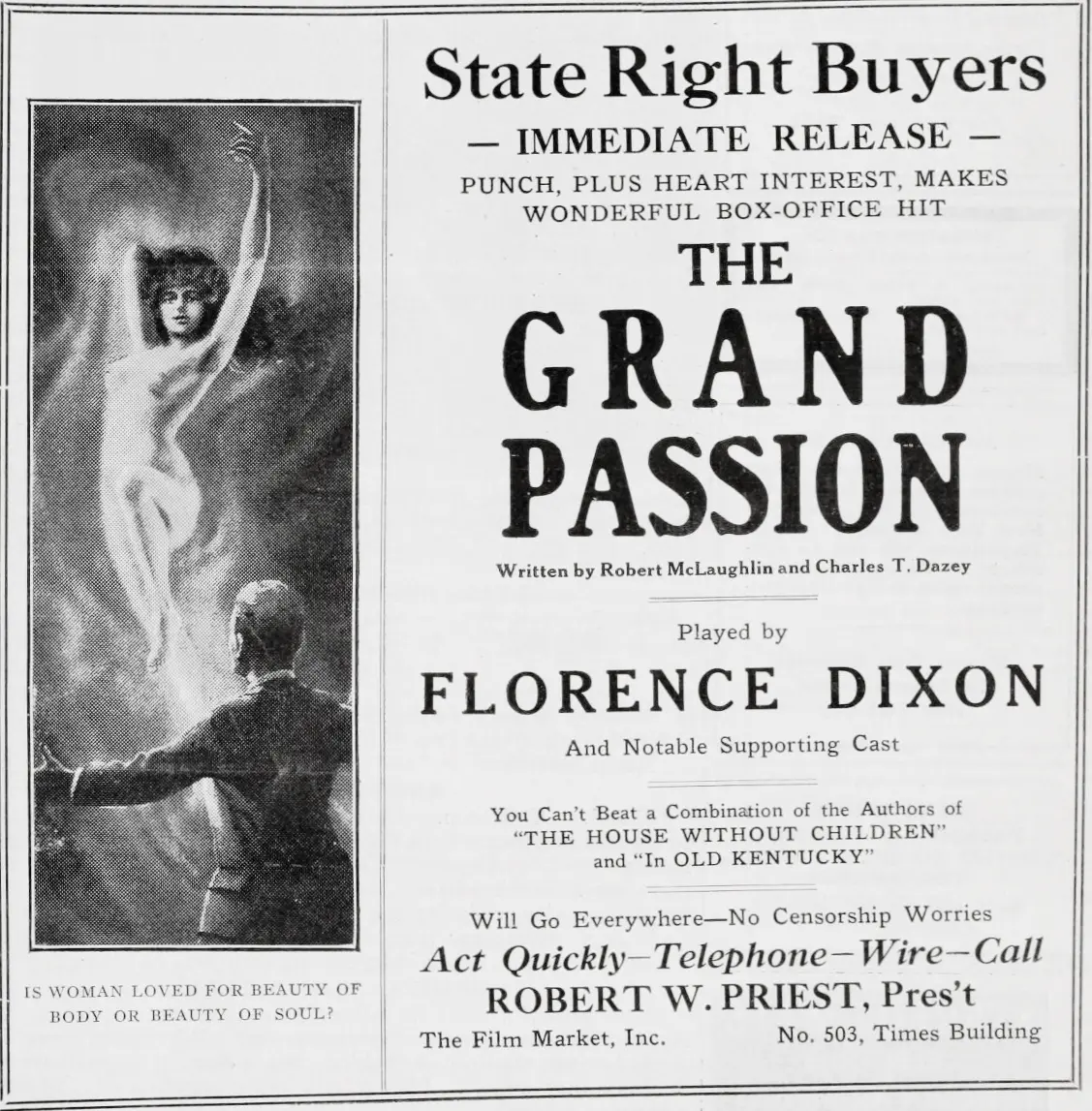
publicity
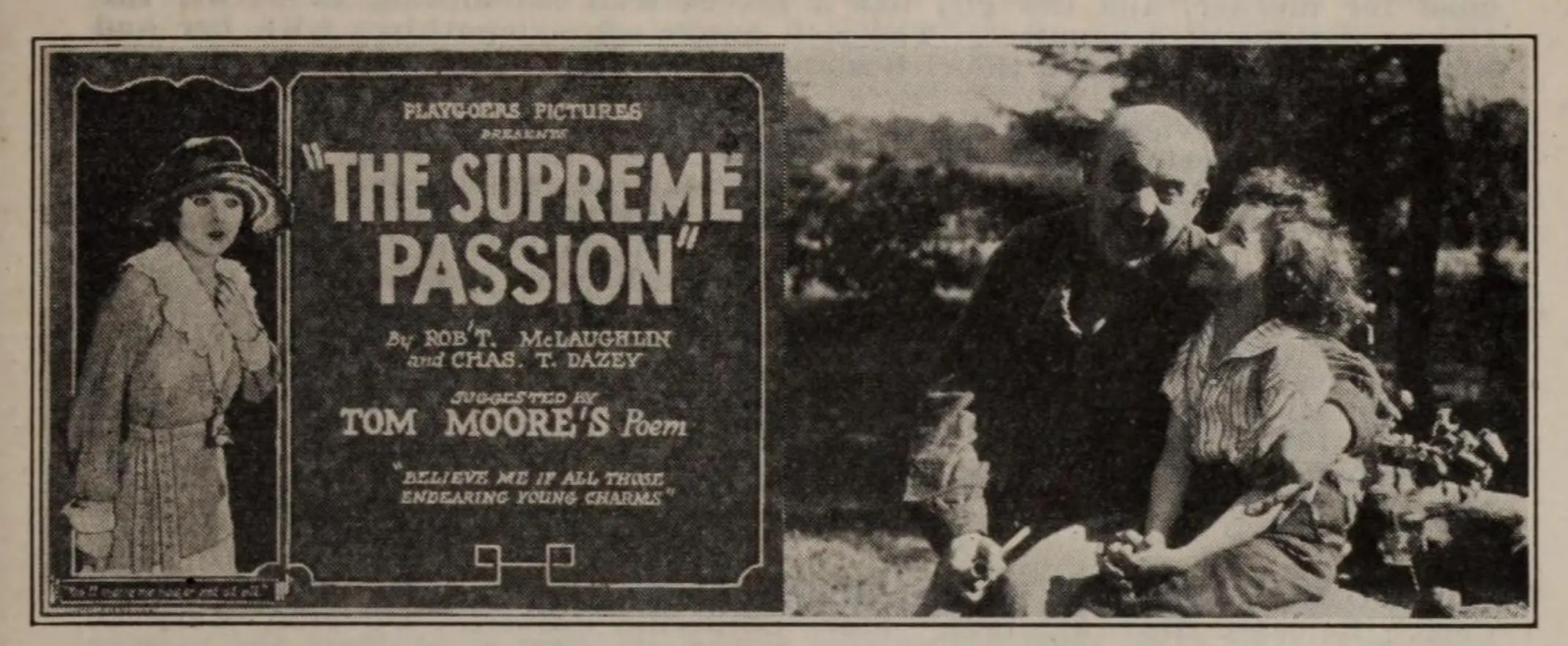
publicity
Comparing the cinematic DNA and archive impact of two defining moments in cult history.
Samuel R. Brodsky
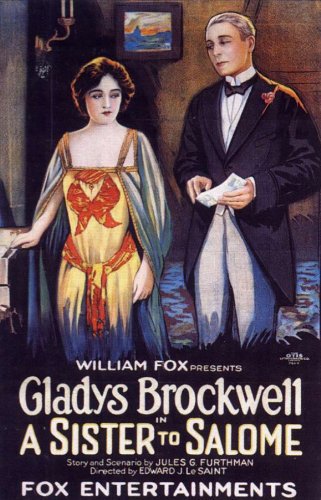
Edward LeSaint
Community
Log in to comment.
" Hidden Charms (1920) – A Silent Symphony of Defiance and Desire Robert McLaughlin’s Hidden Charms, a relic from cinema’s formative years, weaves a narrative so taut with emotional tension that it transcends the limitations of its medium. The film’s opening act introduces Jerry Burke (Daniel Kelly) in a state of existential limbo: engaged to Mary Manning (Florence Dixon), yet estranged from his father due to the social chasm between their families. This setup, rendered in stark monochrome, i..."
Robert McLaughlin, Charles T. Dazey, Thomas Moore
United States
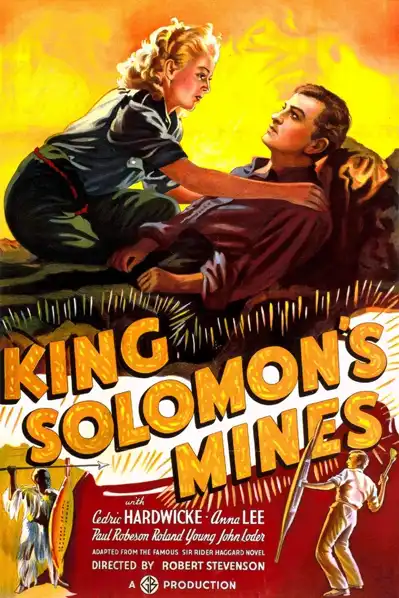
1937 · IMDb 6.3