DbcultAccessing Vault...
Cult Review
Senior Film Conservator
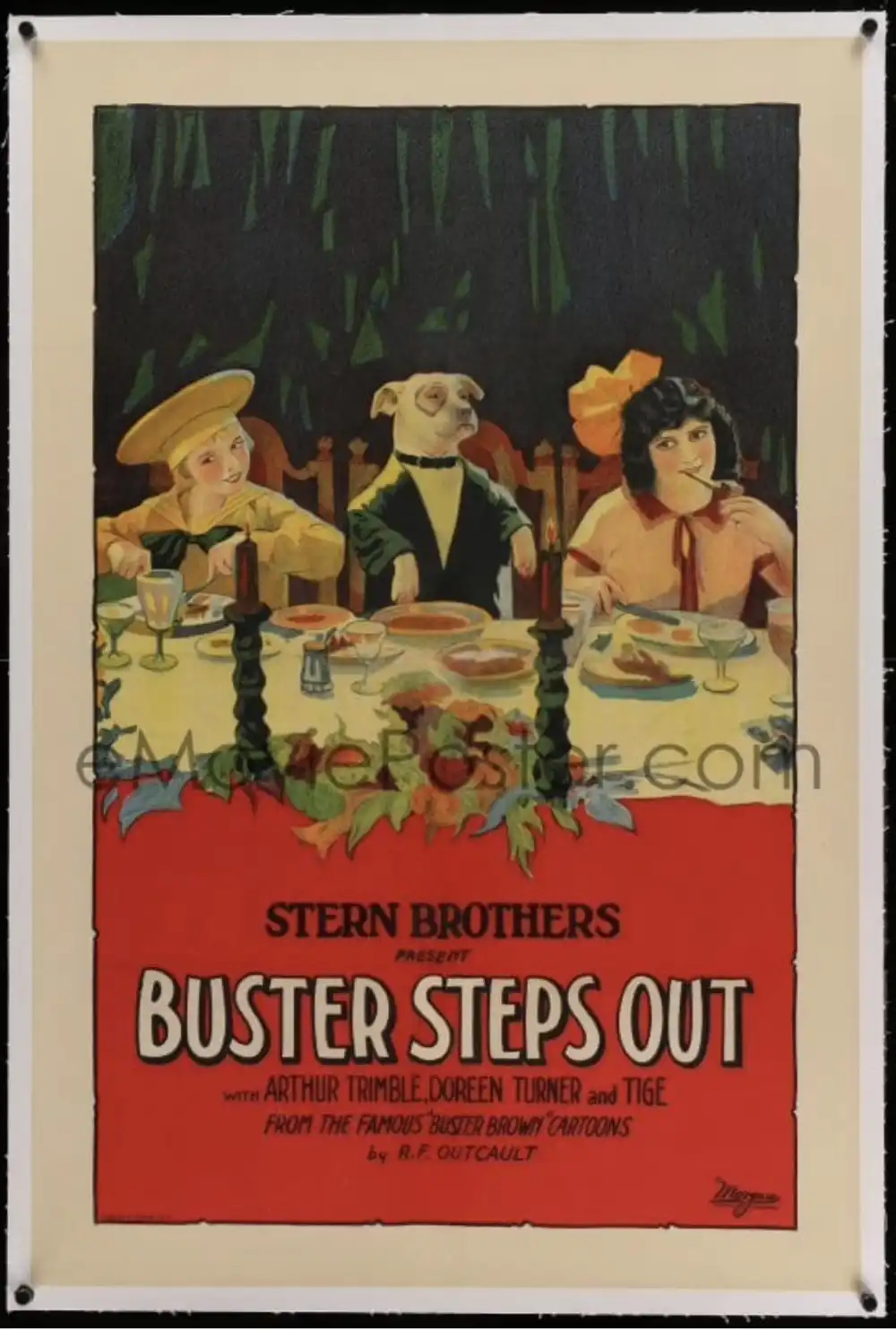
So, you’ve stumbled upon Buster Steps Out. If you’re not already a dedicated spelunker in the caves of silent cinema, this one’s probably not going to convert you. It’s a niche appeal, really. But if you harbor a deep affection for early animal actors, or just want to see how wildly different film grammar used to be, there’s a certain, well, quaintness to it. Absolutely skip it if you’re looking for anything resembling modern pacing or subtle character development. You’ll either find it a charming, slightly hypnotic peek into the past, or an exercise in profound patience.
The real star, undeniably, is The Wonder Dog Pal. And honestly, he earns the title. There are stretches where Pal carries the entire film on his furry shoulders. His reactions, for a dog, are surprisingly good. One moment, he’s doing this little head tilt, looking utterly confused, and it genuinely lands. Then he’s bounding through a field with an energy that feels completely unscripted, just pure dog joy. You can almost feel the trainers behind the camera, just out of frame, working their magic.
But then there are the human actors. Doreen Turner and Arthur Trimble. They’re doing the classic silent film thing – lots of broad gestures, wide-eyed expressions, and dramatic leans. Sometimes it works, like when Turner is trying to convey distress, her hands fluttering just so. Other times, it just feels… stagey. There’s a scene where Trimble is supposed to be furious, and he just keeps clenching his fists, over and over, in this very repetitive way. It’s like he ran out of ideas for how to emote anger with his hands, and the director just let it play out.
The pacing is… deliberate. Which is a kind way of saying it drags in spots. There’s a whole sequence where Buster is trying to get back into a house, and we see him try the front door, then a window, then another door. Each attempt goes on about 10 seconds too long, and the repetition starts to feel less like building suspense and more like someone needed to pad out the runtime. You can almost feel the film trying to convince you this moment matters, but it’s just a dog trying a door.
And the edits. Oh, the edits. Sometimes they’re perfectly fine, cutting between Pal’s antics and the humans’ reactions. But then you get these jarring shifts. One minute you’re in a close-up, the next it’s a wide shot of a surprisingly empty street, a street that feels like it’s waiting for something to happen but nothing ever does. There's a particular shot of a garden hose just sitting there, completely static, for what feels like an eternity. It’s not symbolic, it’s just… there. Almost like a forgotten frame.
The film’s tone shifts are also a bit wild. It tries to build some genuine drama around a missing item or a perceived threat, and then suddenly Pal is doing something goofy, completely deflating any tension. It’s not a smooth transition from earnest melodrama to lighthearted canine comedy. It’s more like a sudden jolt between two different movies.
Watching this, you really start to notice the small things. The costumes are simple, almost theatrical, not quite feeling lived-in. Trimble’s hat, for instance, seems to sit a little too perfectly on his head, even when he’s supposedly running around in a panic. It never quite looks natural.
Despite its flaws, there are these unexpected moments that just work. A quick, unscripted bark from Pal, or a genuine smile from Doreen Turner that feels less like acting and more like her actually enjoying the dog. Those are the bits that connect. They remind you that even in these early, often clunky films, there was a spark of something real trying to break through.
It’s not a film to analyze deeply for profound themes. It’s a film about a dog. A very earnest dog. And if you approach it with that in mind, just letting the oddities wash over you, there's a certain charm to Buster Steps Out. It's a snapshot of a different era, with different expectations, where a clever dog could genuinely be the main event.
IMDb —
1915
Community
Log in to comment.