DbcultAccessing Vault...
6.9/10
Senior Film Conservator
A definitive 6.9/10 rating for a film that redefined the boundaries of cult cinema. Butterfly remains a cornerstone of transgressive art.
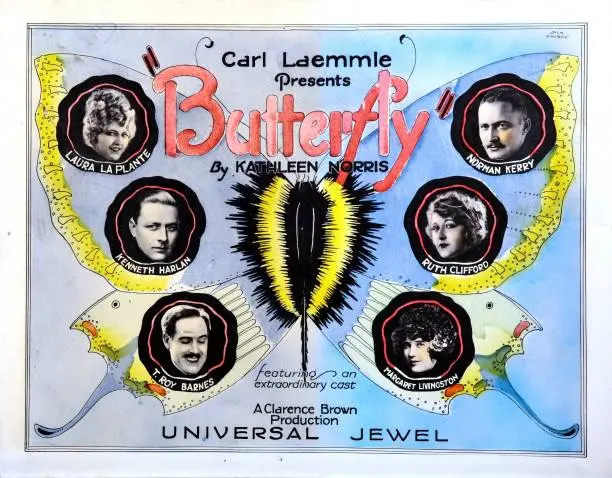
Cinema in the mid-twenties often grappled with the burgeoning friction between Victorian duty and the nascent hedonism of the flapper era. Clarence Brown’s 1924 effort, Butterfly, serves as a poignant, visually arresting exploration of this dichotomy. The film is less a simple narrative and more a psychological study of displacement. We witness Hilary Collier, portrayed with a hauntingly quiet intensity by Ruth Clifford, as she systematically dismantles her own future to pave a golden path for her sister, Dora. This isn't merely a story of kindness; it is an examination of how altruism can become a form of erasure. The cinematography captures the domestic interior of the Collier home with a chiaroscuro that mirrors Hilary’s internal gloom, contrasted sharply with the vibrant, almost kinetic energy that surrounds Dora, played by the effervescent Laura La Plante.
While many silent films of the era relied on hyperbolic gesturing, La Plante delivers a performance of remarkable nuance. As 'Butterfly,' she embodies a specific kind of youthful narcissism that is both infuriating and magnetic. Her Dora is not a villain, but rather a creature of pure impulse, a stark contrast to the rigid moral architecture of characters found in The Hoosier Schoolmaster. Where rural dramas of the time often focused on the communal struggle, Butterfly narrows its lens to the domestic claustrophobia of expectation. Dora’s eventual marriage to Craig (Kenneth Harlan) is handled with a delicate touch, showcasing a union built on the shaky foundations of Hilary's silent sacrifice rather than genuine mutual understanding.
The introduction of Kronski, played by the suave Norman Kerry, injects a sophisticated menace into the proceedings. Kronski represents the high-art world—a realm of passion and ego that stands in direct opposition to the grounded, sacrificial world Hilary has constructed. The irony, of course, is that Kronski’s heart belongs to Hilary, yet he is the flame to which the moth-like Dora is inevitably drawn. This creates a fascinating tension that elevates the film above standard melodrama. It mirrors the complex social hierarchies explored in The Social Leper, where the perception of one's role in society dictates their capacity for happiness. In Butterfly, the social leper is arguably the one who gives too much, becoming a ghost in their own life story.
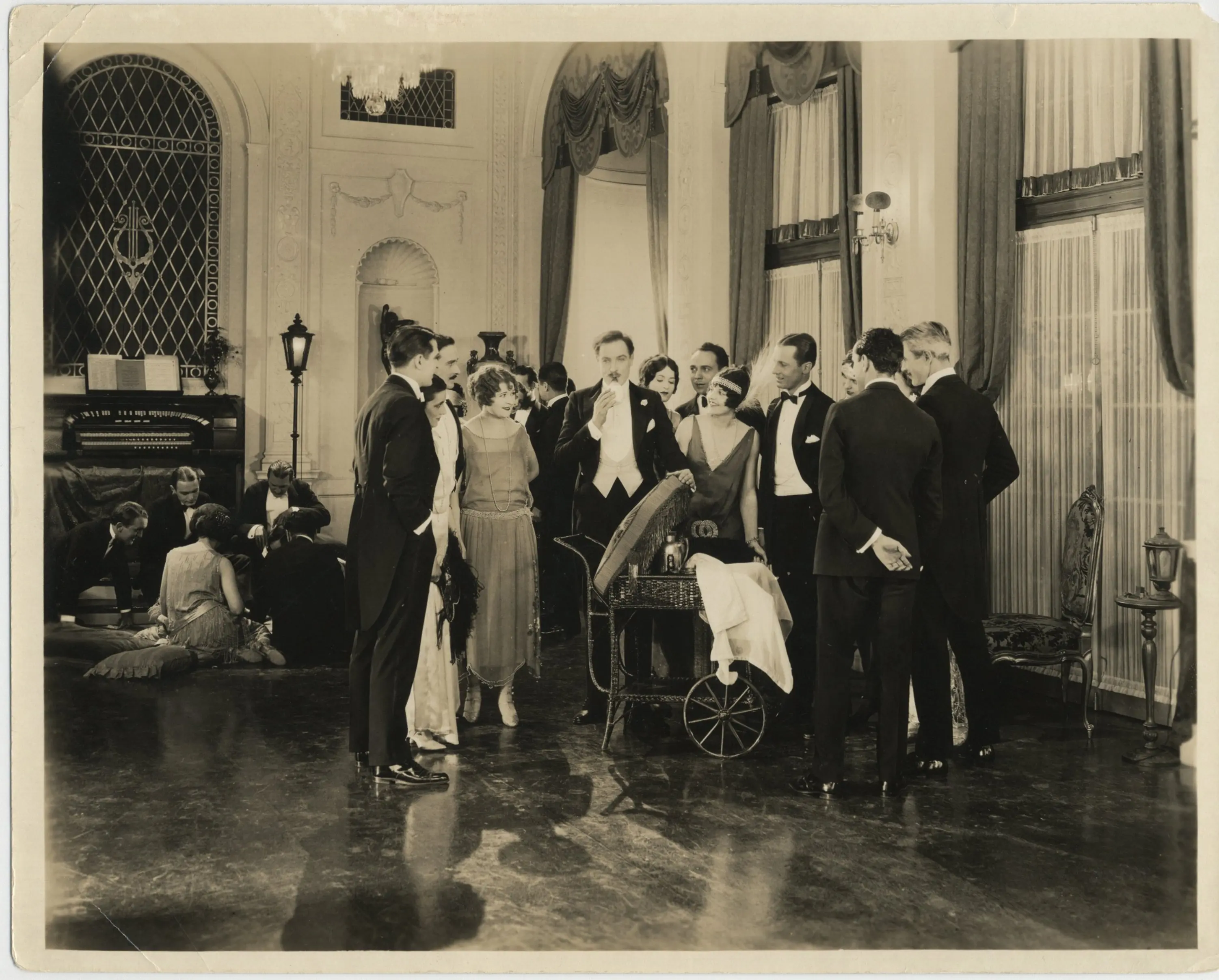
Clarence Brown, a director often celebrated for his ability to elicit profound emotional depth from his actors, utilizes the visual medium to articulate the unspoken. The musical themes, though silent to the ear, are made palpable through the rhythmic editing and the way the camera lingers on the violin strings and the rapt expressions of the listeners. There is a specific sequence involving a concert that rivals the atmospheric tension seen in The City of Silent Men, though here the imprisonment is emotional rather than literal. The use of light to differentiate between the sisters—Hilary often framed in shadows or behind architectural barriers, Dora bathed in a soft, ethereal glow—underscores the film’s thematic preoccupation with visibility and invisibility.
The screenplay, adapted from Kathleen Norris’s work by Olga Printzlau and Marian Ainslee, avoids the saccharine pitfalls common to the genre. Instead, it leans into the bitterness of Hilary’s position. When Dora decides to abandon her domestic life for the allure of Kronski’s world, the film reaches a fever pitch of moral crisis. It is here that we see the true cost of Hilary’s enabling behavior. The narrative suggests that by protecting Dora from every hardship, Hilary has rendered her sister incapable of navigating the complexities of adult consequence. This theme of stunted maturity is a recurring motif in silent cinema, often reflected in the plight of characters in Love's Outcast, who find themselves adrift when their primary support systems crumble.
The climax of the film hinges on an 'unexpected event'—a narrative device that functions as a catalyst for redemption. In modern storytelling, such a turn might feel contrived, but within the operatic framework of 1920s drama, it serves as a necessary cosmic realignment. This event forces Dora to confront the reality of her choices, bridging the gap between her flighty persona and the responsibilities of her station. It is a moment of profound gravity that echoes the sudden shifts in fortune depicted in The Straight Way. The reconciliation between Dora and Craig is not merely a happy ending for the couple; it is the key that finally unlocks Hilary’s shackles. The final scenes, showing Hilary’s transition from the periphery to the center of her own romantic narrative with Kronski, are handled with a grace that feels earned rather than gifted.
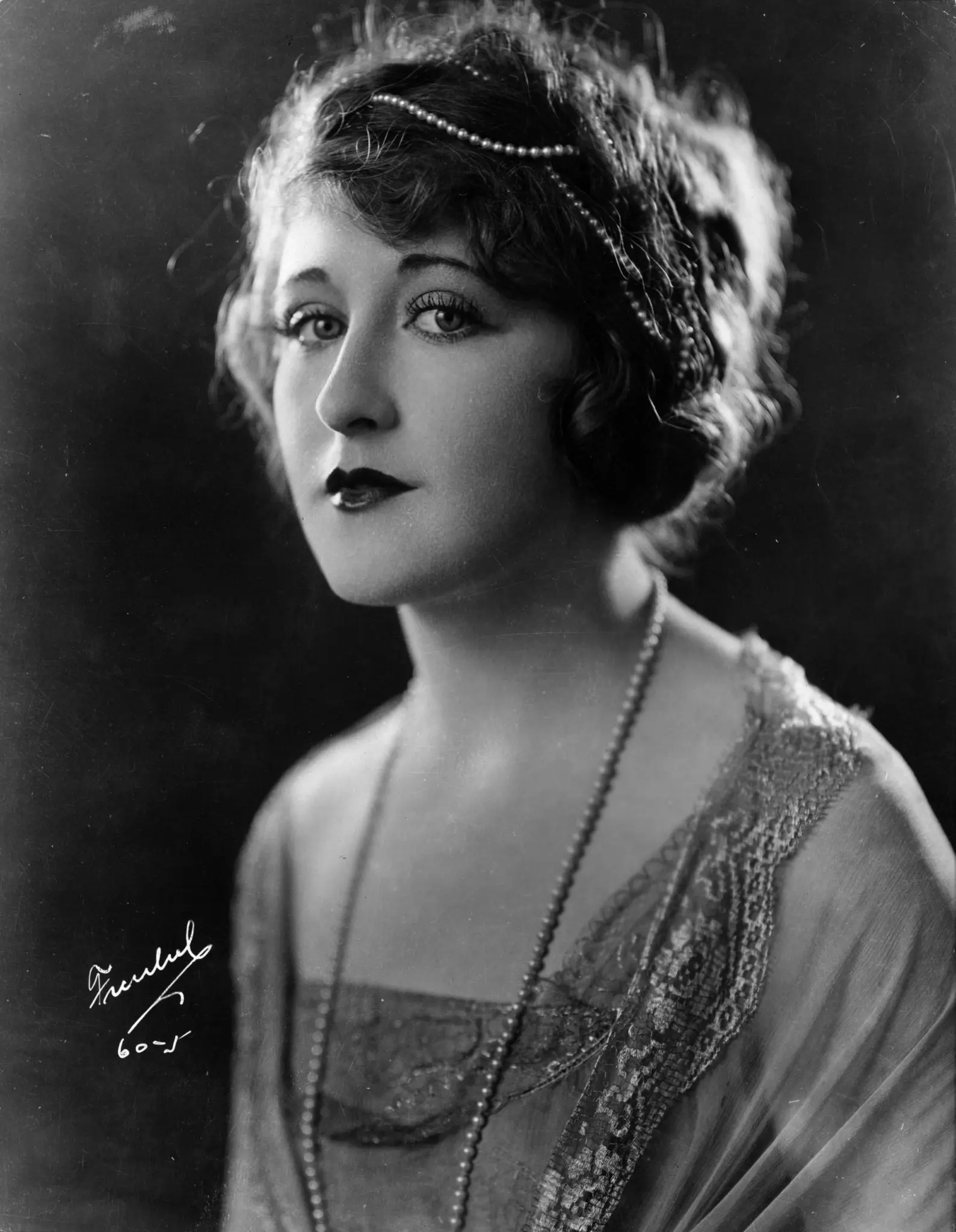
Looking back at Butterfly from a contemporary perspective, one cannot help but admire its sophisticated handling of female agency and the complexities of sisterhood. Unlike the more whimsical comedies of the era, such as A Man About Town or the slapstick antics of The Star Boarder, Butterfly demands an intellectual engagement with its characters' motivations. It asks difficult questions about the limits of loyalty and the ethics of self-sacrifice. Does Hilary’s devotion actually harm Dora in the long run? Is Kronski’s love for Hilary a pursuit of her soul or merely a reaction to her stoicism? These questions remain relevant, providing the film with a timeless quality that transcends its silent origins.
The supporting cast also deserves recognition. Cesare Gravina and Margaret Livingston provide a textured backdrop to the central trio, ensuring the world of the film feels inhabited and expansive. The production design, which shifts from the modest Collier residence to the opulent environments of the musical elite, illustrates the class mobility and aspirations of the era. This attention to detail is a hallmark of Universal's prestige productions of the time, often seen in films like Pretty Smooth, which also navigated the perils of social climbing and reputation.
In the vast archive of 1924 releases, Butterfly stands out as a work of significant emotional intelligence. It avoids the overt didacticism of Auction of Souls, opting instead for a localized, intimate tragedy that resonates on a universal level. The film is a testament to the power of silent acting; the glances exchanged between Hilary and Kronski convey more longing and regret than a dozen pages of dialogue ever could. It is a reminder that before the advent of sound, cinema had already mastered the art of the soul’s conversation.
For those interested in the evolution of the melodrama, Butterfly is essential viewing. It provides a bridge between the moralizing tales of the early 1910s and the more psychological, character-driven dramas that would define the late silent era and the early talkies. It captures a moment in time when the world was changing rapidly, yet the fundamental struggles of the human heart—love, jealousy, and the desire to be seen—remained constant. The film’s resolution, while perhaps convenient, satisfies the viewer's desire for justice for Hilary, a character who spent so long in the shadows of her sister’s wings. In the end, the butterfly may have been the one to capture the eye, but it was the steady, unwavering light of the older sister that truly illuminated the story.
IMDb 7.1
1929
Community
Log in to comment.