DbcultAccessing Vault...
Cult Review
Senior Film Conservator
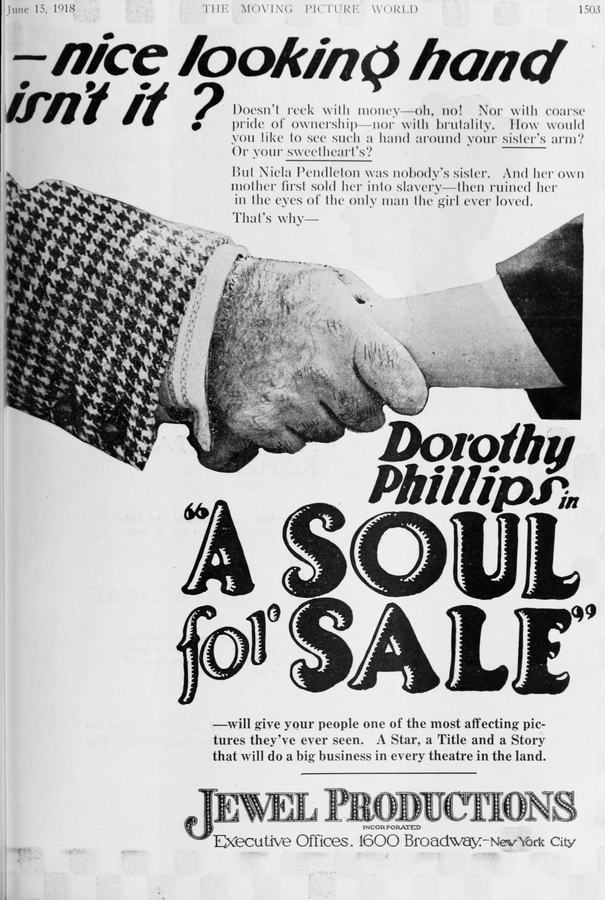
In the annals of early cinema, few narratives articulate the complex interplay of familial obligation, societal pressures, and personal integrity with the raw potency of A Soul for Sale. This 1918 silent drama, a poignant creation from the pens of Evelyn Campbell and Elliott J. Clawson, thrusts its audience into a world where virtue is a commodity and love an unforeseen luxury. At its core lies the agonizing plight of Neila Pendleton, a character brought to life with profound expressiveness by the inimitable Dorothy Phillips, whose silent gestures speak volumes. The film is more than just a melodramatic tale of woe; it’s a trenchant critique of the era’s materialistic undercurrents, particularly how they impinged upon the autonomy and emotional well-being of young women.
The narrative commences with a devastating blow: the untimely demise of Neila’s father, plunging his wife and daughter into an abyss of financial destitution. This sudden shift from presumed comfort to stark penury acts as the catalyst for Mrs. Pendleton’s descent into avarice, a character masterfully portrayed by Katherine Kirkwood. Her initial response to their changed circumstances is not one of resilience or resourceful adaptation, but rather an immediate, almost instinctive, turn towards exploitation. Mrs. Pendleton views her daughter, Neila, not as a cherished individual deserving of happiness, but as an asset, a means to an end. This cold, transactional perspective sets the stage for a series of harrowing events that test the very fabric of Neila’s being.
The mother's machinations begin subtly, yet with devastating consequences. She accepts a sum of money from the elderly broker Wilbur Simons (Joseph W. Girard), effectively selling a piece of Neila's reputation and future prospects for immediate, albeit fleeting, financial relief. This act is not merely a lapse in judgment; it’s a calculated, morally bankrupt decision that foreshadows the escalating depths of Mrs. Pendleton’s self-serving agenda. The film deftly illustrates the insidious creep of desperation, transitioning from a mother's initial, perhaps misguided, attempts to secure her family's future into a full-blown exploitation of her daughter. It’s a chilling portrait of how financial insecurity, when coupled with a foundational lack of moral fortitude, can transform a caregiver into a predator. Neila, caught in this suffocating web of her mother's making, finds her agency systematically eroded, her choices dictated by the relentless, almost pathological, pursuit of wealth. The screenplay, penned by Evelyn Campbell and Elliott J. Clawson, constructs a compelling psychological drama around this central conflict, making Mrs. Pendleton a figure of both pity and profound condemnation.
The situation intensifies when Mrs. Pendleton, undeterred by the damage already inflicted, attempts to force Neila into a marriage with the dissolute, elderly millionaire Hale Faxon (William Burress). Faxon embodies the quintessential "sugar daddy" trope of the era, a man whose wealth is meant to compensate for his lack of character and advanced age. Neila's internal conflict becomes the narrative's emotional fulcrum. Her heart belongs unequivocally to the earnest and upright Steele Minturn (Alan Roscoe), a young man who represents genuine affection and a future built on mutual respect. Yet, the crushing weight of her mother's perceived needs, coupled with the pervasive societal expectation for a daughter to acquiesce to parental wishes, compels Neila to consider the unthinkable: a loveless union with Faxon. This dilemma echoes the struggles depicted in other period dramas, where women were often compelled to choose between personal happiness and familial obligation, a theme not dissimilar to the moral quandaries explored in films like The Lure of Heart's Desire, where emotional desires clash with pragmatic realities. The historical context here is crucial; for many women in the early 20th century, marriage was often a transactional agreement, a means of securing financial stability rather than a union of hearts. Neila’s struggle is thus not merely personal but a microcosm of broader societal constraints.
Dorothy Phillips' portrayal of Neila during these moments of profound indecision is nothing short of masterful. Through subtle facial expressions, the slight tremble of a hand, or a lingering gaze, Phillips conveys a universe of unspoken anguish and a burgeoning sense of resignation. She embodies the "New Woman" of the early 20th century, still bound by traditional expectations but yearning for self-determination. The film’s power lies in its ability to make the audience feel Neila’s suffocating entrapment, her silent screams against a fate she did not choose but felt compelled to accept. Her internal battle is a masterclass in silent film acting, where every gesture, every flicker of emotion across her face, carries immense narrative weight, drawing the viewer deeper into her existential crisis.
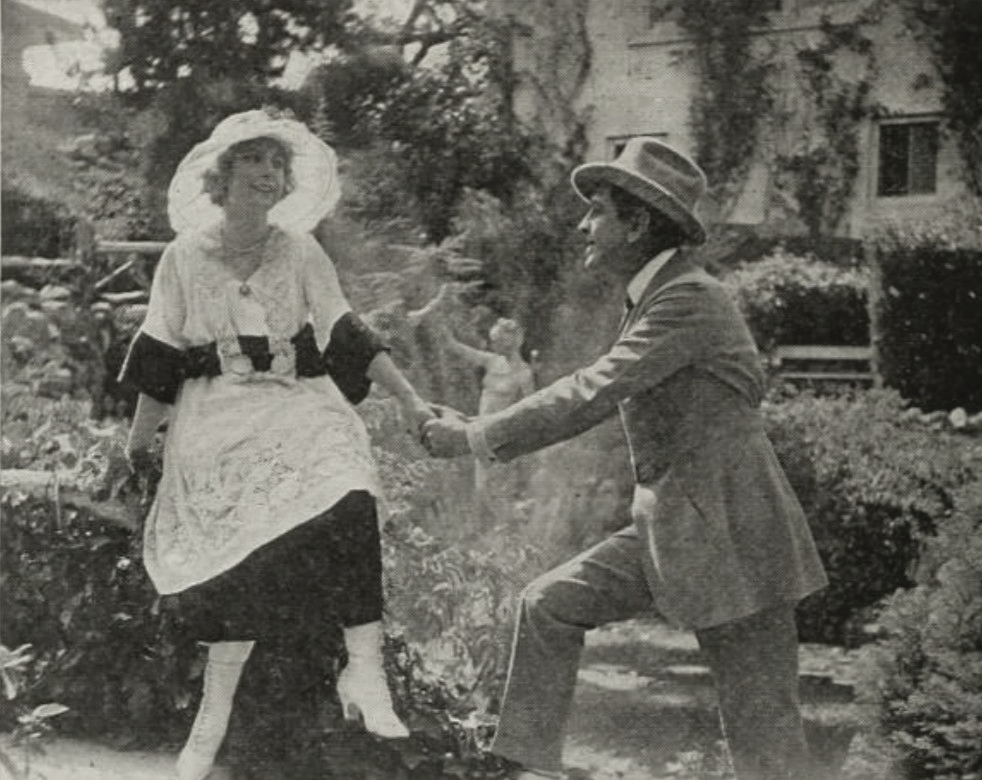
Just as Neila’s resolve to sacrifice herself for her mother's financial comfort begins to solidify, the plot takes a dramatic, almost Shakespearean, turn. Mrs. Pendleton discovers that Steele Minturn has unexpectedly come into a substantial sum of money. The sight of newfound wealth, rather than inspiring relief or a change of heart, ignites an even fiercer flame of covetousness within her. Unable to resist the temptation, she commits a brazen act of theft, absconding with Steele’s winnings. This pivotal moment underscores the true depth of her moral depravity, revealing a character utterly consumed by material desire, reminiscent of the destructive power of greed depicted in films such as Des Goldes Fluch (The Curse of Gold), where the pursuit of wealth leads to ruin. Mrs. Pendleton's actions are not just criminal; they are a profound betrayal of trust, shattering any remaining illusions Neila might have harbored about her mother’s affection or integrity.
Neila, discovering her mother’s latest transgression, is thrust into a desperate attempt to rectify the situation. In a sequence charged with palpable tension, she ventures into Steele’s room in the dead of night, clad only in her nightgown, her sole intention to replace the stolen money. This scene, a masterclass in silent film suspense, is fraught with dramatic irony. Steele, awakened by her presence, misinterprets Neila’s intentions entirely. The sight of her, disheveled and seemingly clandestine, ignites suspicion, leading him to believe the worst – that she is either complicit in the theft or, even worse, attempting to prey on him. The ensuing confrontation, where Steele nearly attacks her, is a gut-wrenching portrayal of shattered trust and profound misunderstanding. It is a moment of stark vulnerability for Neila, whose innocent act of restitution is twisted into an accusation of impropriety. This painful miscommunication serves as a brutal awakening for Neila, finally exposing the unadulterated selfishness of her mother. The illusion of filial duty shatters, replaced by a clear-eyed realization of her mother's toxic influence. The theme of misjudgment and its severe consequences is powerfully conveyed, echoing the complexities seen in narratives like When Men Are Tempted, where moral ambiguities lead characters down perilous paths. This scene, devoid of dialogue, relies solely on the actors’ expressions and the dramatic staging to convey the profound emotional chasm that opens between Neila and Steele, a chasm deepened by societal expectations of female propriety.
The aftermath of the midnight incident marks a turning point in Neila’s journey. The emotional trauma, coupled with the definitive realization of her mother’s moral bankruptcy, galvanizes her. She casts off the shackles of familial obligation and embraces self-reliance, accepting a job in a different town, a bold and empowering move for a woman of her era. This act of independence is a quiet triumph, a testament to her burgeoning strength and determination to forge her own path, free from the manipulative grip of her mother. It's a powerful statement on female agency, subtly challenging the patriarchal norms that often confined women to domestic roles or arranged marriages, and highlighting the nascent feminist impulses of the early 20th century. Her decision to leave behind a toxic environment underscores a universal human desire for autonomy and self-preservation.
Fate, however, has another dramatic twist in store. Steele, still burdened by the painful memory of that night, unexpectedly encounters Neila again. Their reunion is not one of immediate reconciliation but rather one orchestrated by peril. The two find themselves trapped on a burning rooftop, a literal crucible of fire and smoke that forces them into an intimate, life-or-death confrontation. This dramatic setting provides the perfect backdrop for Neila to finally unburden herself. Amidst the terrifying roar of the flames and the looming threat of their demise, she recounts the true story of her midnight visit, explaining her desperate attempt at restitution and her mother’s theft. The raw honesty of her confession, delivered under such dire circumstances, carries an undeniable weight, stripping away all previous misunderstandings.
The revelation is a cathartic release, not just for Neila but for the audience, who have witnessed her silent suffering. Steele, finally understanding the depth of her sacrifice and the purity of her intentions, is overcome with remorse and renewed affection. In a moment of profound emotional resonance, he takes her in his arms, a gesture that signifies not only their rekindled love but also the cleansing power of truth. The arrival of the firemen to rescue them is more than just a physical salvation; it symbolizes their emotional and spiritual deliverance, a rebirth from the ashes of misunderstanding and past pain. This powerful climax, where love triumphs over adversity and truth dispels deception, resonates deeply, much like the sweeping romantic resolutions often seen in films such as Smerch lyubovnyy (Whirlwind of Love), where passionate declarations lead to enduring connections. The symbolism of fire, both destructive and purifying, underscores the transformative journey Neila and Steele undertake.
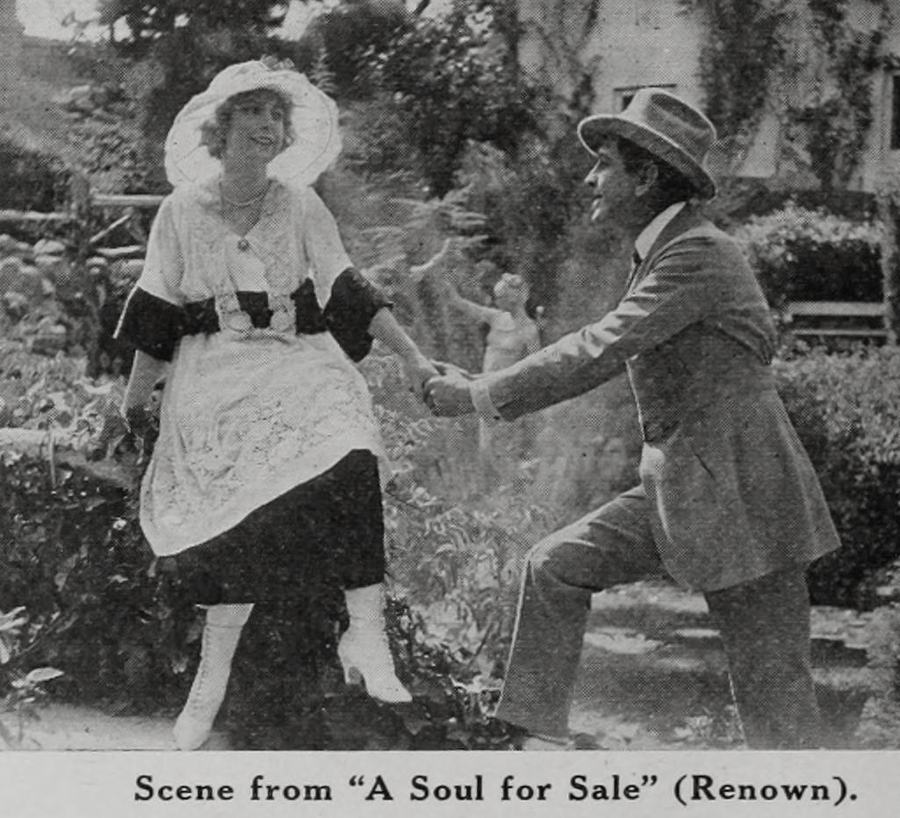
The enduring power of A Soul for Sale owes much to its stellar cast, particularly Dorothy Phillips. Phillips, a prominent star of the silent era, brings an astonishing depth to Neila. Her ability to convey complex emotions—from despair and resignation to fierce determination and vulnerability—without uttering a single word is a testament to her acting prowess. She doesn't merely perform; she feels Neila's journey, allowing the audience to empathize deeply with her plight. Her expressive eyes and nuanced body language are the conduits for Neila's inner world, making her a compelling figure who transcends the limitations of the silent medium and speaks directly to the audience's heart. Phillips' performance is a masterclass in non-verbal communication, a skill paramount in an era before synchronized sound.
Katherine Kirkwood, as Mrs. Pendleton, delivers a chillingly effective performance. Her portrayal of avarice is not a caricature but a nuanced depiction of a woman consumed by desperation and greed, making her a formidable antagonist whose actions drive the entire plot. Joseph W. Girard as Wilbur Simons, William Burress as Hale Faxon, and Alan Roscoe as Steele Minturn all contribute robust performances that flesh out the film’s moral landscape. The ensemble cast works cohesively to create a believable and emotionally resonant world, despite the inherent theatricality of silent film acting.
Visually, the film adheres to the stylistic conventions of its time, utilizing dramatic lighting, expressive intertitles, and carefully composed shots to guide the narrative. The direction (typical of the era's studio system, often collaborative and less singularly attributed than today) effectively builds suspense and amplifies emotional beats through intelligent blocking and scene composition. The use of close-ups, though perhaps not as frequent or as extreme as in later films, is impactful, drawing the viewer into the characters' internal struggles and emphasizing key emotional reactions. The burning roof sequence, in particular, showcases the era's burgeoning capabilities in special effects and stunt work, delivering a thrilling and memorable climax that would have undoubtedly captivated contemporary audiences. The cinematography, while perhaps lacking the sophisticated camera movements of later decades, is purposeful, ensuring that every frame contributes to the overarching emotional and narrative thrust.
A Soul for Sale is more than just a historical artifact; it is a timeless exploration of themes that continue to resonate today. The corrosive effects of greed, the complexities of familial duty, the societal pressures placed upon individuals, and the ultimate triumph of truth and genuine affection are universal human experiences. The film serves as a powerful reminder of how easily intentions can be misconstrued and how vital open communication is for true understanding and reconciliation. It also offers a fascinating window into the social mores and anxieties of the early 20th century, particularly regarding class, gender roles, and the pervasive influence of money.
For silent film aficionados and newcomers alike, A Soul for Sale offers a compelling entry point into the rich cinematic heritage of the early 20th century. It stands as a testament to the power of visual storytelling, demonstrating that profound emotional narratives do not require spoken dialogue to stir the soul. The film's intricate plot, driven by compelling characters and elevated by exceptional performances, ensures its place as a significant work that continues to provoke thought and evoke empathy. It’s a compelling drama that, despite its age, feels remarkably current in its dissection of human frailties and strengths, offering a universal appeal that transcends its period setting. Its narrative arc, from despair to eventual redemption, offers a deeply satisfying emotional journey, making it a must-see for anyone interested in the evolution of cinematic storytelling and the enduring power of human drama.
Ultimately, A Soul for Sale is a powerful testament to the resilience of the human spirit in the face of overwhelming adversity. Neila's journey from a passive victim of circumstance to an empowered woman who reclaims her narrative is both inspiring and deeply moving. The film's conclusion, while offering a happy resolution, does not shy away from acknowledging the profound struggles that preceded it. It celebrates the hard-won victory of truth over deception, and the enduring strength of love that can overcome even the most harrowing trials. This cinematic gem offers not just entertainment, but a profound reflection on the values that define us, making it a truly unforgettable experience. Its legacy lies not only in its compelling narrative but also in its nuanced portrayal of human relationships under duress, solidifying its status as a significant contribution to silent film history.
IMDb 6.7
1919
Community
Log in to comment.