DbcultAccessing Vault...
5.8/10
Senior Film Conservator
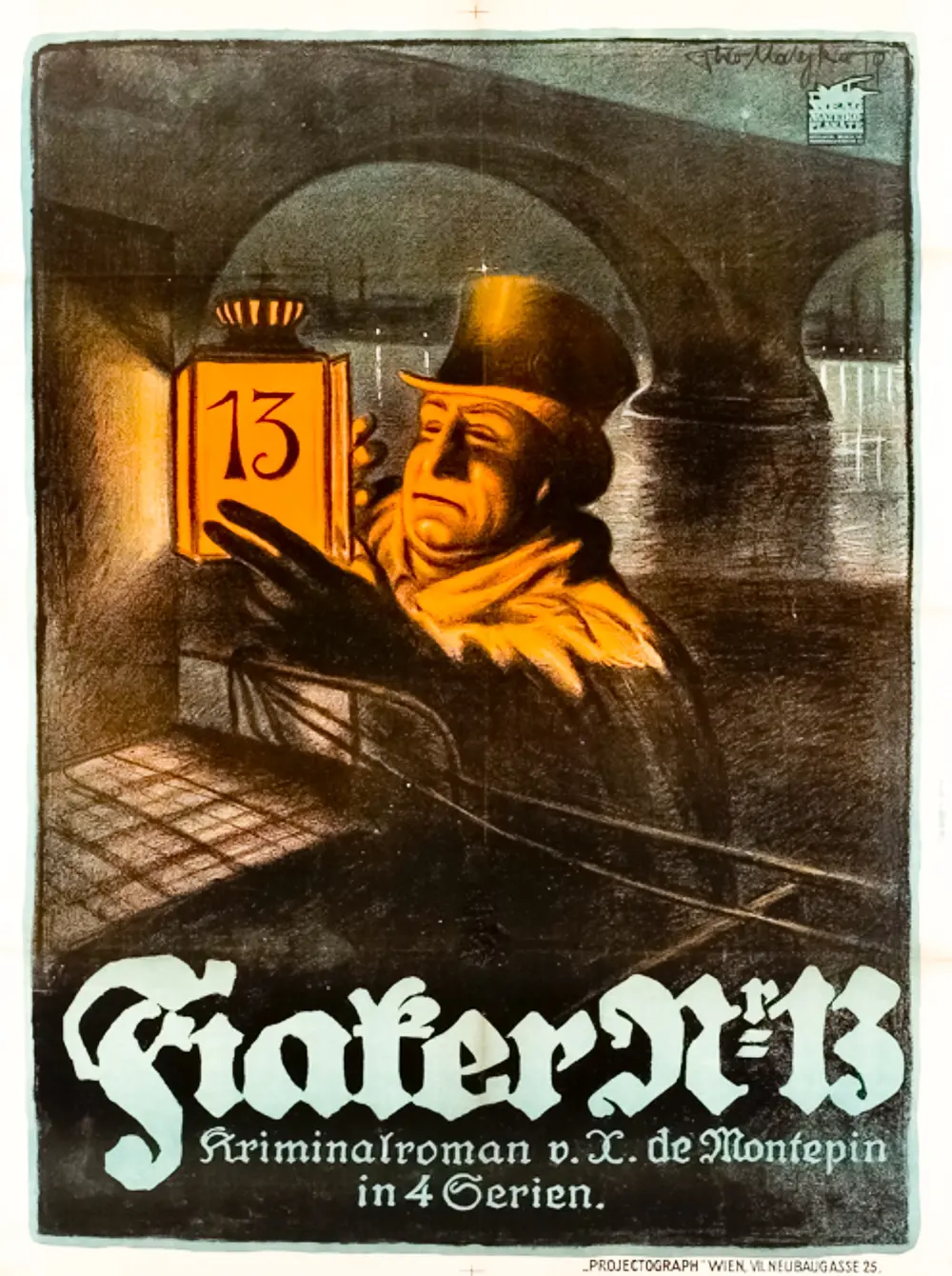
A definitive 5.8/10 rating for a film that redefined the boundaries of cult cinema. Cab No. 13 remains a cornerstone of transgressive art.
Is Cab No. 13 worth the investment of a modern viewer's time? Short answer: Yes, but only if you possess a genuine appetite for the heightened emotional architecture of Weimar-era melodrama.
This film is specifically for those who enjoy the intersection of social commentary and pulp mystery, much like the themes explored in Starting Out in Life. It is absolutely NOT for viewers who require fast-paced action or logical narrative progression by contemporary standards.
Cab No. 13 is a rewarding experience for the patient cinephile. While the plot relies on the 'lost heir' trope—a staple of the era—the execution is surprisingly sophisticated. The film manages to balance a personal quest for identity with a larger critique of institutional corruption. If you can move past the theatricality of the performances, you will find a story that resonates with modern anxieties about class and justice.

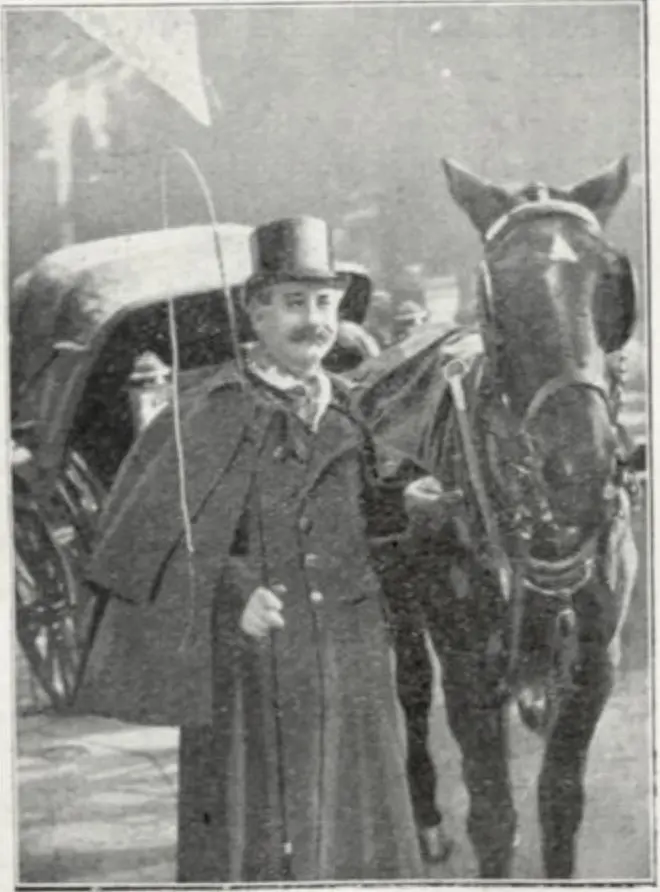
The narrative begins with a displacement that feels visceral even today. When the young protagonist is taken from his family, the camera doesn't shy away from the trauma. The early scenes featuring the coachman (played with a weary, grounded dignity by Albert Paulig) are the film's strongest. There is a specific moment where the coachman shares a meager meal with the boy inside Cab No. 13; the lighting is low, the space is cramped, yet it feels infinitely more human than the sprawling, cold offices the protagonist later inhabits.
As the boy grows into a man (Jack Trevor), the film shifts gears into a political thriller. This transition is handled with a level of nuance that reminds one of The Mysterious Mr. Tiller. Trevor plays the secretary with a stiff, almost defensive posture, suggesting a man who knows he doesn't quite belong in the world of the elite. His performance is a study in repressed history.
One cannot discuss Cab No. 13 without centering on Lili Damita. As the femme fatale leading the dark plots against the Ministry, she is magnetic. Unlike the more traditional villains found in films like Zigomar contre Nick Carter, Damita’s character isn't just evil for the sake of it. There is a calculated desperation in her eyes. In the scene where she attempts to seduce information out of the secretary, her movements are feline and predatory, yet she maintains a mask of high-society elegance that is chilling.
The 'dark plots' mentioned in the summary are surprisingly complex. They involve forged documents, blackmail, and a deep-seated hatred for the Minister of Justice. The way the film weaves these threads together is admirable, even if the eventual resolution feels a bit tidy. The femme fatale represents the chaotic element of the city—the part that the law cannot easily categorize or control.
Directorially, the film is a fascinating bridge between the Expressionism of the early 20s and the more naturalistic style that would follow. The use of the cab itself is a stroke of genius. It isn't just a vehicle; it's a confessional booth, a hiding spot, and a symbol of the protagonist's humble origins. The cinematography often frames the cab against the grand architecture of the city, emphasizing the smallness of the individual against the machinery of the state.
The pacing, however, is where the film shows its age. There are long stretches of intertitles and expository scenes that could have been handled more visually. Compare this to a film like Taxi Please, which moves with a much lighter touch. Cab No. 13 is heavy. It wants you to feel the weight of every secret and the burden of every injustice. Sometimes, it succeeds too well, and the viewer might find themselves wishing for a bit more air in the lungs of the story.
Here is a debatable opinion: Cab No. 13 is secretly a critique of the legal system's inability to provide true justice for the poor. The fact that the protagonist only finds the truth by becoming part of the system suggests that, for the average person on the street, the law is an impenetrable wall. The Minister of Justice is portrayed as a man of integrity, but he is blind to the corruption happening directly under his nose. This cynical undercurrent makes the film feel far more modern than its 1926 release date would suggest.
It works. But it’s flawed. The reliance on the 'secret locket' or 'hidden birthmark' style of revelation is a bit of a letdown after such a gritty setup. However, the emotional payoff of the protagonist finally confronting his past is undeniably effective. It reminds me of the emotional stakes in Welcome Home, where the return of a lost figure disrupts the established social order.
The acting remains remarkably restrained for the period. Max Gülstorff and Valeska Stock provide solid supporting turns that flesh out the world of the Berlin (or surrogate European city) streets. The set design for the Ministry is particularly impressive, using high ceilings and sharp angles to create a sense of intimidation. In one standout scene, the protagonist stands before a massive fireplace in the Minister's study; the flickering shadows make him look like a ghost in his own life, a visual metaphor for his lost identity.
Cab No. 13 is a fascinating, if occasionally frustrating, piece of silent cinema. It captures a specific moment in film history where the medium was moving toward psychological depth but was still tethered to the conventions of 19th-century theater. While it lacks the sheer kinetic energy of something like Kid Boots, it offers a much more substantial emotional meal. It is a film about the ghosts of the past and the difficulty of driving them out of the present. If you are willing to look past the cobwebs of its tropes, you will find a story with real teeth and a surprisingly cynical heart. It is a journey worth taking, even if the road is a bit bumpy.
IMDb 6.9
1923
Community
Log in to comment.