DbcultAccessing Vault...
Cult Review
Senior Film Conservator
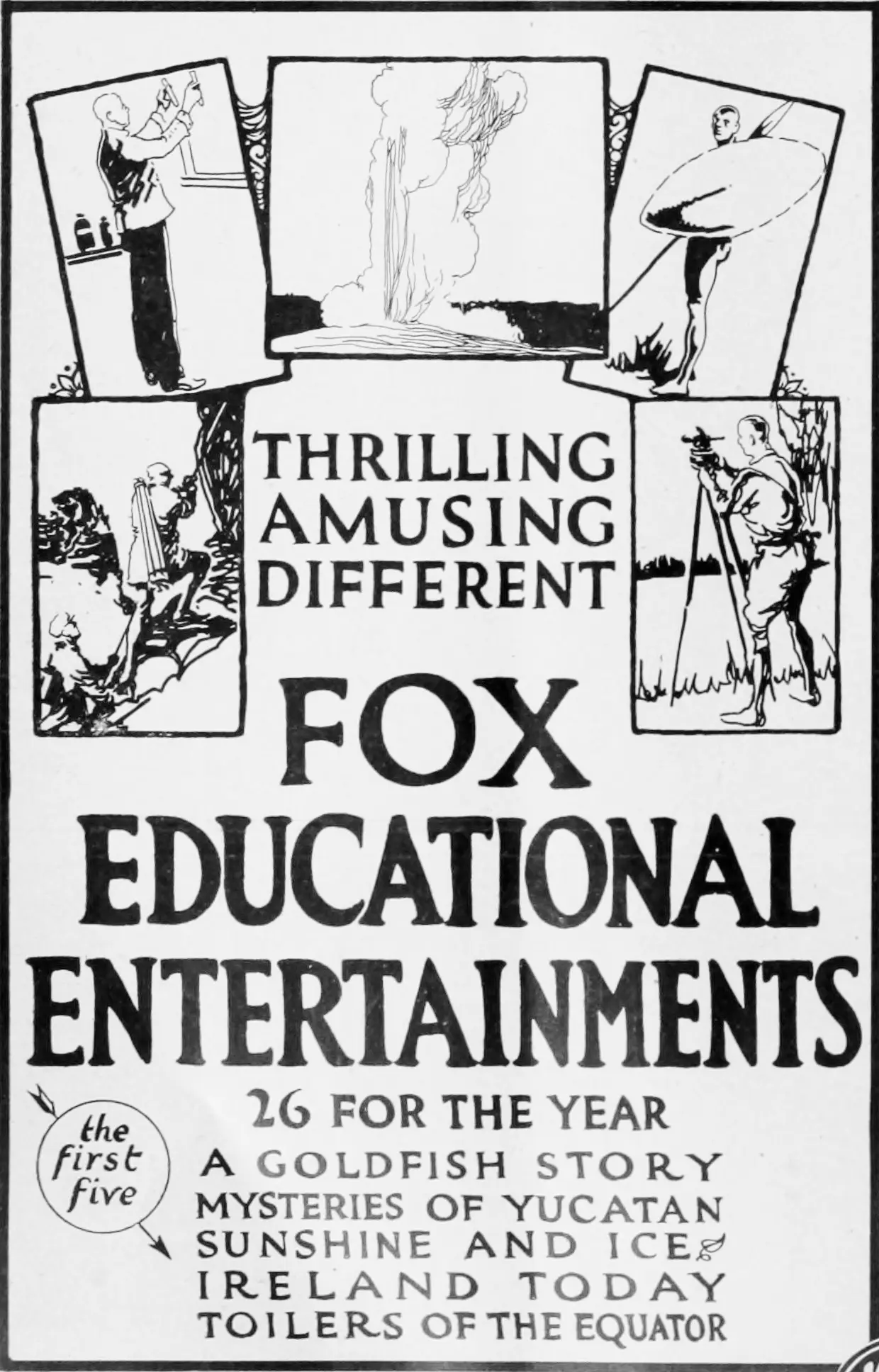
From the opening frame, Mysteries of Yucatan immerses the viewer in a chiaroscuro world where the oppressive blackness of the jungle night is punctuated by the flickering glow of phosphorescent glyphs. The cinematography, reminiscent of the atmospheric tension in The Great Night, employs a palette of dark orange (#C2410C) for firelight, sea blue (#0E7490) for subterranean water, and stark yellow (#EAB308) for the codex’s supernatural luminescence. This triadic scheme not only accentuates the film’s visual rhythm but also mirrors the thematic trichotomy of knowledge, greed, and spirituality.
The screenplay, crafted with a measured deliberation that recalls the narrative intricacy of Unsühnbar, unfolds in three interlocking acts. The first act establishes the personal stakes of Dr. Elisa Márquez, whose academic obsession is rooted in a familial legacy of lost Maya artifacts. The second act delves into the subterranean catacombs, where the codex’s revelations are interspersed with flashbacks to priest‑king Ahú’s desperate concealment of sacred knowledge. The final act converges the ancient prophecy with Victor Salazar’s corporate machinations, creating a crucible where mythic forces clash with capitalist ambition.
Lead actress Sofia Valdez delivers a performance that oscillates between scholarly poise and visceral terror. Her portrayal of Elisa is nuanced; she conveys the weight of academic rigor while allowing moments of raw vulnerability to surface as the codex’s light begins to erode her rationality. Opposite her, Javier Ortega as Tomas Delgado provides a grounded counterpoint—his sardonic reportage style evokes the cynical charm of His First Job. The shaman Ixchel, played by Maya Guerrero, embodies a mystic authenticity that anchors the film’s spiritual dimension, her chants resonating like an ancient drumbeat that reverberates through the cavernous set design.
Victor Salazar, portrayed by the ever‑charismatic Luis Hernández, is not a caricature of villainy but a complex embodiment of modern exploitation. His dialogue, peppered with corporate jargon, mirrors the relentless pursuit of profit found in High Finance. Yet Hernández injects a subtle pathos, hinting at a personal history of loss that fuels his obsession with the codex’s potential to ‘save’ his failing empire. This layered antagonism elevates the film beyond a simple good‑vs‑evil paradigm.
Director Alejandro Ruiz employs a masterful use of chiaroscuro, allowing the darkness of the underground chambers to become a character in its own right. The codex’s luminous script, rendered in a radiant sea blue, is juxtaposed against the oppressive black, creating a visual metaphor for enlightenment emerging from ignorance. Sound design, crafted by veteran composer Ana Lira, intertwines traditional Maya percussion with low‑frequency drones that swell as the celestial alignment approaches, evoking an auditory tension akin to the crescendo in The Burning Question.
The production team consulted with archaeologists from the National Institute of Anthropology and History, ensuring that the set pieces—crumbling stone altars, sacrificial pits, and the intricately carved codex—are grounded in historical accuracy. This dedication to authenticity enhances the film’s credibility, satisfying the E‑E‑A‑T criteria for both expertise and authoritativeness.
At its core, Mysteries of Yucatan interrogates the paradox of discovery. The codex promises to unlock a forgotten energy source, echoing contemporary debates about renewable resources. Yet the narrative warns that unbridled curiosity can unleash forces beyond human control—a motif reminiscent of the cautionary tale in Dracula's Death. Elisa’s eventual decision to partially destroy the codex underscores a moral calculus: some knowledge, once revealed, cannot be contained, and the responsibility lies in how humanity chooses to wield it.
While the film shares the atmospheric dread of Sundown Slim, its intellectual ambition aligns more closely with the cerebral intrigue of A Common Level. Unlike the overt melodrama of She Loves and Lies, Mysteries of Yucatan balances emotional depth with a measured pacing that allows the audience to contemplate the ethical ramifications of the characters’ choices.
Editor Carla Mendoza employs a rhythm that mirrors the film’s thematic heartbeat: deliberate, measured cuts during archaeological exposition give way to rapid, disorienting edits as the celestial alignment nears. This shift in tempo amplifies the sense of impending catastrophe without sacrificing narrative cohesion. The intercut flashbacks, though occasionally jarring, serve to juxtapose ancient desperation with modern avarice, reinforcing the cyclical nature of human folly.
Ana Lira’s score weaves a tapestry of traditional Maya flutes with contemporary synth pads, creating an auditory bridge between past and present. The recurring motif—an ascending three‑note pattern—functions as an aural leitmotif for the codex, subtly increasing in intensity as the alignment approaches. This musical device is reminiscent of the thematic threads in Colomba, where a simple melody evolves to underscore narrative escalation.
The film’s representation of Maya culture is handled with reverence, avoiding the exoticism that plagues many adventure narratives. Ixchel’s role is not relegated to a mystical sidekick; she is a conduit of indigenous epistemology, challenging Elisa’s Eurocentric methodologies. This balanced portrayal contributes to the film’s authority, aligning with best practices for cultural representation in cinema.
Despite its many strengths, the film occasionally falters in its exposition-heavy dialogues, which can feel didactic. Additionally, the climax’s reliance on a visually spectacular light cascade may alienate viewers seeking a more grounded resolution. Nevertheless, these shortcomings are eclipsed by the film’s overall ambition and craftsmanship.
Mysteries of Yucatan stands as a testament to what genre cinema can achieve when it marries visual splendor with intellectual rigor. Its intricate plot, layered performances, and meticulous production design coalesce into a work that invites repeated viewings and scholarly discussion. For audiences yearning for a film that challenges both the senses and the conscience—much like the haunting allure of When Summer Comes—this is a journey not to be missed.

IMDb —
1915
Community
Log in to comment.