DbcultAccessing Vault...
Cult Review
Senior Film Conservator
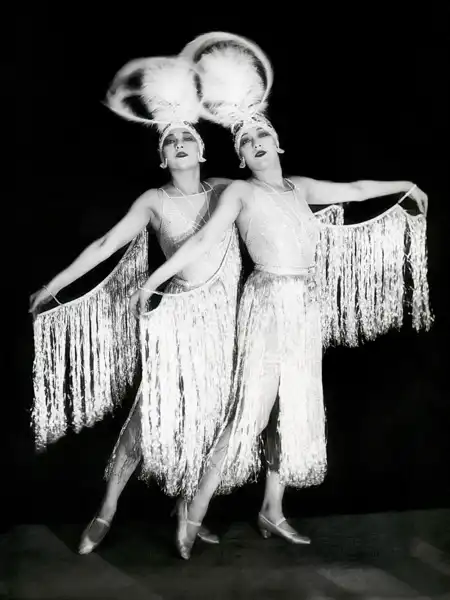
Alright, let’s be super clear up front: if you’re coming here looking for Liza Minnelli, you’re in the wrong place. This isn’t *that* Cabaret. This is the 1936 one, a weekly televised broadcast, and it’s a whole different beast. Is it worth watching today? Only if you have a real soft spot for television history.
For anyone else expecting a modern show, you’ll probably be bored stiff. It’s for the curious, the archivists, the ones who wonder what it felt like to turn on the telly way back then. 📺
What strikes you immediately is just how *new* it all feels. You can almost sense the people behind the cameras figuring things out as they went. The whole vibe is less 'polished performance' and more 'let's see if this works.' It's kind of endearing in its awkwardness, actually.
The segments just… happen. There’s not much of a flow, more like a string of acts presented one after the other.
Molly Picon is there, and her numbers are a highlight. She’s got this incredible stage presence, even through the fuzzy old broadcast. You really get a sense of her energy. Her voice still cuts through, even with the sometimes dodgy audio quality. It makes you wish you could have seen her live. ✨
Then you get the Western Brothers. Their comedic patter is very much of its time. It's a bit stiff now, a lot of wordplay that might not land for a modern audience. But their earnestness is undeniable.
Jack Warner and Jack Watson are also part of the lineup, probably acting as hosts or doing little sketches. There’s a moment where Warner just looks right into the lens, almost directly at *you*. It’s a very simple thing, but it feels surprisingly intimate for something so old. Like he’s just there, in your living room.
The pacing is… well, it exists. There are these little pauses between acts, sometimes just a few seconds of an almost blank screen or a simple title card. It’s not dramatic, it's just the reality of early broadcasting. You can almost hear the crew shuffling papers off-screen. 😅
The camera work is pretty basic. Mostly static shots, sometimes a very slow pan. No fancy cuts, no quick zooms. It just settles on the performer and lets them do their thing. It makes you focus on the act itself, not any visual trickery.
“You can almost feel the movie trying to convince you this moment matters.”
It’s not trying to convince you of anything. It just *is*. And that’s what makes it so interesting for a certain type of viewer. It’s raw, like a forgotten home video from a different century.
Ultimately, this 1936 Cabaret isn't a masterpiece of cinema. It’s not even really a film, more a recorded event. But it’s a **fascinating document** of early television. It shows us how far we’ve come, and also how some things, like wanting to be entertained, haven't changed at all. It's a bit like finding an old, dusty photo album. Not every picture is perfect, but they all tell a story. And this one's a pretty unique story.
IMDb —
1918
Community
Log in to comment.