DbcultAccessing Vault...
7/10
Senior Film Conservator
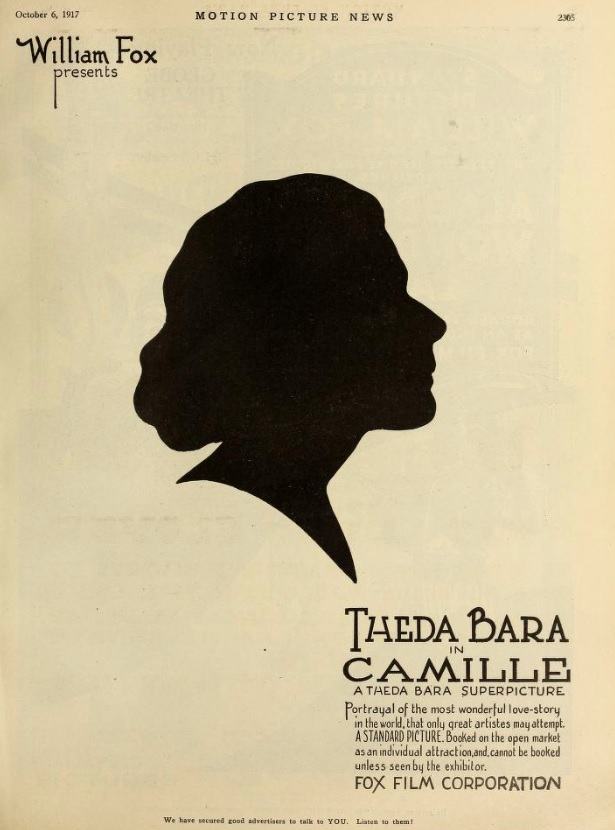
A definitive 7/10 rating for a film that redefined the boundaries of cult cinema. Camille remains a cornerstone of transgressive art.
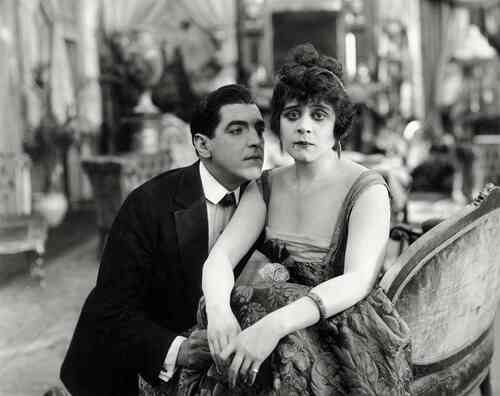
The year 1917 remains a watershed moment in the evolution of the moving image, a period where the primitive techniques of the early decade began to coalesce into a sophisticated visual language. Amidst this transition, J. Gordon Edwards’ adaptation of Camille emerged as a monumental vessel for the era's most provocative star: Theda Bara. While history often remembers Bara as the archetypal 'Vamp,' her portrayal of Marguerite Gautier in this production represents a startling departure from the predatory persona she cultivated in films like A Fool There Was. In Camille, we witness the softening of the screen's most dangerous woman into a figure of profound, trembling pathos.
The narrative of Alexandre Dumas fils has been interpreted through countless lenses, yet the 1917 iteration possesses a unique, spectral gravity. It captures a world on the brink of collapse, mirroring the actual global upheaval of the Great War. The Parisian demi-monde is rendered not merely as a site of sin, but as a gilded cage where beauty is a currency that devalues with every cough. Unlike the more whimsical theatricality found in The Black Crook, Camille leans into a heavy, atmospheric realism that anchors the melodrama in a palpable sense of dread.
The central conflict—the collision between Camille’s past and Armand’s future—is handled with a delicate hand by writer Adrian Johnson. The script avoids the simplistic moralizing often found in contemporary works like A Little Brother of the Rich. Instead, it posits Camille as a victim of a systemic hypocrisy. When Walter Law, playing the elder Duval, arrives to dismantle Camille’s happiness, the scene is played with a chilling, quiet authority. It is a moment of pure class warfare, where the stability of the family name is bought with the life of a woman who has already given the world everything but her soul.
To analyze Theda Bara’s performance is to engage with the very essence of silent film acting. Her eyes, often rimmed with the darkness of impending tragedy, serve as the film's emotional compass. While some critics of the era might have preferred the more rugged, straightforward aesthetics of Straight Shooting, Bara’s work here is a masterclass in internal monologue. She conveys the transition from the weary cynicism of a woman who has seen too much to the radiant, fragile hope of a lover with startling clarity.
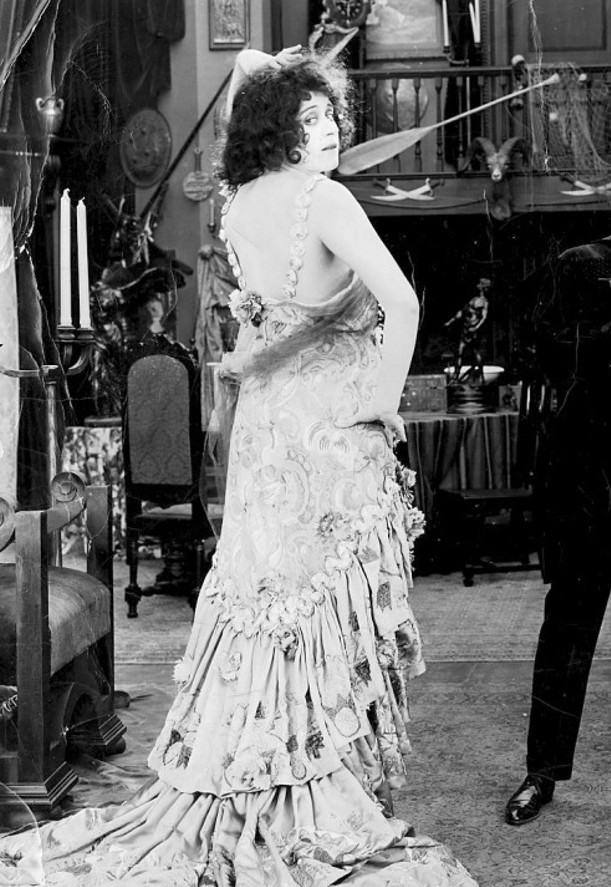
The chemistry between Bara and Alan Roscoe (Armand) is palpable, even through the grainy veil of surviving stills and historical accounts. Roscoe brings a certain earnestness that balances Bara’s complexity. Their romance feels less like a plot point and more like a desperate refuge. In comparison to the more stylized legal dramas of the time, such as Signori giurati..., the stakes in Camille feel agonizingly personal. The sacrifice isn't just a narrative turn; it's a spiritual evisceration.
The production design of the 1917 Camille was noted for its opulence, a hallmark of Fox’s prestige offerings. The sets were designed to overwhelm, emphasizing the suffocating nature of Camille’s luxury. Every lace curtain and ornate candelabra serves as a reminder of the price she has paid for her position. This visual density stands in stark contrast to the sparse, utilitarian landscapes of films like The Half-Breed, which sought beauty in the rugged outdoors rather than the claustrophobic interiors of the elite.
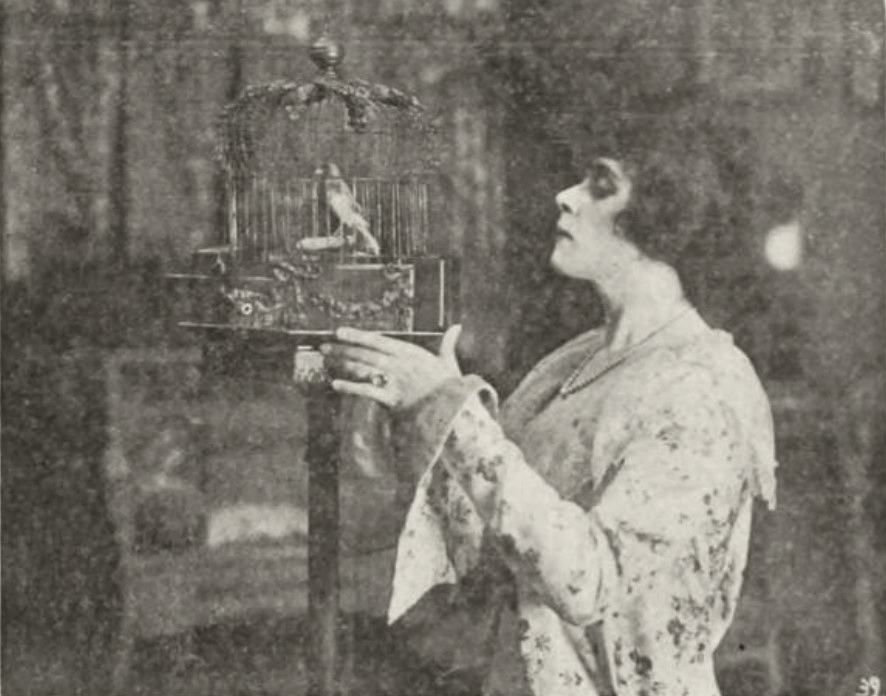
The cinematography by J.D. Jennings utilizes light as a weapon. The scenes in the country house are bathed in a soft, ethereal glow, representing a brief, impossible dream. As the story returns to the city and Camille’s health declines, the shadows lengthen, becoming more aggressive and jagged. This use of chiaroscuro anticipates the expressionistic movements that would soon sweep through Europe. It is a visual language of decline, mirroring the protagonist’s failing physiology.
When placing Camille alongside its contemporaries, its sophistication becomes even more apparent. While Fatal orgullo explored themes of pride and social standing, it lacked the intimate psychological depth that Edwards achieved here. Similarly, the biographical sweep of The Life and Works of Verdi—who famously adapted this same story into La Traviata—often sacrificed individual emotion for historical scale. Camille remains laser-focused on the human cost of social mobility.
Even in the realm of mystery and intrigue, such as Monsieur Lecoq or the exoticism of The Sable Lorcha, the emotional resonance rarely reaches the fever pitch of Camille’s final act. The film understands that the greatest mystery is not 'who did it,' but 'how can one survive the loss of self.' This thematic gravity is what has allowed the story to endure for over a century, transcending the technological limitations of its time.
The final sequence of the film is a grueling exercise in cinematic empathy. As Camille lies dying, the return of Armand is not a moment of triumph, but a bittersweet acknowledgement of wasted time. Theda Bara’s physical transformation in these closing moments is harrowing. Gone is the 'Vamp' of the posters; in her place is a translucent, fading spirit. The pathos is so thick it becomes almost tactile, a far cry from the more detached storytelling of The Money Master.
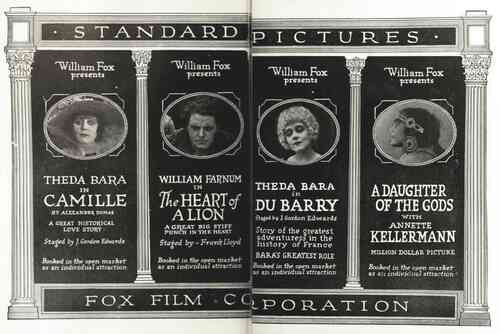
It is a tragedy of cinema that Camille is largely considered a lost film, with only fragments and stills remaining to testify to its power. Yet, even in its absence, it exerts a gravitational pull on the history of the medium. It represents the moment when the silent film found its soul, moving beyond mere spectacle to explore the darkest recesses of the human heart. It stands as a testament to a time when cinema was discovering its ability to break hearts on a global scale.
In the broader context of 1917, where films like The Tarantula or Pauline offered more conventional thrills, Camille dared to be quiet. It dared to be sad. It dared to suggest that some wounds are too deep for a happy ending to heal. This commitment to the integrity of the tragedy is what elevates it above its peers. Whether compared to the political weight of A Vida do Barão do Rio Branco or the lighter fare of The Purple Lady, Camille remains a towering achievement of emotional architecture.
Ultimately, the 1917 Camille is a ghost story. It is the story of a woman haunted by her past, a man haunted by his future, and a film industry haunted by the loss of one of its most potent treasures. To study it is to look into the eyes of Theda Bara and see not a monster, but a mirror reflecting the fragile, beautiful, and ultimately doomed nature of our own most cherished illusions. It is a masterpiece of the ephemeral, a camellia frozen in the winter of history, forever blooming in the imagination of those who seek the true heart of the silent era.
IMDb —
1919
Community
Log in to comment.