DbcultAccessing Vault...
6.5/10
Senior Film Conservator
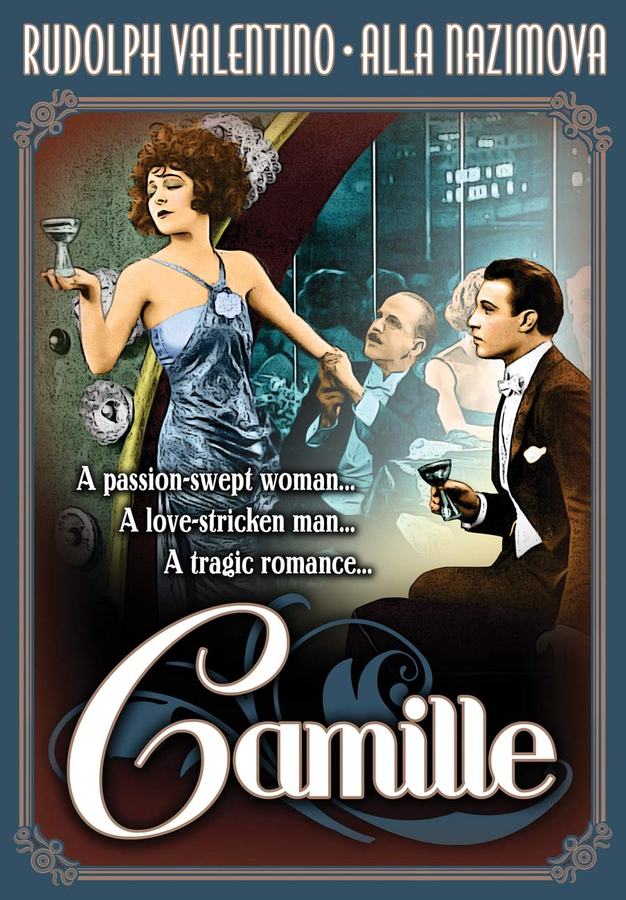
A definitive 6.5/10 rating for a film that redefined the boundaries of cult cinema. Camille remains a cornerstone of transgressive art.
Paris, 19th-century—yet the cobblestones look wet with yesterday’s rain. Ray Smallwood doesn’t open Camille so much as exhales it: a slow exhalation of opium smoke and piano-wire tension. From the first iris-in on Alla Nazimova’s khol-rimmed gaze, you know this courtesan has already sold her soul at a markdown and is busy haggling over the change.
Forget grayscale; this print—especially the 4K restoration streaming via Kino’s prestige channel—bleeds emerald and bruised-lavender tints that feel hand-tipped by Mucha himself. Sets by Natacha Rambova (billed modestly as “Mrs. Valentino”) swarm with peacock feathers, celluloid lace, and mirrors warped like guilty consciences. The camera glides through boudoir doors carved in arabesques, then freezes on a single white camellia—Marguerite’s calling card—wilting in a chipped Sèvres vase. The bloom’s slow browning becomes a visual metronome for love’s expiration date.

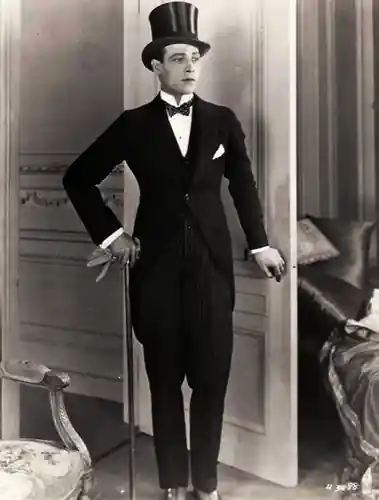
Nazimova, reputed to fast on nettle tea during shoots, embodies tuberculosis with Method ferocity decades before the term existed. Watch her cough into a lace handkerchief, then instantly straighten to greet a client—death and commerce waltzing in one vertebrae-pop. Valentino reins in his trademark smolder, opting for a tremulous half-smile that collapses into bewilderment when patriarchal thunderclaps. The result: chemistry that feels like two moths circling a candle, each convinced the other is the flame.
Adapting Dumas fils demands pruning an entire cemetery of subplots; Mathis hacks away until only bone and perfume linger. Intertitles arrive haiku-cruel: “He offered her his heart—she pawned it for a necklace.” Compare that to the verbose moralizing in The Glorious Lady or the slap-dash pacing of Pep and you realize how modern Mathis feels.
The 2020 restoration commissioned a score from Ukrainian composer Tatiana Kozlova-Jones: piano motifs flutter like Marguerite’s fan, then sink into cello drones that taste of laudanum. Syncopated heartbeats surface during the country-arcadian retreat—only to be garroted by harp glissandos the instant Daddy Duval barges in. Cue cards suddenly glow sulphur-yellow, as though the film itself is jaundiced with dread.
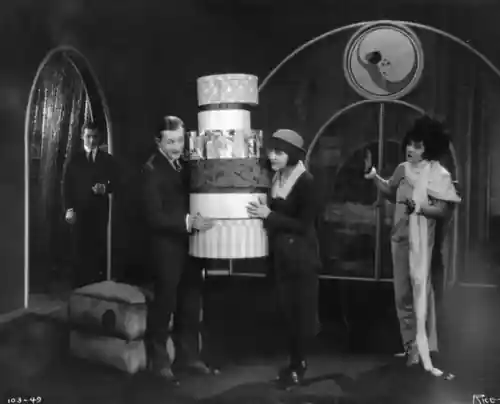
Where Pride treats social climbing as farce and Nothing But the Truth flirts with morality clauses, Camille dissects them with a scalpel dipped in absinthe. Note the montage where Marguerite’s jewels migrate from her décolletage to creditor coffers; each gem’s departure is a breakup in miniature—lovers leaving via velvet trays. Armand’s eventual contempt is less about betrayal than buyer’s remorse: the bourgeois horror that the commodity might have agency.

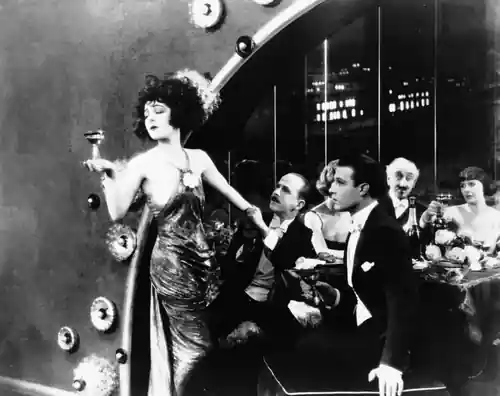
Smallwood repeatedly frames Nazimova against looking-glasses, creating a mise-en-abyme of self-objectification. In the pivotal renunciation scene, father Duval (William Orlamond) stands between two mirrors—thus tripling his patriarchal silhouette—while Marguerite’s reflection remains single, underscoring her social untouchability. Later, as she hacks off her hair in penitential frenzy, the mirror fractures, splitting her face like a cubist wound.
Garbo borrowed Nazimova’s death-shroud pose for her 1936 talkie remake; Baz Luhrmann’s Moulin Rouge! swiped the consumptive-courtesan template. Even modern K-dramas recycle the sacrificial-lover trope without the guts to show the blood on the banknote. Yet none match the silent original’s candor: love, here, is a currency more volatile than francs, and virtue is merely a matter of who holds the purse strings.
Stack Camille beside The Dark Star’s cosmic hokum or Prairie Trails’ frontier schmaltz and the film’s psychological nakedness feels almost indecent. Where Out of the Inkwell frolics in meta-cartoon anarchy, Camille dares to suggest that the inkwell is refilled nightly with women’s tears.
Because every swipe-right age believes it invented transactional intimacy—then this 1921 relic ambushes you with a close-up of Nazimova’s trembling eyelid, and you realize Tinder is just Dumas with worse lighting. Marguerite’s self-immolation lingers longer than most CGI explosions; she dies off-screen, yet her cough echoes in your chest days later.
A half-point docked only because the restored climax still omits a rumored red-tinted shot of Marguerite’s hallucinated wedding—lost nitrate forever. Otherwise, Camille remains the gold standard for tragic melodrama, a film that proves silence can scream louder than Dolby thunder.
Stream the 4K restoration on Kino, Criterion, or snag the dual-disc from Flicker Alley. Watch it at 2 a.m. when the city outside your window looks suspiciously like 1848.
IMDb 6.3
1933
Community
Log in to comment.