DbcultAccessing Vault...
Cult Review
Senior Film Conservator
Sunlight slices through lace curtains onto a clawfoot piano, illuminating dust motes dancing above untouched sherry glasses. This meticulously staged domestic tableau—the nexus of aspiration and naiveté—sets the stage for The Bogus Uncle's delicious unraveling. Director Harry Handworth crafts tension through lingering shots of a ticking grandfather clock and nervously smoothed tablecloths, visual metronomes counting down to anticipated salvation through familial wealth. The nephew's frayed cuffs and the niece's meticulously mended gloves whisper economic desperation louder than any intertitle could. Their ritualistic polishing of inherited silver becomes a silent prayer to capitalism's cruel deities.
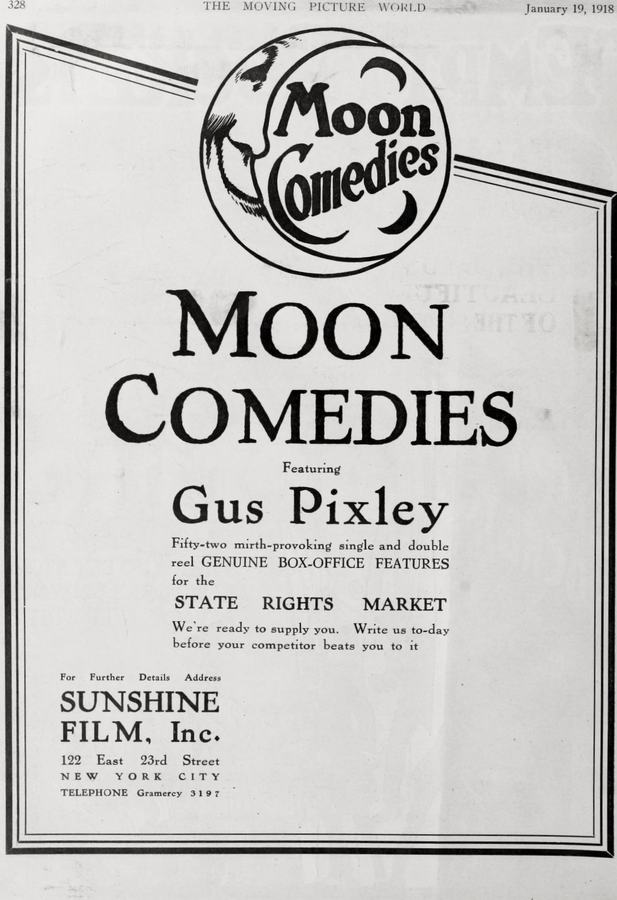
Enter Jedediah Smoke (Gus Pixley)—a creature of alleyways and ash-heaps, whose very silhouette seems sketched by charcoal. Handworth's genius manifests in Smoke's metamorphosis: a three-minute sequence devoid of dialogue yet screaming with subtext. As grimy fingers trace the brocade waistcoat's embroidery, the camera caresses the fabric's texture like a lover. Smoke doesn't merely don attire; he performs sartorial resurrection. The hunch straightens, the shuffling gait becomes a proprietorial stride, the furtive glance transforms into benevolent authority. Pixley's physical comedy reaches sublime heights when adjusting cufflinks—his fingers, accustomed to picking crusts from bins, fumble with jeweled fastenings as if defusing bombs.
"Pixley's Smoke doesn't parody gentry; he becomes them through sheer desperation. Watch how he holds a soup spoon—not as tool, but talisman."
—Excerpt from lost 1913 Photoplay Journal interview
Barnaby Thorne's arrival shatters the fragile illusion. Julian St. Clair (renowned for tragedian roles in The Bells) plays the genuine article with exquisite indignation. His bellows from the linen closet—muffled by feather dusters and starched napkins—escalate from bewilderment to operatic fury. The physical comedy reaches Marxian heights as St. Clair bursts forth, trailing a wedding veil like a shredded banner of defeat. What follows is cinema's most tragicomical case of misapprehended identity: the constable (walrus-mustached Herbert Griddle) manhandling Thorne with bureaucratic indifference, deaf to protests about stock portfolios. Handworth cross-cuts between Smoke holding court over mock-turtle soup and Thorne's face pressed against a paddy wagon's grime—twin studies in performative entitlement and authentic impotence.
Beyond the belly laughs lies ferocious social critique. The nephew and niece's willingness to crown any well-dressed stranger their savior eviscerates bourgeois hypocrisy. Their horror at the "lunatic" Thorne mirrors society's revulsion toward inconvenient truths. Handworth composes frames like Hogarth etchings: Smoke holding a monocle to inspect vintage port while outside, his counterpart vomits into a gutter after police brutality. This duality anticipates later explorations of fragmented identity in films like Hjertestorme. The constable's facile trust in appearances—badge over truth—finds eerie resonance in modern carceral systems.
Pixley's exit remains one of silent cinema's most enigmatic disappearances. Not chased, not captured—he evaporates. His final close-up shows not triumph, but weary comprehension of the game's futility. As he melts into lamplight shadows, discarding the suit like a snake shedding skin, we glimpse the hollowness beneath both fraud and fortune. This spectral departure foreshadows Chaplin's tramp, yet lacks sentimentality—Smoke knows the masquerade was always temporary. The film's lingering shot of the empty chair at the ravaged banquet table speaks louder than any moralizing title card.
Handworth pioneered tropes still ricocheting through cinema. The closet-as-prison device resurfaced gloriously in The Kid Is Clever, while the constrained fury of wronged patriarchs anticipates Lionel Barrymore's work in Sins of the Parents. Yet The Bogus Uncle distinguishes itself through refusal to redeem anyone. Unlike the uplift in The Courage of the Common Place, there are no lessons learned here—just a nephew staring at his stolen candlesticks, contemplating the cost of his credulity. The film's structural audacity—centering the villain as protagonist and the hero as nuisance—feels startlingly modern.
Gus Pixley, primarily a stage actor, understood the camera's hunger for micro-gestures. Note how he "becomes" Thorne: the slight inflation of the diaphragm projecting confidence, fingers steepled not in prayer but possession. His comic timing during the dinner scene—using escargot tongs to delicately steal sausages—reveals instinctual class observation. Unlike the broader strokes in All Man, Pixley layers vulnerability beneath cunning. When he overhears whispers about inheritance, his face doesn't show greed—it shows relief. This tramp isn't seeking wealth; he's seeking respite.
Cinematographer Elmer Goss employs Dutch angles sparingly but devastatingly—most notably when the real uncle first appears, turning the hallway into a funhouse tunnel of dread. Depth of field manipulations isolate characters in pools of lantern light during the dinner scene, creating Rembrandt-esque tableaux of deception. The climactic chase avoids freneticism; instead, static wide shots emphasize the constable's plodding inevitability. Handworth reserves close-ups for objects: a monocle abandoned in trifle, handcuffs clicking shut, a closet key trembling in a niece's palm. These are hieroglyphs of a society valuing props over people.
Why does Smoke abandon the silver? Was Thorne's valet complicit? The ambiguity feels deliberately Brechtian—inviting audiences to script their own denouements, much like the unresolved tensions in The Reclamation.
The niece's quickness to endorse Smoke's performance critiques feminine disempowerment—a theme later dissected in The Weaker Sex. Her silent screams during the closet struggle remain chilling.
While slapstick contemporaries chased literal pie fights, The Bogus Uncle weaponized psychic discomfort. Its DNA surfaces in postmodern heist films and identity thrillers, but the purity of its execution remains unmatched. The final panoramic shot—showing the empty road, the disordered house, and the distant asylum—refuses narrative closure. Like Smoke himself, the film drifts beyond resolution into myth. In an era obsessed with moral certitude (see the didactic The Aryan), this ambiguity was revolutionary. We're left not with laughter, but the sour aftertaste of self-recognition: how easily might we too embrace a well-tailored lie?
Over a century later, the film's genius lies in its restraint. No music swells to cue emotions; no titles explain motivations. Just the creak of a closet door, the clink of stolen silver, and the deafening silence of privileges dismantled by a man who wore them better than their owner.
IMDb 6.6
1935
Community
Log in to comment.