DbcultAccessing Vault...
Cult Review
Senior Film Conservator
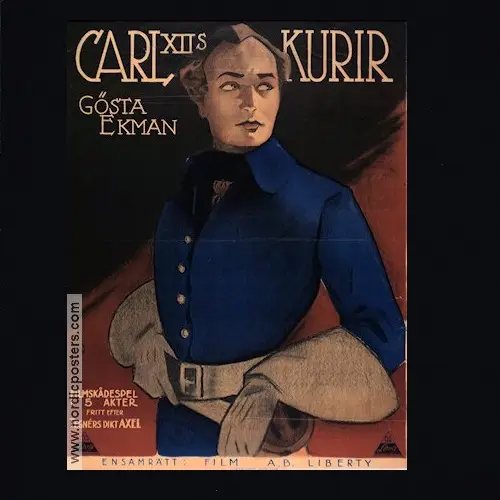
Axel Roos, a valiant horseman, is entrusted by King Karl XII with an urgent task: to traverse hostile and unforgiving terrains to deliver a crucial message to the Swedish council in Stockholm. This film, a testament to the era's cinematic prowess, is not just a narrative of valor but a deeply immersive experience that captures the essence of 18th-century European diplomacy and warfare.
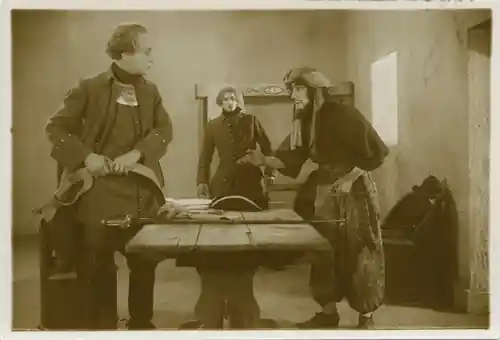
The story unfolds in the aftermath of the battle in Bender, where the king's strategic brilliance is on full display. Roos, a character of indomitable spirit, is chosen for this mission due to his exceptional skills and unwavering loyalty. His journey is fraught with danger, as he must navigate through territories dominated by rival forces, each with its own set of challenges and threats.
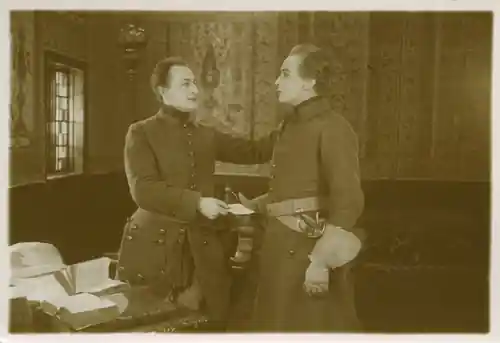
The film's production design is a marvel, with detailed sets and costumes that transport the viewer back to the era of King Karl XII. The landscapes, from the lush forests to the arid deserts, are meticulously crafted to reflect the varied and challenging terrain Roos must cross. The visual storytelling is enhanced by a masterful use of lighting and cinematography, which adds depth and emotion to the narrative.
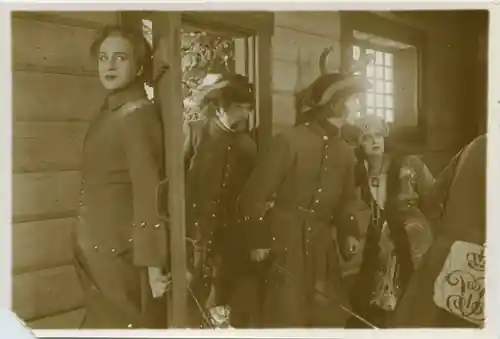
The performances of the cast are nothing short of spectacular. Nils Lundell, portraying Roos, brings a level of intensity and authenticity to the character that makes every scene he's in electric. His portrayal of a man driven by duty and honor is a standout. Gösta Ekman, as the king, exudes a regal presence that commands respect and admiration. His interactions with Roos and the other characters are poignantly rendered, adding layers to the narrative.
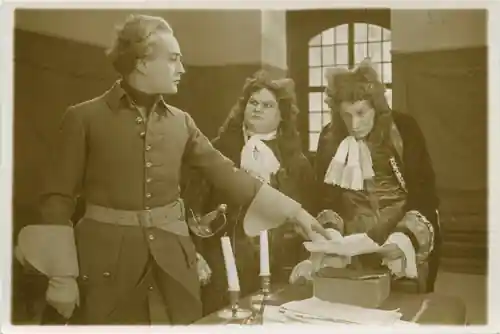
Hilda Castegren, Victor Lundberg, and the rest of the ensemble cast bring a sense of camaraderie and tension that propels the story forward. Their chemistry is evident, and their performances add to the film's overall impact. The supporting roles, played by Tottan Skantze, Renée Björling, and Nils Asther, are equally compelling, each contributing to the rich tapestry of characters that make up this epic journey.
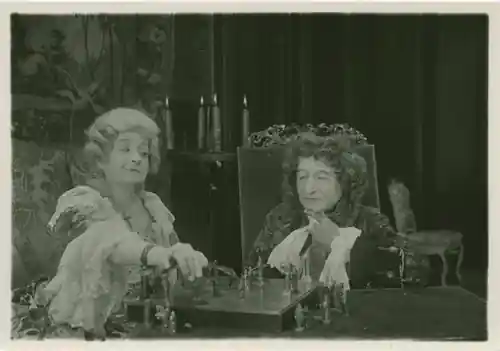
At the heart of the film is the script, drawn from the works of Esaias Tegnér and Rudolf Anthoni. Their writing is both poetic and powerful, capturing the spirit of the 18th century with remarkable accuracy. The dialogue is crisp and meaningful, with each word carefully chosen to enhance the narrative's emotional resonance. The script is not just a tool to move the plot forward but a vehicle to explore themes of loyalty, duty, and the complexities of leadership and governance.
The film's pacing is deliberate and effective. It builds tension gradually, allowing the audience to become deeply invested in Roos's quest. The climax, a particularly thrilling sequence, is a testament to the filmmakers' skill in crafting suspenseful and satisfying climaxes. The resolution, while satisfying, leaves a sense of melancholy, reflecting the harsh realities of war and diplomacy in the era depicted.
Carl XII:s kurir stands out in the context of Swedish cinema, particularly when compared to other historical dramas like Pace That Kills and Madame Du Barry. While these films offer their own unique perspectives and styles, Carl XII:s kurir excels in its blend of action, drama, and historical authenticity. It is a film that not only entertains but also educates, offering insights into a bygone era through the lens of a hero's journey.
The film's legacy is not just in its entertainment value but in its contribution to the preservation of historical narratives. It serves as a reminder of the importance of storytelling in understanding our past and the enduring relevance of characters driven by their convictions and duties.
In conclusion, Carl XII:s kurir is a monumental achievement in Swedish cinema, a film that combines historical accuracy with compelling storytelling. It is a must-watch for anyone interested in the intersection of history and drama, and a testament to the enduring power of well-crafted narratives.
IMDb 5
1920
Community
Log in to comment.