DbcultAccessing Vault...
Cult Review
Senior Film Conservator
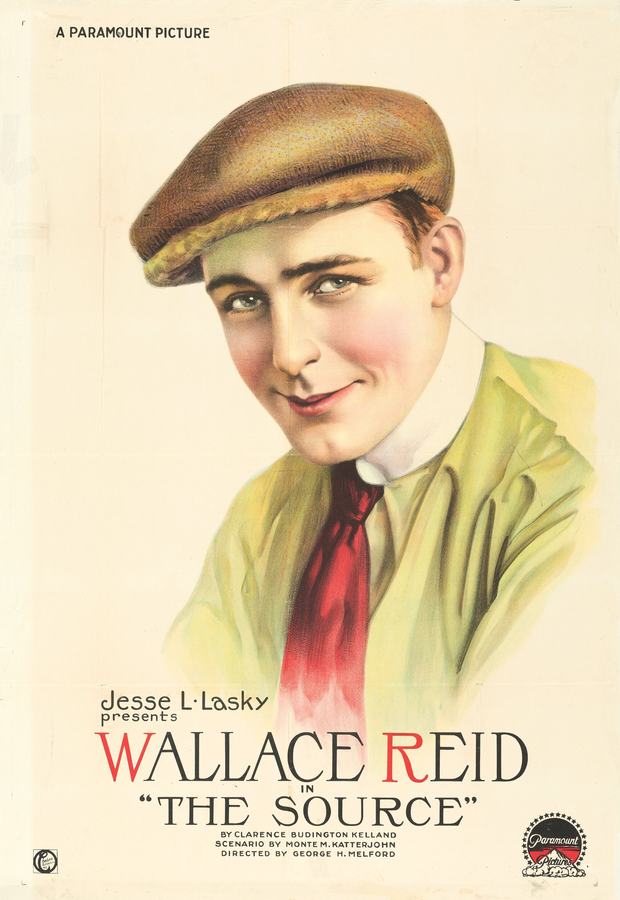
The Rugged Reformation of Van Tassel Beaumont
In the pantheon of silent cinema, few archetypes resonate with the raw, muscular energy of the 1918 George Melford production, The Source. Starring the indomitable Wallace Reid, the film serves as a fascinating cultural artifact, capturing a moment when American identity was being forged anew in the fires of the Great War. The narrative trajectory of Van Tassel Beaumont—a man who sheds the suffocating layers of high-society decadence to embrace the purifying toil of the lumber camp—is more than a mere plot point; it is a cinematic baptism. Unlike the lighter, more whimsical tone found in The Magnificent Meddler, The Source leans into a visceral physicality that demands respect for the working class while simultaneously vilifying the foreign 'other' in a way that was typical of the era's burgeoning propaganda machine.
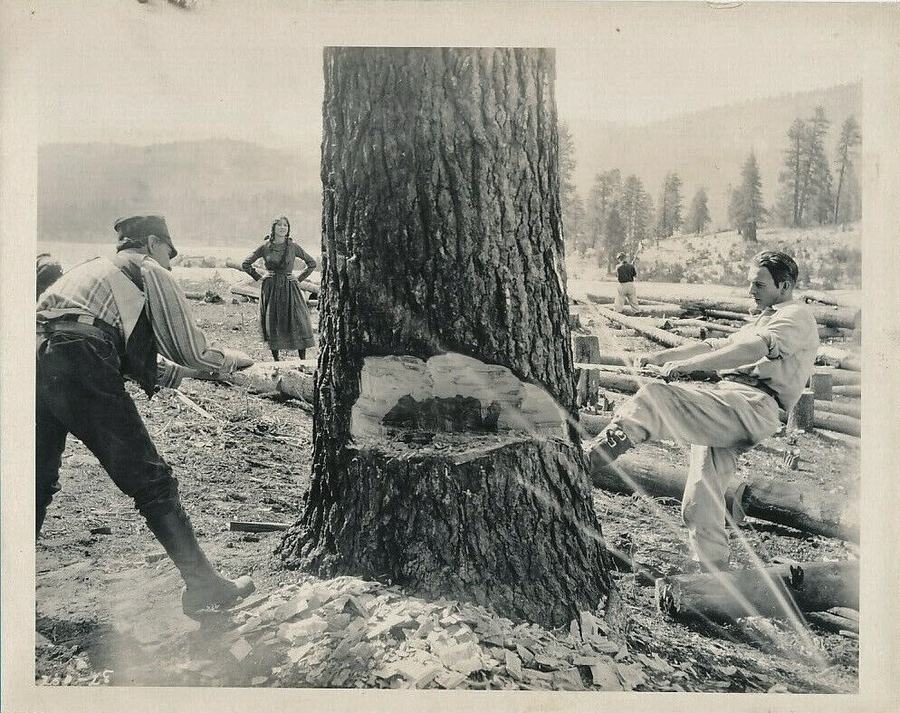
Reid, often celebrated for his 'all-American' good looks, provides a performance that transitions seamlessly from the soft-edged indolence of the urban elite to the hard-bitten resilience of the woodsman. This isn't just a costume change; it's a physiological shift. The way Reid carries himself changes as the film progresses, reflecting a character who has found his 'source' of strength in the very earth he helps harvest. This thematic preoccupation with the land as a source of moral clarity is a recurring motif in silent-era dramas, yet here it is sharpened by the looming threat of industrial sabotage.
The introduction of the German agents, led by the impeccably sinister Gustav von Seyffertitz, elevates the film from a simple 'riches-to-rags-to-redemption' story into a high-stakes thriller. The lumber camp, traditionally a site of isolation and frontier law, becomes a microcosm of the global battlefield. The intrigue is handled with a surprising degree of technical sophistication for 1918. Melford utilizes the sprawling natural vistas to create a sense of scale, making the stakes feel gargantuan. When Beaumont uncovers the plot to disrupt the timber supply—a resource vital to the war effort—the film shifts gears into a proto-action flick that rivals the intensity of The Argyle Case in its investigative rigor.
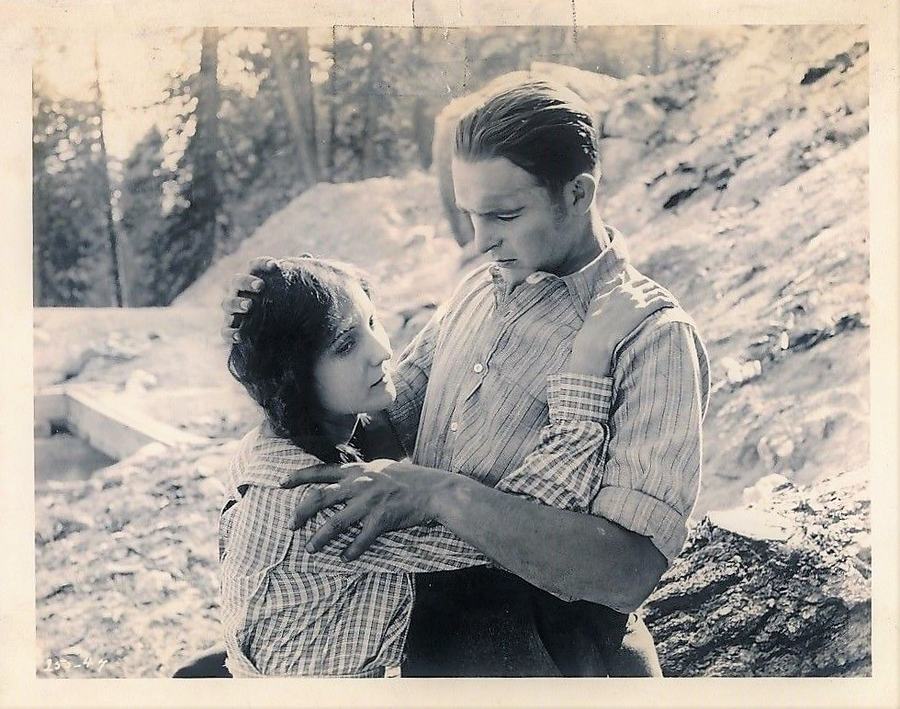
The pacing is relentless. Writers Clarence Budington Kelland and Monte M. Katterjohn construct a screenplay that avoids the languid sentimentality often found in contemporary works like The Return of Mary. Instead, they focus on the friction between the men in the camp. The rivalry between Beaumont and the various camp heavies—notably the legendary Noah Beery—provides a secondary layer of conflict that keeps the audience engaged between the larger beats of the espionage plot. Beery’s presence is, as always, a masterclass in silent-era villainy, possessing a physical gravity that makes him a formidable foil for Reid’s burgeoning heroism.
While Reid and Beery dominate the frame, the supporting cast provides the necessary texture to make the lumber camp feel lived-in. Ann Little, as the female lead, offers more than just a romantic interest; she represents the domestic stability that Beaumont is fighting to protect. Her performance is subtle, avoiding the over-the-top gesticulation that sometimes plagues silent performances. Similarly, the presence of character actors like Raymond Hatton and Charles Ogle adds a layer of authenticity to the ensemble. They are the 'common men' whose livelihoods are threatened by the invisible hand of foreign interference, making the stakes personal for the audience of the time.
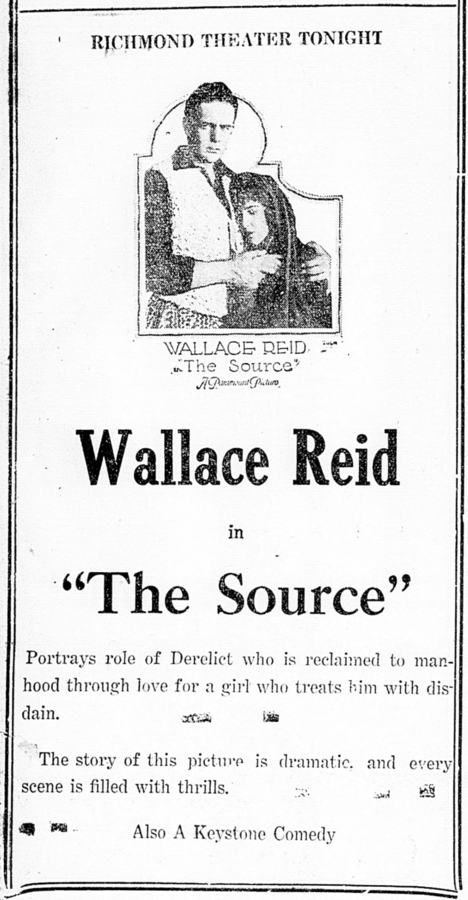
In comparing The Source to other films of its year, such as the more politically overt In Defense of a Nation, one finds that The Source is much more successful as a piece of entertainment. It doesn't lecture; it demonstrates. It shows the value of American industry through the sweat on the brow of its protagonist. It frames the German threat not just as a political abstraction, but as a direct assault on the American way of life—specifically the dignity of labor. This visceral connection is what likely made it a significant hit during its original run.
"The film operates on a frequency of pure, unadulterated cinematic adrenaline. It is a testament to the power of the silent image to convey complex themes of national identity and personal transformation without the need for a single spoken word."
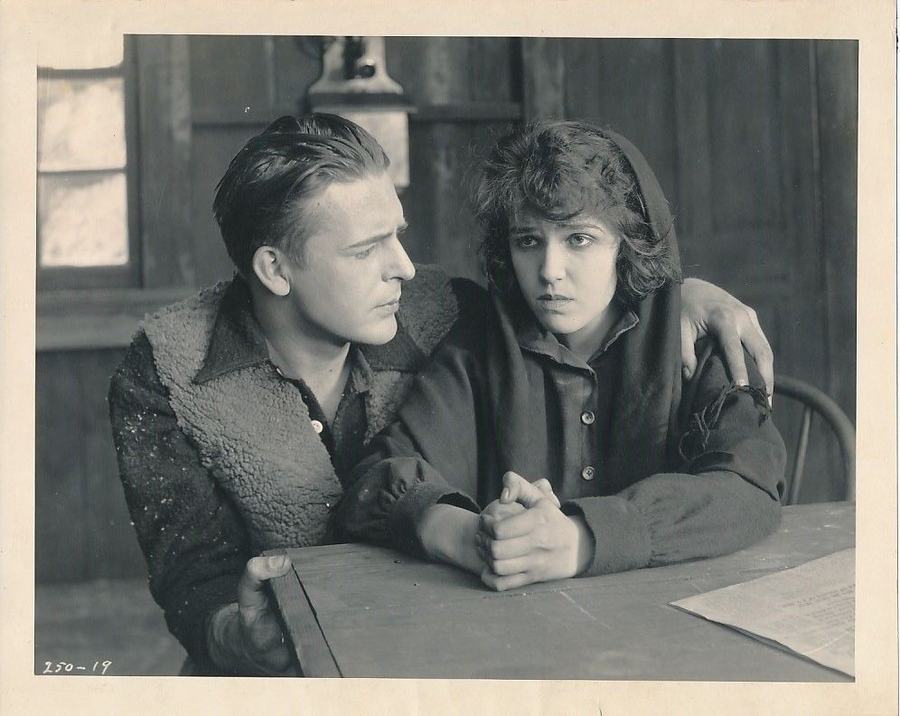
Visually, The Source is a triumph of location shooting. The cinematography captures the staggering beauty of the timberlands, using the natural light to create a sense of rugged grandeur. The contrast between the dark, dense woods and the open, sun-drenched clearings serves as a visual metaphor for Beaumont’s own journey from the darkness of his previous life into the clarity of his new purpose. This use of environment as a narrative tool is something we see explored in different contexts in films like A Naked Soul, but here it feels more grounded and essential to the plot.
The editing is also worth noting. The sequence where the sabotage is finally revealed is cut with a precision that builds genuine suspense. There is a rhythmic quality to the action that suggests Melford was well ahead of his time in understanding how to manipulate audience heart rates. Unlike the somewhat chaotic structure of Pufi - Hogyan lett ünnepelt hös egy jámbor pesti férjböl?, The Source maintains a tight narrative grip, never allowing the subplots to overshadow the central conflict.
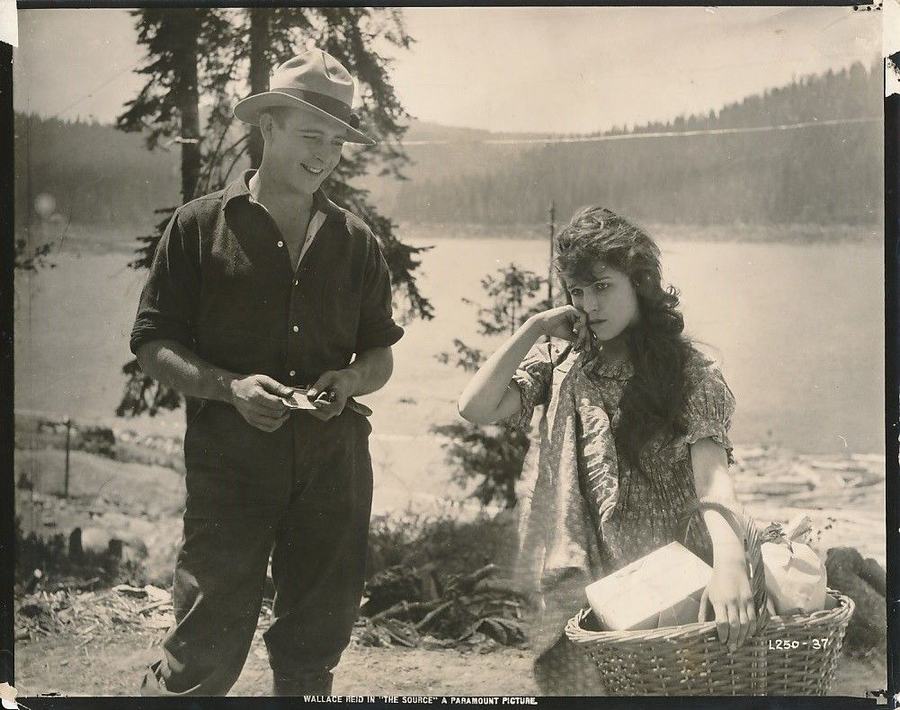
To watch The Source today is to engage with a ghost of American history. It was released as the world was reeling from the final throes of World War I, and its themes of vigilance and industrial integrity were incredibly timely. The film positions the lumberjack as a modern-day knight, and the forest as his kingdom. This romanticization of manual labor served a dual purpose: it encouraged the domestic workforce and vilified the enemy. While some might find the anti-German sentiment dated, it is handled with a narrative flair that makes it a fascinating study in wartime psychology. It shares some DNA with The Fall of the Romanoffs in its depiction of crumbling old worlds and the rise of new, more dangerous ideologies.
Furthermore, the film explores the concept of the 'Self-Made Man' in reverse. Beaumont doesn't start from nothing to gain everything; he starts with everything and realizes it's nothing. He must strip himself down to his core—his 'source'—to find what truly matters. This philosophical undercurrent gives the film a weight that elevates it above standard pulp fare. It’s a theme that resonates across cultures, seen in various forms from the Italian comedy Come Robinet sposò Robinette to the German drama Der Schloßherr von Hohenstein, yet The Source gives it a distinctly American, frontier-flavored twist.
As we look back at the career of Wallace Reid, The Source stands as a pivotal moment. It solidified his image as the hero who could handle himself in any situation, whether it was a high-speed car race or a brawl in a logging camp. His tragic end a few years later only adds a layer of poignancy to his performance here—a man at the height of his physical and charismatic powers, embodying the ideals of a generation. The film avoids the pitfalls of being a mere morality play, instead opting for a gritty realism that was quite progressive for its time. Even when compared to the intricate plotting of The Master Mind or the mystery of Fantomas: The Mysterious Finger Print, The Source holds its own by grounding its thrills in the very real soil of the American landscape.
Ultimately, The Source is a film about foundations. It asks what makes a man, and by extension, what makes a nation. Is it the wealth and social standing we inherit, or is it the work we do and the enemies we face? In the world of Van Tassel Beaumont, the answer is found in the ring of the axe and the vigilance of the citizen. It is a powerful, evocative piece of cinema that deserves its place in the history of the silent era, not just as a piece of propaganda, but as a well-crafted, emotionally resonant story of redemption. It reminds us that sometimes, to find who we are, we must first lose everything we thought we were.
Final Verdict: A rugged, high-octane silent drama that perfectly encapsulates the 1918 American spirit. Wallace Reid is at his absolute best, and the film's blend of industrial grit and international intrigue remains surprisingly effective over a century later.
IMDb —
1927
Community
Log in to comment.