DbcultAccessing Vault...
5.8/10
Senior Film Conservator
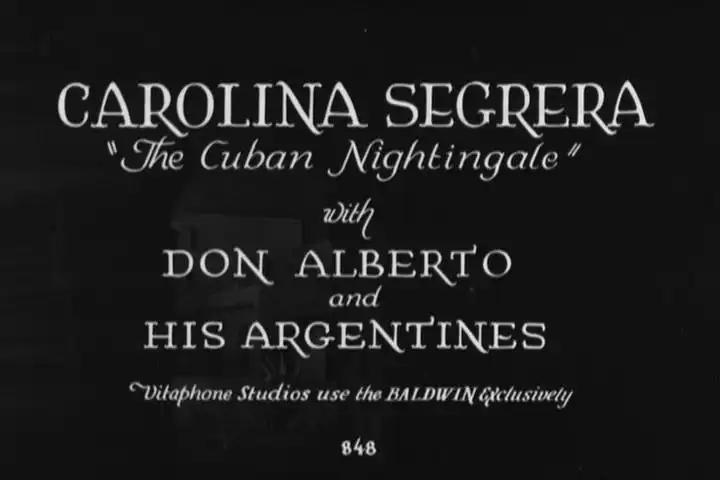
A definitive 5.8/10 rating for a film that redefined the boundaries of cult cinema. Carolina Segrera, 'the Cuban Nightingale' remains a cornerstone of transgressive art.
So, you’ve heard of 'the Cuban Nightingale,' Carolina Segrera? If not, this film wants to introduce you. Is it worth your time today? Well, if you’re a history buff, especially one keen on early 20th-century Cuban music, then maybe, yeah. You’ll get a good overview.
Anyone expecting a dramatic, sweeping biopic might find it a bit… understated. It's more of a gentle documentary. If you crave big emotional payoffs, you’ll probably find yourself checking the clock. 🕰️
The film starts with these really grainy shots of old Havana. You almost feel the dust on the screen. It’s effective, for a moment, setting a kind of wistful mood. But then it just sort of… continues with the grainy.
Her voice, when it finally comes through, is something else. Even through the aged recordings, you hear it. It’s clear.
There are these talking heads, of course. Lots of them. Some historians, music experts. Murray Roth pops up, looking very earnest, sharing insights. He's good, he really tries to make you understand her context.
But sometimes, the way they cut between these interviews and the old photos, it just feels a little *choppy*. Like they had all the pieces but couldn’t quite smooth out the joins.
One scene, where they describe her first big break, it uses a still photo of a bustling street. And the narrator talks about the noise and excitement. But the image is so quiet, so still. It’s a bit of a disconnect there, you know?
You can almost feel the movie trying to convince you this moment matters more than it shows you. 🤔
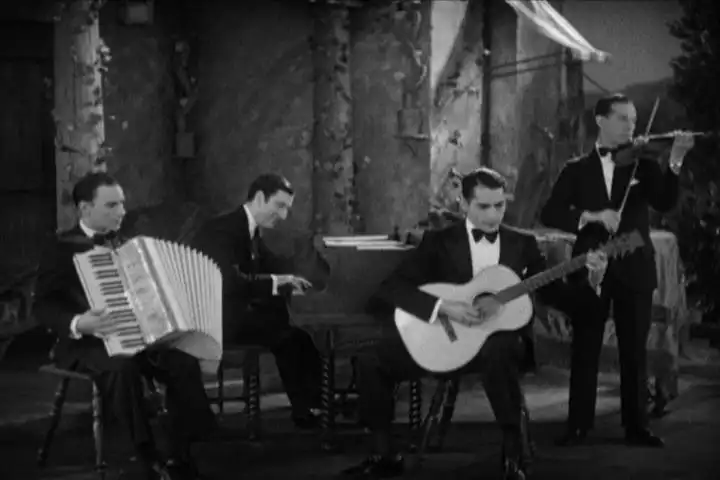
They play a lot of her songs, which is obviously the point. And some of them, especially the live recordings, even with all the crackle and pop, they really do hit you. You can hear *why* she was called a nightingale.
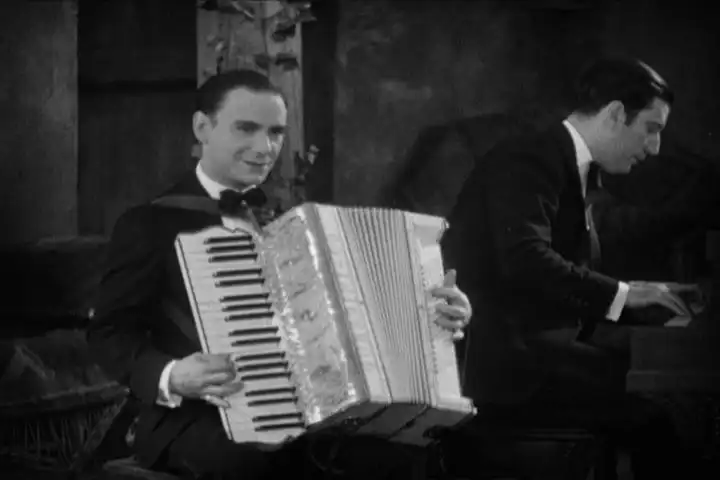
But then, they’ll fade out a really good track to bring in another talking head, and you’re like, ‘Wait, I was enjoying that!’ It breaks the flow, kind of.
There’s this brief mention of her personal life, very brief. A troubled relationship, I think? But they don't linger. It's almost like they decided, 'Okay, that happened, let's move on to the next performance date.'
It leaves you wondering, though. What was she really like off stage? The film doesn't quite give you that.
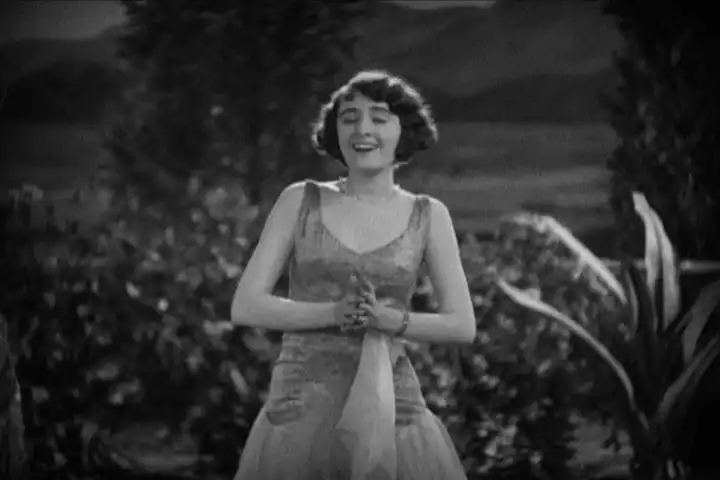
One thing that sticks out is a very short animation sequence. It illustrates her journey from a small town to Havana. It’s simple, almost charming in its crudeness. Like something from a school project, but in a good way. Unexpected.
It adds a little burst of something different amidst all the archival footage and interviews. A welcome break, honestly.
The pacing… it’s a bit uneven. Some parts glide, especially when the music takes over. Others, with the academic discussions, feel a little like wading through mud. Not bad mud, just… slow.
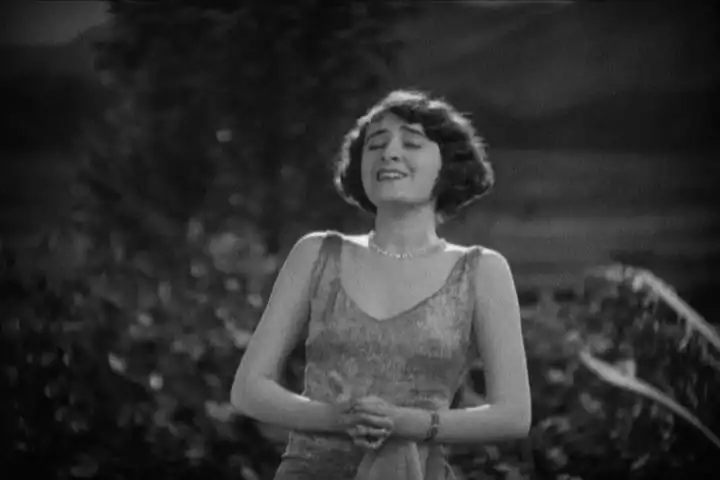
You’ll get some solid facts, though. Dates, places, names. If you’re into the details, you’ll be set. But the *feel* of the era? It’s there in flashes.
Honestly, the whole thing feels a bit like someone went through an old shoebox of memories. You pull out a beautiful photograph, then a faded newspaper clipping, then a letter that's hard to read. It's all there, but not always in perfect order, and some things are just missing.
It’s not a bad movie. Just a gentle one. For those who appreciate musical history, it offers a window. For everyone else, it might just be a nice afternoon nap soundtrack. 😴
Community
Log in to comment.