DbcultAccessing Vault...
5/10
Senior Film Conservator
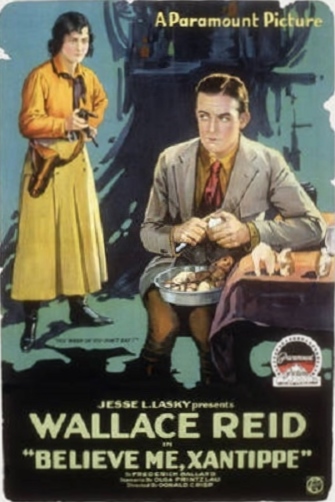
A definitive 5/10 rating for a film that redefined the boundaries of cult cinema. Believe Me, Xantippe remains a cornerstone of transgressive art.
From the moment the intertitles unfurl in James Cruze’s 1918 cinematic confection, Believe Me, Xantippe, we are plunged into a world where the very fabric of justice is treated as a gentleman’s sport, a high-stakes gamble among the privileged. This isn't merely a film; it's a social commentary, a comedic caper, and a testament to the adventurous spirit of early American cinema, all wrapped in a deceptively simple premise. At its heart lies George MacFarland, portrayed with effortless charm and a devil-may-care swagger by the inimitable Wallace Reid, a man so enamored with the thrill of the chase that he’d rather orchestrate his own downfall than succumb to the ennui of his inherited wealth. His wager, a princely sum of $20,000, isn't just about money; it's a declaration of independence from the mundane, a challenge hurled at the very concept of societal order. The audacity of his bet—to commit a felony, specifically check forgery, and then evade capture for an entire year—establishes a narrative engine that purrs with mischievous delight, setting the stage for a cross-country escapade that is as much a psychological game as it is a physical pursuit.
The film’s title itself, Believe Me, Xantippe, is an intriguing anachronism, a direct reference to Xanthippe, the notoriously ill-tempered wife of the philosopher Socrates. George MacFarland’s adoption of this phrase as his personal catchphrase, plastered across police circulars and uttered with a knowing wink, injects a layer of erudite whimsy into what could otherwise be a straightforward crime narrative. It suggests a philosophical undercurrent, a playful nod to the absurdity of human endeavor and the perennial battle between intellect and emotion, order and chaos. Is MacFarland comparing the law to a nagging spouse, or is he simply a man who appreciates a good historical reference, even as he flouts contemporary statutes? This unique identifier not only aids in his recognition but also serves as a recurring motif, a verbal breadcrumb trail that ironically leads authorities closer while simultaneously highlighting his brazen confidence. It’s a brilliant stroke of characterization by writers Olga Printzlau and John Frederick Ballard, providing a memorable hook that transcends the typical silent film trope.
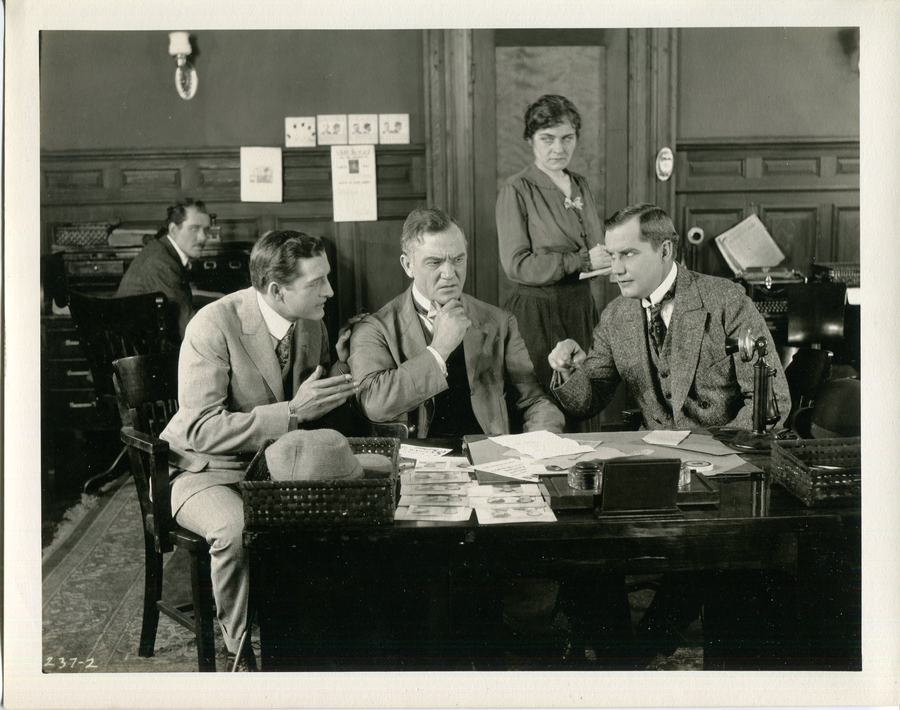
Wallace Reid, a veritable icon of the silent era, brings George MacFarland to life with a captivating blend of charisma and roguish charm. His performance is a masterclass in physical comedy and subtle emotional nuance, conveying George’s internal conflict between his desire for adventure and the very real consequences of his actions, albeit consequences he seems to relish. Reid’s ability to project intelligence and daring through his expressions and gestures is key to making MacFarland a sympathetic rogue rather than a mere criminal. We root for him not because we condone his actions, but because his spirit of rebellious exuberance is infectious. His interactions, particularly later with Ann Little’s Dolly, crackle with a palpable chemistry, laying the groundwork for a romantic entanglement that feels earned despite its unconventional origins. The casting of Reid was undoubtedly a major draw, capitalizing on his established persona as a dashing hero capable of both dramatic depth and lighthearted antics, a quality that served him well in diverse roles throughout his career.
Ann Little, as Dolly, Sheriff Kamman’s daughter, is far from a damsel in distress; she is a formidable presence, intelligent, observant, and possessing a strong moral compass. Her recognition of MacFarland, spurred by the ubiquitous “Believe me, Xantippe” circulars, isn't a contrivance but a testament to her sharp wits. Little imbues Dolly with a spirited independence that makes her a compelling foil to MacFarland’s charming lawlessness. Her attempt to arrest him, despite her lack of official authority, showcases her determination and sets up the film's climactic legalistic twist. The dynamic between Reid and Little is central to the film’s success, evolving from adversarial to affectionate with a natural progression that avoids cliché. One might draw a faint parallel to the resourceful heroines found in other adventure serials of the era, such as those in The Bull's Eye, where female characters often demonstrated surprising agency and courage, though Dolly's role here is more integral to the central comedic premise rather than simply being a sidekick or a victim.
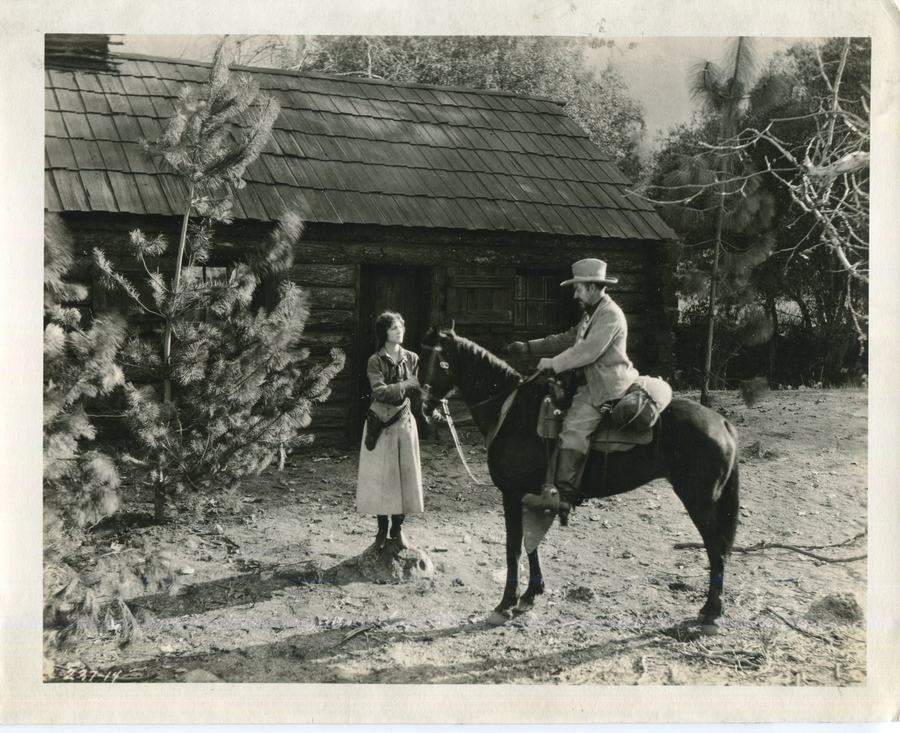
The narrative’s journey across the American West serves not just as a backdrop but as an active participant in MacFarland’s evasion. The vastness of the landscape, though perhaps not fully explored with modern cinematic scope in 1918, still conveys the sense of open possibility and challenging terrain. Director James Cruze, known for his ability to craft compelling narratives, orchestrates the chase sequences with a keen understanding of pacing and suspense. While it lacks the raw, gritty realism of later crime dramas, the film compensates with a clever, almost theatrical approach to the cat-and-mouse game. The proliferation of police circulars, a visual shorthand for the relentless pursuit, effectively communicates the pressure MacFarland is under without needing extensive chase scenes. This visual storytelling, typical of the silent era, demands that the audience actively engage with the narrative cues, piecing together the scope of the search through recurring imagery.
The supporting cast, while perhaps not given the extensive screen time of the leads, contributes significantly to the film's texture. James Cruze, who also directed, takes on a role himself, though the specific character isn't detailed in the provided synopsis. Ernest Joy and Winifred Greenwood, along with Charles Ogle and Clarence Geldert, fill out the ensemble, grounding the more fantastical elements of the plot in believable human interactions. Even Noah Beery, a formidable screen presence, likely adds a layer of gravitas or menace, depending on his role, even if it's a brief appearance. These actors, stalwarts of the era, understood the demands of silent performance, relying on exaggerated expressions and body language to convey emotion and intent without the aid of dialogue. Their collective effort solidifies the world in which MacFarland’s improbable bet plays out.
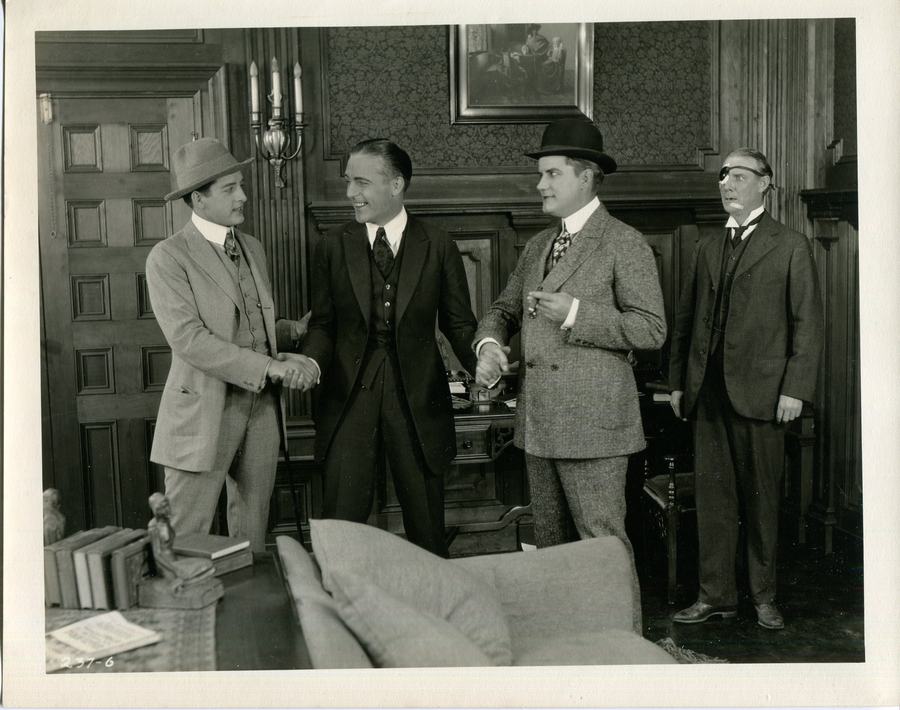
One of the most fascinating aspects of Believe Me, Xantippe is its exploration of the arbitrary nature of rules and the peculiar definitions of justice. The very specific terms of MacFarland’s bet – that he must be captured by a “genuine officer of the law” – become the fulcrum upon which the entire climax pivots. This legalistic loophole, so often a staple of comedic narratives, is deployed here with masterful precision, transforming what could have been a straightforward arrest into a moment of triumphant vindication for our protagonist. It’s a clever narrative device that highlights the film’s playful cynicism towards authority and its embrace of the unconventional. This kind of intricate plot mechanism, relying on specific conditions to drive the story, is a hallmark of well-crafted screenplays, distinguishing it from simpler chase narratives like perhaps The Man from Nowhere, which might focus more on brute force or simple evasion rather than a battle of wits within defined constraints.
The screenplay by Olga Printzlau and John Frederick Ballard is remarkably tight, efficiently setting up the premise, developing the characters, and executing the intricate plot points. Their ability to weave together elements of crime, adventure, and romance with a strong comedic sensibility is commendable. The dialogue, conveyed through intertitles, is sharp and purposeful, often laced with wit, particularly in the exchanges between George and Dolly. The pacing never drags, a crucial factor in maintaining audience engagement in a silent film. They understood the power of a memorable catchphrase and how to use it as both a plot device and a character identifier. This script isn't just a vehicle for Wallace Reid's star power; it's a cleverly constructed narrative that stands on its own merits, showcasing intelligent writing that transcends the limitations of the medium.
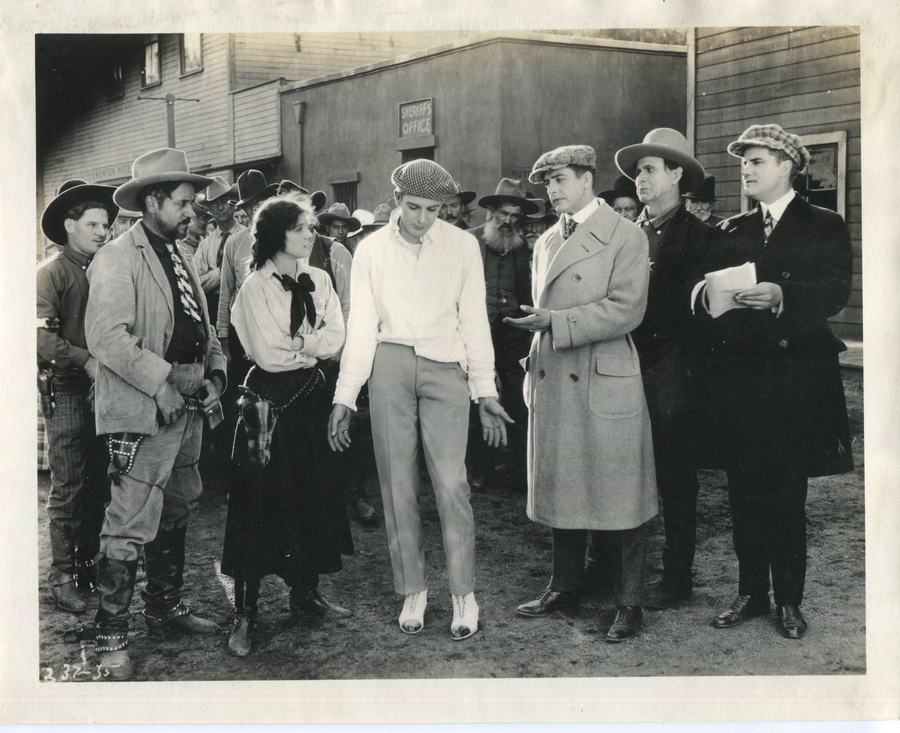
Looking at Believe Me, Xantippe in the broader context of 1918 cinema, it stands out for its unique blend of genres. While films like For King and Country might have focused on wartime drama, or The Fatal Wedding on domestic melodrama, Xantippe dares to be a lighthearted crime comedy, a genre that was still finding its footing. It reflects a certain post-war optimism, a desire for escapism and entertainment that didn't necessarily dwell on grim realities. The film’s light touch and emphasis on a clever, rather than violent, resolution would have appealed to audiences looking for a diversion. It’s a testament to the diversity of storytelling during the silent era, demonstrating that even without spoken dialogue, filmmakers could explore complex themes and deliver nuanced characterizations.
The film also touches upon themes of class and privilege, albeit subtly. George MacFarland’s ability to even conceive of such a bet, and to embark on a year-long evasion, speaks volumes about his social standing and financial resources. Forging a check, a serious crime, is presented almost as a lark, an elaborate game, rather than an act of desperation. This highlights the disparity between how justice might be perceived or applied to the wealthy versus the less fortunate. However, the film doesn't delve into this critically, choosing instead to focus on the comedic potential of MacFarland's escapade. It's a snapshot of a particular societal attitude, where a gentleman's word, even in a bet involving criminality, held a strange kind of weight. This contrasts sharply with films like Cocaine Traffic; or, the Drug Terror, which depicted the darker, more desperate side of crime and its severe consequences, devoid of any such playful undertones.
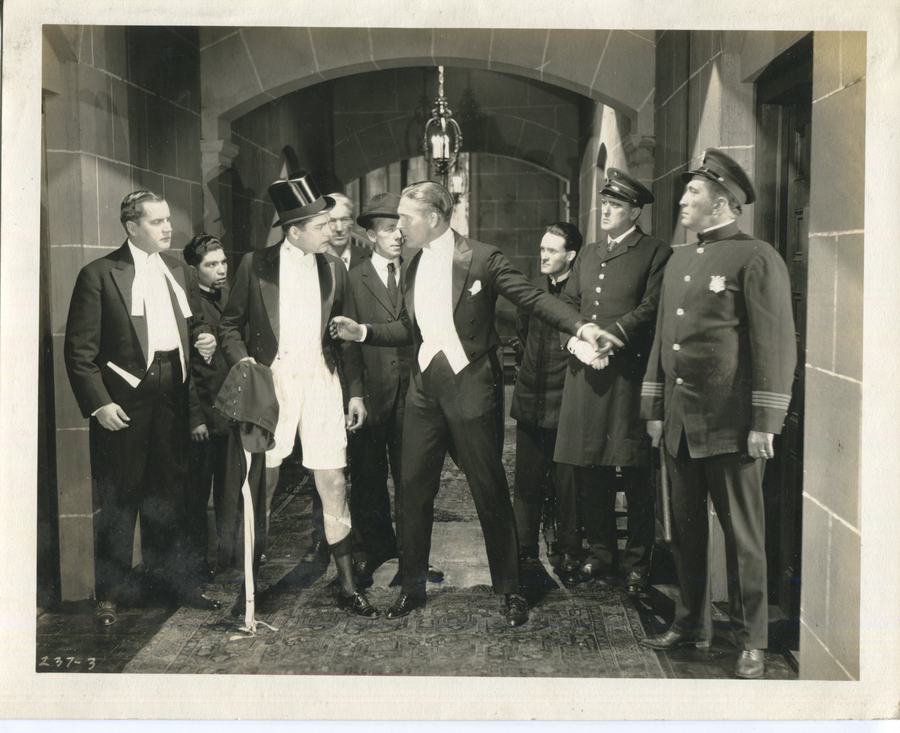
The climax, where the clock ticks down to midnight, is expertly handled, building genuine tension despite the comedic tone. The audience is fully invested in whether MacFarland will beat the deadline, and the specific wording of the bet ensures that Dolly’s valiant efforts, while admirable, ultimately do not lead to his capture by the letter of the law. The resolution, with George winning both his bet and the hand of Dolly, is a charmingly improbable Hollywood ending, perfectly in line with the film’s whimsical spirit. It suggests that sometimes, daring and wit can triumph over conventional rules, and that love can blossom in the most unexpected circumstances, even between a charming fugitive and the sheriff’s determined daughter. The final scene leaves a lingering sense of satisfaction, a feeling that justice, in its own peculiar way, has been served, and true love has prevailed.
In conclusion, Believe Me, Xantippe is more than just an artifact of silent cinema; it's a vibrant, intelligent, and thoroughly entertaining film that continues to resonate with its clever premise and engaging performances. Wallace Reid and Ann Little anchor the story with their undeniable chemistry, while James Cruze’s direction ensures a brisk pace and clear storytelling. The screenplay by Printzlau and Ballard is a standout, crafting a narrative that is both unique and timeless in its exploration of adventure, wit, and the peculiar definitions of legal triumph. It’s a cinematic gem that deserves wider recognition for its audacity and its enduring charm, a delightful reminder of the inventive storytelling that characterized the silent era. It reminds us that sometimes, the greatest adventures begin with the most unlikely of bets, and that a memorable catchphrase can take on a life of its own, echoing through the annals of film history.
IMDb 5.8
1934
Community
Log in to comment.