DbcultAccessing Vault...
Cult Review
Senior Film Conservator
Should you invest your time in this century-old comedic relic? Short answer: yes, but only if you have a refined palate for the chaotic, unpolished energy of silent-era slapstick and the specific facial gymnastics of James Finlayson.
This film is for the dedicated cinephile who finds beauty in the mechanical failures of the past and the comedy of absolute frustration. It is decidedly NOT for the modern viewer who requires high-definition pacing or a narrative that doesn’t rely on a chicken for its primary plot twist.
1) This film works because it perfectly captures the universal human experience of technology failing at the exact moment of triumph, a theme that feels more relevant in the age of crashing servers than it did in the age of melting wax.
2) This film fails because its middle act leans a bit too heavily on the repetitive nature of the 'interruption' gag, which can test the patience of a viewer not accustomed to the rhythmic loops of 1920s shorts.
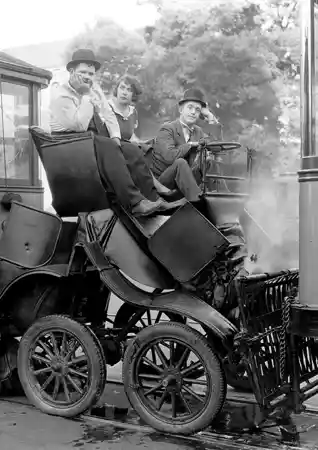
3) You should watch it if you are a fan of the Laurel and Hardy supporting cast, specifically James Finlayson, and want to see a masterclass in the 'slow burn' reaction shot.
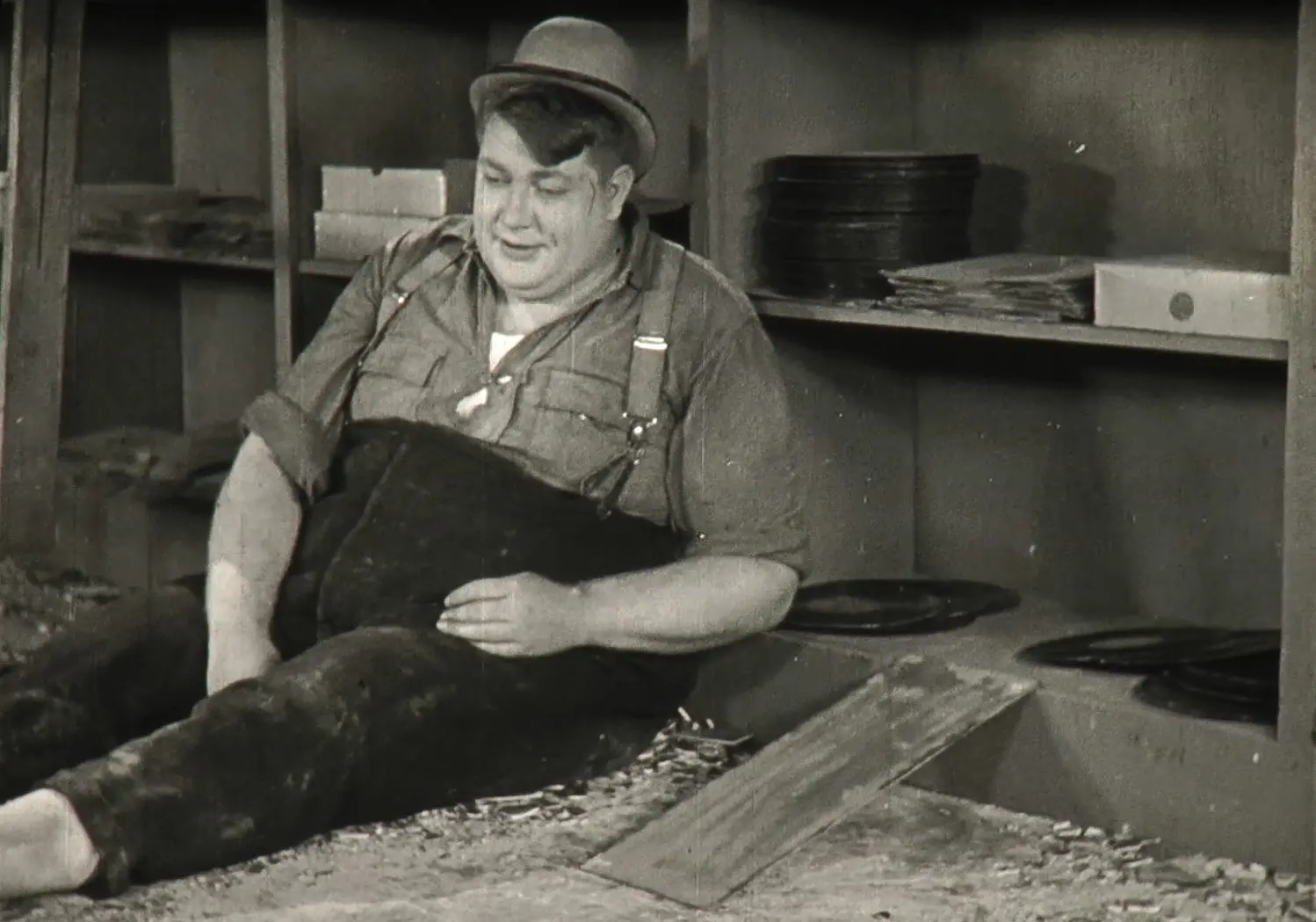
Yes, Change the Needle is a fascinating historical artifact that bridges the gap between stage-bound farce and the more kinetic energy of cinematic slapstick. While it lacks the grand scale of something like Rob Roy, it compensates with an intimate, almost claustrophobic sense of dread. The stakes are hilariously low, yet the characters treat the recording of a single song as a matter of life and death. This tension is where the film finds its heart. If you enjoy seeing the 'best-laid plans' of men go awry due to a literal farm animal, this is a must-watch.
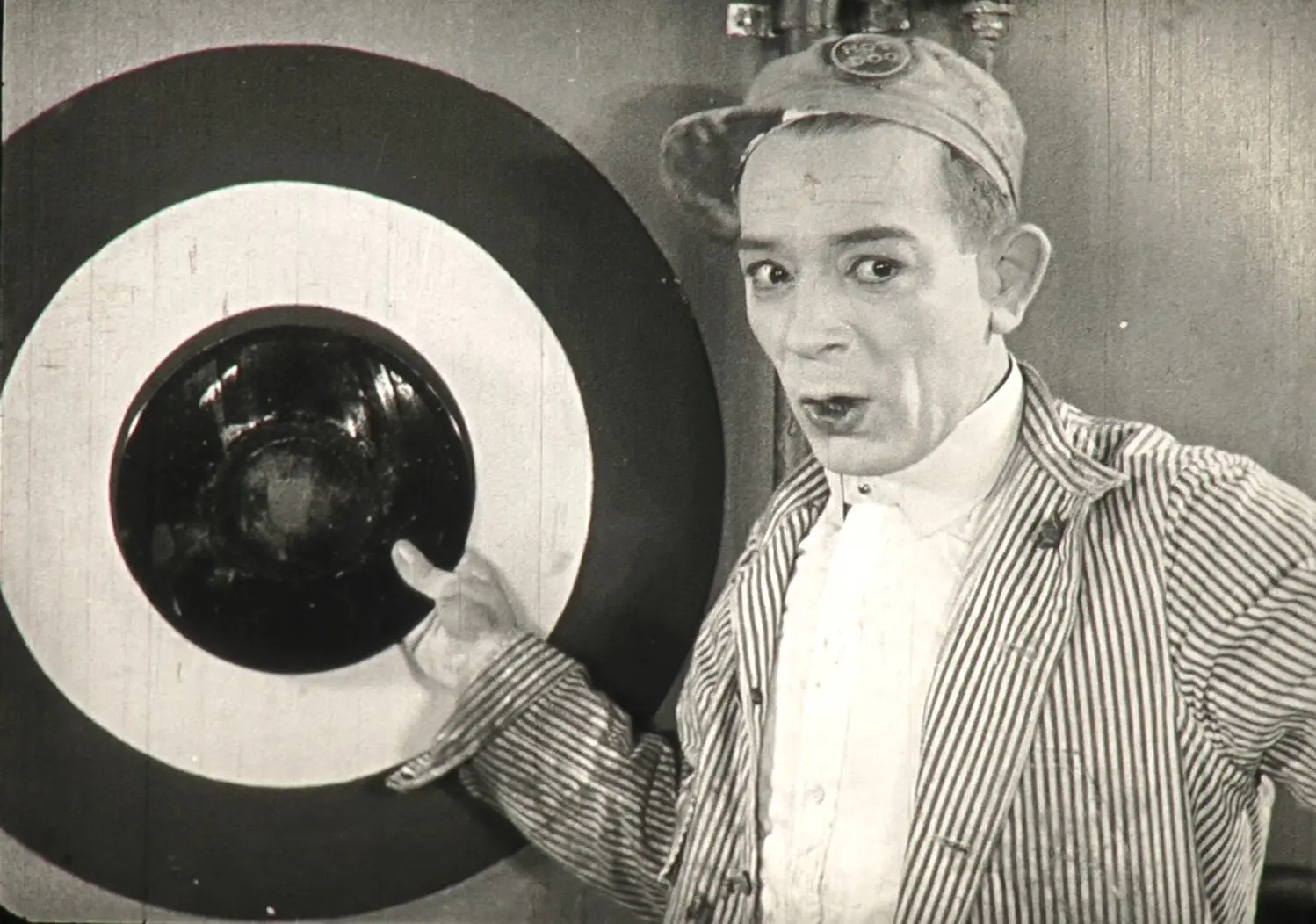
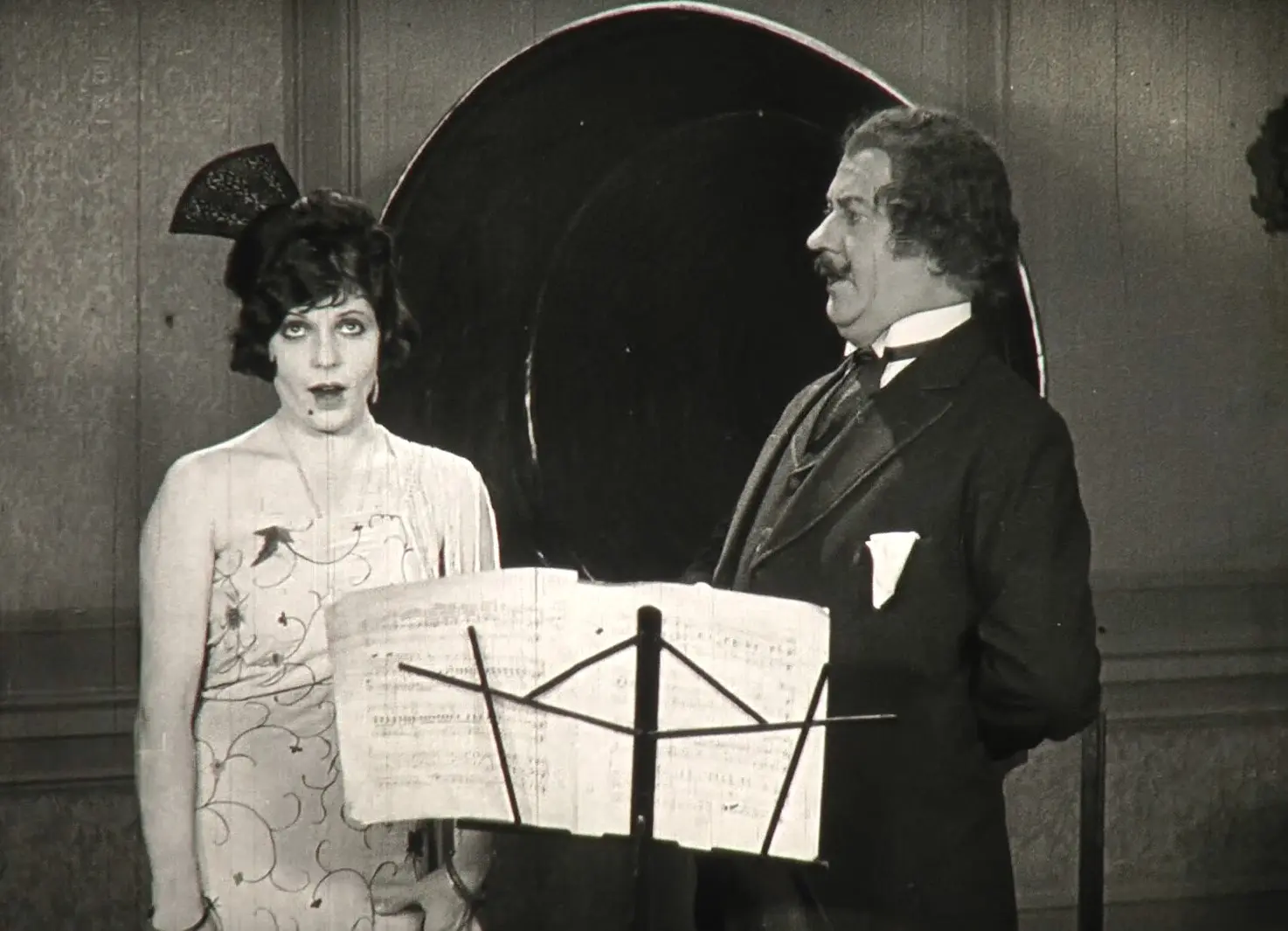
At its core, Change the Needle is a satire of the performing arts. The opera singer and her husband are portrayed not as paragons of culture, but as children in expensive clothing. Their inability to maintain a duet without descending into a shouting match is a sharp critique of the 'diva' culture that permeated the early recording industry.
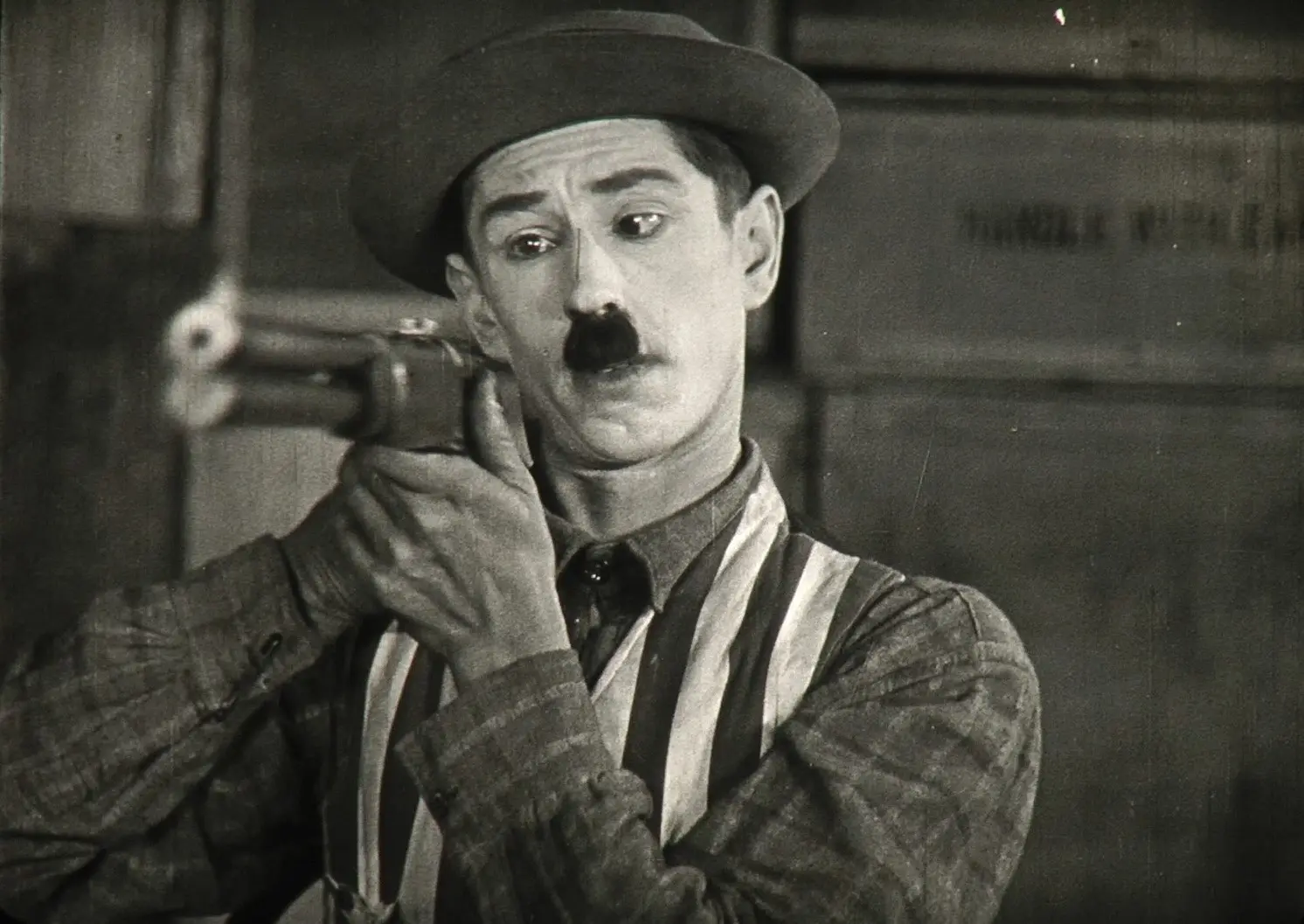
Arthur Stone plays the husband with a wonderful sense of weary pomposity. There is a specific moment early in the film where he adjusts his cravat with such unearned confidence that you immediately want to see him fail. It is a testament to the character work of the era that we can despise a character within thirty seconds of meeting them. Compare this to the more earnest characterizations in Back to the Woods, and you see a much more cynical edge here.
James Finlayson is the undisputed MVP of this short. Known for his iconic 'D'oh!' (which inspired Dan Castellaneta’s Homer Simpson), Finlayson’s performance here as the phonograph official is a masterclass in escalating blood pressure. His eyes don't just squint; they seem to retreat into his skull in a desperate attempt to escape the reality of the situation.
In the scene where the dog first interrupts the recording, watch Finlayson’s hands. They don’t just shake; they perform a frantic ballet of anxiety. He isn't just a man trying to do a job; he is a man watching his entire professional reputation melt away. This level of physical commitment is something we rarely see in modern comedy, which often relies more on witty dialogue than the sheer exhaustion of the human body.
The film does an excellent job of highlighting the sheer fragility of early recording technology. We forget that in the 1920s, you couldn't just 'fix it in post.' A single bark from a stray dog meant starting the entire process over. This creates a natural ticking-clock element that drives the pacing. Every time the needle touches the wax, the audience feels a genuine sense of peril.
The cinematography is static, which was common for the time, but the director uses the frame effectively. By keeping the camera fixed, the intrusions of the animals feel more invasive. When the chicken enters from stage left, it feels like a violation of the sacred space of the studio. It’s a simple trick, but it works better than the more ambitious but scattered camerawork seen in The Lure of New York.
The ending of Change the Needle is surprisingly nihilistic. After the couple finally completes the record, Stone’s character holds the wax cylinder while distracted by a girl. The record melts. It’s a brutal punchline. The film suggests that all art, no matter how hard-won, is ultimately subject to the heat of human distraction and physical decay.
It works. But it’s flawed. The transition to the romantic subplot in the final minutes feels rushed, almost as if the writers realized they needed a way to destroy the record and chose the easiest path possible. However, the image of the melting record is haunting in its own way. It reminds me of the thematic weight in Stolen Honor, where the loss of an object signifies the loss of a person’s dignity.
Pros:
- Exceptional physical comedy from the lead trio.
- A unique look at the stresses of early technology.
- The animal actors have surprisingly good comedic timing.
Cons:
- The plot is paper-thin and relies on a single joke structure.
- Some of the domestic bickering feels dated by modern standards.
When placed alongside other films of the period like A Fool and His Money, Change the Needle stands out for its focus on a specific industry. While many comedies of the time were broad social satires, this feels like an 'insider' look at the recording world. It has more in common with the workplace frustration of The Square Deceiver than the romantic melodrama of The Woman He Married.
"The film serves as a reminder that before we had digital glitches, we had chickens. And chickens are much funnier."
Change the Needle is not a masterpiece of narrative depth, but it is a masterclass in the comedy of errors. It takes a simple premise—recording a song—and layers it with enough obstacles to make a Greek tragedy look like a walk in the park. The performances are loud, the ending is tragic, and the journey is filled with enough squinting to make your own eyes sore. It’s a raw, funny, and slightly cynical look at the birth of the music industry. If you can get past the repetitive middle, the payoff of the melting record is well worth the wait. It is a solid 7/10 for any fan of the era.
IMDb 5.7
1931
Community
Log in to comment.