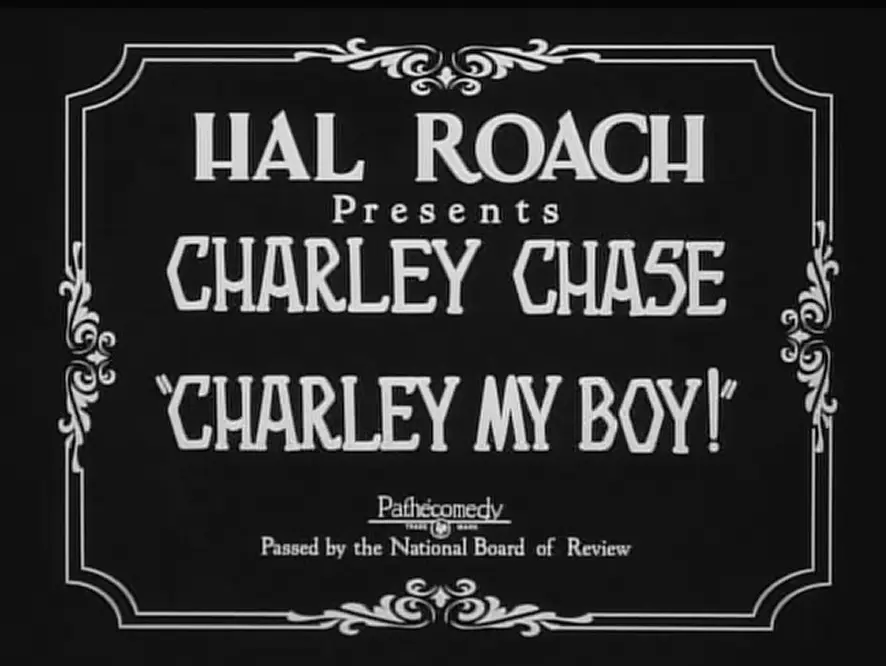
A definitive 6.4/10 rating for a film that redefined the boundaries of cult cinema. Charley My Boy! remains a cornerstone of transgressive art.
Is 'Charley My Boy!' Worth Watching Today?
Is 'Charley My Boy!' a silent film worth your precious time in the modern era? The short answer is yes, but with significant caveats that demand a specific taste. This 1926 comedy, starring the often-underappreciated Charley Chase, offers a delightful, if dated, glimpse into the rapid-fire physical humor and social anxieties of its time.
It's a film for those who appreciate the foundational artistry of silent slapstick, for historians of cinema, and for fans eager to explore the full breadth of comedic talent from the 1920s. However, it is decidedly not for viewers accustomed to contemporary pacing, intricate narrative depth, or dialogue-driven humor. If you struggle with the conventions of silent cinema, this might prove a challenging, rather than rewarding, experience.
The Direct Answer Block
Let’s cut straight to it.
This film works because of Charley Chase's masterful physical comedy and the surprisingly relevant social commentary embedded within its slapstick. His subtle expressions and agile movements elevate simple gags into moments of genuine humor, preventing the film from feeling entirely like a relic.
Scene from Charley My Boy!
Cinematic perspective: Exploring the visual vocabulary of Charley My Boy! (1926) through its definitive frames.
This film fails because its plot, while functional for comedy, is ultimately quite thin, and the pacing can feel sluggish in parts, especially for modern audiences. Some of the gags, while historically significant, simply don't land with the same universal punch they once did.
You should watch it if you are a devotee of silent film, a student of early cinematic comedy, or someone curious about the unique comedic stylings of Charley Chase. It’s an essential piece for understanding the landscape of 1920s humor, offering more than just laughs – it offers context.
A Spiraling Farce: Plot and Pacing
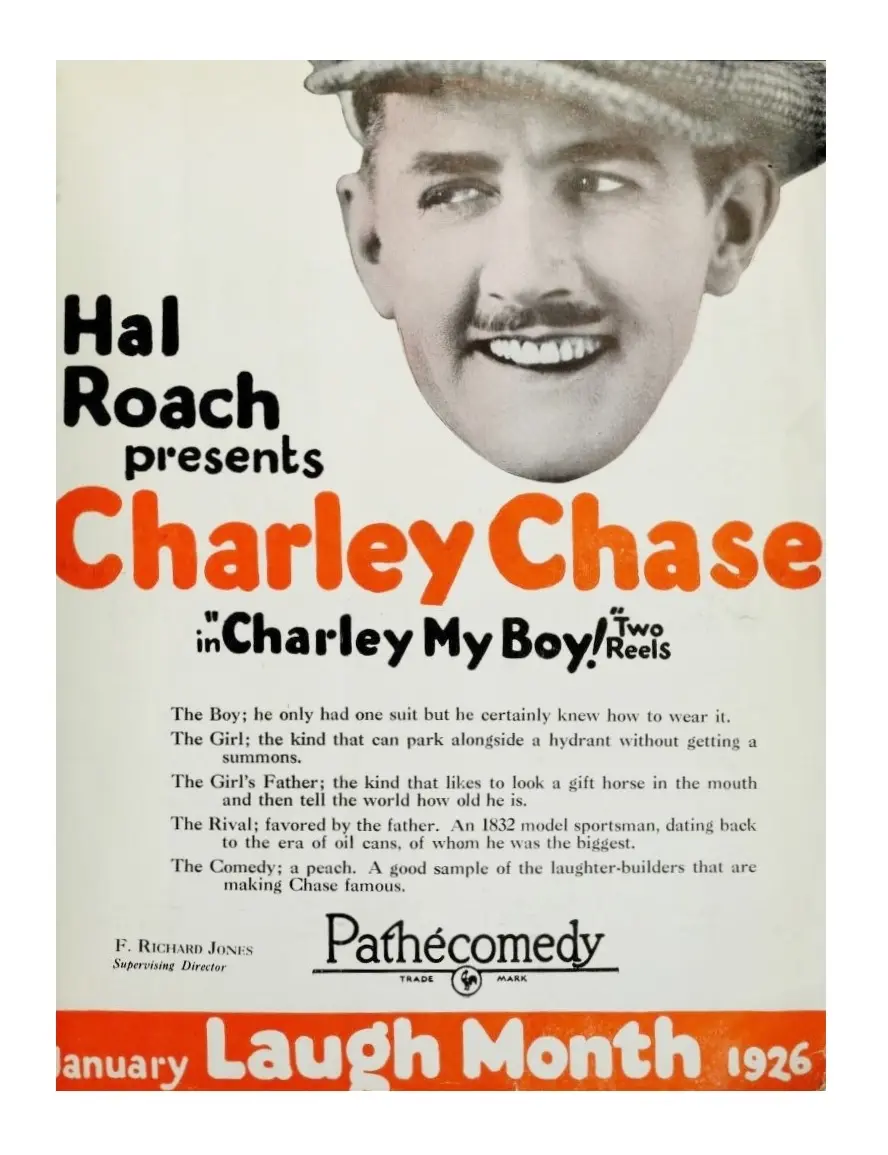
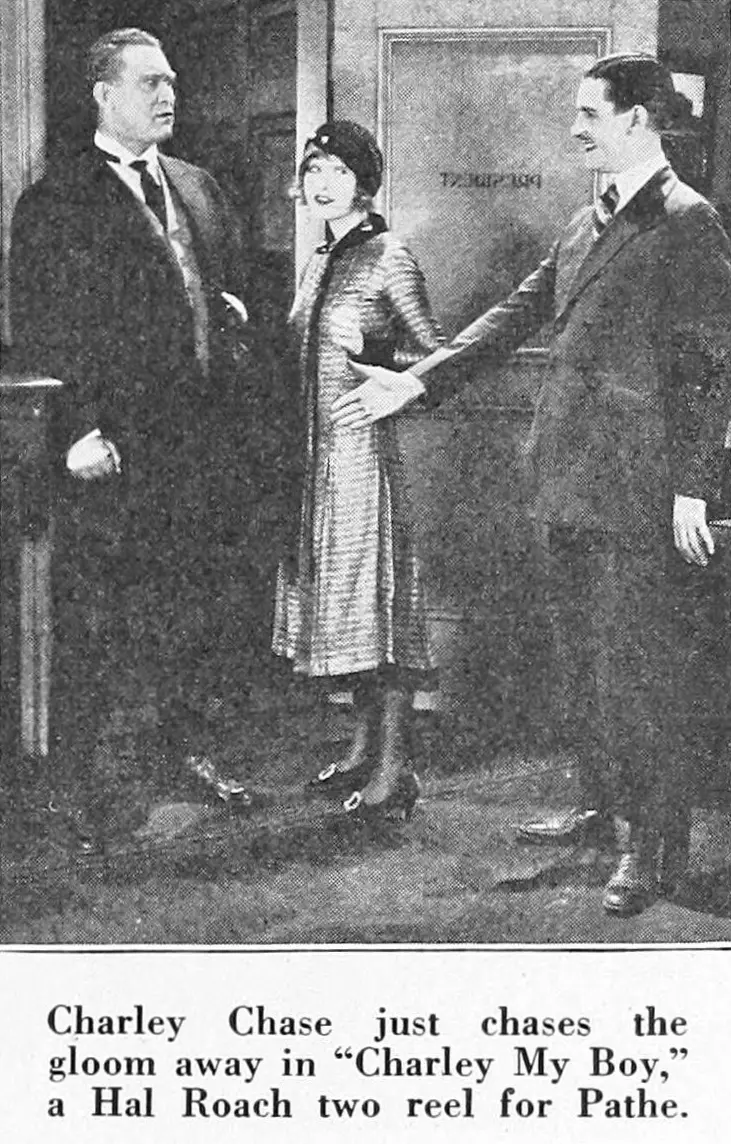
'Charley My Boy!' plunges us into a world where paternal authority clashes with nascent romantic ideals, all under the shadow of Prohibition. The setup is classic silent comedy: a wealthy, hard-nosed businessman (Walter James) insists his daughter (Clara Guiol) marry for money, not love. Enter Charley, played by the inimitable Charley Chase, a young man seeking a job, who is promptly mistaken for the decrepit but rich prospective groom. This initial misidentification is the film’s comedic engine, a tried-and-true trope that Chase exploits with finesse.
The plot, co-written by the legendary Stan Laurel, leans heavily into situational irony and escalating misunderstandings. When both the real, elderly suitor (William Courtright) and Charley arrive at the businessman's opulent home, the stage is set for a domestic explosion. The genius here isn't in the originality of the premise, but in its execution. The film’s pacing, while occasionally deliberate by today’s standards, builds a palpable sense of impending chaos, culminating in the frantic scramble to hide alcohol from prohibition officers.
Scene from Charley My Boy!
Cinematic perspective: Exploring the visual vocabulary of Charley My Boy! (1926) through its definitive frames.
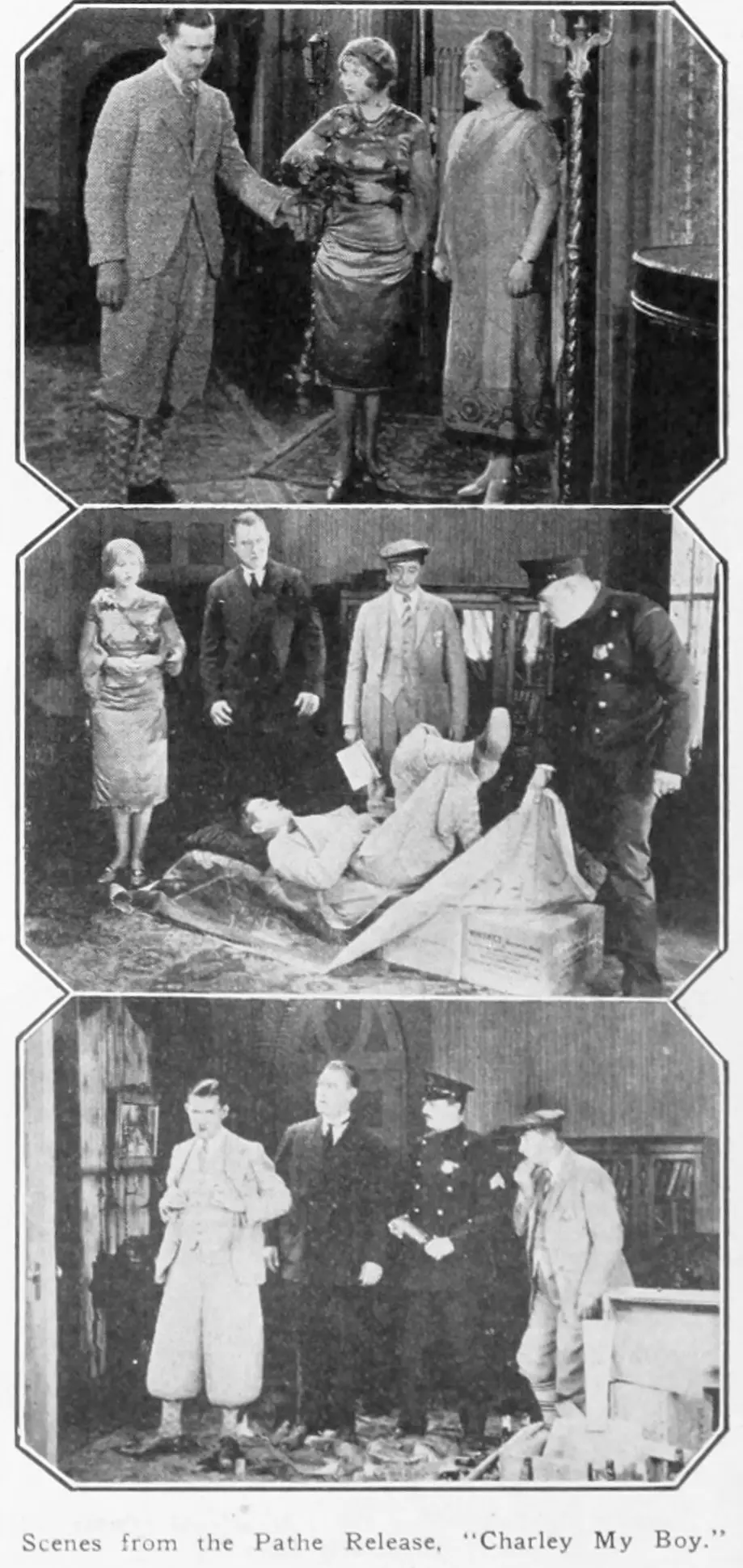
This particular sequence, where bottles are spirited away under carpets, behind curtains, and into unwitting hands, is where the film truly shines. It’s a masterclass in visual storytelling, demonstrating how tension and humor can be extracted from a simple, relatable predicament. The threat of legal repercussions, even for the seemingly innocuous act of possessing liquor, was a very real, very potent source of anxiety and comedy in 1926.
However, the journey to this climax can feel a little drawn out. There are moments in the office, particularly during the initial confusion, where the gags don't quite land with the punchiness one expects from the era's best. Compared to the relentless pace of a Buster Keaton or the emotional depth of Charlie Chaplin, Chase's work here can feel slightly less kinetic. Yet, this slower burn allows for greater character development, albeit subtle, in Chase's portrayal of the bewildered everyman.
Charley Chase's Enduring Charm: Performances
Charley Chase, as the titular 'boy,' is the undisputed anchor of this film. His comedic style, often described as a blend of subtle embarrassment and frantic desperation, is on full display. Unlike the acrobatic feats of Keaton or the sentimental pantomime of Chaplin, Chase excelled in portraying the ordinary man caught in extraordinary, humiliating circumstances. His reactions are gold: the slight widening of the eyes, the nervous gulp, the almost imperceptible shrug that screams 'how did I get here?'
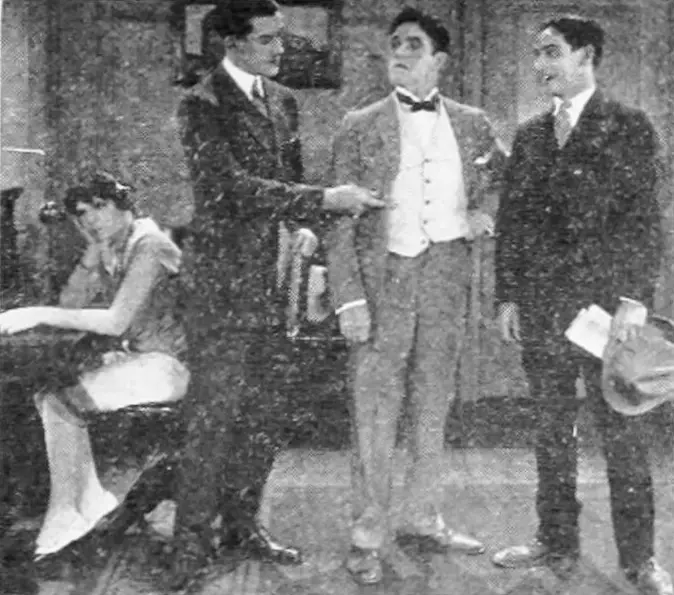
Consider the scene where he first realizes he's been mistaken for the prospective groom. Instead of overt panic, Chase conveys a simmering discomfort, a polite attempt to correct the error that is continuously steamrolled by the businessman's forceful personality. This understated approach makes his eventual, full-blown panic during the liquor raid all the more effective. It's a gradual descent into chaos, beautifully articulated through his restrained performance.
Scene from Charley My Boy!
Cinematic perspective: Exploring the visual vocabulary of Charley My Boy! (1926) through its definitive frames.
The supporting cast, while largely archetypal, plays their parts with solid conviction. Walter James as the stern father is suitably imposing, providing the perfect foil for Chase's meekness. Clara Guiol, as the daughter, embodies the innocent romantic lead, her expressions clearly conveying her dismay at her father's matrimonial schemes. While none deliver performances that rise to the iconic level of Chase, they are crucial cogs in the comedic machine, reacting believably to the escalating absurdity around them.
Fred Kelsey, a familiar face in silent comedies, provides reliable character work as one of the prohibition officers, his stern demeanor adding to the comedic pressure. The ensemble works together to create a believable, if exaggerated, world for Chase’s antics to unfold within. It’s a testament to the direction that even the minor roles contribute meaningfully to the overall comedic rhythm.
Behind the Lens: Direction and Cinematography
The direction, likely overseen by Chase himself, exhibits a clear understanding of comedic timing and visual storytelling. The camera work, while not as revolutionary as some of its contemporaries like The Last Laugh, is functional and effective. It prioritizes clarity in framing the gags, ensuring that every frantic dash and every bewildered expression is perfectly visible. There are no overly elaborate camera movements, but rather a focus on allowing the actors and the situation to generate the humor.
One particular strength lies in the use of depth within the frame, especially during the climactic liquor hiding sequence. We see multiple characters in various stages of confusion and concealment, creating a layered visual gag that keeps the eye moving. The quick cuts between Chase's increasingly desperate efforts and the approaching officers heighten the tension, a classic editing technique still effective today.
Scene from Charley My Boy!
Cinematic perspective: Exploring the visual vocabulary of Charley My Boy! (1926) through its definitive frames.
The set design, particularly the businessman's office and home, is period-appropriate and contributes to the film's atmosphere. The office, with its imposing desk and formal trappings, immediately establishes the power dynamic. The home, with its many nooks and crannies, becomes a playground for the prohibition-fueled hide-and-seek. The practical effects, such as the various ways bottles are hidden and retrieved, are executed with precision, avoiding any jarring breaks in the comedic illusion.
While 'Charley My Boy!' might not boast the groundbreaking cinematography of a F.W. Murnau or the intricate gag construction of a Keaton, it demonstrates a solid, professional approach to silent comedy filmmaking. It knows what it needs to do to get a laugh and executes it with confidence. The film serves as a strong example of the workhorse comedies that formed the backbone of the silent era, providing consistent entertainment without necessarily pushing artistic boundaries.
A Roaring Twenties Reflection: Themes and Tone
Beyond the surface-level slapstick, 'Charley My Boy!' offers a surprisingly insightful, if lighthearted, commentary on the social norms of the 1920s. The central conflict of arranged marriage versus love, while a timeless trope, was particularly resonant in an era grappling with changing societal expectations for women. The daughter's quiet defiance, though not overtly rebellious, speaks volumes about the shifting power dynamics within families.
But it's the Prohibition element that truly grounds the film in its historical context. The frantic hiding of liquor isn't just a physical gag; it’s a direct response to a deeply unpopular and widely flouted law. The film implicitly critiques the absurdity of the Volstead Act by portraying the lengths to which ordinary people (or in this case, a bewildered innocent) would go to avoid its consequences. It captures the spirit of an era where defiance was often wrapped in humor.
The tone of the film is consistently light and farcical. Even with the underlying themes of forced marriage and legal transgression, there's never a moment of genuine threat or despair. This distinguishes Chase's work from the more dramatic undertones occasionally found in Chaplin's films. 'Charley My Boy!' is pure escapism, designed to elicit laughter through escalating silliness. It works. But it’s flawed. The humor is rarely mean-spirited, relying instead on the inherent awkwardness of social blunders and the simple pleasure of watching someone try desperately to maintain composure amidst chaos.
I'd argue that the film's greatest strength lies in its ability to take serious societal issues – the control of women, the infringement of personal liberties – and transform them into fodder for good-natured comedy. It's a testament to the power of silent film to communicate complex ideas through visual shorthand and character reaction. This makes it more than just a collection of gags; it's a cultural artifact.
Key Takeaways
Best for: Enthusiasts of silent comedy, especially fans of Charley Chase's nuanced physical humor, and those interested in the social commentary of the Prohibition era.
Not for: Viewers seeking fast-paced modern comedy, deep character studies, or intricate plotlines. It requires patience and an appreciation for historical filmmaking conventions.
Standout element: Charley Chase's performance, particularly his subtle reactions to escalating absurdity and his frantic, yet graceful, efforts to hide the liquor.
Biggest flaw: The pacing can feel slow in the first half, and some of the initial gags don't possess the timeless universality of the film's climax.
Pros and Cons
Pros:
Charley Chase's Performance: A masterclass in understated comedic acting, his subtle expressions and physical precision are a joy to watch.
Prohibition Era Commentary: The film cleverly uses the liquor-hiding sequence to satirize a contentious historical period, adding depth beyond simple slapstick.
Escalating Chaos: The final act, with its frantic scramble to hide alcohol from the police, is expertly choreographed and genuinely funny.
Historical Value: Offers a valuable glimpse into 1920s filmmaking, humor, and societal anxieties, co-written by Stan Laurel.
Visual Storytelling: Despite its age, the film effectively communicates its narrative and gags through purely visual means, a testament to silent film artistry.
Cons:
Pacing Issues: The film can feel slow, particularly in its initial setup, which might test the patience of modern audiences.
Dated Gags: While historically interesting, some of the humor, especially early on, doesn't translate as effectively across decades.
Thin Plot: The narrative serves primarily as a vehicle for gags, lacking the intricate developments or character arcs found in more ambitious films.
Limited Replayability: For casual viewers, it might be more of a one-time watch for its historical and comedic significance rather than a frequent revisit.
Accessibility: Requires a certain level of familiarity and appreciation for silent film conventions to be fully enjoyed, making it less accessible to a broad audience.
Verdict
‘Charley My Boy!’ is more than just a historical curiosity; it’s a vibrant, if sometimes uneven, example of silent comedy at its best, anchored by the magnetic presence of Charley Chase. While its pacing might occasionally meander and some gags may have lost their universal punch, the film’s climax is a masterclass in physical comedy and situational farce. It offers genuine laughs alongside a fascinating window into the social fabric of the Roaring Twenties.
For those willing to engage with the conventions of silent cinema, this film provides a rich, rewarding experience. It’s a testament to Chase’s unique comedic voice and the enduring power of visual humor. You won't find the emotional gravitas of a Chaplin or the elaborate stunts of a Keaton, but what you will find is a finely tuned comedic performance that deserves its place in the pantheon of silent film greats. It's a solid 7/10, primarily for its historical significance and Chase’s undeniable talent.