DbcultAccessing Vault...
Cult Review
Senior Film Conservator
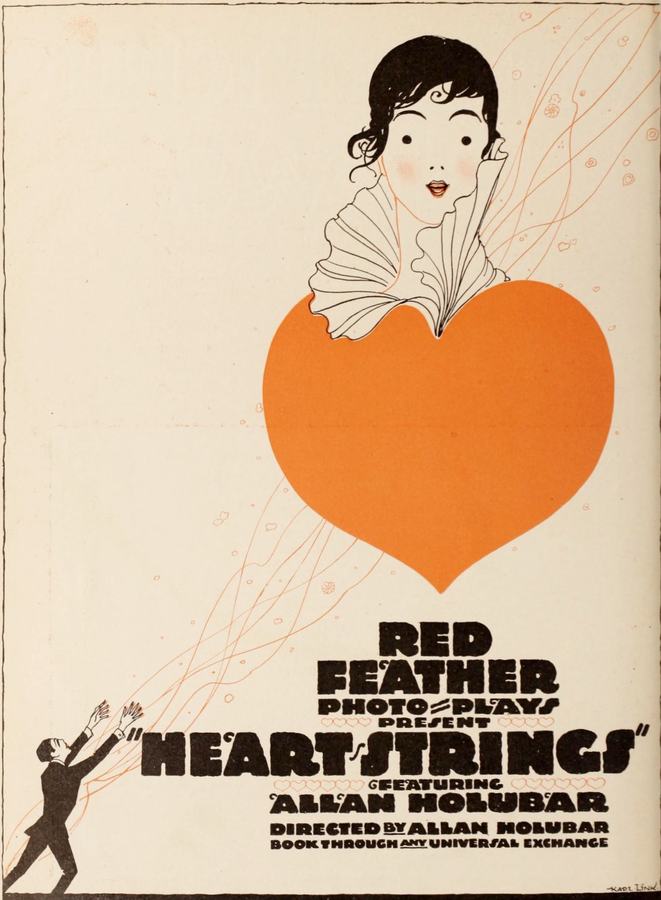
In the annals of cinematic history, certain narratives possess an enduring resonance, their emotional core transcending the ephemeral trends of their time. 'Heart Strings,' a silent era gem, unequivocally belongs to this distinguished category. Penned by the insightful duo of E. Magnus Ingleton and Fred Myton, this film crafts a melodrama so intricately layered, so brimming with the very essence of human frailty and resilience, that it continues to captivate even a century later. It is a testament to storytelling that finds its power not in bombast, but in the quiet, devastating unraveling of familial secrets and the thorny path to redemption. The film, in its profound exploration of attachment, abandonment, and the unpredictable currents of fate, stands as a poignant reminder of the enduring power of human connection, even when frayed by the most unforeseen circumstances.
At its heart, 'Heart Strings' is a compelling examination of the nature of family, both biological and chosen. We are introduced to Johanna, whose tender beginnings are marred by the profound trauma of abandonment by her biological mother. This foundational wound, though perhaps unspoken in the narrative's early frames, undoubtedly shapes her character, fostering a deep longing for stability and affection. Her rescue and subsequent adoption by the compassionate Dr. McLean provides not just a home, but a sanctuary, allowing her to blossom into an attractive young woman, seemingly untouched by the shadows of her past. This adoptive relationship, portrayed with subtle grace, establishes a powerful counterpoint to the later revelations, highlighting the profound impact of nurture over nature.
The narrative gains its tragic momentum when Johanna's affections align with Gerald, a bright medical student portrayed with an appealing blend of earnestness and youthful naiveté by Paul Byron. Their nascent romance is depicted with a tender innocence, a portrayal of first love that feels both universal and deeply personal. However, the equilibrium of their burgeoning relationship is catastrophically disrupted by the entrance of an older, alluring woman, whose sophisticated charm disarms the impressionable Gerald. This pivotal encounter, orchestrated by the cruel hand of dramatic irony, propels the story into its most agonizing phase. The revelation that this mysterious woman is, in fact, Johanna's long-lost birth mother, played with complex nuance by Maude George, is a masterstroke of melodramatic tension, creating an emotional vortex that threatens to consume all involved. It's a twist that, while perhaps familiar in its archetypal structure, is executed with a relentless emotional precision that makes it utterly devastating.
The subsequent moral and emotional quagmire in which Gerald finds himself is agonizing. His youthful indiscretion, born of ignorance rather than malice, places him in an impossible bind, caught between the woman he loves and the woman who embodies a profound, unacknowledged parental bond to his beloved. The film brilliantly explores the psychological toll of such a predicament, forcing both Gerald and Johanna to confront the harsh realities of fate and the lingering specters of the past. It is here that Dr. McLean, portrayed by Allen Holubar with a quiet dignity and profound empathy, emerges not merely as a parental figure, but as the story's moral compass and primary orchestrator of reconciliation. His unwavering commitment to Johanna's well-being, and his pragmatic yet compassionate approach to untangling this Gordian knot of relationships, forms the emotional bedrock upon which any hope of resolution rests. His role is reminiscent of the guiding figures in other melodramas, perhaps akin to the benevolent, if sometimes misguided, protectors found in works like Oliver Twist, where surrogate families often provide the only true solace.
The performances in 'Heart Strings' are particularly noteworthy for their ability to convey profound emotion without the aid of spoken dialogue. Mattie Witting, as Johanna, delivers a portrayal of nuanced vulnerability and burgeoning strength. Her expressive eyes and carefully calibrated gestures articulate the depth of her initial joy, her subsequent heartbreak, and her eventual resilience. One can almost feel the tremors of her inner turmoil as the truth of Gerald's entanglement unfolds. Paul Byron, as Gerald, perfectly embodies the youthful ardour and subsequent moral anguish of a man caught in a web of unforeseen consequences. His descent from hopeful lover to tormented soul is depicted with a raw honesty that resonates powerfully. His confusion and guilt are palpable, a testament to Byron's skill in conveying complex internal states through purely visual means.
Maude George, as Johanna's mother, commands the screen with a formidable presence. Her character is not a simple villain; rather, she is a woman burdened by her past choices, whose reappearance unleashes a torrent of unintended consequences. George imbues her with an intriguing blend of world-weariness and lingering allure, making her both sympathetic and formidable. Her performance navigates the fine line between regret and self-preservation, ensuring her character remains complex rather than one-dimensional. Allen Holubar, as Dr. McLean, anchors the film with a quiet authority. His measured reactions and profound sense of duty provide a much-needed ballast to the swirling emotional tempest around him. His performance is a masterclass in understated power, conveying wisdom and compassion through subtle shifts in expression and posture. The supporting cast, including Charles Cummings, Zoe Rae, Irene Hunt, Francelia Billington, and Virginia Lee Corbin, each contribute to the rich tapestry of the film, providing texture and depth to the world of 'Heart Strings.' Their collective efforts underscore the collaborative artistry inherent in silent film production, where every gesture, every glance, held immense narrative weight.
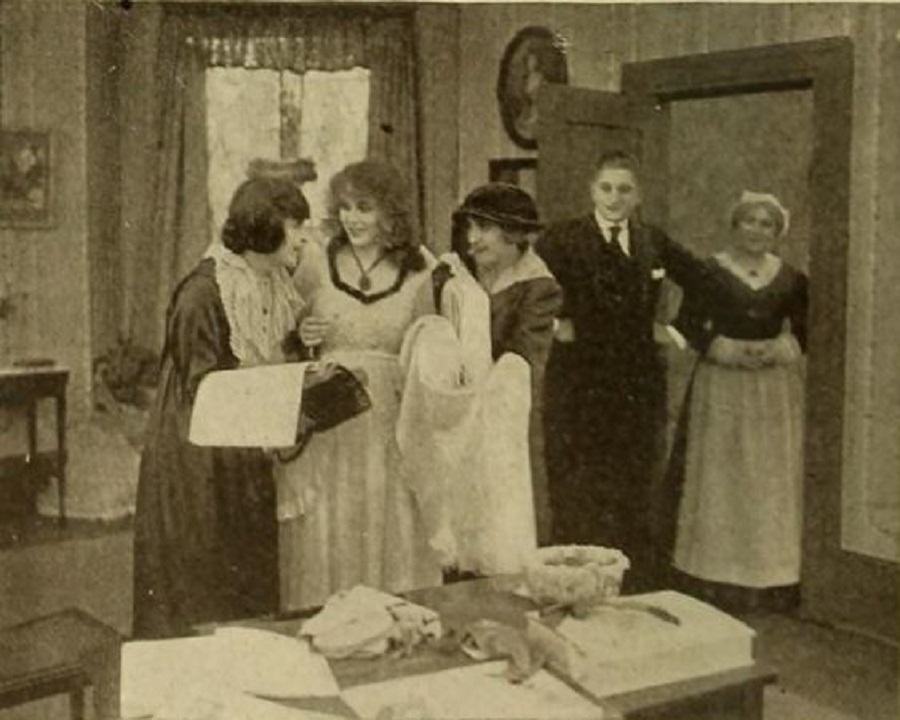
'Heart Strings' transcends mere melodramatic contrivance by delving into profound thematic territory. It is, first and foremost, a meditation on destiny and the inescapable echoes of the past. The film posits that certain connections, once forged, however briefly, possess an almost magnetic pull, drawing individuals back into each other's orbits regardless of the passage of time or the intervention of circumstance. This exploration of fate's relentless hand is a recurring motif in cinema, often seen in films like The Cup of Life, where characters grapple with life-altering decisions and their far-reaching repercussions. The concept of abandonment is also handled with a delicate yet unflinching gaze. The film implicitly asks: what are the lasting scars of such a profound rejection, and can they ever truly heal? Johanna's journey suggests a complex answer, where new love and chosen family can offer solace, but the original wound remains a part of her narrative.
Furthermore, the film explores the intricate ethical dilemmas that arise when love, duty, and unforeseen familial bonds collide. Gerald's predicament is particularly poignant, forcing him to confront the moral ramifications of his innocent romantic entanglement. The film doesn't offer easy answers, instead allowing the audience to grapple with the messy, often contradictory nature of human emotion and obligation. The redemptive arc, orchestrated primarily by Dr. McLean, is not about erasing the past but about finding a way to integrate its painful lessons into a future built on understanding and forgiveness. This journey towards reconciliation, though fraught with emotional peril, ultimately speaks to the enduring human capacity for empathy and the desire for wholeness. The film, in its quiet determination to mend what is broken, echoes the spirit of narratives like Life's Harmony, which often seek to restore balance and understanding amidst chaos.
As a product of the 1917 cinematic landscape, 'Heart Strings' showcases the developing artistry of silent film. The direction, while not explicitly attributed to a single individual in the provided information, effectively employs the visual language of the era to heighten emotional impact. Close-ups are likely used judiciously to emphasize facial expressions and intimate moments, drawing the audience into the characters' inner worlds. The staging of scenes would have been carefully choreographed to convey relationships and power dynamics, a common strength of early cinema. Intertitles, the textual explanations inserted between scenes, would have been crucial for conveying dialogue and narrative exposition, guiding the audience through the story's intricate twists. The film's pacing, characteristic of the period, would have allowed for moments of dramatic tension to build slowly, punctuated by bursts of intense emotional revelation.
The aesthetic choices, from set design to costume, would have played a significant role in establishing the film's tone and period. The visual richness of silent cinema, often overlooked in retrospect, was paramount in conveying atmosphere and character. The film's success in weaving such a complex narrative within the constraints and possibilities of early filmmaking speaks volumes about the ingenuity of its creators. It stands as a compelling example of how a well-conceived plot, coupled with strong performances and effective visual storytelling, could create a deeply moving and engaging cinematic experience, even without synchronized sound. One might draw parallels to the sophisticated narrative constructions found in thrillers of the era, such as The Crimson Stain Mystery or The Strangler's Cord, which also relied on intricate plotting and visual cues to maintain audience engagement, albeit in a different genre.
'Heart Strings' is more than just a historical curiosity; it is a vibrant, emotionally charged drama that continues to resonate with contemporary audiences. Its exploration of themes such as abandonment, the complexities of love, and the enduring quest for belonging are universal and timeless. The film's ability to elicit such profound emotional responses through the silent medium is a testament to the power of pure cinematic storytelling and the talent of its cast and crew. It serves as a powerful reminder that the human heart, in all its fragility and resilience, remains the most compelling subject for artistic exploration. For those with an appreciation for the intricate narratives and profound emotional depth of early cinema, 'Heart Strings' is an indispensable viewing experience, offering not just a glimpse into the past, but a mirror reflecting the timeless drama of the human condition. It is a film that, despite its age, still pulls at the titular 'heart strings' with remarkable efficacy, solidifying its place as a significant contribution to the evolving art form of cinema.
The collaborative genius of writers E. Magnus Ingleton and Fred Myton is particularly evident in the construction of 'Heart Strings.' Their screenplay, even in its silent film format, demonstrates a keen understanding of dramatic pacing and character development. They crafted a narrative that, while relying on the conventions of melodrama, transcends them through its thoughtful exploration of moral quandaries and emotional depth. The story's progression, from the initial idyllic romance to the shocking revelation and subsequent struggle for reconciliation, is meticulously plotted. This narrative precision ensures that each twist and turn feels earned, rather than contrived, a hallmark of superior screenwriting. Their ability to infuse such a complex familial tragedy with moments of genuine hope and humanistic intervention speaks to their skill in balancing the darker aspects of the plot with the redemptive potential of love and understanding. In an era often characterized by simpler, more episodic storytelling, Ingleton and Myton delivered a cohesive and emotionally resonant work, solidifying their reputation as adept purveyors of engaging cinematic narratives.
Furthermore, the film's lasting impact lies in its timeless appeal to the human condition. The yearning for belonging, the pain of betrayal, the struggle for forgiveness, and the enduring power of familial bonds are themes that continue to resonate across generations and cultures. 'Heart Strings' masterfully weaves these universal elements into a specific, compelling narrative, demonstrating that the most profound stories often emerge from the deeply personal. It reminds us that even in the face of profound adversity and the most shocking revelations, the human spirit possesses an incredible capacity for resilience and a persistent drive towards harmony. The film’s quiet strength lies in its conviction that understanding and compassion, embodied by characters like Dr. McLean, can ultimately bridge the deepest chasms of human experience, making it a powerful and enduring piece of cinematic art.
IMDb 7.1
1927
Community
Log in to comment.