DbcultAccessing Vault...
4.8/10
Senior Film Conservator
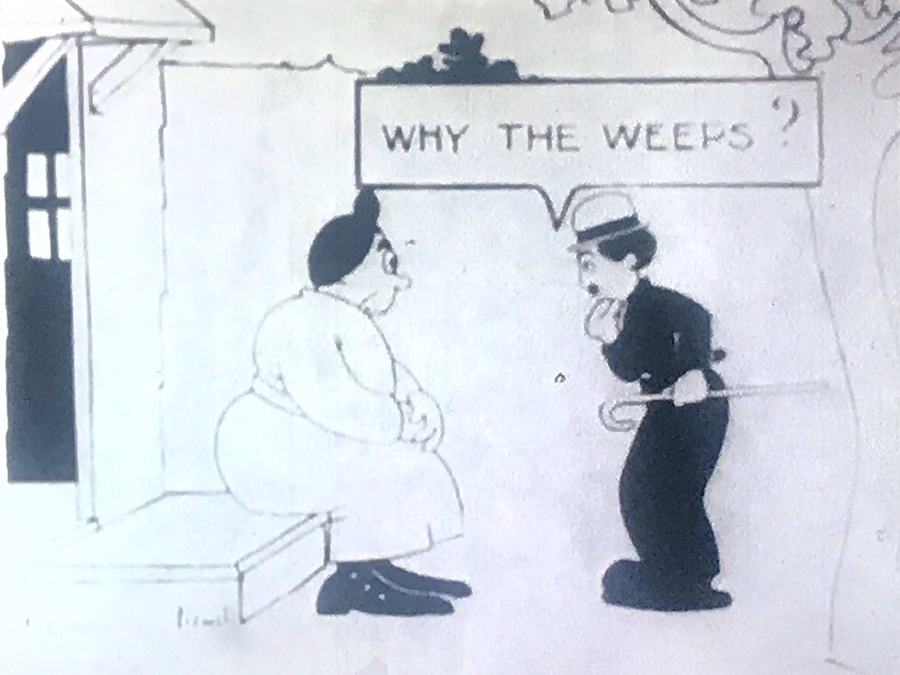
A definitive 4.8/10 rating for a film that redefined the boundaries of cult cinema. Charley Out West remains a cornerstone of transgressive art.
Stepping back into the flickering glow of the early 20th century, we encounter a film that, while perhaps not a household name in the modern lexicon, nonetheless offers a rich tapestry of narrative and performance: Charley Out West. This silent-era Western, featuring the engaging presence of Pat Sullivan, transcends mere genre convention, presenting a thoughtful, often humorous, and surprisingly nuanced exploration of identity, justice, and the untamed spirit of the American frontier. It's a testament to the power of visual storytelling that, even without spoken dialogue, its characters resonate with an authentic humanity, their struggles and triumphs etched vividly onto the celluloid canvas.
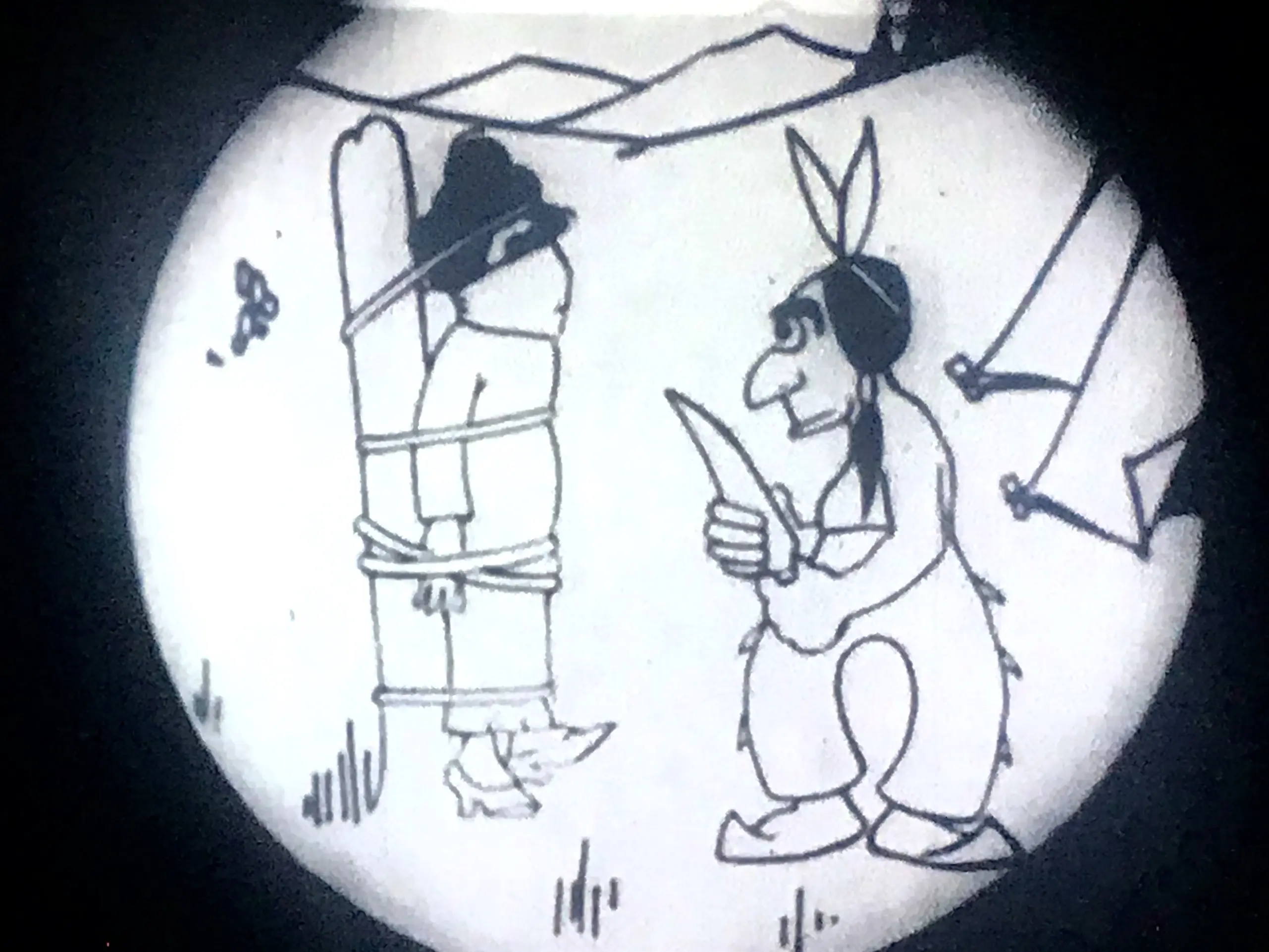
At its core, Charley Out West is an origin story of sorts, not of a superhero, but of an everyman thrust into extraordinary circumstances. Pat Sullivan's portrayal of Charley is nothing short of captivating. He arrives in the dusty, sun-baked town not as a hardened cowboy or a grizzled prospector, but as an impeccably dressed Easterner, his sartorial elegance a stark contrast to the rugged landscape and its even more rugged inhabitants. This initial incongruity is not played solely for laughs, though there are moments of delightful physical comedy. Instead, it serves to immediately establish Charley as an outsider, a figure whose urban sensibilities clash dramatically with the raw pragmatism of the West. His initial interactions, marked by a polite but firm naiveté, quickly draw the ire of Silas "The Serpent" Blackwood, the film's formidable antagonist. Blackwood, a character whose very name conjures images of insidious predation, embodies the unchecked greed that often accompanied the expansion into new territories. His machinations, aimed at dispossessing smaller landowners, including Charley, form the central conflict, setting the stage for a classic struggle between good and a ruthlessly defined evil. The brilliance here lies in making Charley's primary weapon not a six-shooter, but his unwavering moral compass and an unexpected cunning. This approach offers a refreshing counterpoint to the more overtly heroic figures seen in other Westerns of the period, such as the stoic protagonists in Buckshot John, where heroism is often defined by physical prowess and direct confrontation.
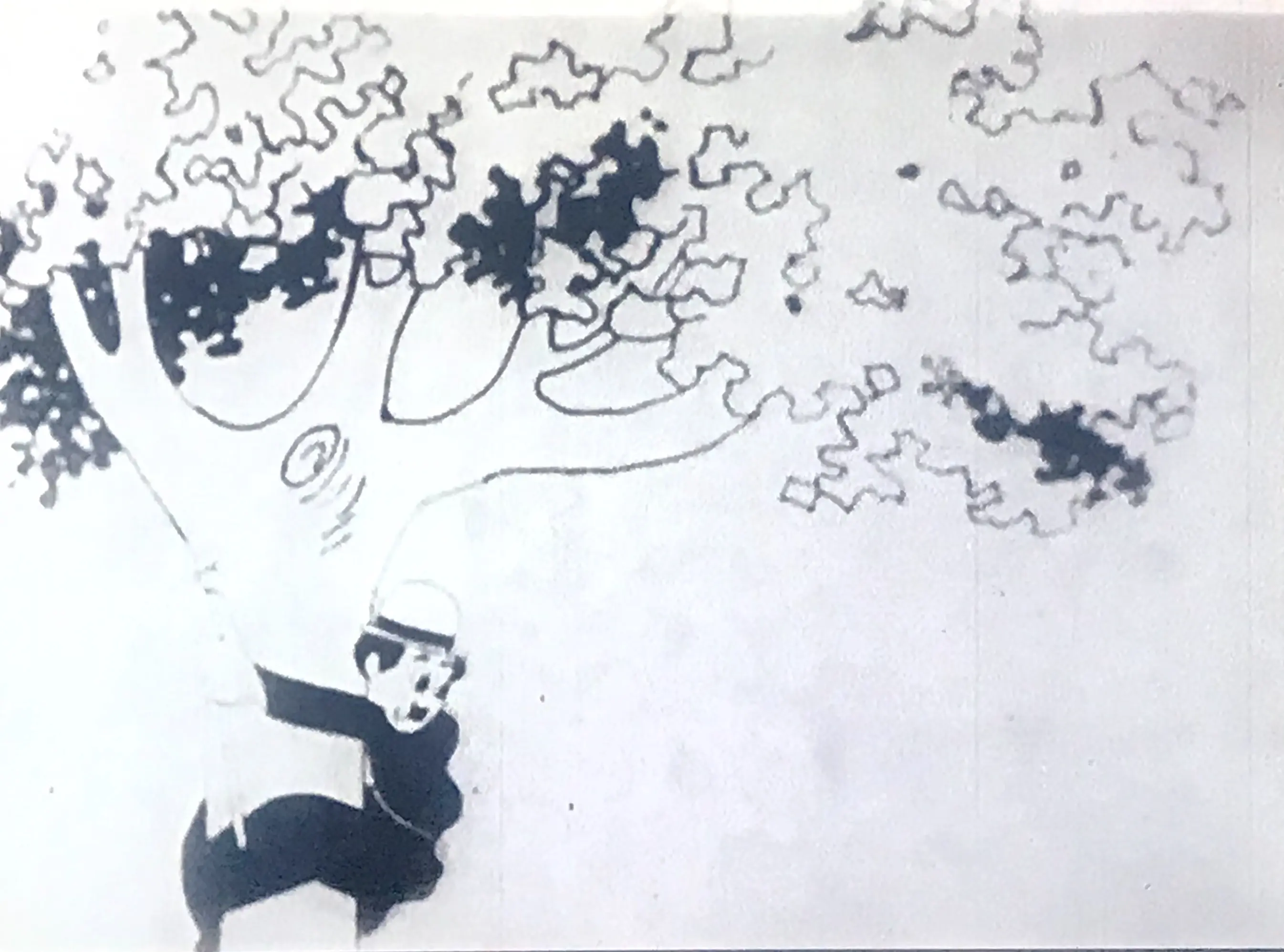
The plot, while seemingly straightforward—Easterner against Western villain—is imbued with layers of thematic richness that elevate it beyond a simple adventure tale. The film explores the perennial conflict between civilization and wilderness, not just as physical landscapes but as states of being. Charley represents a nascent form of civility, bringing with him the ideals of law and order, albeit wrapped in a somewhat impractical package. Blackwood, conversely, embodies the untamed, brutal side of the frontier, where might often makes right. The film subtly critiques this lawless ethos, suggesting that true progress lies not in conquest, but in community and equitable dealings. This theme resonates powerfully, drawing parallels to the social commentaries found in films like The Octoroon, which, despite its vastly different setting, also grappled with societal injustices and the struggle for personal dignity against systemic oppression. Furthermore, the development of the relationship between Charley and the spirited local woman, initially skeptical of his urban ways, adds another layer. Her gradual recognition of his intrinsic worth, moving beyond superficial appearances, is a beautifully rendered arc, speaking to the film's broader message about looking past the obvious to find true character.
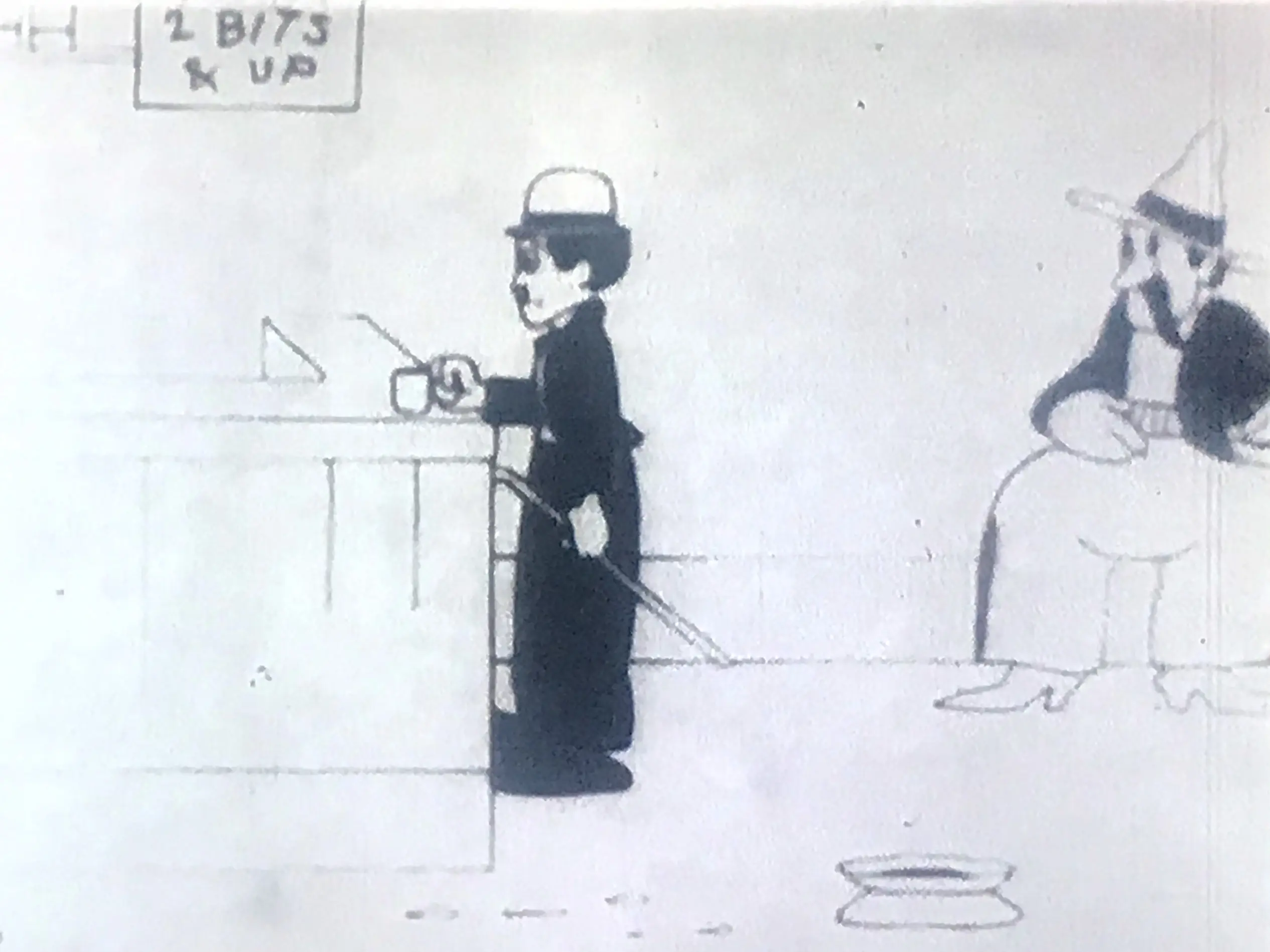
Pat Sullivan's performance as Charley is truly the lynchpin of the film's success. In an era where exaggerated gestures and broad expressions were often the norm in silent cinema, Sullivan manages to infuse Charley with a remarkable subtlety. His comedic timing is impeccable, often deriving from his character's fish-out-of-water predicament. Yet, he never allows Charley to become a mere caricature. There's an underlying earnestness, a quiet determination that shines through his initial awkwardness. When Charley makes his stand against Blackwood's enforcers, it’s not with the swagger of a seasoned gunslinger, but with the desperate courage of a man defending what is right. This transition is handled with such skill that it feels earned, rather than contrived. Sullivan's ability to convey complex emotions through facial expressions and body language alone speaks volumes about his talent. One can draw comparisons to the understated power of performances in European silent dramas like Sperduti nel buio, which also relied heavily on the nuanced portrayal of internal states to drive its narrative. Sullivan, in his own way, achieves a similar depth, making Charley a memorable figure long after the credits roll.
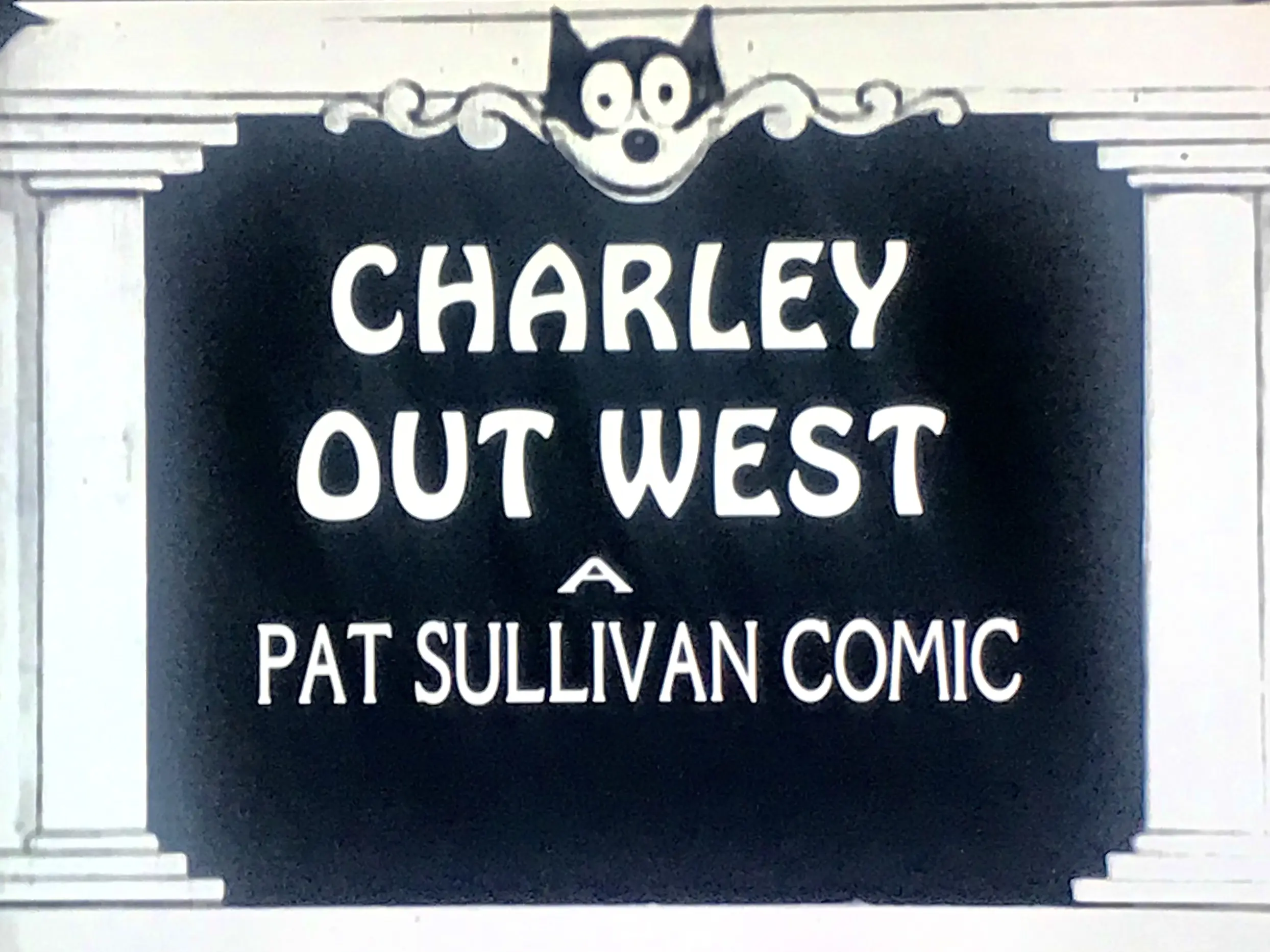
Beyond the captivating performances, Charley Out West demonstrates a commendable grasp of cinematic craft, especially considering the nascent stage of filmmaking at the time. The cinematography, though perhaps constrained by early technology, effectively captures the vastness and desolation of the Western landscape. Wide shots emphasize Charley's isolation and the formidable nature of his new environment, while tighter framing during confrontational scenes heightens the tension. The editing, while adhering to the conventions of the era, maintains a brisk pace, ensuring that the narrative never drags. Intertitles are used judiciously, providing essential dialogue and plot exposition without overwhelming the visual storytelling. The creative team behind this production, including the uncredited writers and directors who shaped Sullivan's vision, understood the power of visual metaphor. For instance, the recurring motif of the sun-baked, parched earth subtly mirrors the moral aridity brought by Blackwood's greed, only to be metaphorically refreshed by Charley's eventual triumph. This sophisticated use of visual language sets it apart from more straightforward adventure films and aligns it with the artistic ambitions seen in works like Vendémiaire, which also sought to imbue its settings with symbolic meaning. Even the blocking of actors within the frame contributes to the storytelling, emphasizing power dynamics and character relationships with remarkable clarity.
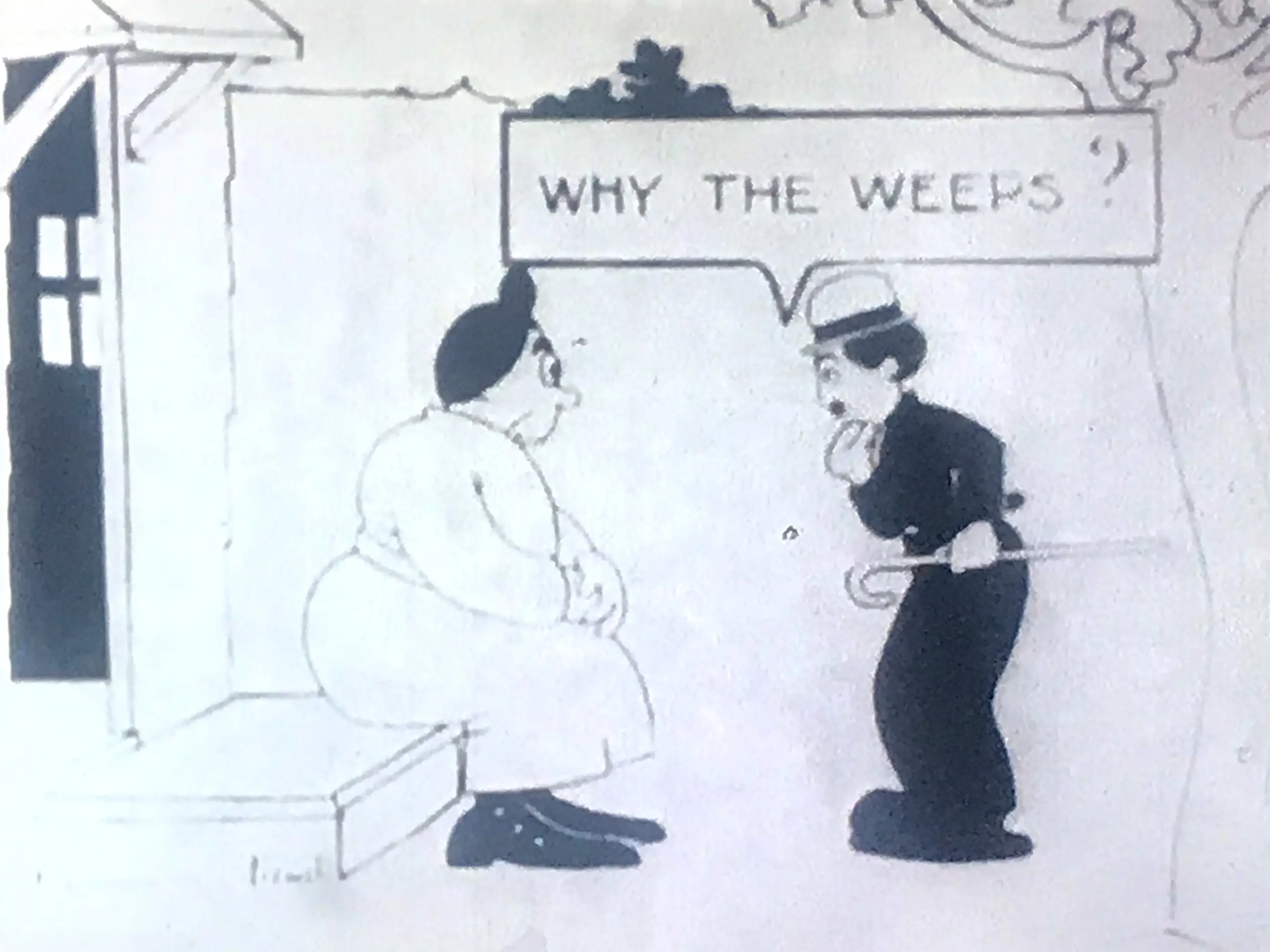
Silas Blackwood is not a mustache-twirling villain, though he certainly has his moments of theatrical malice. He is, rather, a calculating force of nature, a capitalist predator whose ambition knows no bounds. His ruthlessness is portrayed with an chilling efficiency, making him a truly formidable opponent for the unassuming Charley. The stakes are profoundly personal for Charley—his inheritance, his very presence in this new world—but they quickly expand to encompass the entire community. Blackwood's systematic land grabs and intimidation tactics have created a climate of fear, mirroring the themes of corruption and abuse of power explored in films like False Ambition. Charley's struggle, therefore, becomes a beacon of hope for the beleaguered townspeople. The film skillfully builds this collective tension, showing how Charley's individual courage gradually inspires others to resist. It’s a powerful portrayal of how one seemingly insignificant person can ignite a movement, a sentiment that resonates deeply even today. The narrative doesn't shy away from depicting the harsh realities of frontier justice, or rather, the lack thereof, making Charley's eventual triumph all the more satisfying because it feels hard-won and genuinely earned against a backdrop of systemic exploitation.
To truly appreciate Charley Out West, one must consider its place within the burgeoning landscape of early cinema. It arrived at a time when the Western genre was still finding its footing, oscillating between simplistic morality plays and more complex character studies. While it shares the adventurous spirit of films like The Spitfire, it distinguishes itself through its character-driven focus and the subtle humor woven into its fabric. The film's portrayal of social dynamics and the struggle for individual rights against powerful interests also finds echoes in contemporary dramas. For instance, the societal pressures and ethical dilemmas faced by its characters can be loosely compared to the intricate social tapestries woven in films like Der Andere, which explored psychological duplicity, or The Woman in Politics, which delved into the complexities of power and public image. Charley Out West, however, anchors these universal themes firmly in the unique crucible of the American West, offering a distinct perspective. Its influence, while perhaps not as overtly documented as some canonical works, can be seen in the way later Westerns began to experiment with less conventional heroes and more intricate plots, moving beyond the two-dimensional archetypes that initially dominated the genre. The film’s quiet defiance of typical Western tropes, particularly its emphasis on intellect and moral courage over brute force, offered a template for future storytellers.
In an era of rapidly evolving cinematic techniques, Charley Out West stands as a charming, if understated, achievement. It’s a film that asks us to look beyond the immediate spectacle and appreciate the quiet power of character development and thematic resonance. Pat Sullivan's performance is a masterclass in silent acting, conveying a spectrum of emotions and growth with remarkable clarity. The film's ability to blend humor, drama, and social commentary within the popular Western framework is commendable. It avoids the pitfalls of simplistic morality, instead presenting a world where heroes are forged not in grand, sweeping gestures, but in steadfast adherence to principle. While it may not possess the epic scope of some of its contemporaries or the overtly experimental nature of films like Der Bergführer, its enduring appeal lies in its sincerity and its deeply human core. For cinephiles and historians alike, revisiting Charley Out West offers a valuable glimpse into the formative years of American cinema, reminding us that even in its earliest iterations, the medium was capable of producing works of profound artistry and lasting impact. It's a film that deserves to be rediscovered, studied, and celebrated for its subtle brilliance and its pioneering spirit, a true gem from the wild, wild West of early filmmaking.
IMDb —
1916
Community
Log in to comment.