Summary
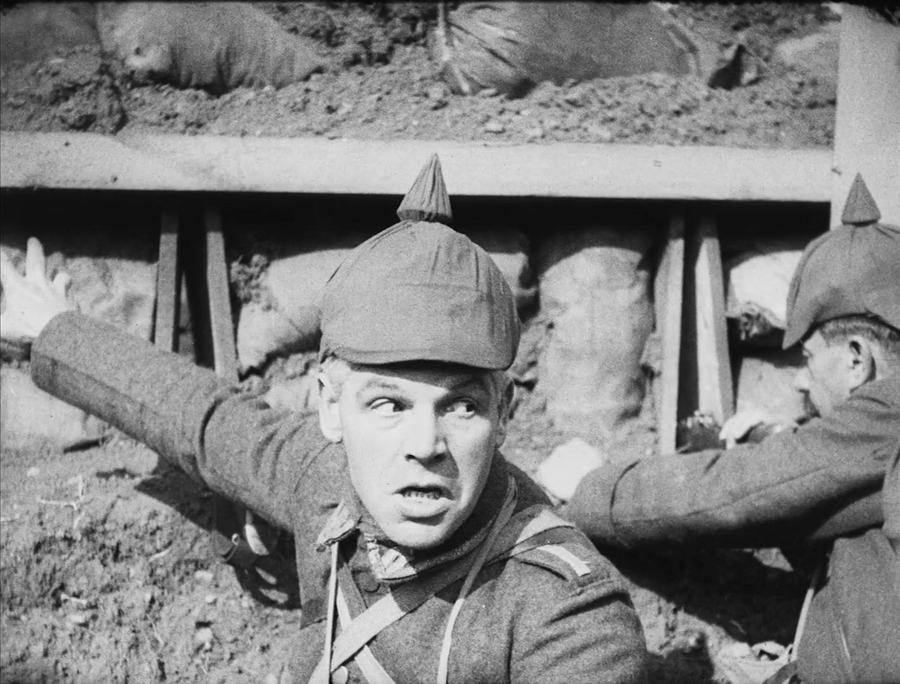
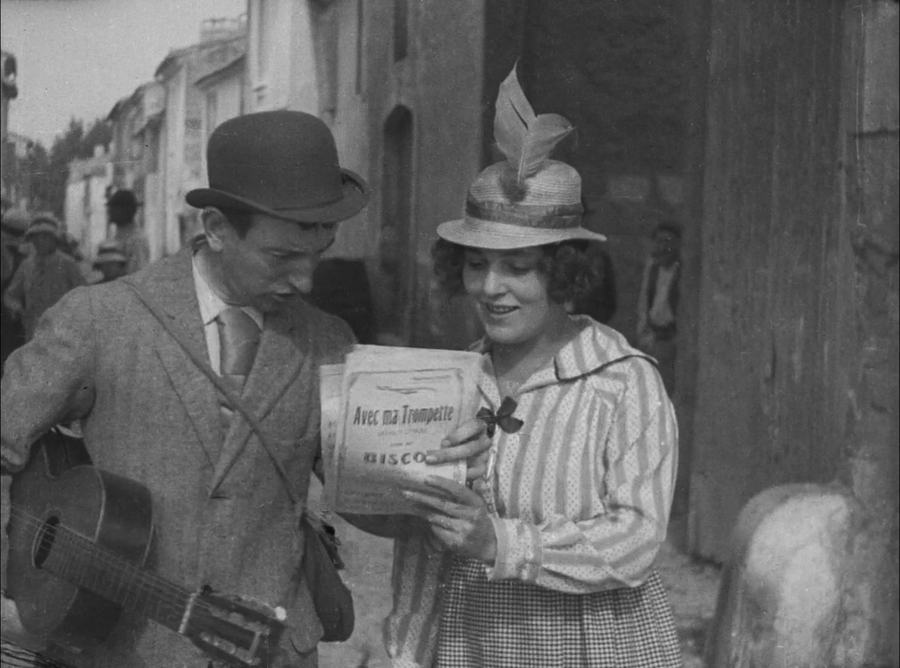
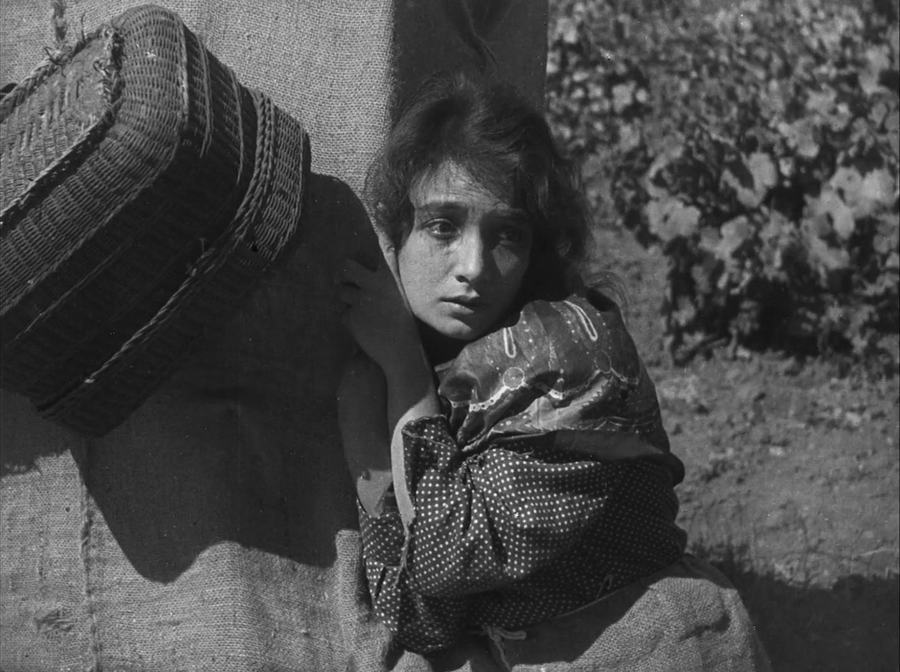
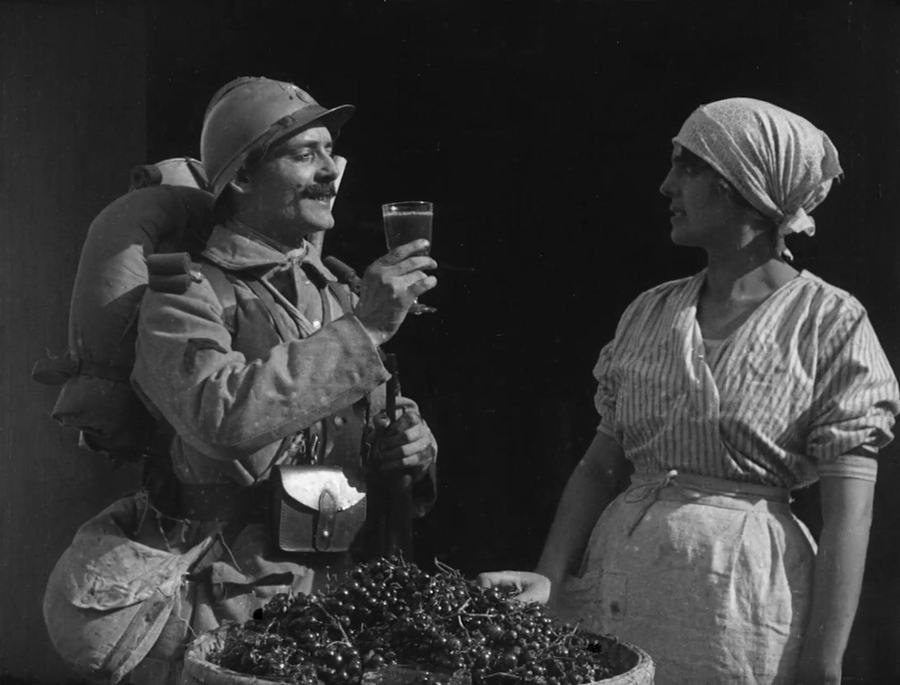
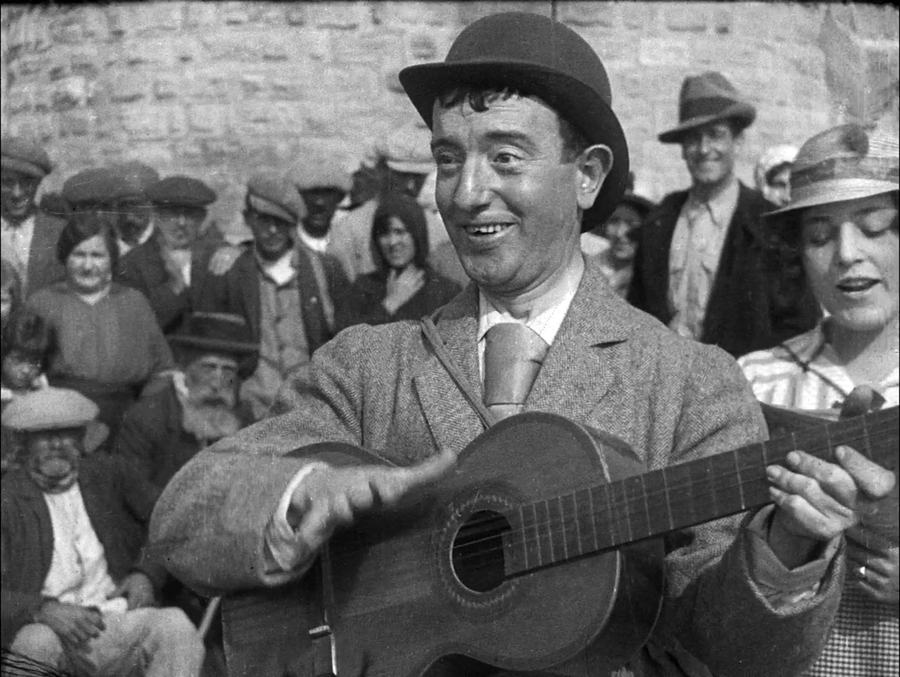
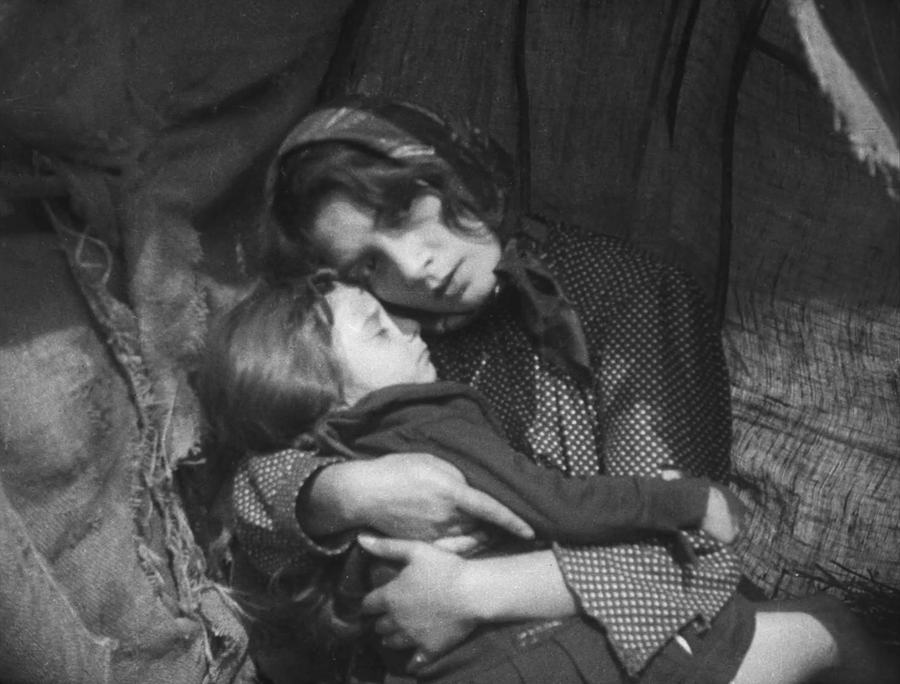
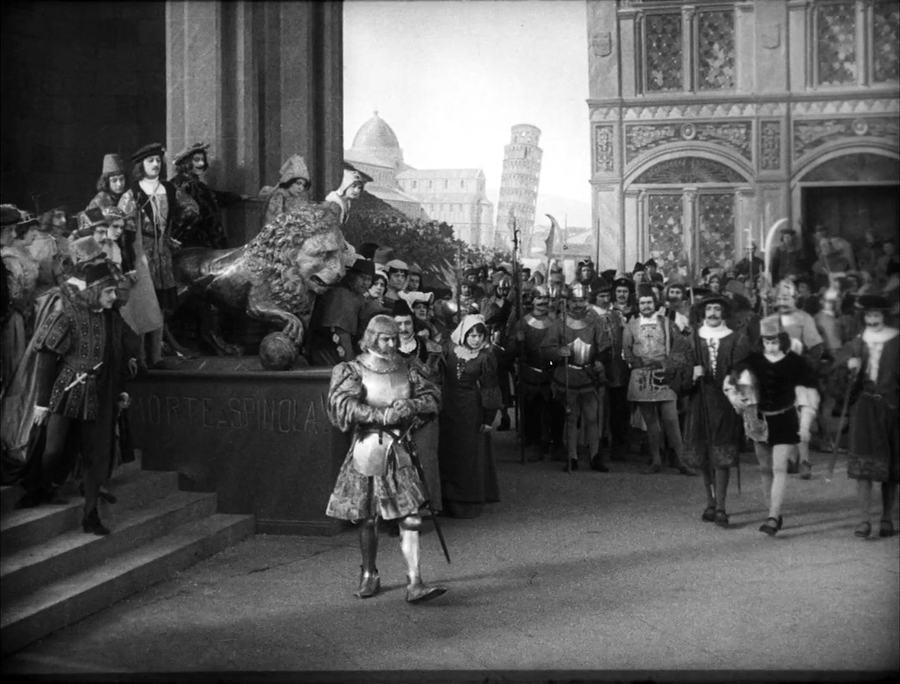
In the immediate, fraught aftermath of the Great War, Louis Feuillade's monumental serial, "Vendémiaire," meticulously unfurls a tapestry of a nation grappling with its fractured identity. The narrative anchors itself in a fictional, war-ravaged rural commune, a microcosm of France itself, where the echoes of the conflict reverberate not just in the scarred landscape but within the very souls of its inhabitants. Here, the steadfast, tradition-bound regionalists, whose lives are intrinsically tied to the ancestral land and its immutable customs, find themselves increasingly at odds with the encroaching dictates of a centralized, post-war nationalism. The film depicts the return of soldiers, some bearing visible wounds, others burdened by unseen psychological scars, who struggle to reintegrate into communities that are simultaneously yearning for peace and reeling from profound demographic and economic shifts. Intrigue arises from the arrival of opportunistic figures – be they government emissaries, industrial magnates, or even displaced persons – whose motivations often clash with the local populace's deeply ingrained values and their desperate efforts to preserve their unique cultural heritage. Feuillade masterfully portrays the simmering tensions between the imperative of national unity, forged in the crucible of trench warfare, and the fierce, often parochial, loyalty to regional dialects, traditions, and self-governance. Through a series of compelling subplots involving land disputes, generational divides, and the search for accountability for wartime injustices, "Vendémiaire" becomes a profound cinematic inquiry into the complex, often contradictory forces that shaped France's recovery, revealing that the battle for the nation's soul was fought as fiercely in its quiet villages as it was on the Western Front.
Movie serial "Vendemiaire" depicts a registering nationalist and regionalism concerns about the effects of the First World War.
Review Excerpt
"
Stepping into the world of Louis Feuillade's Vendémiaire is akin to unearthing a time capsule, a cinematic relic that speaks volumes not just about the nascent art form of the moving image, but about the very soul of a nation in the throes of profound transformation. Released in 1919, in the immediate aftermath of the Great War, this serial isn't merely a historical artifact; it's a poignant, sprawling canvas depicting France grappling with its identity, its losses, and the often-conflictin..."